
Theatro Municipal
On the square.
Halley Pacheco de Oliveira — CC BY-SA 3.0 · Eugenio Hansen, OFS — CC BY-SA 3.0 · Alejandro from Mexico City, MEXICO — CC BY 2.0 · Halley Pacheco de Oliveira — CC BY-SA 3.0 · Harriet Chalmers Adams — Public domain · Photograph by Mike Peel (www.mikepeel.net). — CC BY-SA 4.0
Cinelândia is the popular name of Praça Floriano Peixoto, one of the largest public squares in central Rio. It means «Cinema Land», after the picture houses that filled it in the 1920s and 1930s, and the historic Odeon cinema is still here. In colonial times the site held the Ajuda convent for women, built in 1750. The present square took shape with mayor Francisco Pereira Passos's reforms from 1904, inspired by Haussmann's Paris, which drove the Central Avenue, today's Avenida Rio Branco, through the old town. In the following decades grand public buildings rose around the square: the Theatro Municipal, the National Library, the National Museum of Fine Arts and the Pedro Ernesto Palace, seat of the city council, together the city's finest Belle Époque ensemble. Today Cinelândia is a meeting place for cafés, demonstrations and concerts, and the best thing to do is stand in the middle and take in the façades together. Cinelândia metro station opens right onto it; visit by day and keep an eye on belongings.
On the square.
From the 1920s.
A grand façade.
Praça Floriano Peixoto, central Rio de Janeiro
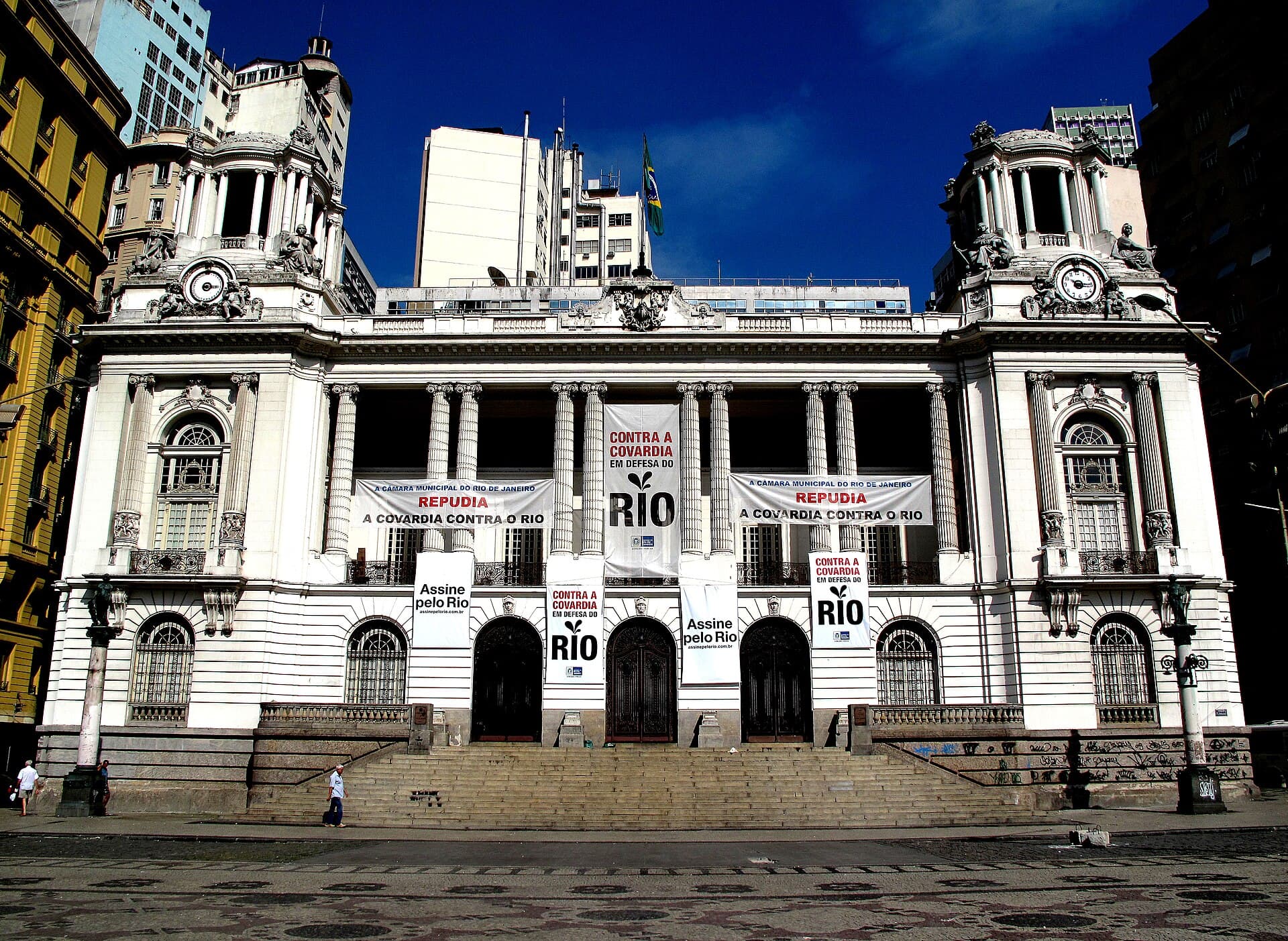 Palácio Pedro ErnestoThe Pedro Ernesto Palace is a historic building on Cinelândia square that has ho1 minute walk4.6
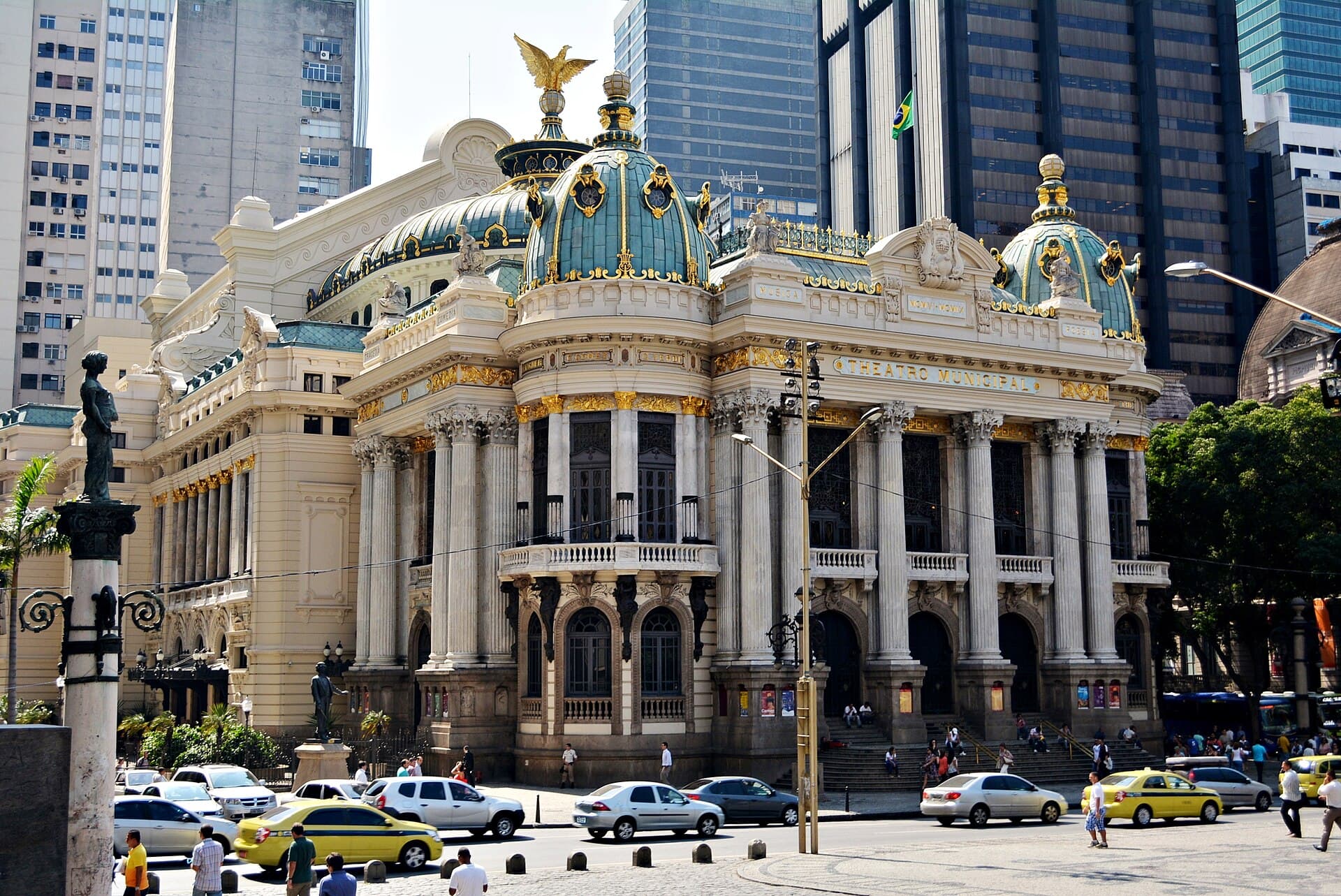 Theatro Municipal, Rio de JaneiroThe Theatro Municipal is one of Brazil's most beautiful and important theatres, 2 minutes walk4.9
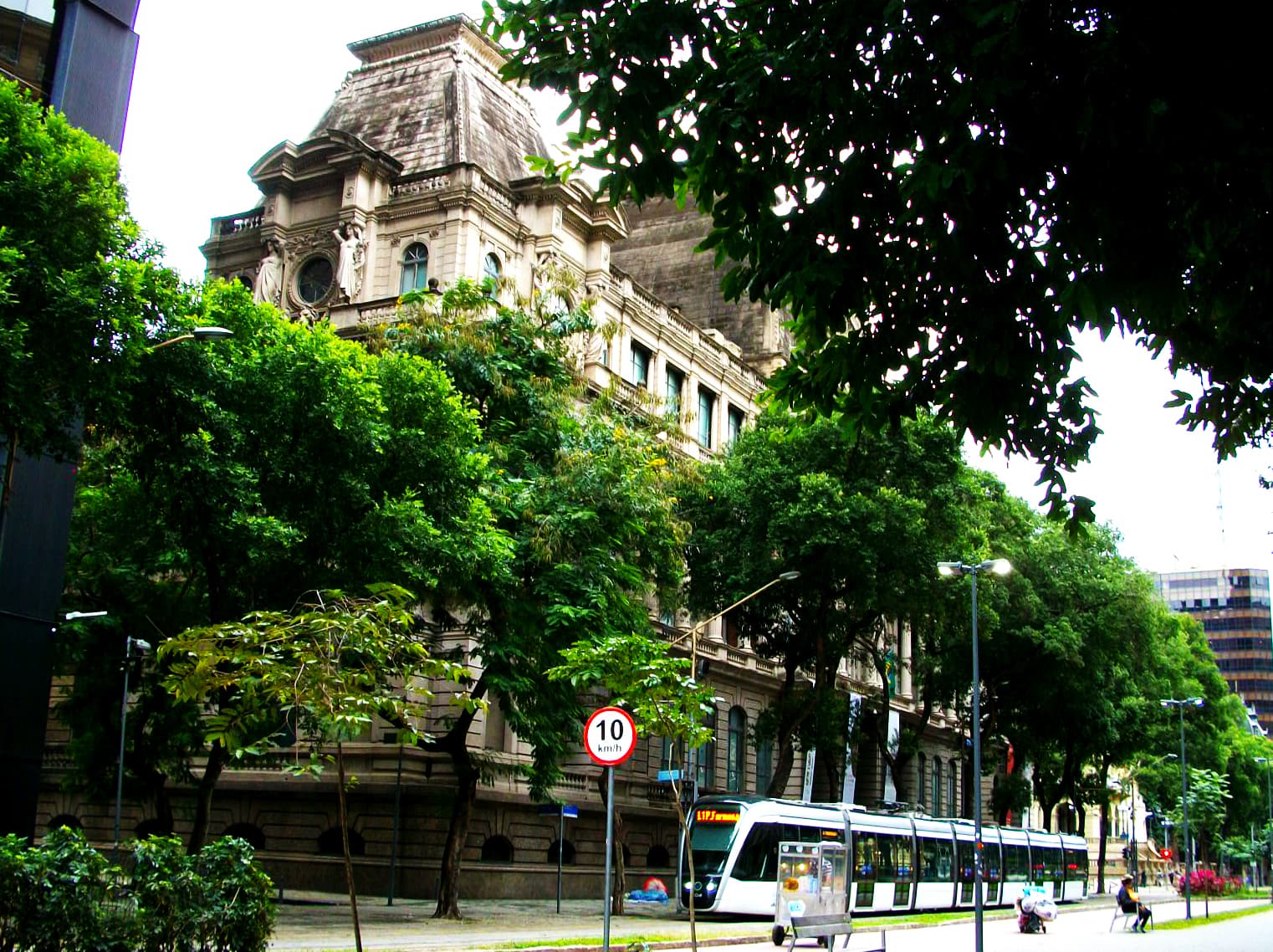 Museu Nacional de Belas ArtesThe National Museum of Fine Arts fills an eclectic-style building on Avenida Rio3 minutes walk4.8
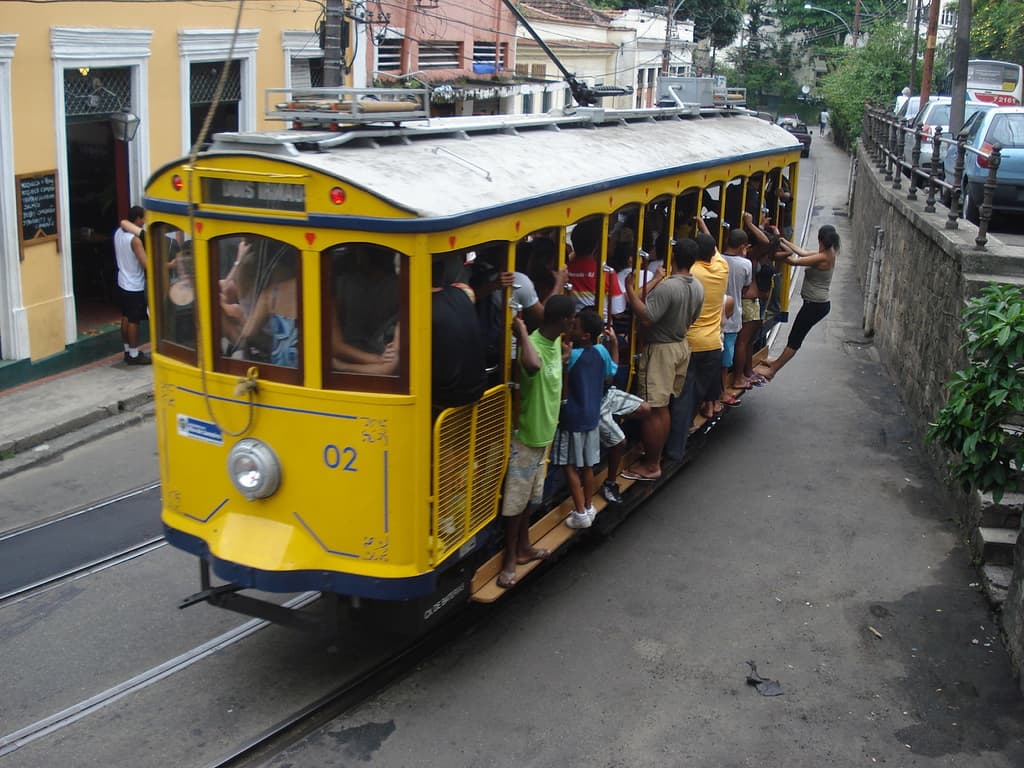 Santa Teresa Tram (Bondinho)The Santa Teresa Tram, the yellow bondinho, is a historic tram line climbing fro3 minutes walk4.4
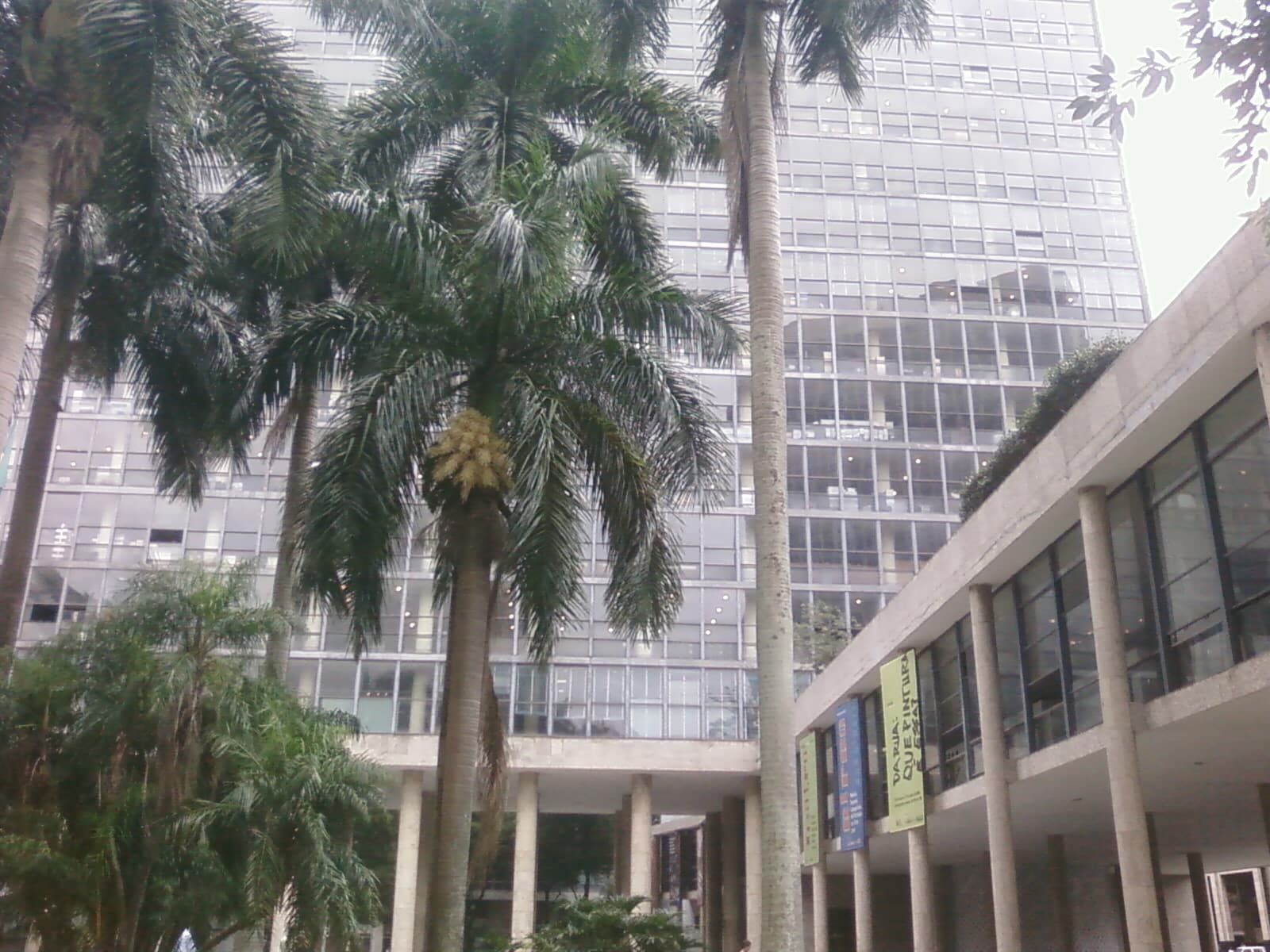 Gustavo Capanema PalaceThe Gustavo Capanema Palace, known to architects as the Ministry of Education an4 minutes walk4.4
Because cinemas filled the square in the 1920s and 1930s, making it «Cinema Land».