
Portinari tiles
Blue and white.
Rodrigo Pereira da S… — CC BY-SA 3.0 · Wagner Tamanaha from Sao Paulo, Brazil — CC BY-SA 2.0 · Henrique Liberal — CC BY-SA 4.0 · Rodrigo Pereira da S… — CC BY-SA 3.0 · Imagens AMB — Public domain
The Gustavo Capanema Palace, known to architects as the Ministry of Education and Health building, was the first modernist public building in the Americas and is on Brazil's tentative list for World Heritage. It was designed in 1935 and 1936 by a team led by Lucio Costa, later the planner of Brasília, with Affonso Reidy, Jorge Moreira and others; Oscar Niemeyer was an intern in the office, and the Swiss-French architect Le Corbusier oversaw the project. Building began in 1939 and ended in 1945. The fifteen-storey block stands on three-storey pilotis that leave the plaza beneath open to passers-by, its walls are clad in blue-and-white azulejo tiles designed by Candido Portinari, and Roberto Burle Marx designed its roof and ground gardens. After ten years closed it reopened in May 2025 as a cultural centre, with free guided tours led by architecture students on Thursdays and Fridays at 9:00, 11:30, 14:00 and 15:30, booked at least 24 hours ahead on the Ministry of Culture website.
Blue and white.
An open plaza beneath.
On the roof.
Rua da Imprensa 16, Castelo, central Rio de Janeiro
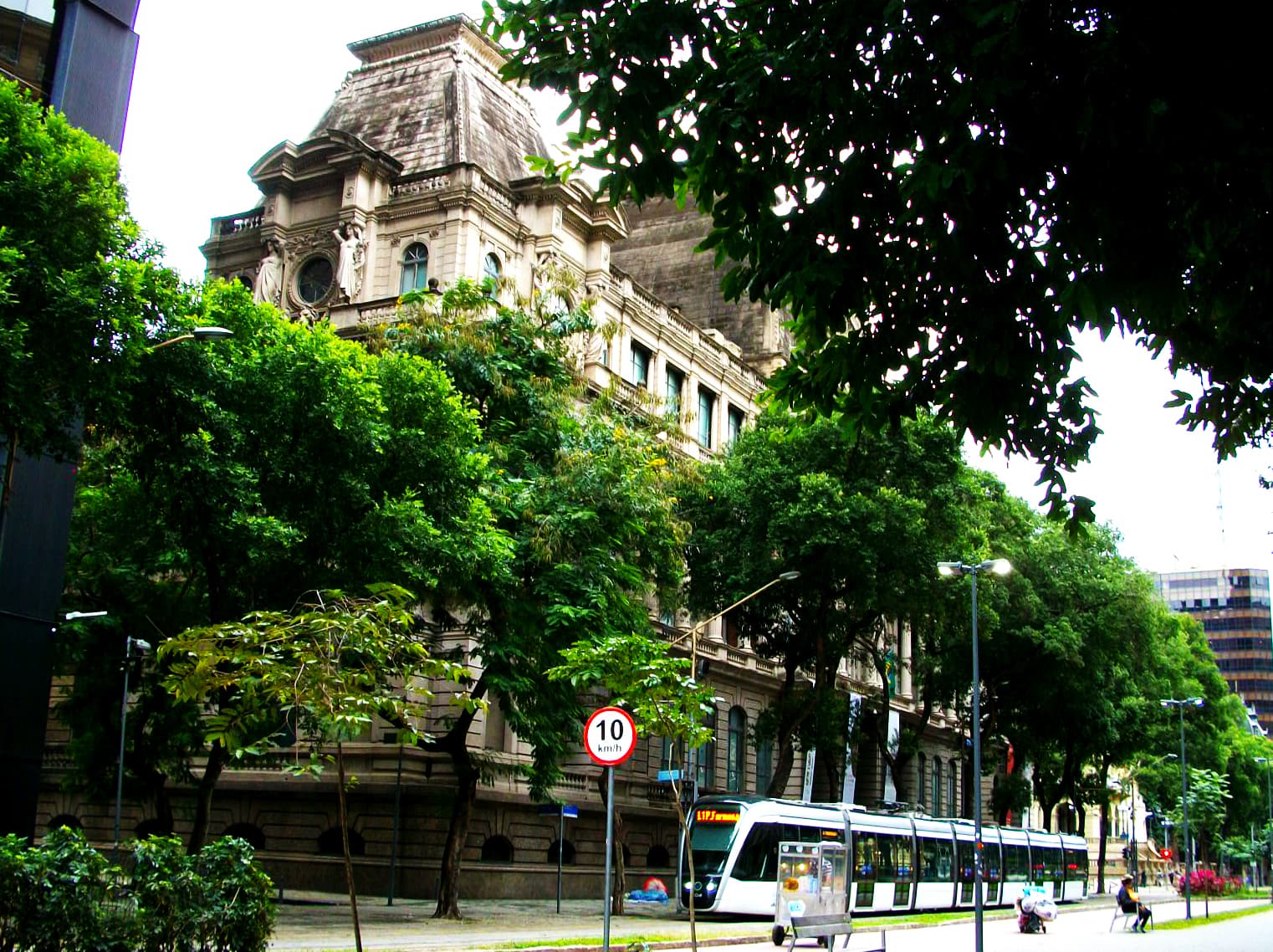 Museu Nacional de Belas ArtesThe National Museum of Fine Arts fills an eclectic-style building on Avenida Rio3 minutes walk4.8
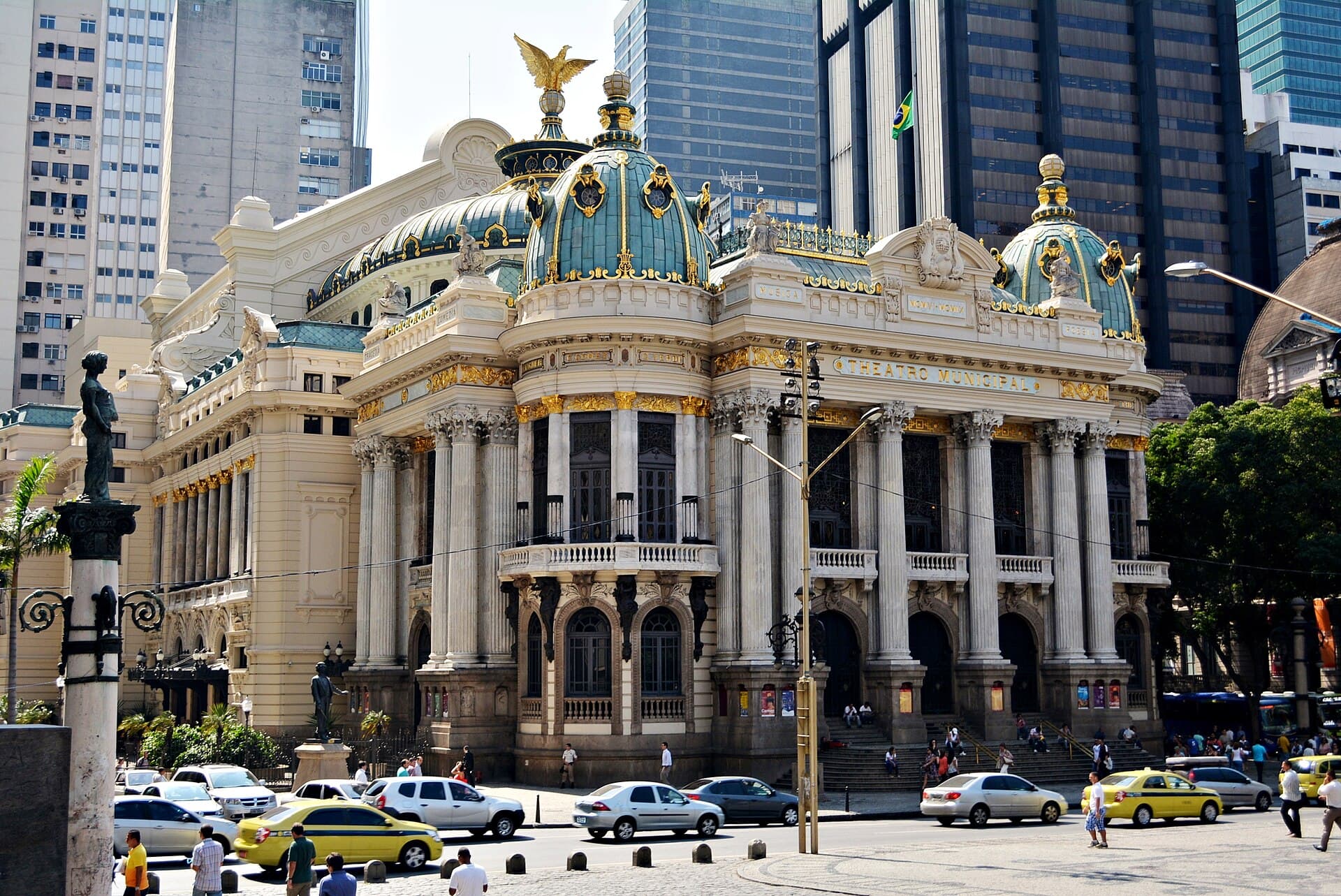 Theatro Municipal, Rio de JaneiroThe Theatro Municipal is one of Brazil's most beautiful and important theatres, 4 minutes walk4.9
 Santa Teresa Tram (Bondinho)The Santa Teresa Tram, the yellow bondinho, is a historic tram line climbing fro6 minutes walk4.4
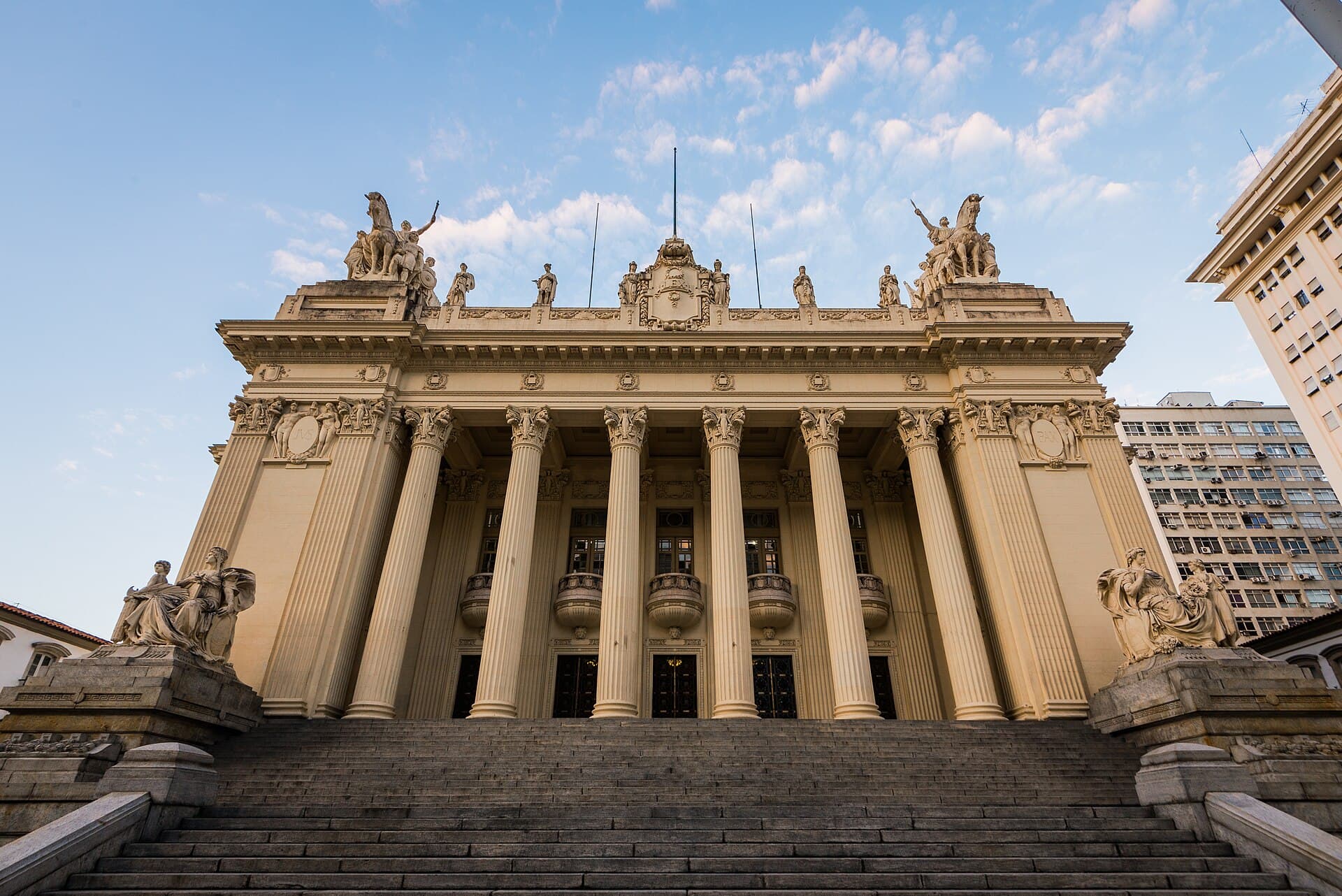 Palácio TiradentesThe Palácio Tiradentes opened on 6 May 1926 on the site of the Casa de Câmara e 7 minutes walk4.7
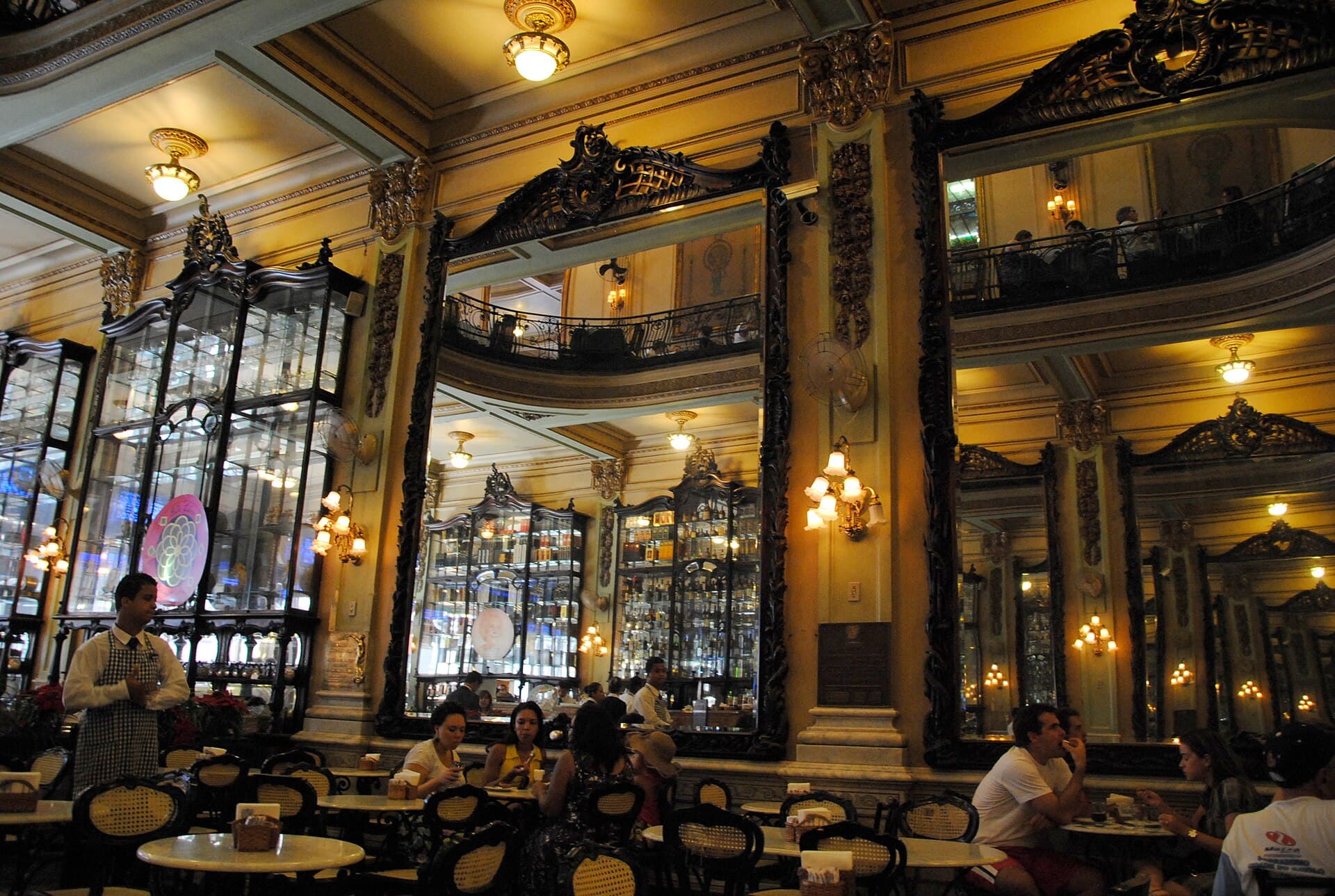 Confeitaria ColomboConfeitaria Colombo is a historic café and pastry shop in central Rio, founded b8 minutes walk4.3
On a free guided tour on Thursday or Friday, booked at least 24 hours ahead through the Ministry of Culture website.