
The living quarters
The tightness of the spaces crews lived in for months among the ice registers by standing in them, not by reading.
Per Helge Nylund — CC BY-SA 3.0 · Leonhard Lenz — CC0 · Leonhard Lenz — CC0 · Leonhard Lenz — CC0
A wooden sealing vessel built in 1949, preserved on the Tromsø waterfront and open to visitors. She worked in the Arctic for around thirty seasons before being retired, and is the last survivor of a fleet that sailed from this city every spring. Sealing underpinned Tromsø's economy for decades, a harsh and dangerous trade worked by small crews in primitive conditions among the ice. Going aboard shows that directly: the living quarters are cramped to a degree that is hard to believe, and the difference between seeing it and reading about it is considerable. It should be clear that the subject itself may trouble some visitors, since the ship presents the history of marine mammal hunting without softening. The museum frames it as economic and social history rather than a celebration of the trade. The vessel is seasonal and opens mainly through the summer months, and stands a short walk from central Tromsø and the neighbouring Polaria museum.
The tightness of the spaces crews lived in for months among the ice registers by standing in them, not by reading.
Sealing underpinned Tromsø for decades, and that is what the ship explains.
The history is presented without softening — know that before going aboard with children.
Waterfront near the Polaria museum, Tromsø
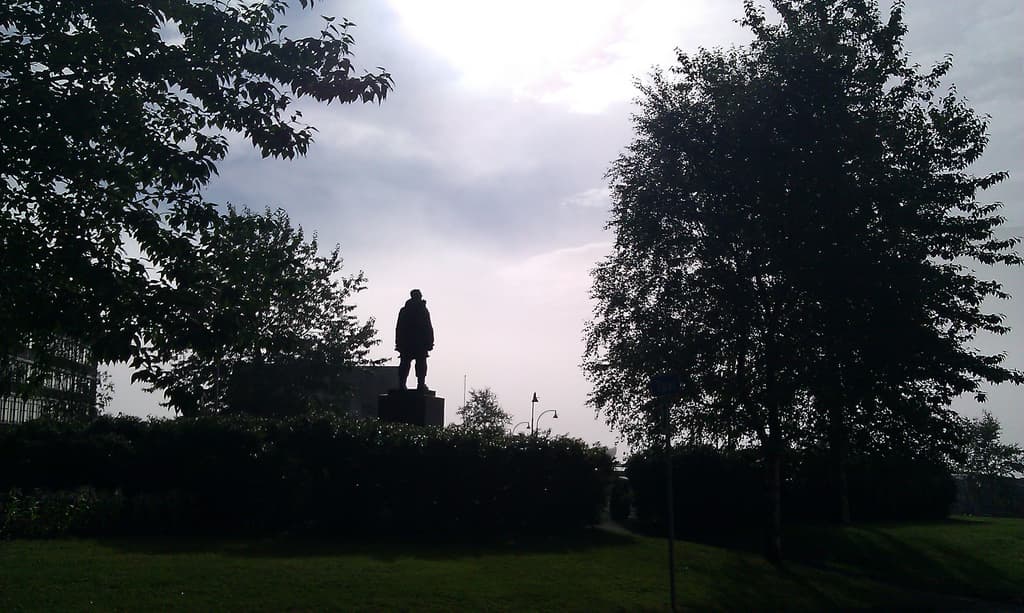 The Roald Amundsen MonumentAmundsen's bronze monument on Tromsø's harbour commemorates the last voyage of N7 minutes walk4.5
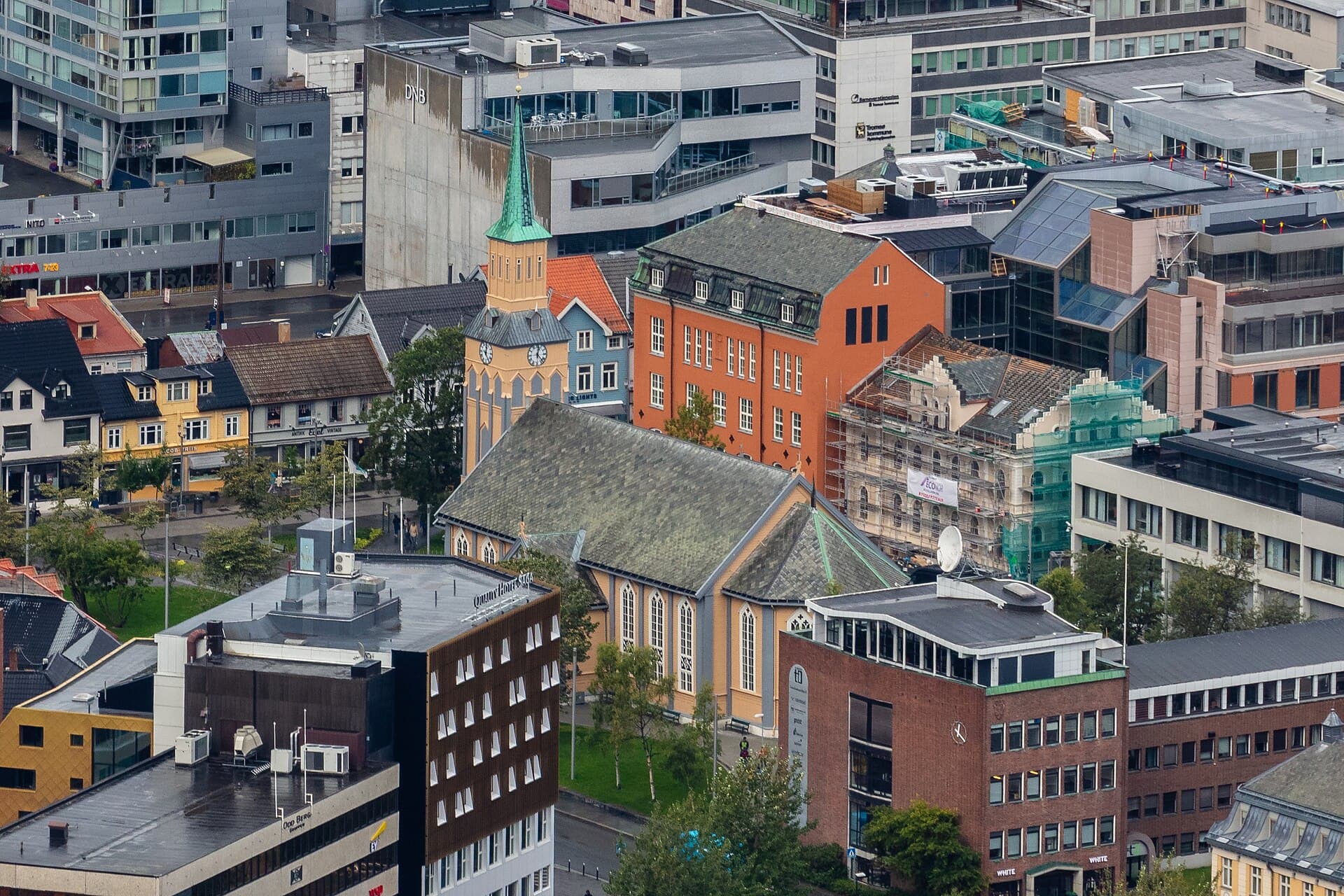 Tromsø's Wooden CathedralTromsø's wooden cathedral (1861) carries a unique global title: Norway's largest7 minutes walk4.6
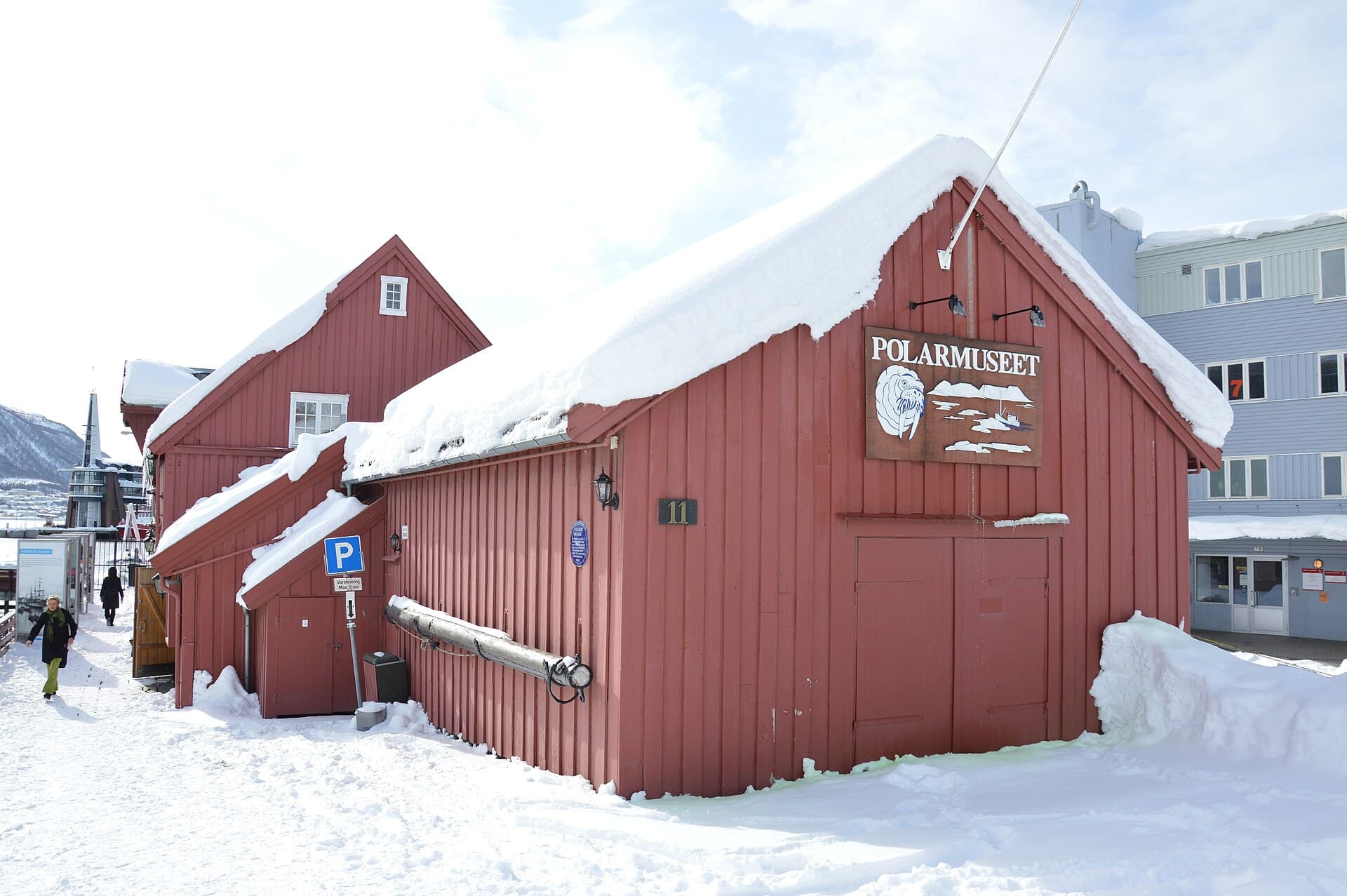 The Polar MuseumThe Polar Museum tells Tromsø's true heroic story: an old wooden customs warehou9 minutes walk4.5
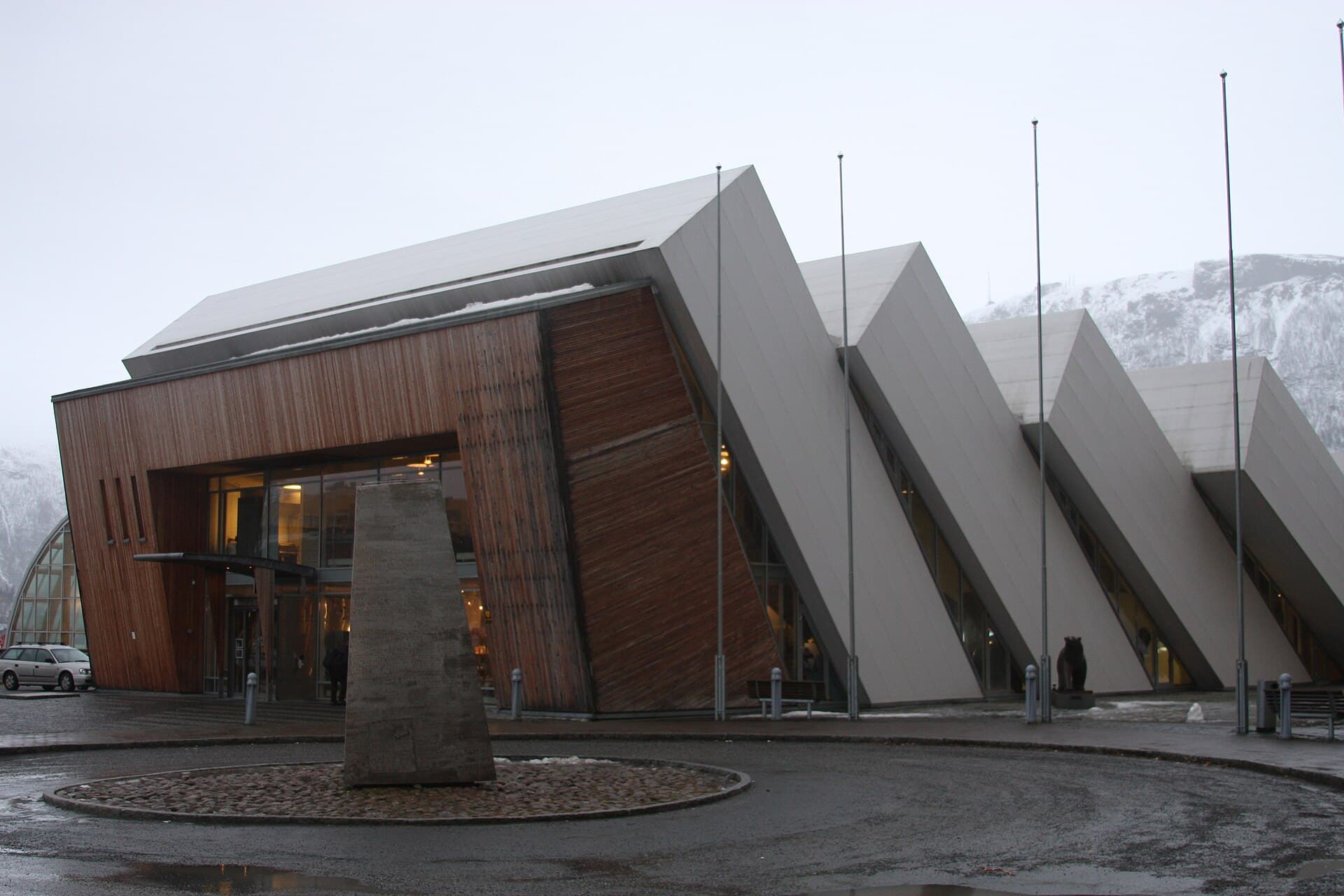 Polaria — the Arctic Experience CentrePolaria is Tromsø's modern face to the frozen ocean: a futuristic building (199810 minutes walk3.9
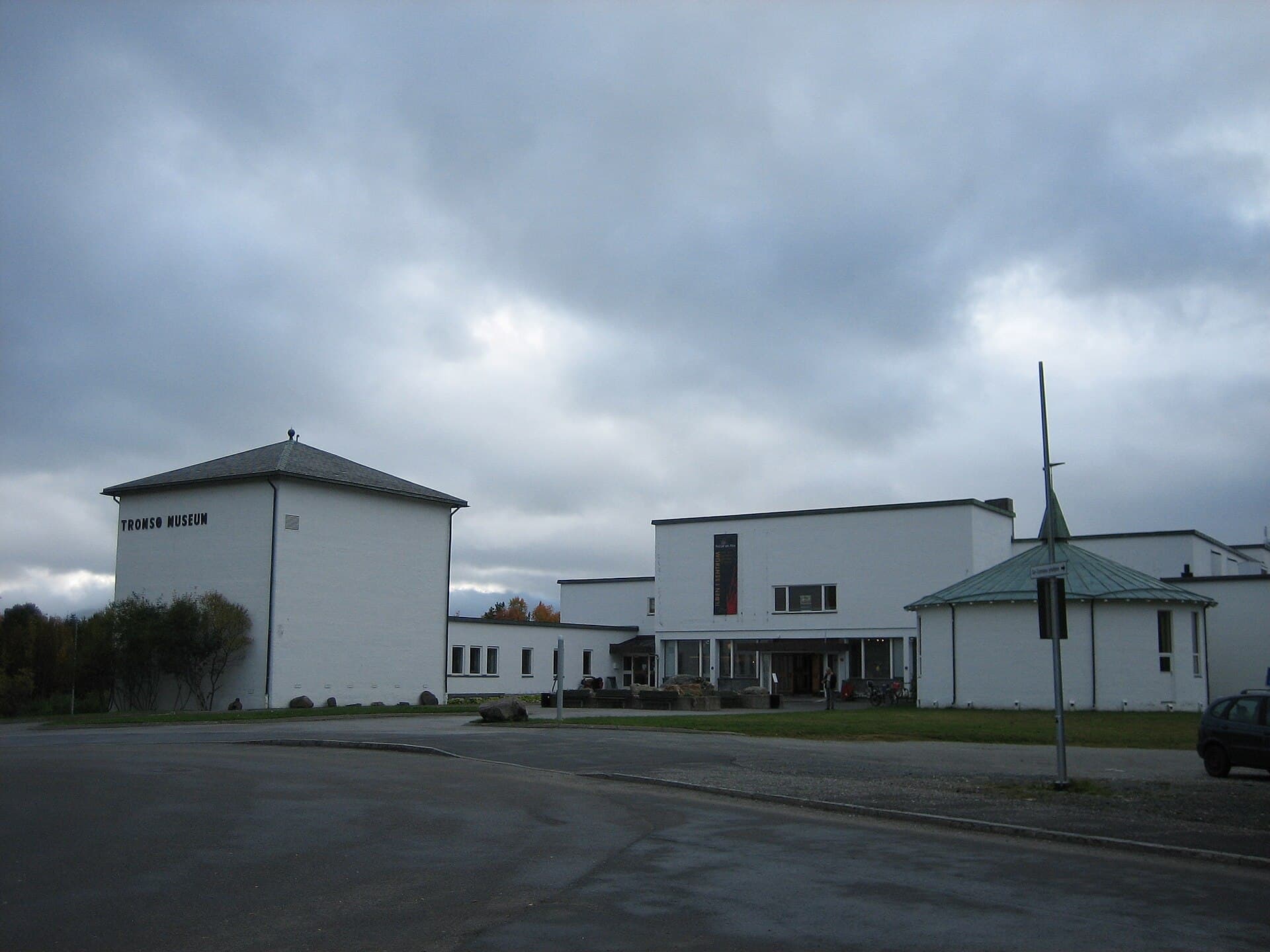 The Arctic University Museum of Natural History & CultureThe Arctic University Museum of Norway is the fullest window onto the Sámi peopl13 minutes walk4.6
That is your judgement. The ship presents the history of marine mammal hunting frankly, and the tools and images may trouble some children. The framing is historical rather than celebratory, but know the subject before going aboard.
The Polaria museum is immediately next door and covers Arctic wildlife, and the university museum in Tromsø explains the north and the Sámi people. The three together give a far better picture of the region than any one alone.