
Dress and lavvu tents
Traditional Sámi culture in detail.
Manxruler — CC BY-SA 3.0 · Harald Groven — CC BY-SA 3.0 · Leonhard Lenz — CC0 · Leonhard Lenz — CC0
The Arctic University Museum of Norway is the fullest window onto the Sámi people — Northern Scandinavia's indigenous population who lived reindeer herding and Arctic hunting for thousands of years before any modern state — with colourful traditional dress displays, lavvu tents and genuine herding tools, alongside complete Arctic nature: migratory birds, whales and rare tundra plants. The archaeology section displays pieces from thousand-year-old Sámi sites discovered locally, the geology section explains Tromsø's mountains' glacial formation across ages — the museum is part of Tromsø University itself, the geographically largest university on earth. Its neighbouring Arctic Botanical Garden (free, practically summer-only) displays rare alpine and polar plants tolerating frost — a calm addition for those wanting to finish their day with a short green walk after the museum.
Traditional Sámi culture in detail.
Rare tundra plants, free entry.
Lars Thørings veg 10, 9006 Tromsø
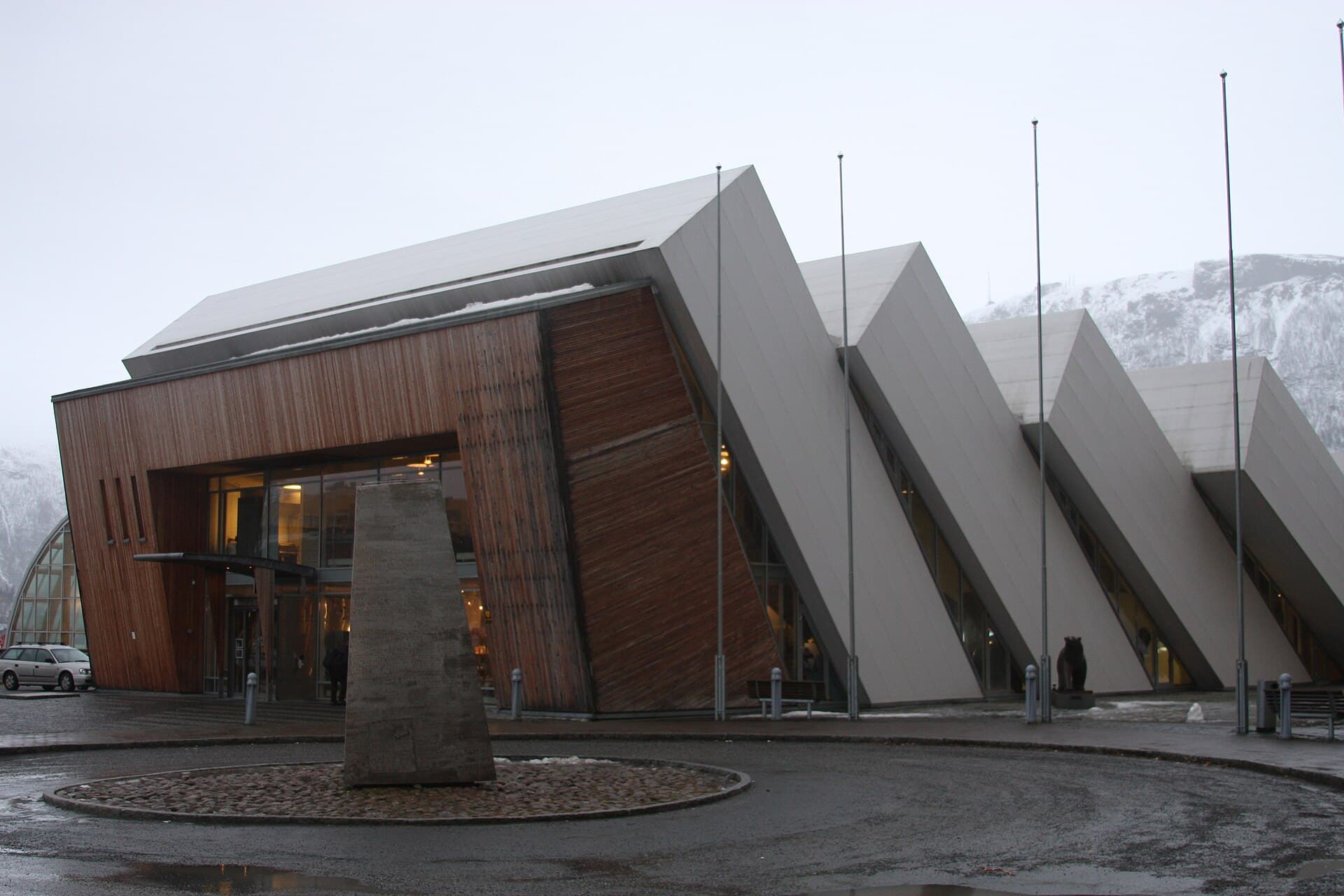 Polaria — the Arctic Experience CentrePolaria is Tromsø's modern face to the frozen ocean: a futuristic building (19985 minutes walk3.9
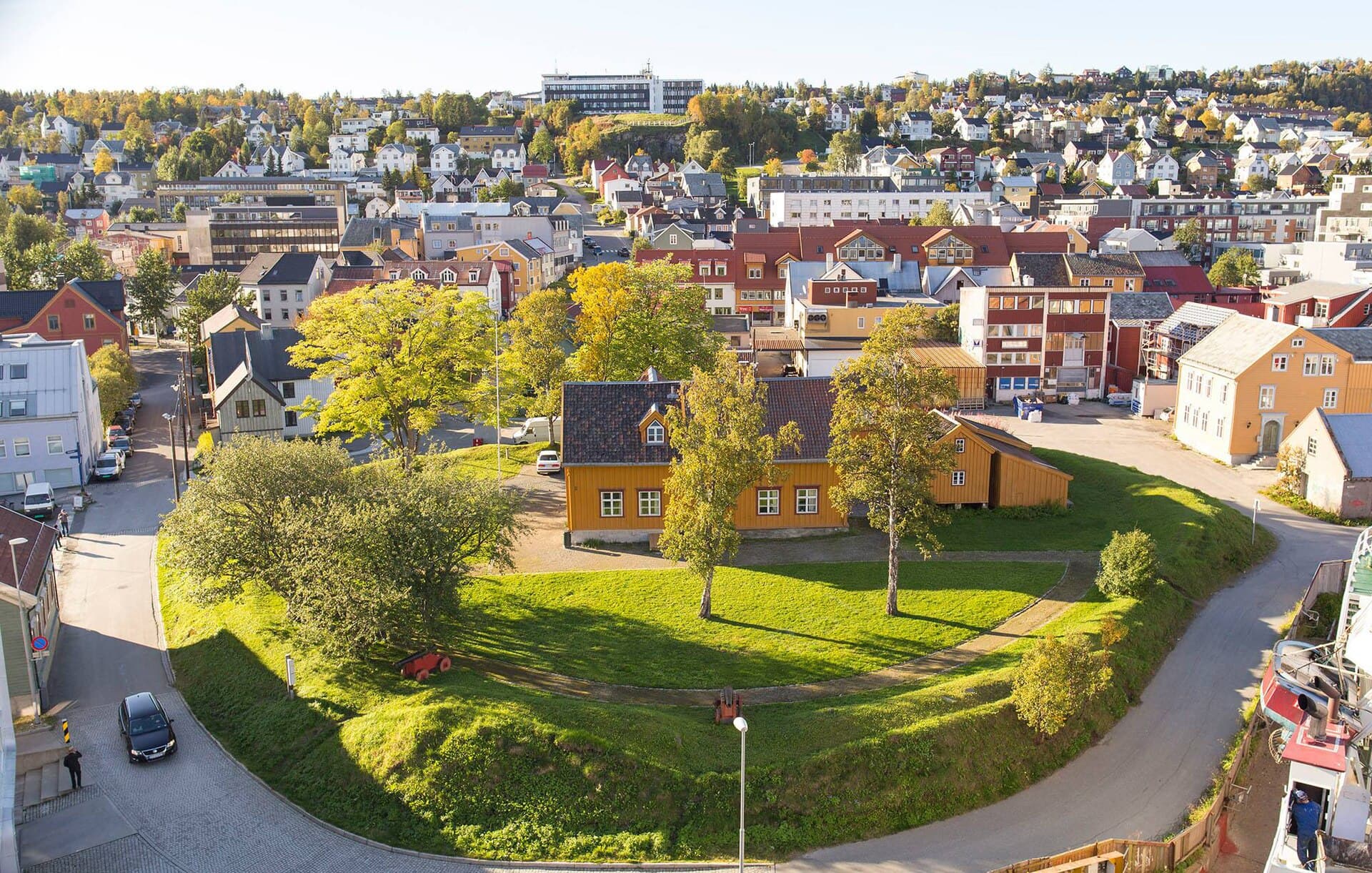 Skansen, Tromsø's Oldest BuildingSkansen is an old earthwork on Tromsø's waterfront, and on it stands the oldest 5 minutes walk4.3
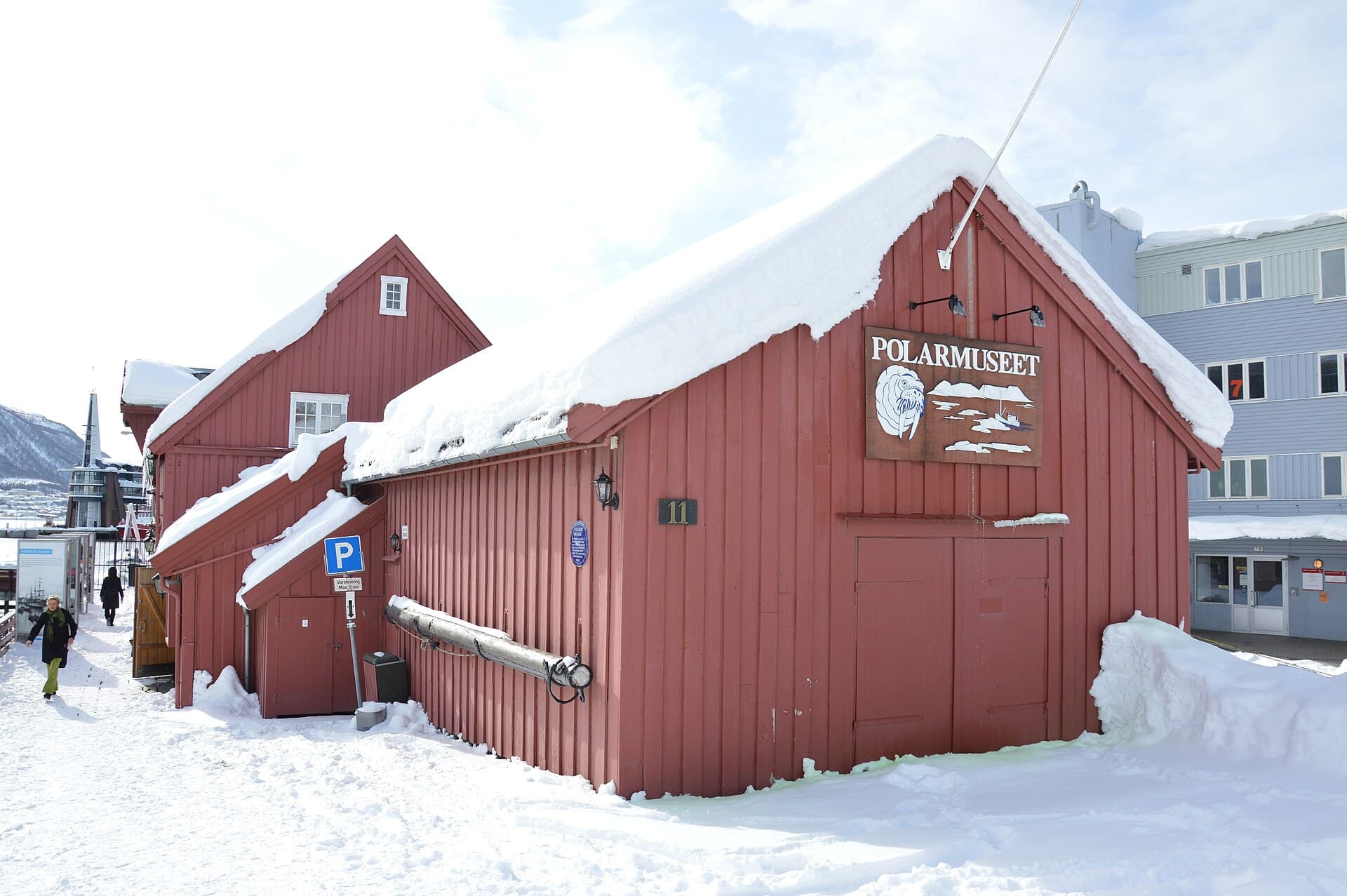 The Polar MuseumThe Polar Museum tells Tromsø's true heroic story: an old wooden customs warehou5 minutes walk4.5
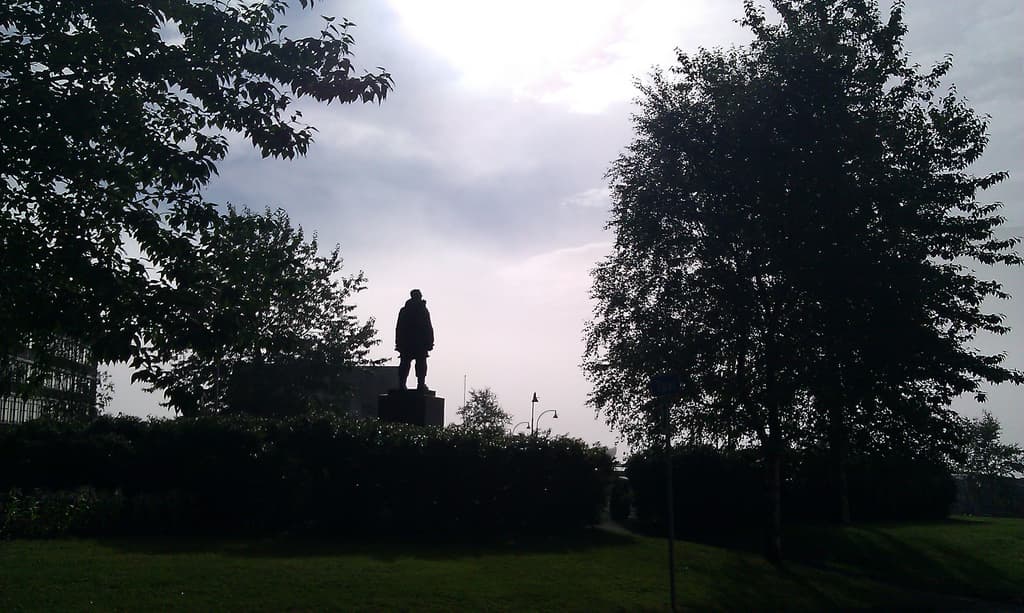 The Roald Amundsen MonumentAmundsen's bronze monument on Tromsø's harbour commemorates the last voyage of N7 minutes walk4.5
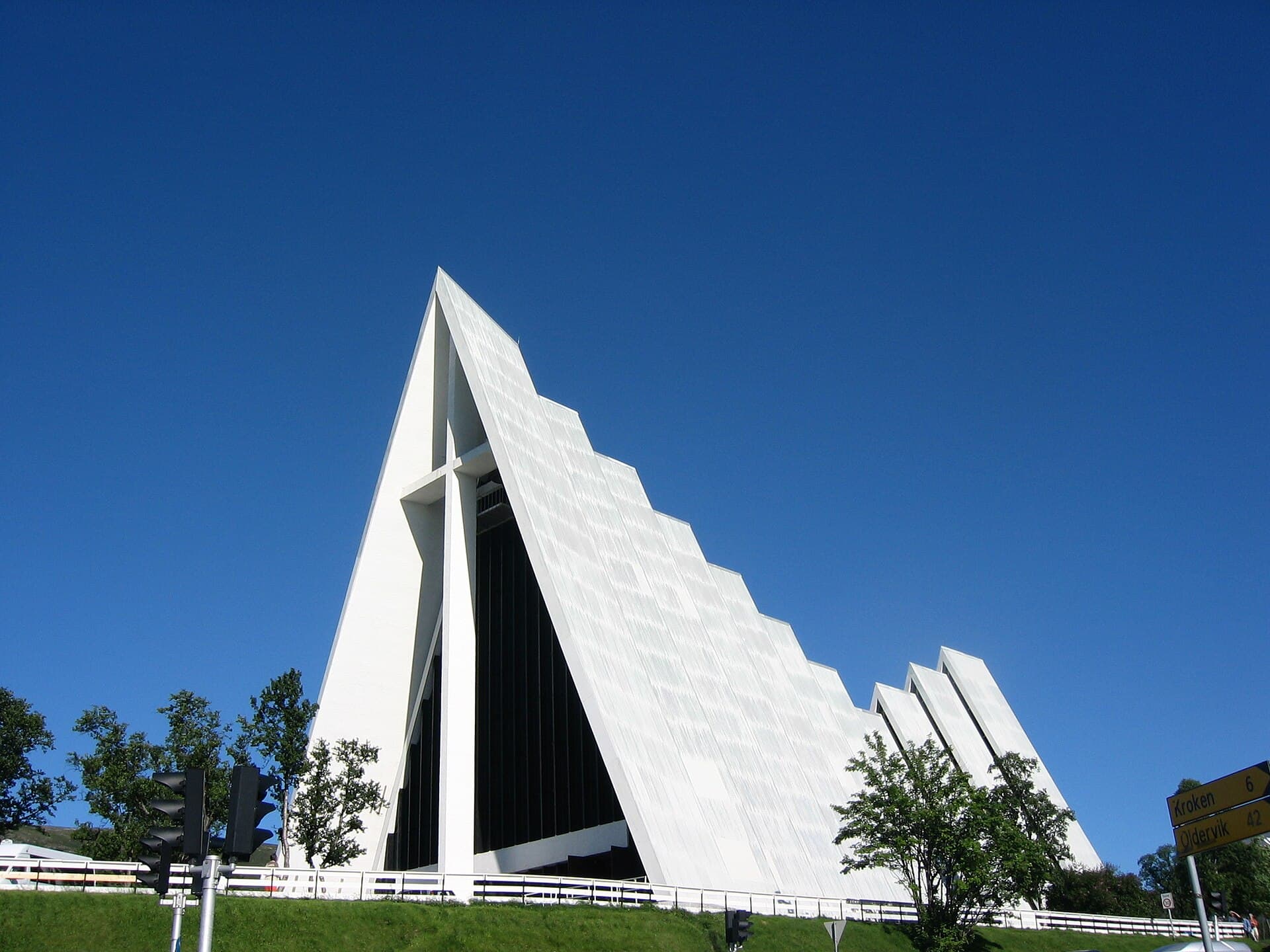 The Arctic CathedralThe Arctic Cathedral is Tromsø's globally iconic building: successive white conc7 minutes walk4.2
Indigenous population of northern Norway, Sweden, Finland and Russia's Kola Peninsula — numbering tens of thousands today, preserving their language, reindeer herding and cultural rights through an elected Sámi parliament officially recognised in Norway since 1989. Their history saw discrimination and cultural suppression in the twentieth century (their language banned in schools) before belated official recognition and a government apology — the museum tells this full story with rare honesty.