
The Rotonda itself, free
The circular colonnade and its public garden are open to all without a ticket — the quietest and most photogenic thing in the neighbourhood.
Parsifall — CC BY-SA 4.0 · [[User:|User:]] — CC BY-SA 4.0 · Maurizio Giuliano — CC BY-SA 4.0 · Phyrexian — CC BY-SA 4.0
Beneath the lawn where children now run, catacombs once held something like 150,000 of Milan's poor. The Rotonda della Besana — that circular arcaded enclosure raised between 1695 and 1732 — was never designed as a garden or a museum. It was a cemetery serving the city's Ospedale Maggiore, with a small church at its centre, San Michele ai Sepolcri, long since deconsecrated. Burials moved outside the walls in 1787, and the building drifted through a run of unglamorous jobs — stable, barn, ward for the chronically ill, laundry — until it passed to the city around the middle of the last century. Since 2014 one wing has housed MUBA, Milan's children's museum. And here a warning is owed: MUBA is not a museum in the sense most travellers expect. There is no permanent collection, no suite of rooms to drift through, nothing behind a rope. What it offers is pre-booked hands-on workshops at fixed entry times and strictly capped numbers, led by trained educators, each session running roughly 75 minutes. It serves children from about twelve months to eleven years, with the sweet spot between three and eight. Its best-known programme, Remida, spreads out heaps of offcuts rescued from factories — paper, tubing, coloured scraps — and lets children build whatever they like with the lightest possible steering. Practically: Tuesday to Friday belongs to school groups, and families get weekends and public holidays, usually with entries at 10:00, 11:30, 14:30 and 16:00, plus a single 17:00 entry on some non-holiday Fridays. Monday it is shut altogether. Booking online is effectively mandatory; next month's tickets go on sale at the end of the current one and vanish fast around school holidays. The accompanying adult pays too. As for language, guidance is mostly in Italian, though the hands-on format lowers the barrier more than you would guess, and staff will reportedly help in English where they can — just don't expect a fully translated session. The verdict is blunt. With no child under about eleven in your party, there is no reason to buy a ticket at all. But the Rotonda's garden is public, free and open to everyone, and its circular colonnade is one of the calmest, least tourist-trodden corners in Milan — worth ten minutes even if you wander in alone. It sits about ten minutes' walk from Crocetta on the yellow M3 line, and around fifteen from Porta Romana on the same line, in a quiet residential pocket with small cafés for parents waiting out a session.
The circular colonnade and its public garden are open to all without a ticket — the quietest and most photogenic thing in the neighbourhood.
No glass cases and no wall texts: children build with their hands from salvaged factory materials, with educators who deliberately hold back.
Guidance is mostly Italian, but the activity is physical by nature, so a non-Italian-speaking child still engages, and staff are said to help in English where they can.
Via Enrico Besana 12, 20122 Milan MI, Italy
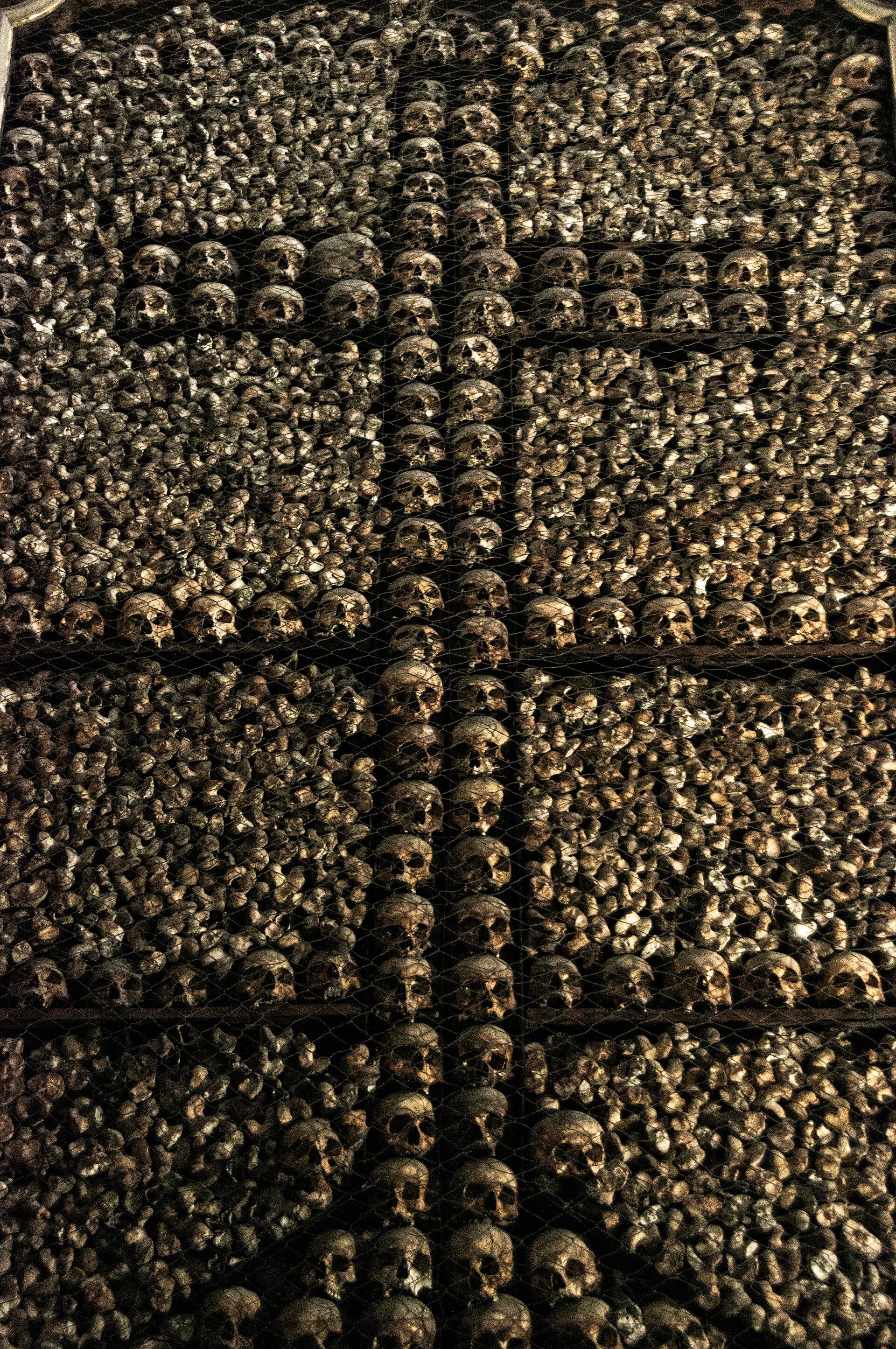 San Bernardino alle Ossa (the Bone Chapel)Five minutes from the Duomo, behind a door nobody notices, is a small room whose10 minutes walk4.7
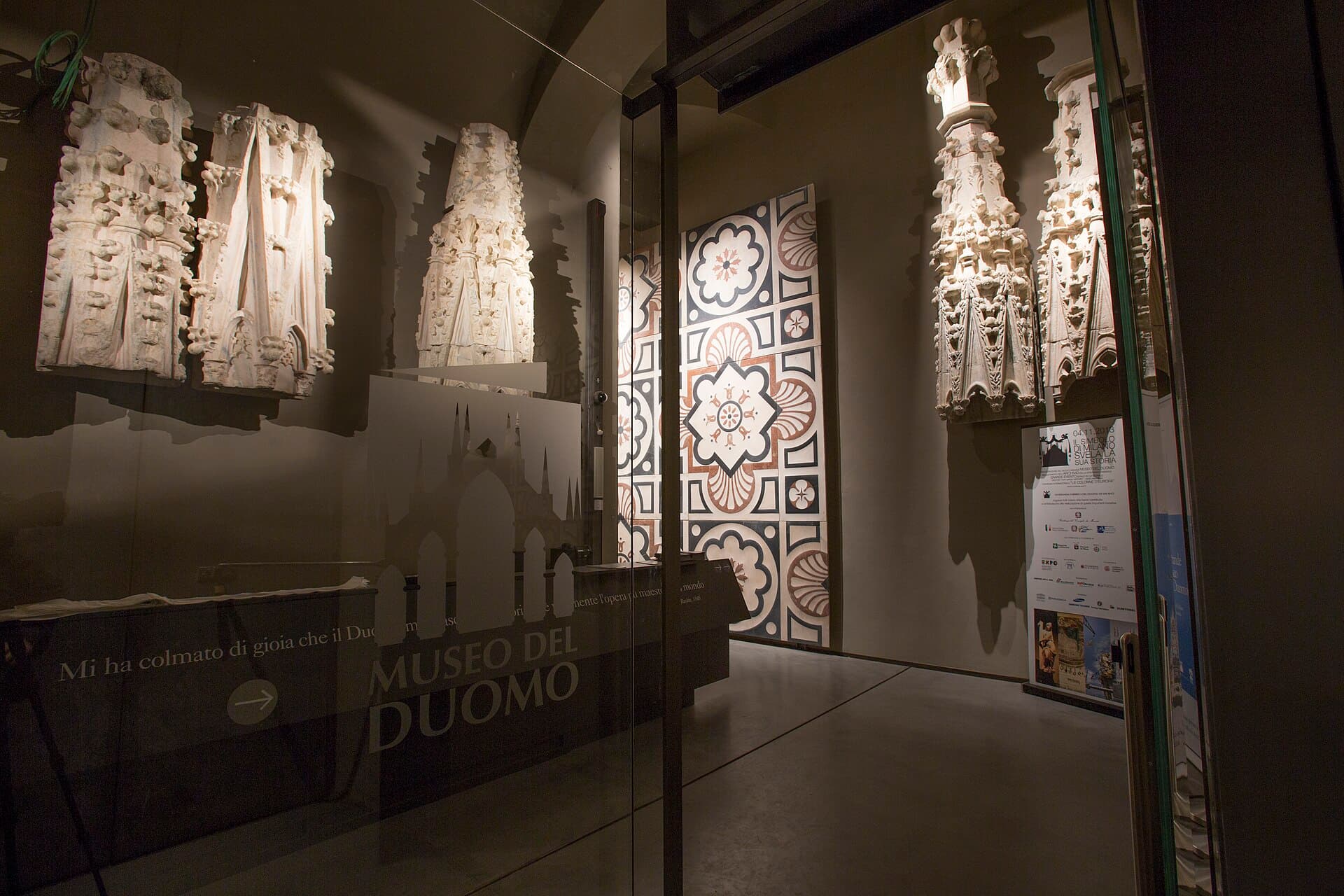 Duomo MuseumThe Duomo Museum in the neighbouring Royal Palace is the cathedral's six-century14 minutes walk4.4
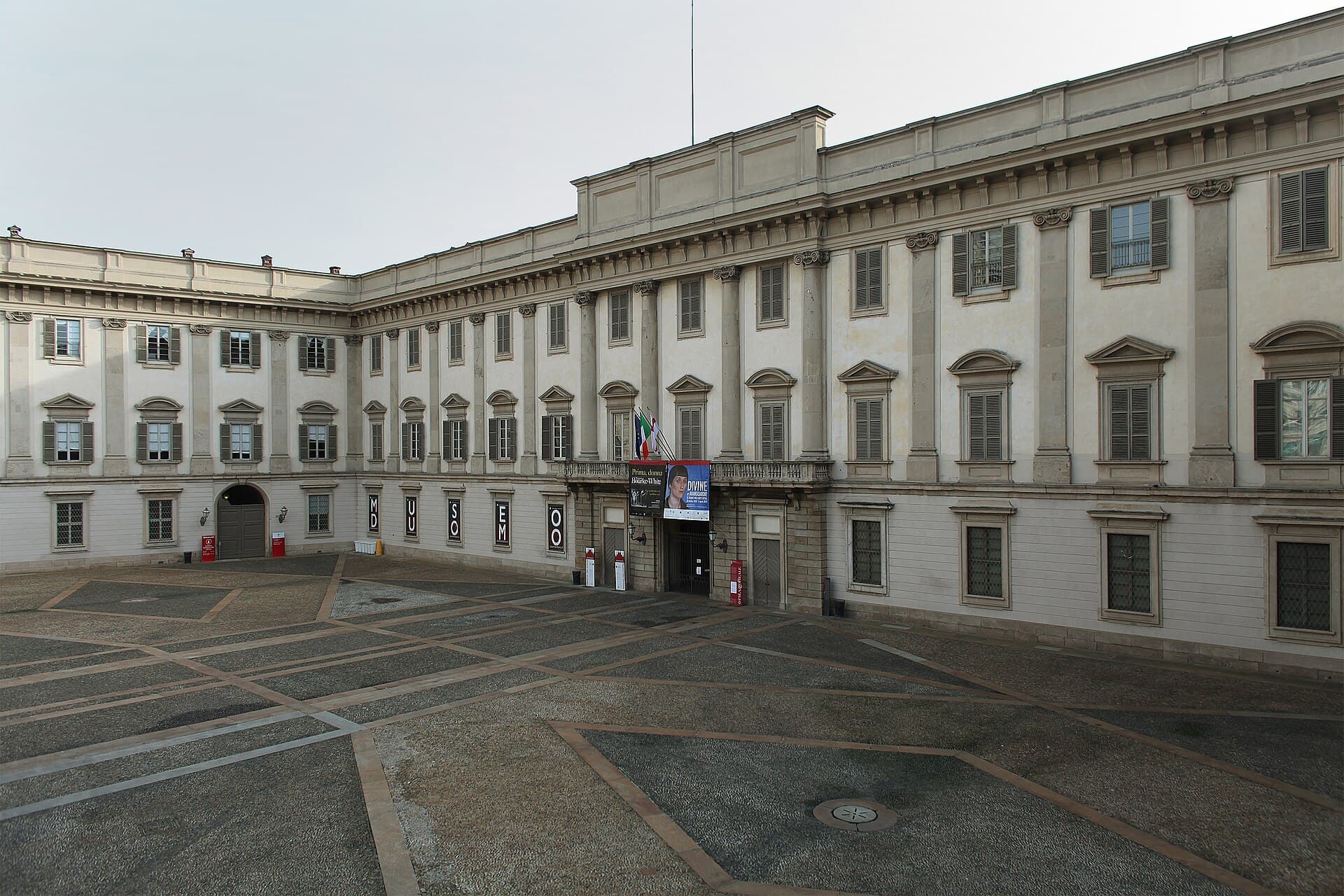 Palazzo Reale MilanThe Royal Palace beside the Duomo housed Milan's rulers for six centuries — city14 minutes walk4.7
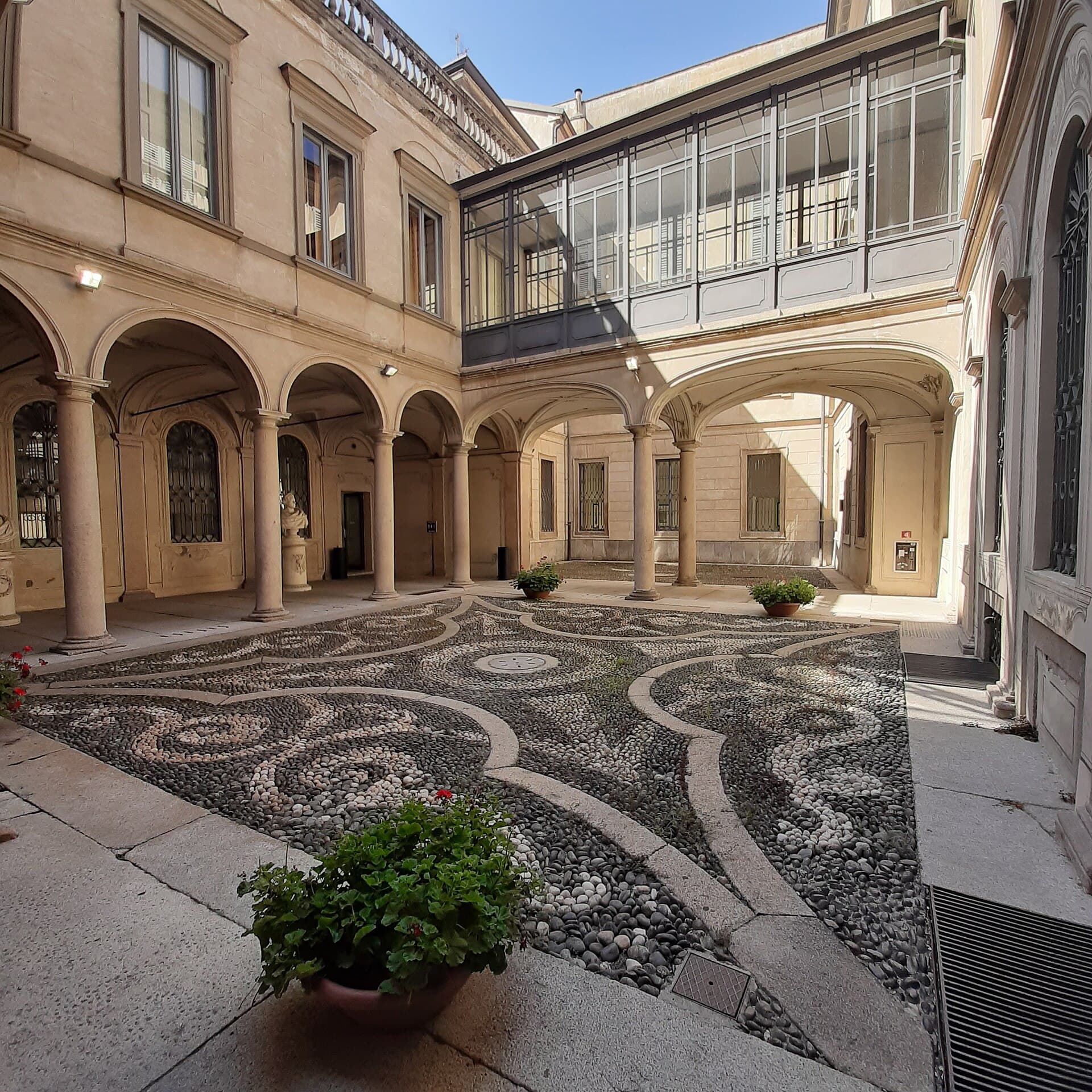 Palazzo MorandoAn eighteenth-century palace in the heart of Milan's fashion district, holding a15 minutes walk4.4
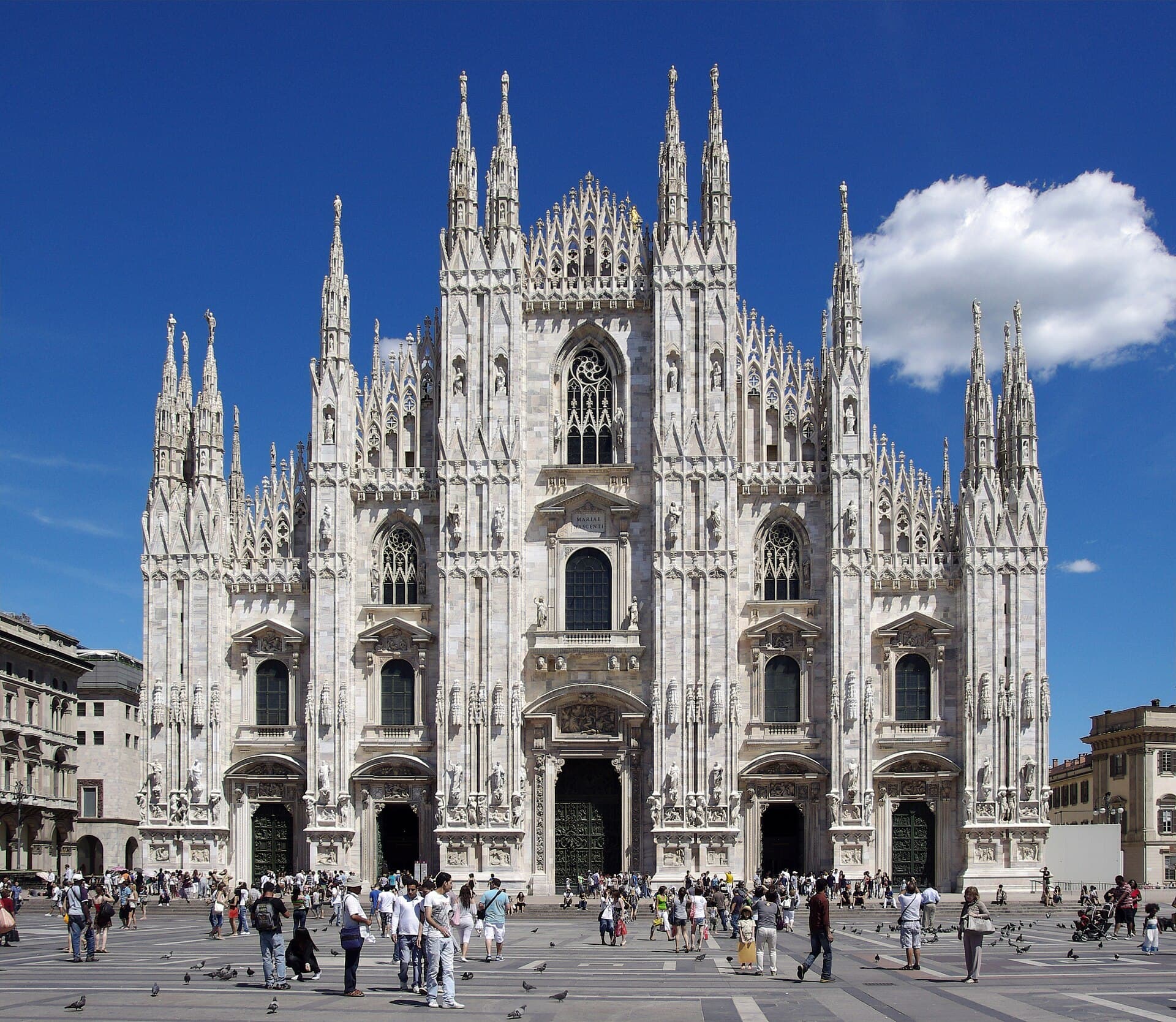 Milan Cathedral (Duomo)Milan's Duomo is Italy's largest Gothic cathedral and the most embroidered build15 minutes walk4.9
Yes, provided the child is the right age. The sessions run on handling and building far more than on explanation, and a child between three and eight engages almost without words. Be realistic, though: spoken guidance is in Italian and English help goes only so far, so a child who needs detailed instructions to feel secure may spend the first ten minutes lost.
No. With no child under eleven, the ticket buys you nothing, and you won't be free to wander because there is nothing to wander through. The one exception is the building: walk into the free Rotonda garden, take ten minutes around the colonnade, then carry on to Porta Romana or the nearby Largo Marinai d'Italia park.