
Walls composed of bone
Thousands of skulls and long bones set straight into the plaster as frames, crosses and pilasters — not in display cases.
Julian Lupyan — CC0 · Julian Lupyan — CC0 · Julian Lupyan — CC0 · Melancholia~itwiki — CC BY-SA 4.0
Five minutes from the Duomo, behind a door nobody notices, is a small room whose walls look back at you. Thousands of skulls and femurs are set into the plaster itself — not behind glass, not in museum cases, but arranged with real care into frames, crosses, pilasters and monograms. The strange part is that it is less frightening than it is meticulous: someone stood here three and a half centuries ago and organised the dead into geometry. And above it all, on the ceiling, floats a pink-and-blue sky that Sebastiano Ricci painted in 1695 and filled with flying angels, so the room seems to argue with itself. It began in 1210, when the cemetery beside the neighbouring hospital ran out of space and a small chamber was built to collect the bones; a church followed in 1269. What you see today is much later: the room was redesigned in 1679, when Giovanni Andrea Biffi had the bones set into the walls as decoration, and Ricci's vault was painted sixteen years after that. A fire in 1712 destroyed most of the church, and the architect Carlo Giuseppe Merlo rebuilt it on a central, octagonal plan by 1717, leaving the old ossuary chapel attached to its side. The people whose bones these are were not martyrs, whatever the old local legend says — they were patients from the Brolo hospital, prisoners executed or dead in the city jails, and canons of the basilica next door. That ordinary truth makes the room heavier, not lighter. Entry is completely free: no ticket, no queue, no reception desk. The visit itself needs about fifteen minutes — you step into the church, turn right into the side chapel, stand for a few minutes, and leave. That is precisely the point. It is one of the very few things in central Milan that gives you something unforgettable without costing a euro or half a day. Because it is small and barely marketed, it is usually close to empty, even at the height of summer when the Duomo terraces a few streets away are solid with queues. Remember that it is a working place of worship rather than a museum: keep your voice down, no flash, and be considerate of anyone praying. The ossuary chapel is closed on Sundays even though the church opens in the morning. With small children, use your judgement — some treat it as a thrilling adventure, others remember it in the wrong way for a while. The location makes it easy to fold into a walk: Santo Stefano is right next door, the Duomo and the Royal Palace are minutes away, and the streets around Via Verziere are full of cafés and lunch options if you want to sit down afterwards.
Thousands of skulls and long bones set straight into the plaster as frames, crosses and pilasters — not in display cases.
Sebastiano Ricci's 1695 Triumph of Souls in a Flight of Angels: a blue sky full of flying angels floating over a room made of the dead.
No queue and usually no crowd, two streets from the ticket lines at the Duomo.
Via Carlo Giuseppe Merlo 4 (Piazza Santo Stefano), 20122 Milan, Italy
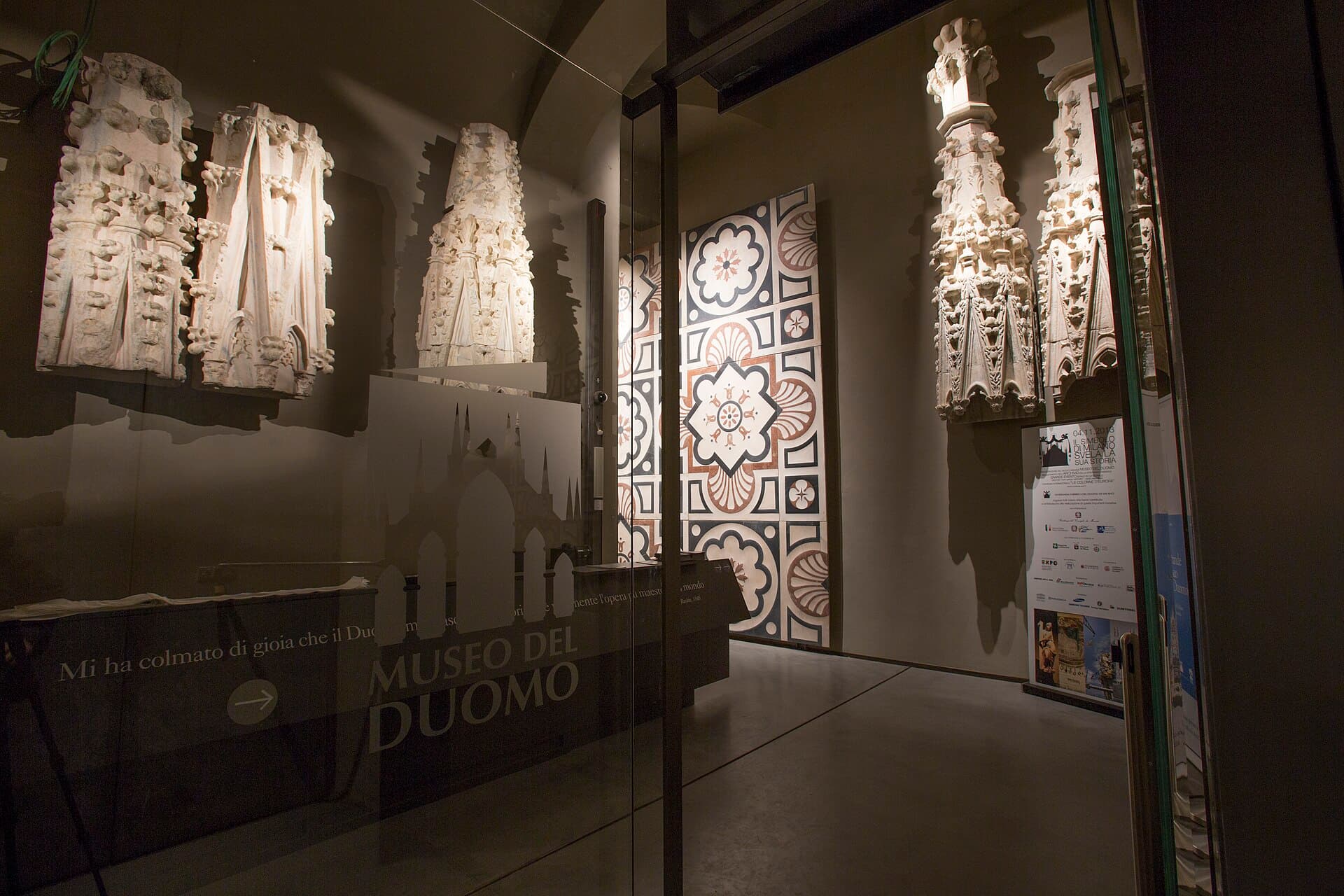 Duomo MuseumThe Duomo Museum in the neighbouring Royal Palace is the cathedral's six-century4 minutes walk4.4
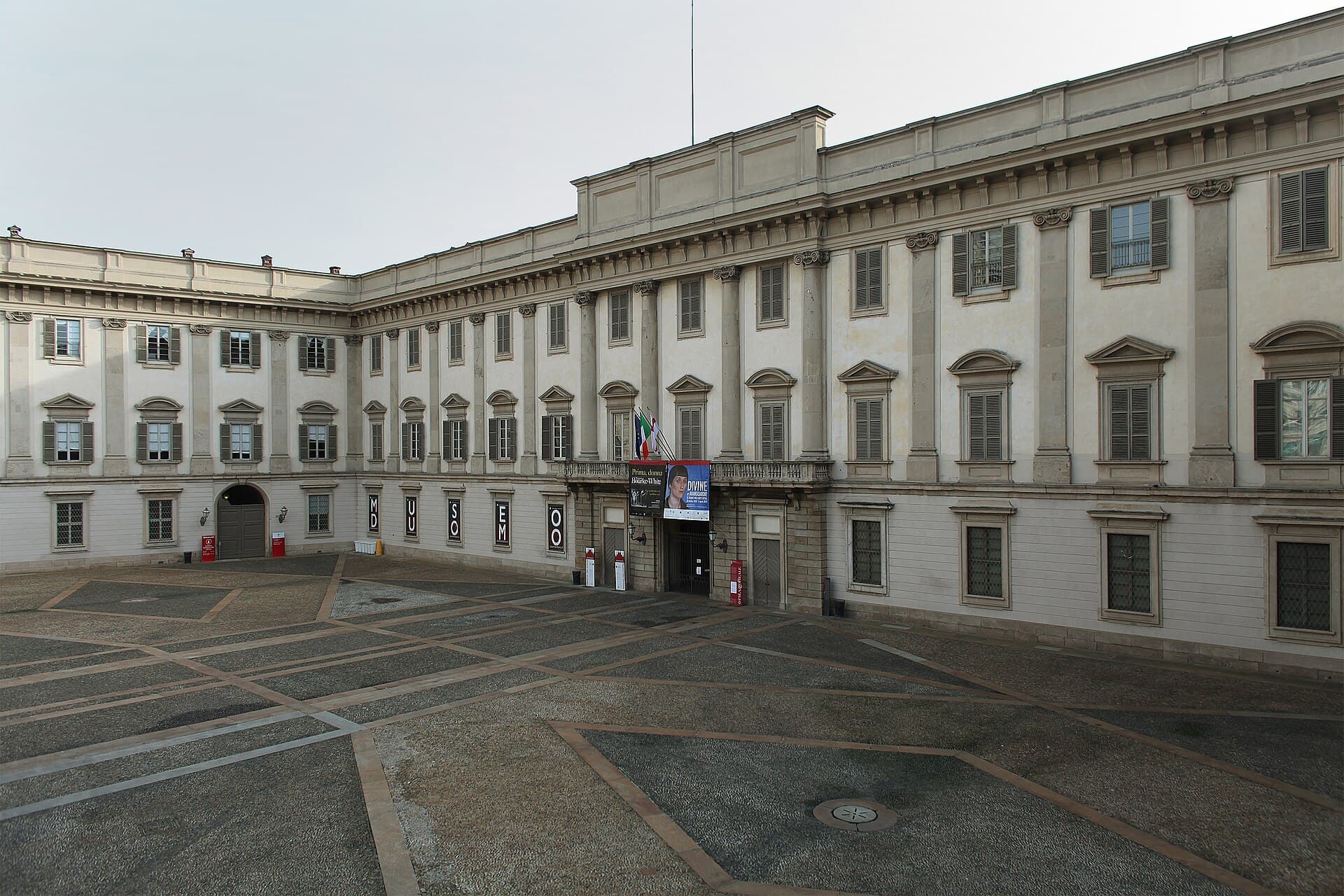 Palazzo Reale MilanThe Royal Palace beside the Duomo housed Milan's rulers for six centuries — city4 minutes walk4.7
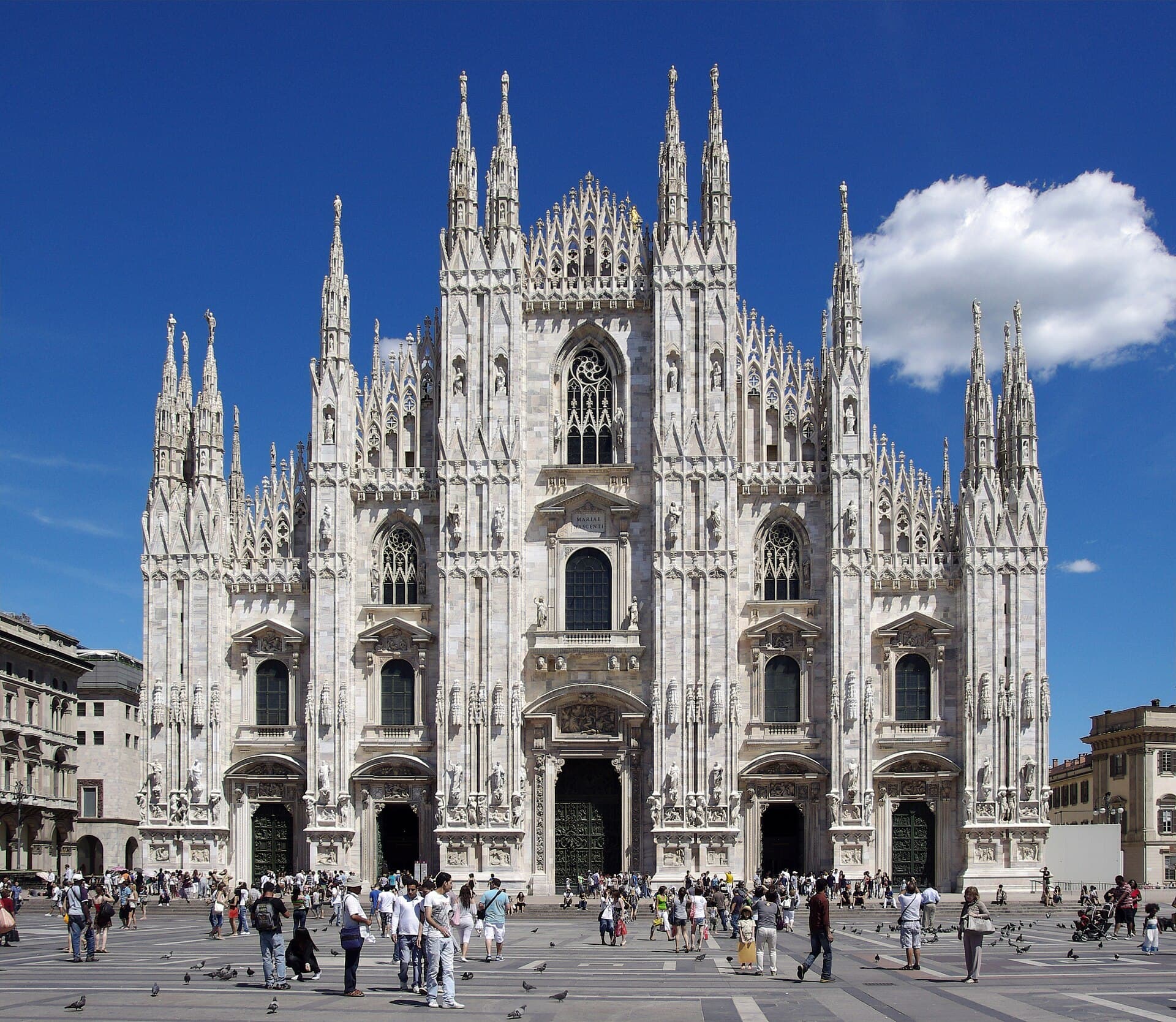 Milan Cathedral (Duomo)Milan's Duomo is Italy's largest Gothic cathedral and the most embroidered build5 minutes walk4.9
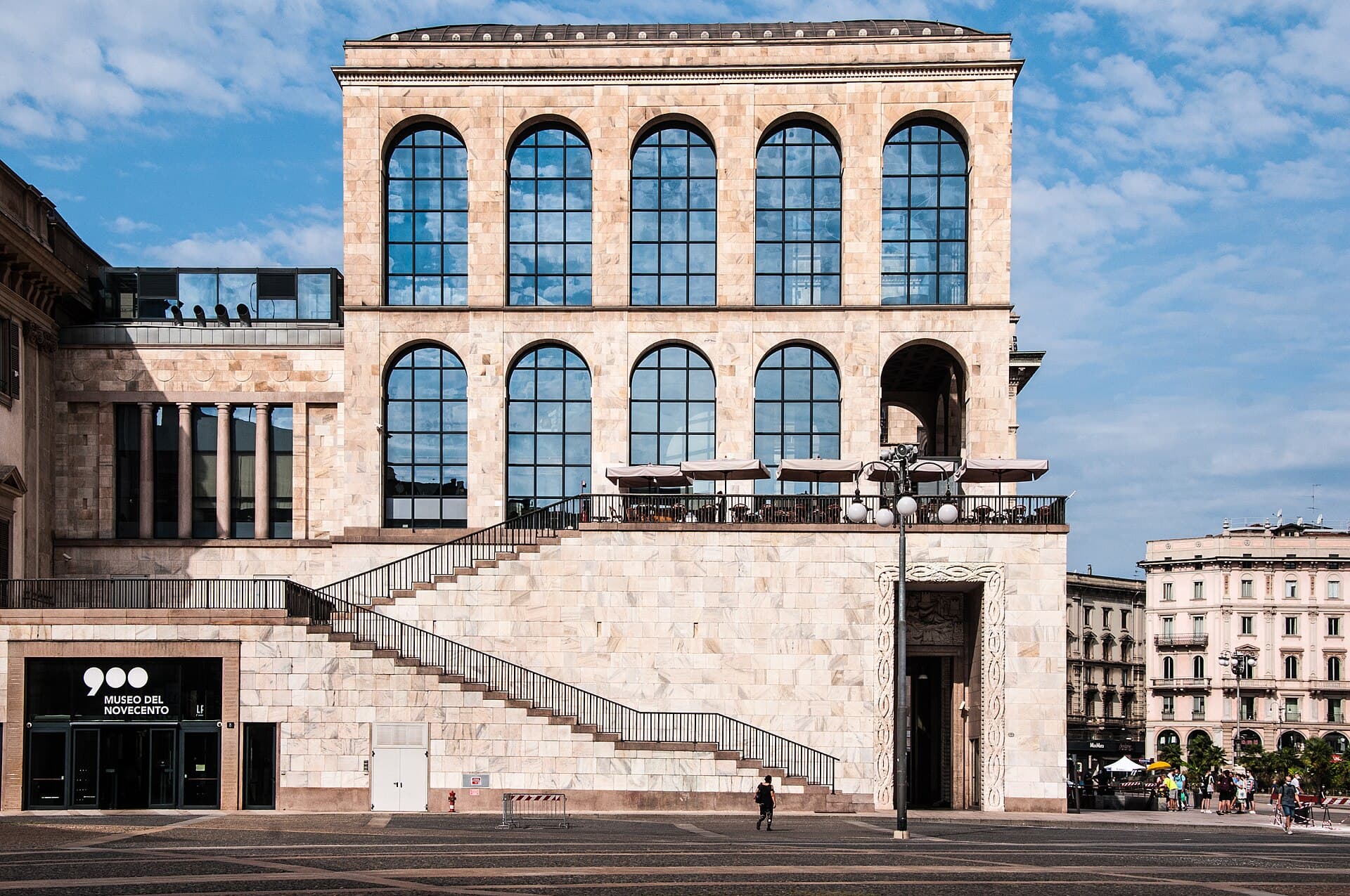 Museo del NovecentoOn the edge of Piazza del Duomo, inside a severe stone building begun in the lat5 minutes walk4.6
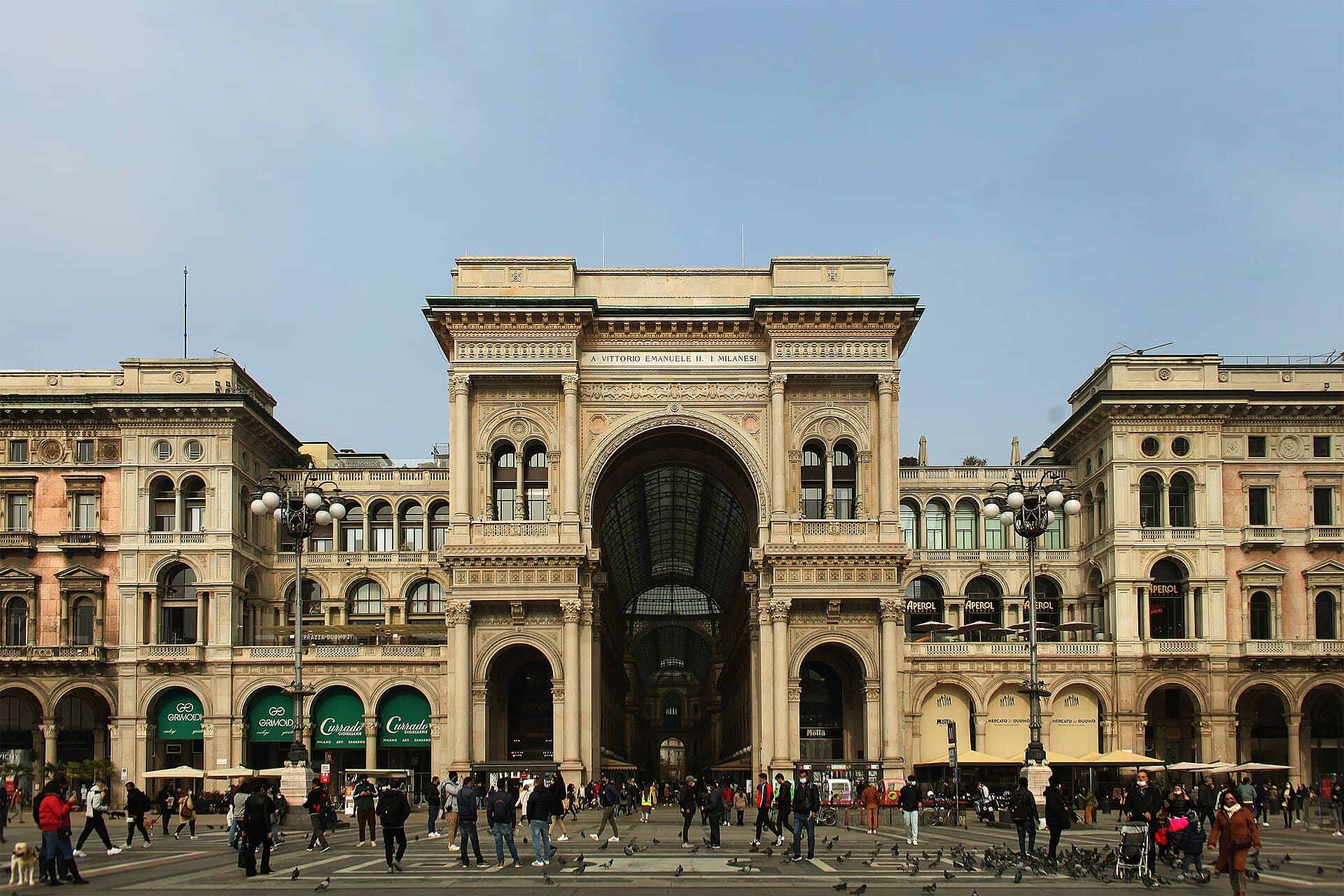 Galleria Vittorio Emanuele II"Milan's drawing room", its people call it: a covered arcade of 1877 linking the7 minutes walk4.6
Yes, but for a completely different reason. The Paris catacombs are a long underground walk that trades on scale, distance, tickets and queues. This is one small room you enter free from the street and leave a quarter of an hour later. The effect is not volume, it is contradiction: elegant decoration made of human bones under a ceiling of pink angels. If you want a bigger Paris, you will be disappointed. If you want a sight that resembles nothing else in Milan, take the detour.
It depends on the child, and be honest with yourself about which one you have. The room is small, well lit and quickly seen, and nothing about it is staged to frighten — no dramatic lighting, no effects. Still, these are real skulls covering the walls, and many children under ten need a word of preparation first; some are happier waiting in the main church. Teenagers, on the other hand, often remember it as the single best thing they saw in Milan.