
The lattice skin
Lace-like concrete with light and sea showing through — an icon of new French architecture.
Olena Ilnytska — CC BY-SA 4.0 · Holger Uwe Schmitt — CC BY-SA 4.0 · Holger Uwe Schmitt — CC BY-SA 4.0 · Holger Uwe Schmitt — CC BY-SA 4.0
The MuCEM is modern Marseille's emblem: a great cube at the harbour mouth wrapped in lace-like perforated concrete, built in 2013 when the city was European Capital of Culture — France's first national museum outside Paris. Its subject is the civilisations of the whole Mediterranean — Arab and Islamic civilisation naturally among them — from agriculture and religions to cities and migration, in collections and exhibitions that keep changing. But half the visit is the building itself: you climb its outer ramps between the concrete lattice and the sea, then cross a high suspended footbridge to the neighbouring Fort Saint-Jean — and the ramps, bridges and roof are all free, no ticket needed.
Lace-like concrete with light and sea showing through — an icon of new French architecture.
A high walkway over the water to Fort Saint-Jean — Marseille's finest crossing.
Both shores' civilisations together — the Arab world in its natural place.
An open roof over the harbour mouth and the striped cathedral.
1 Esplanade du J4, 13002 Marseille
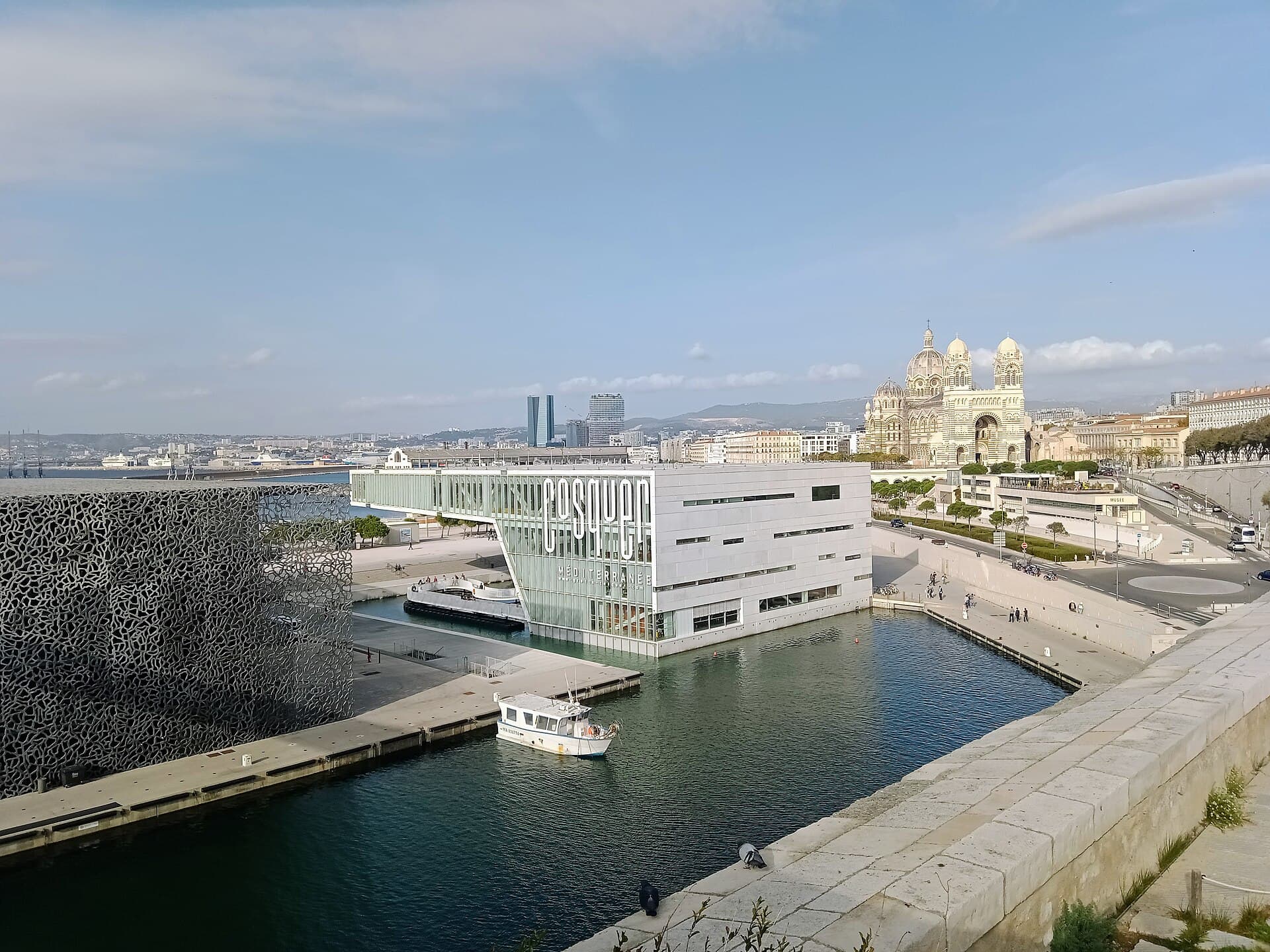 Cosquer MéditerranéeIn 1985 a diver named Cosquer found a drowned entrance beneath a cliff near Mars1 minute walk4.6
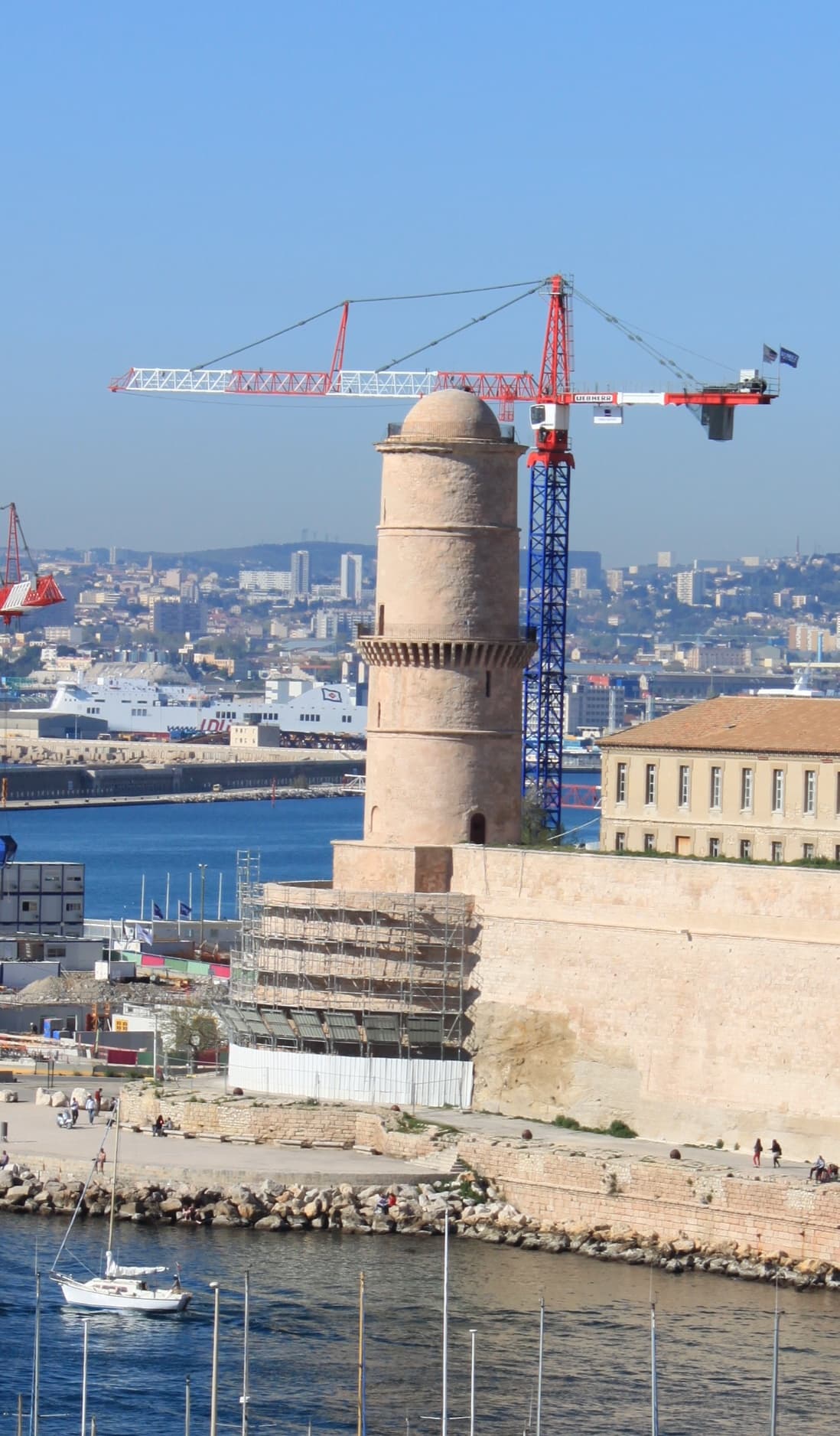 The Tour du FanalA stone tower at the entrance to the Old Port of Marseille, part of Fort Saint-J2 minutes walk4.8
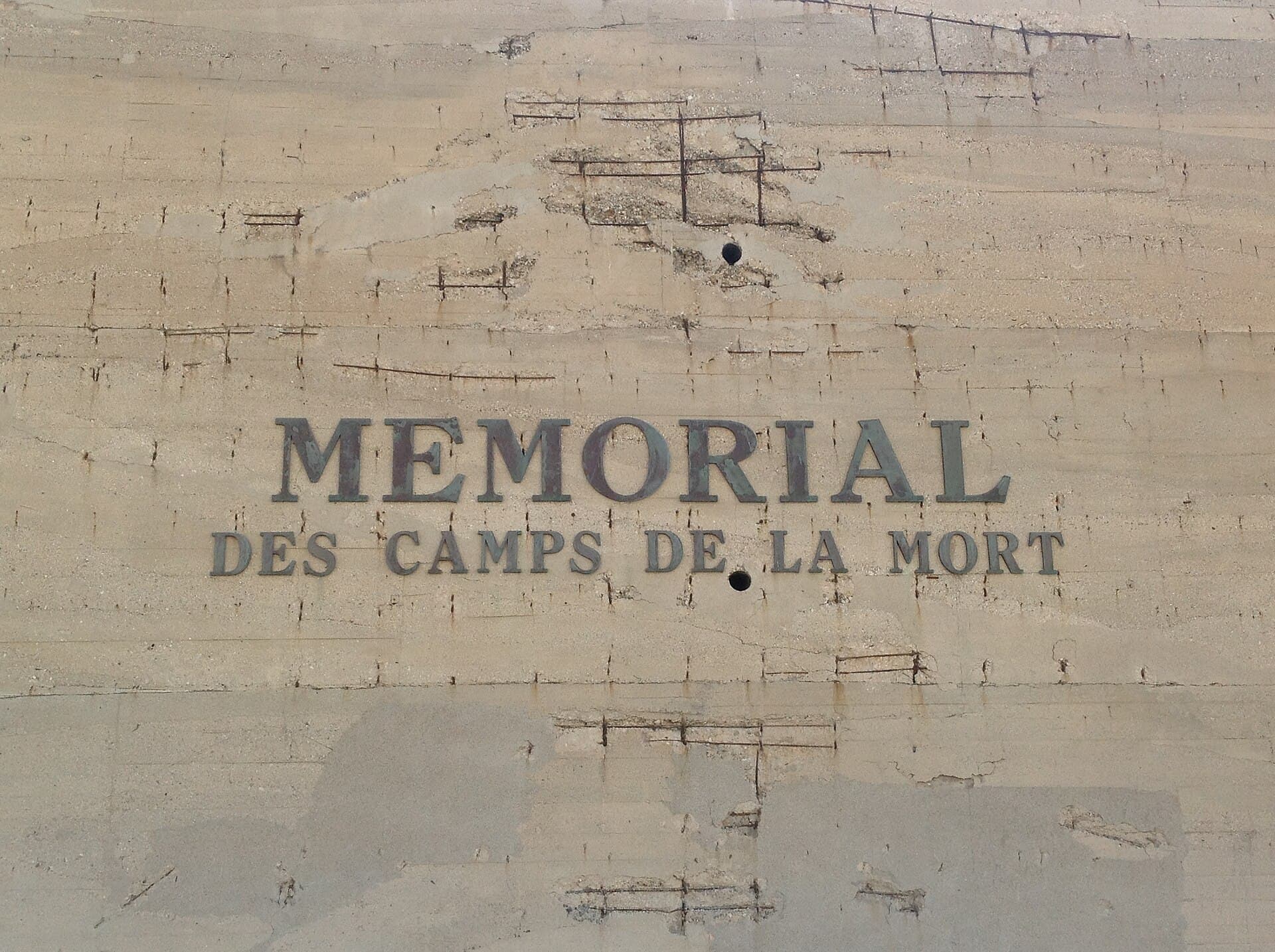 Memorial of the DeportationsA memorial and small museum near the old port, dedicated to the memory of those 2 minutes walk4.5
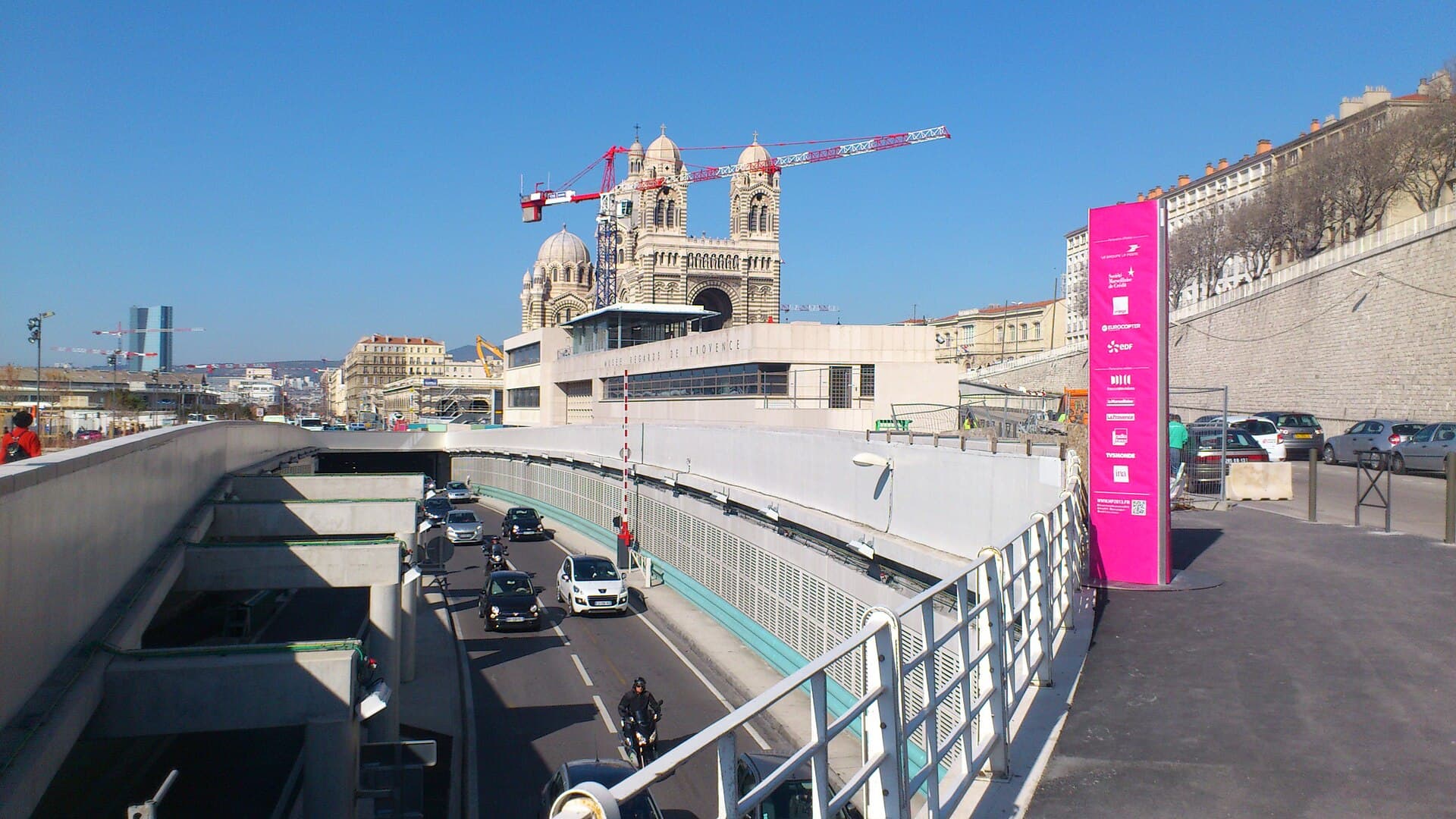 Musée Regards de ProvenceA small, elegant museum right beside the La Major cathedral, and the story of it3 minutes walk4.2
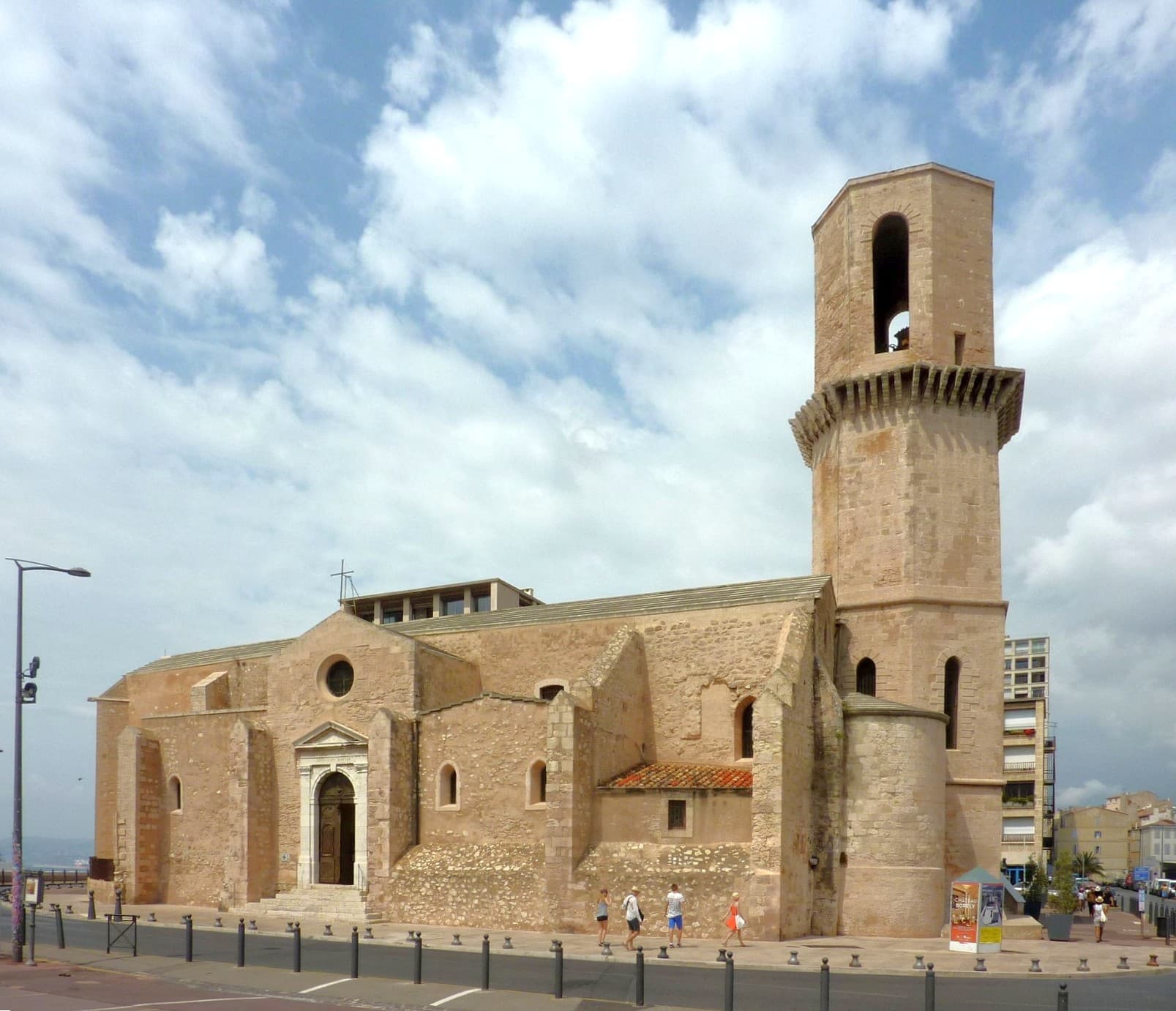 Church of Saint-LaurentA Romanesque church of the twelfth and thirteenth centuries on a rocky rise betw3 minutes walk4.3
With an hour, the free circuit satisfies and impresses: ramps, bridge, fort and roof. The ticket earns its price if you are a museum person or a major exhibition is on — check what is showing before deciding.
The natural order: Cosquer Méditerranée next door, then MuCEM and its ramps, the bridge to Fort Saint-Jean, and down into the old Panier quarter or the Vieux-Port. That is Marseille's complete afternoon in one kilometre.
The ramps and bridge are an adventure they love, and the fort beyond has running room. The galleries are conventional — keep them short with kids, or stick to the free circuit.