
A quarter dynamited
Several thousand buildings destroyed in Le Panier and the old port in 1943.
13Malik88 — CC BY-SA 3.0 · Chabe01 — CC BY-SA 4.0 · Fred Romero from Paris, France — CC BY 2.0 · Chabe01 — CC BY-SA 4.0
A memorial and small museum near the old port, dedicated to the memory of those deported from Marseille to the concentration and extermination camps during the German occupation. The central event is what happened in January 1943: a mass raid on the Le Panier quarter and the districts around the old port, in which thousands of residents were deported, after which the old quarter was dynamited entirely on German orders — several thousand buildings destroyed. It was collective punishment and the erasure of a quarter regarded as a centre of resistance and shelter. The memorial occupies an old defensive structure beside the area that was destroyed, and the exhibition inside documents the raid and the deportations through documents, photographs and testimony. Practical points: entry is free as at Marseille's city museums, and hours may be seasonal or limited — check before going. The place is small and the visit is under an hour. The subject is hard and unsuitable for young children. Combine it with the old port and Fort Saint-Jean nearby.
Several thousand buildings destroyed in Le Panier and the old port in 1943.
The raid targeted a quarter seen as a centre of resistance and shelter.
The exhibition rests on documents, photographs and testimony rather than objects.
Near Fort Saint-Jean and the old port, Marseille
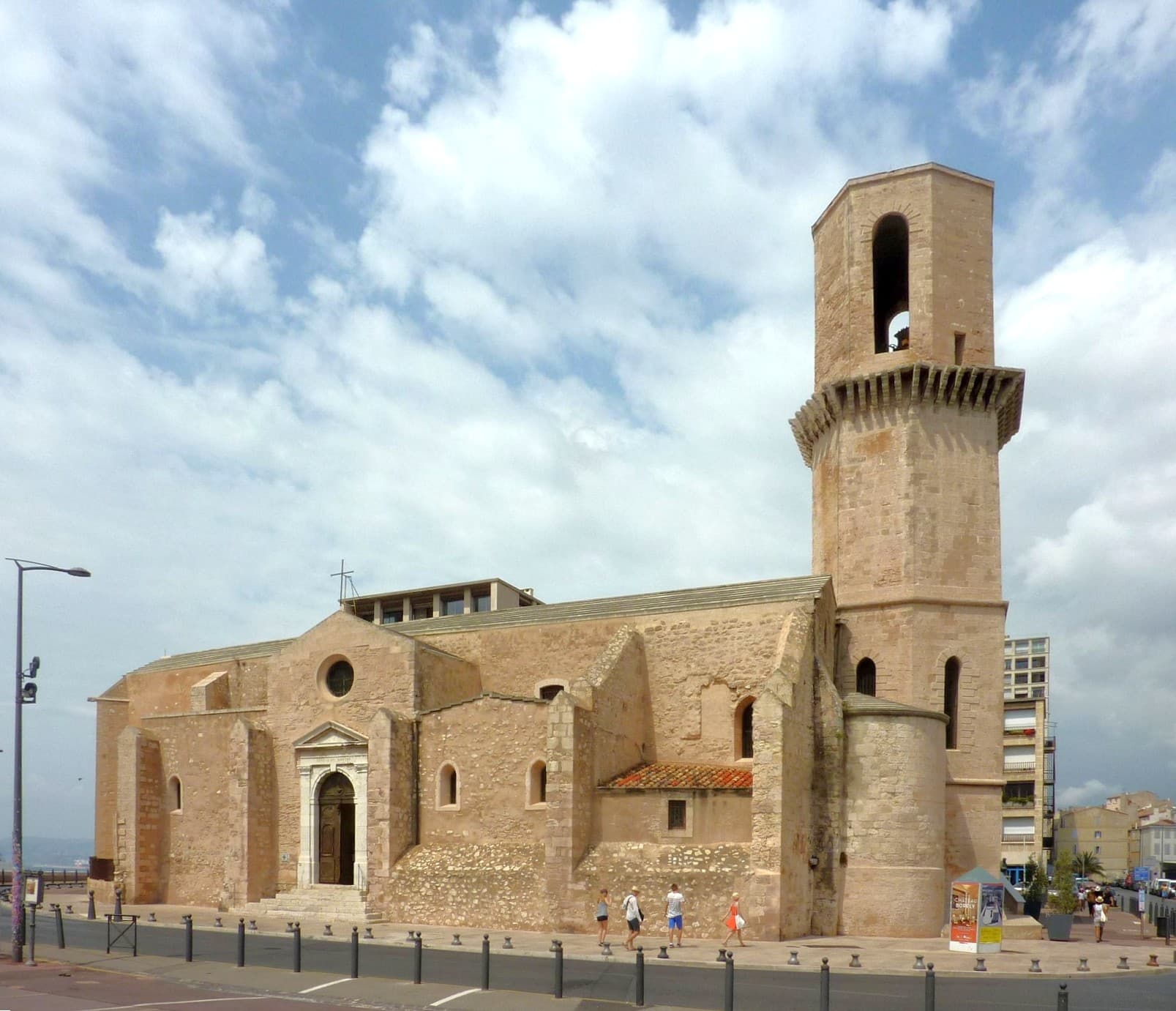 Church of Saint-LaurentA Romanesque church of the twelfth and thirteenth centuries on a rocky rise betw1 minute walk4.3
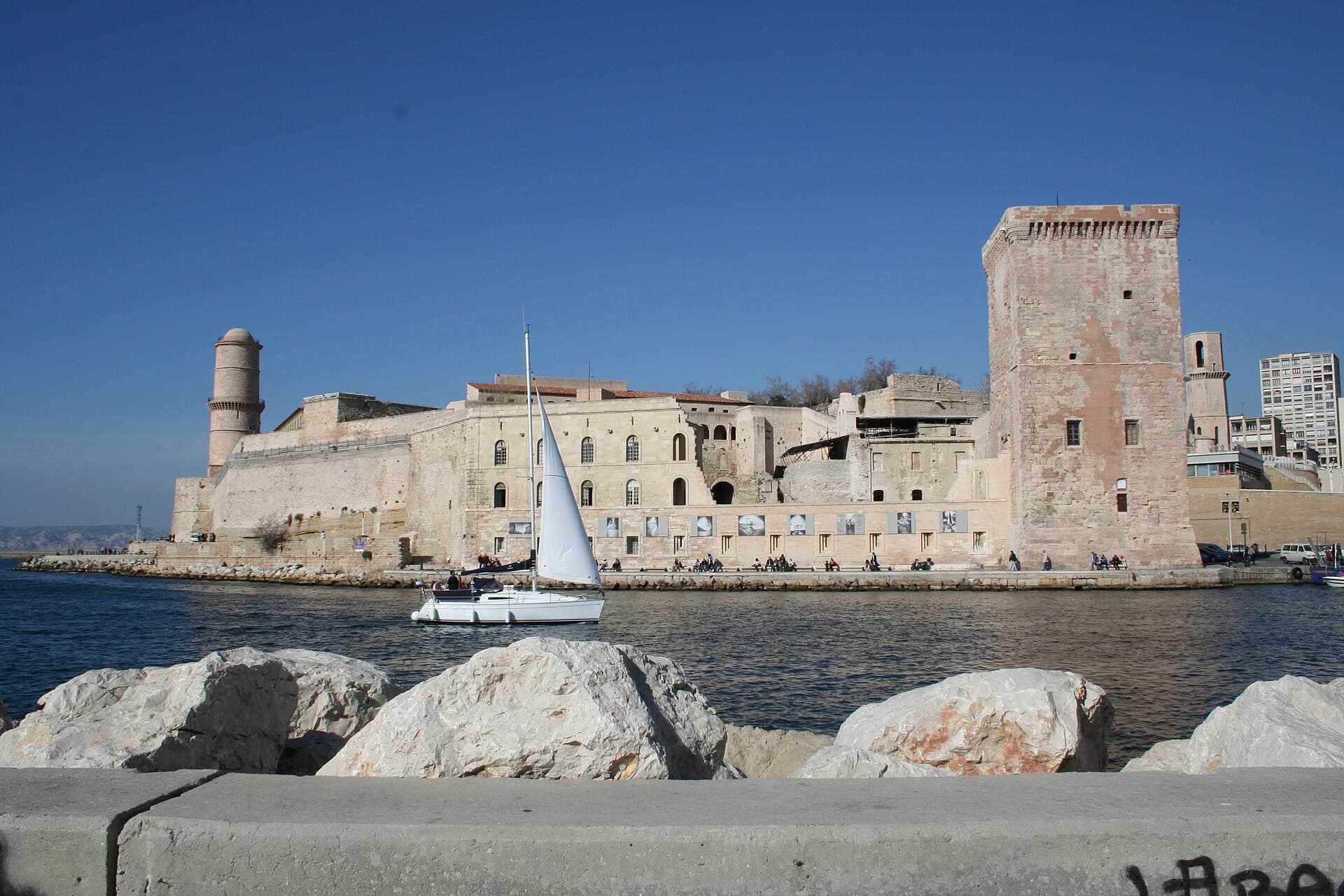 Fort Saint-JeanFort Saint-Jean has guarded the Vieux-Port entrance for centuries: its round tow1 minute walk4.6
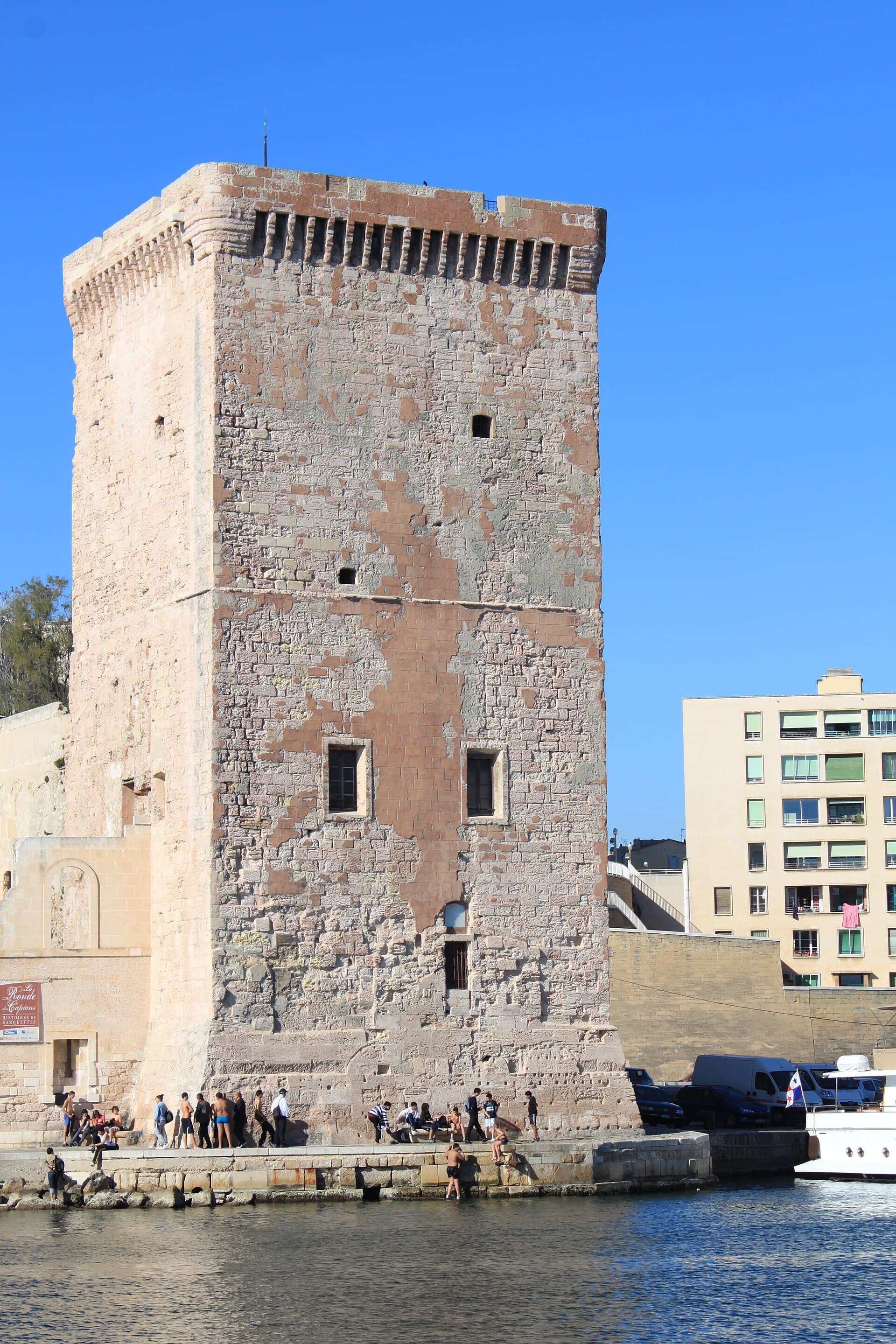 Tower of King RenéA square fifteenth-century defensive tower at the mouth of the old port, built b1 minute walk4.8
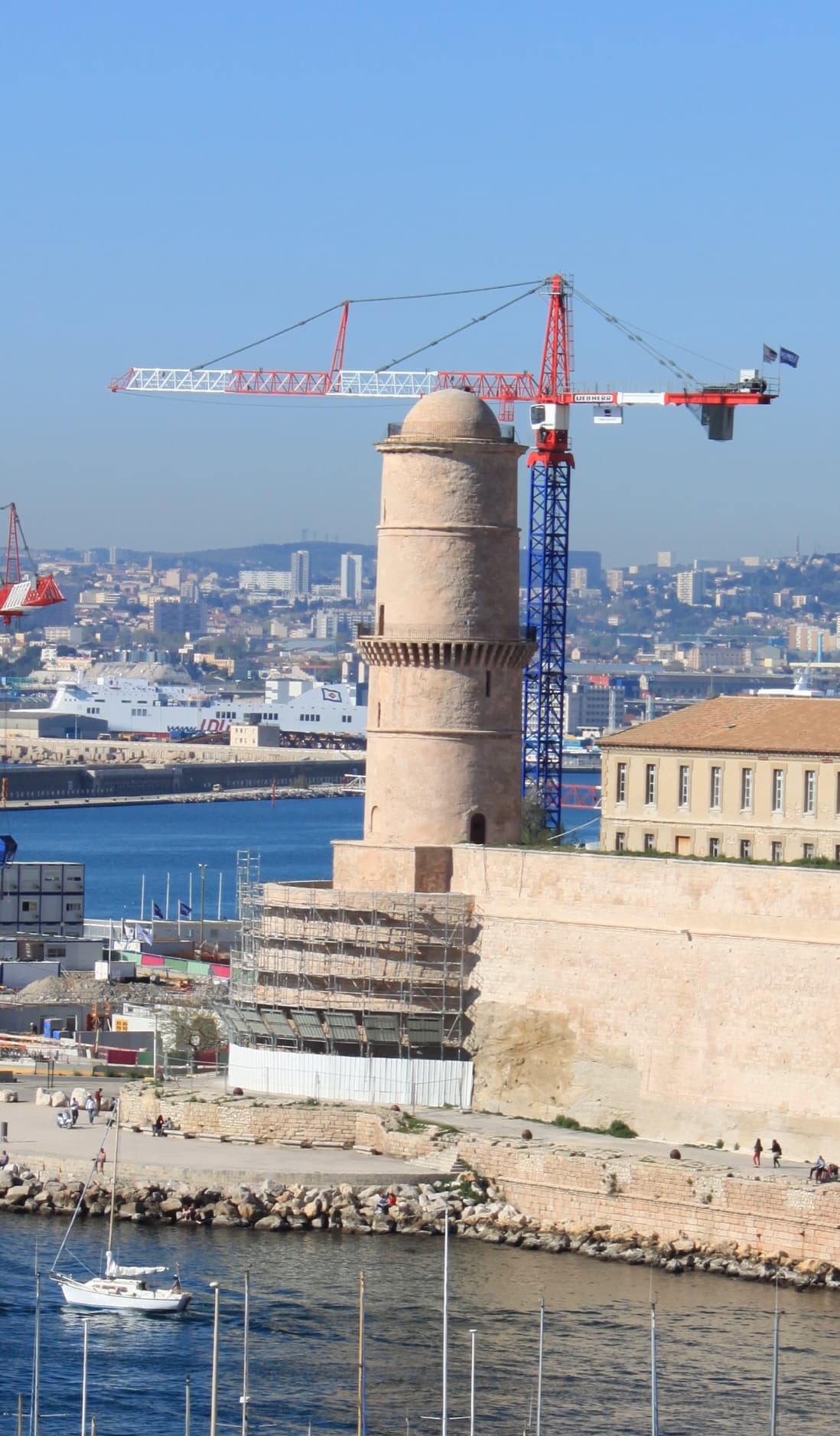 The Tour du FanalA stone tower at the entrance to the Old Port of Marseille, part of Fort Saint-J1 minute walk4.8
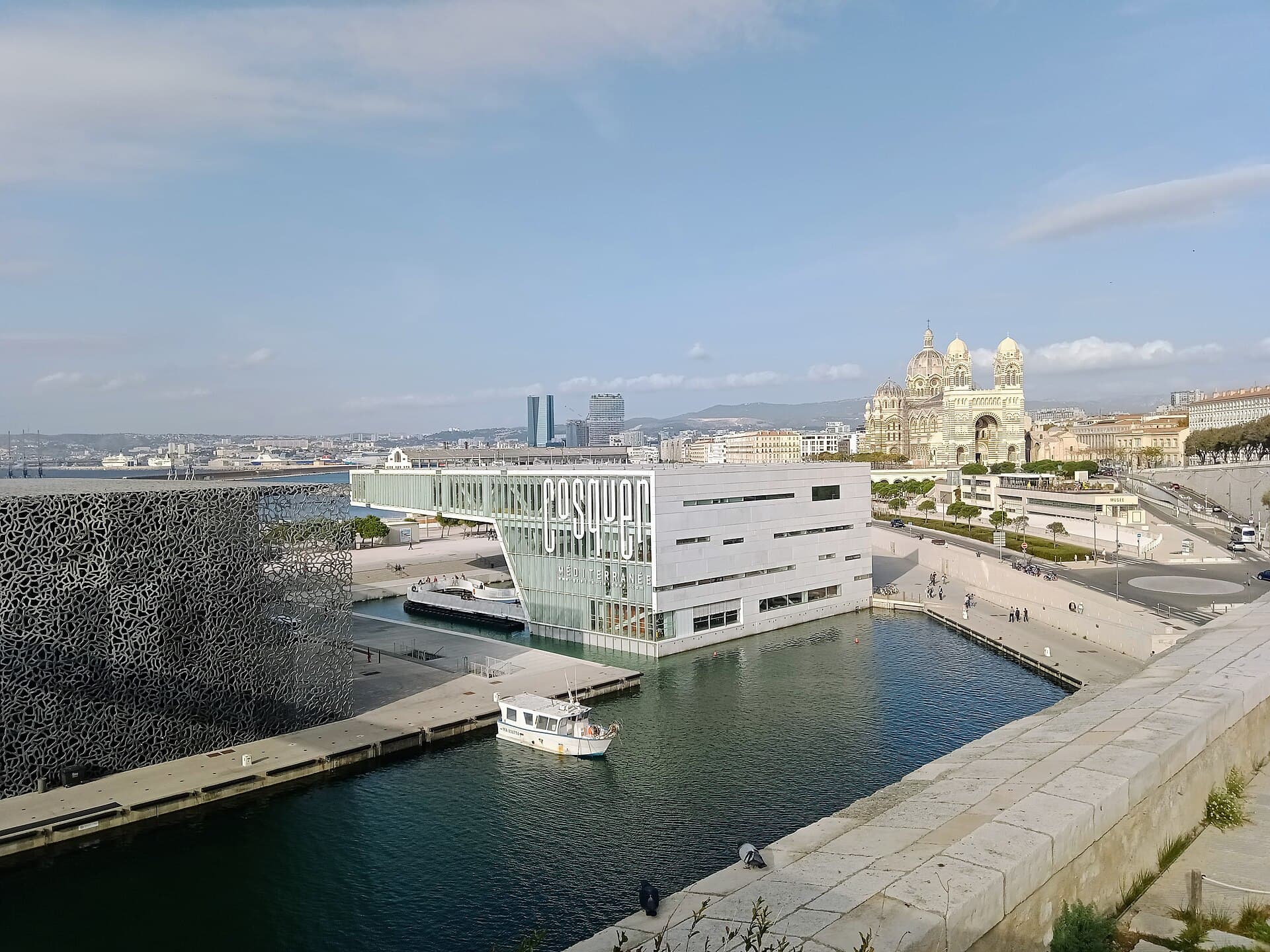 Cosquer MéditerranéeIn 1985 a diver named Cosquer found a drowned entrance beneath a cliff near Mars2 minutes walk4.6
In January 1943 the German authorities, assisted by French police, carried out a mass raid on the old port districts. Thousands of residents were deported, the quarter was cleared and then dynamited over several weeks. The stated aim was sanitary clearance; the actual aim was destroying a quarter that was hard to control and sheltered resisters and refugees. What stands there today was rebuilt after the war.
Fort Saint-Jean and the MuCEM beside it, then the Le Panier quarter, whose upper part survived the demolition. Walking between them makes what you read at the memorial tangible: you see what survived and what was rebuilt.