
Pink stone and plainness
Provençal Romanesque: proportion and light instead of ornament.
Chris06 — CC BY-SA 4.0 · Holger Uwe Schmitt — CC BY-SA 4.0 · Holger Uwe Schmitt — CC BY-SA 4.0 · Houss 2020 — CC BY-SA 4.0
A Romanesque church of the twelfth and thirteenth centuries on a rocky rise between the old port and Fort Saint-Jean, historically the parish church of Marseille's sailors and fishermen. It is built of local pink stone in the Provençal Romanesque manner: plain, with round arches, bare walls and a square tower. The plainness is a style rather than poverty — the Romanesque churches of Provence rely on the proportion of stone and light rather than ornament. Its position is what distinguishes it: it stands on the rock looking directly over the harbour mouth, on the ground where the first Greek city stood. From its terrace you see the old port, the MuCEM, Fort Saint-Jean and the La Major cathedral in a single view. The church was damaged in the demolitions of 1943 and later restored. Practical points: entry is free and the church is in use — respect service times. Hours may be limited outside them. The visit is short within a walk between the old port and Le Panier.
Provençal Romanesque: proportion and light instead of ornament.
It stands where Greek Massalia was founded over 2,600 years ago.
The port, the MuCEM, Fort Saint-Jean and La Major from its terrace.
Above the old port, near Fort Saint-Jean, Marseille
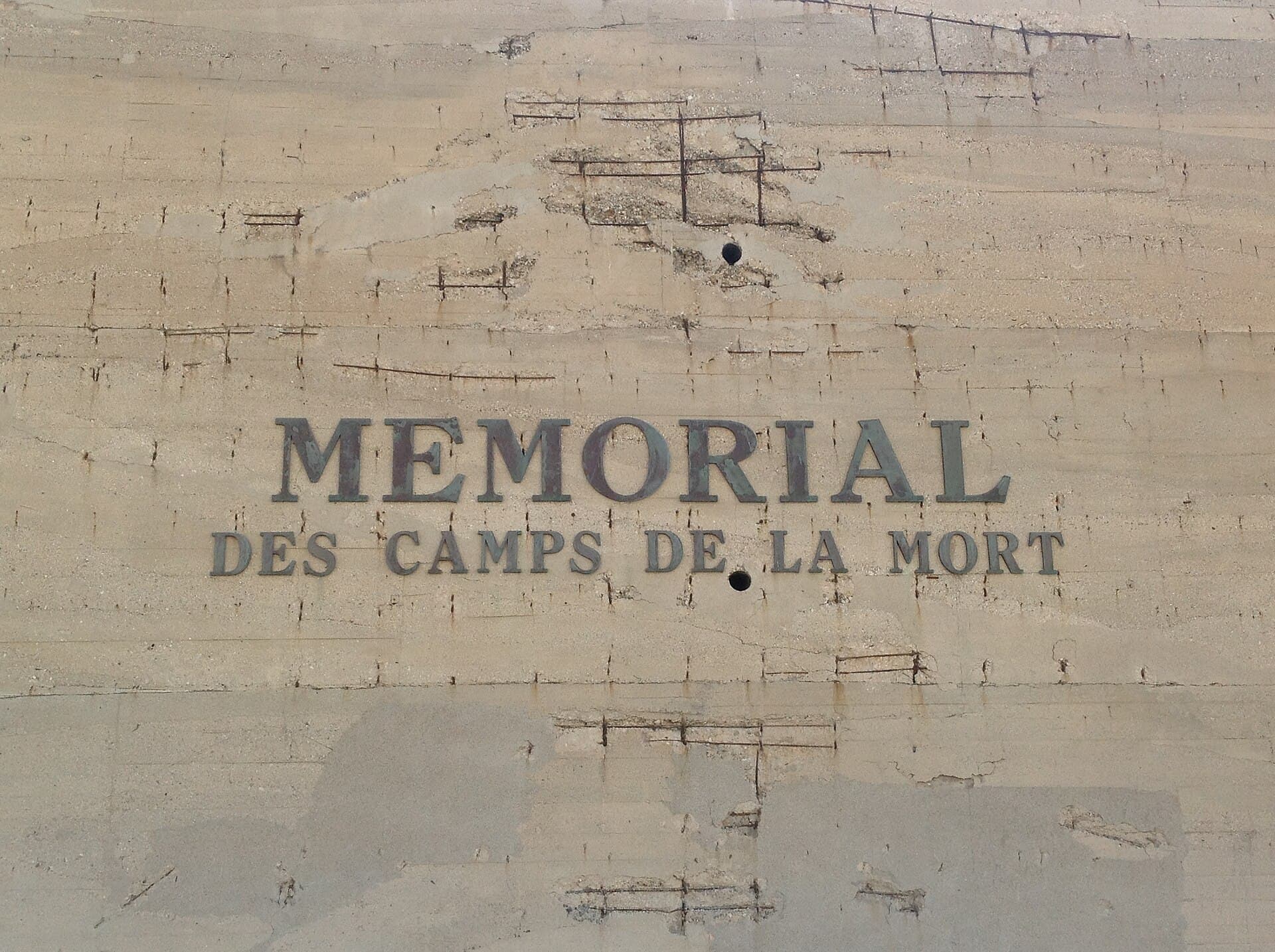 Memorial of the DeportationsA memorial and small museum near the old port, dedicated to the memory of those 1 minute walk4.5
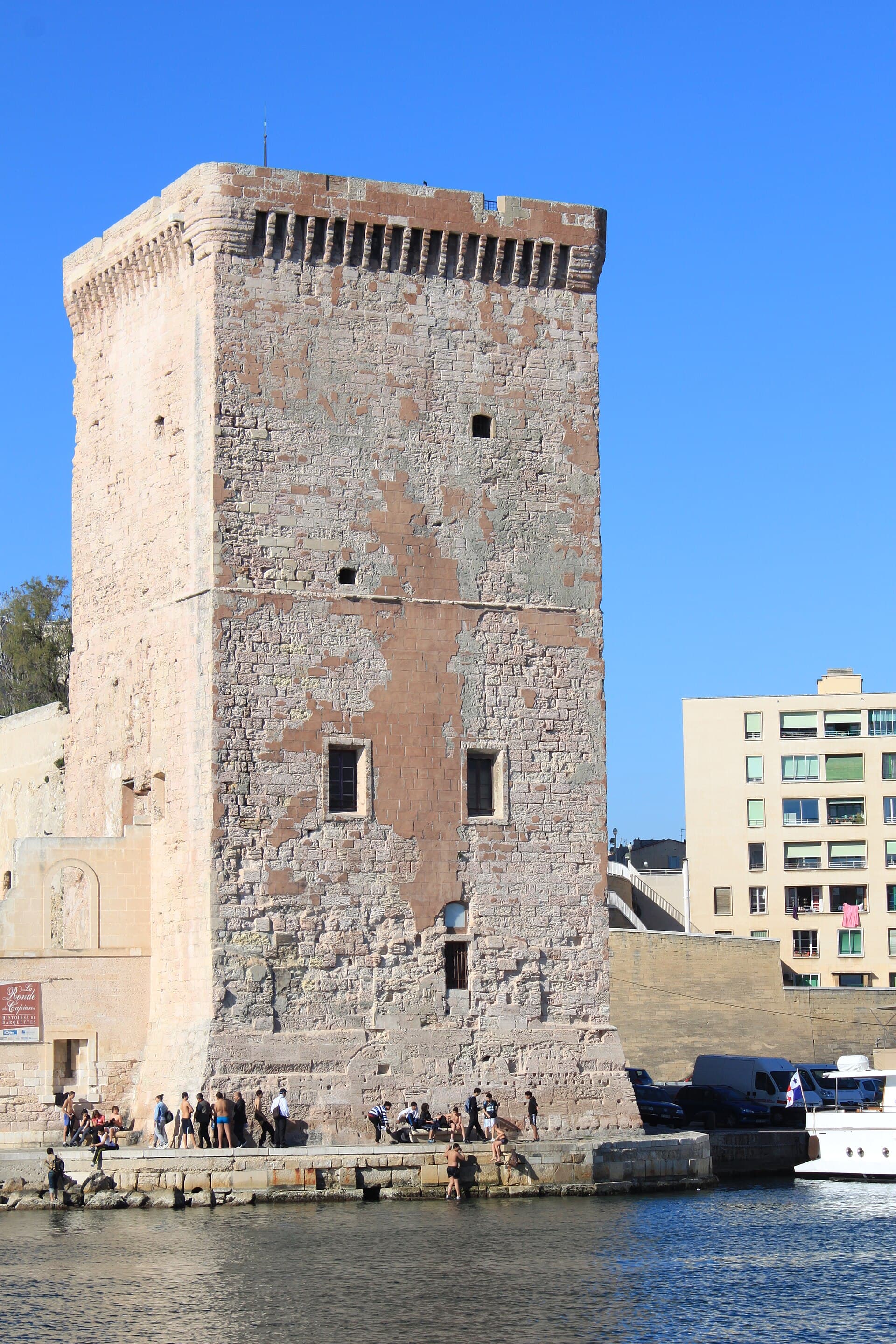 Tower of King RenéA square fifteenth-century defensive tower at the mouth of the old port, built b2 minutes walk4.8
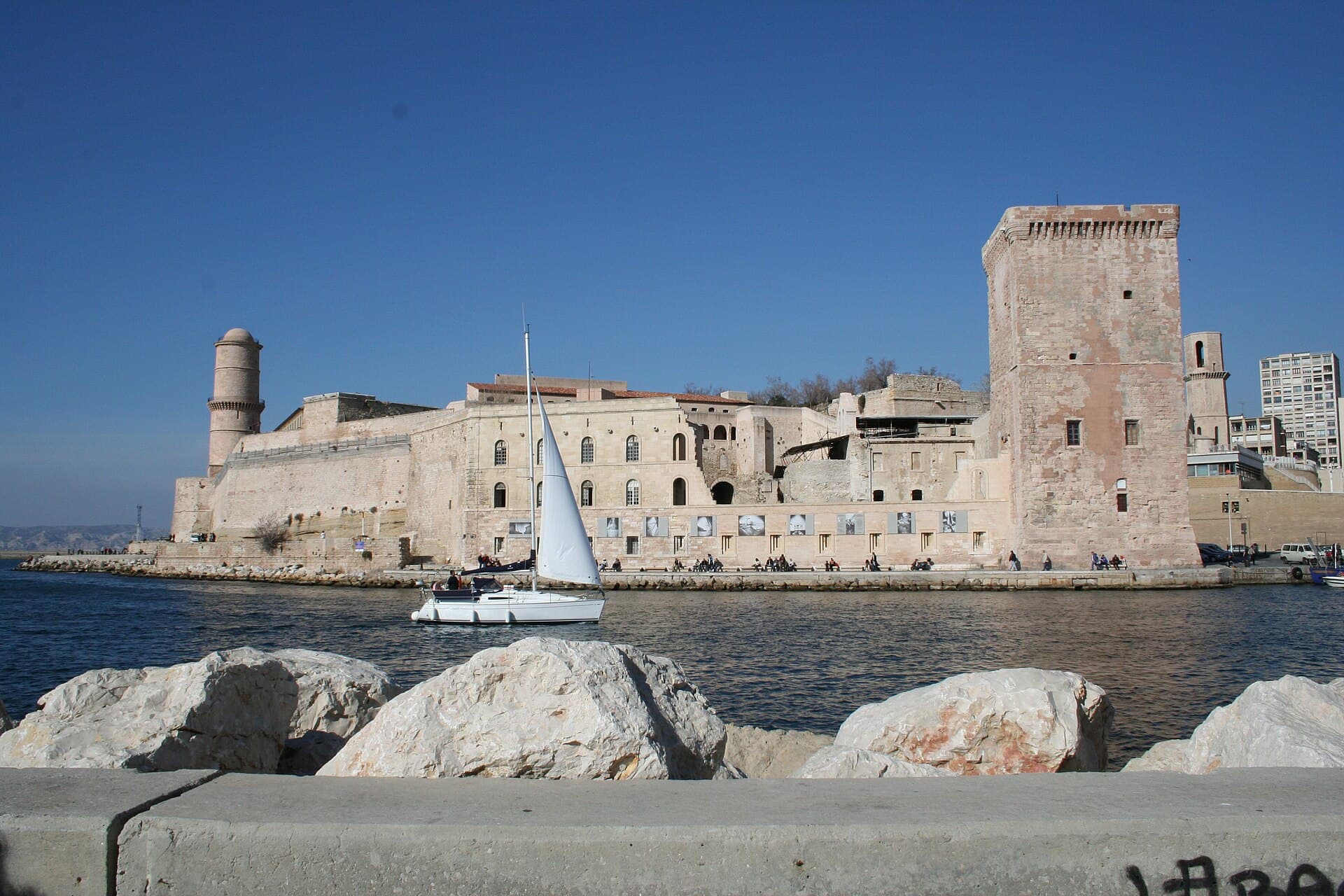 Fort Saint-JeanFort Saint-Jean has guarded the Vieux-Port entrance for centuries: its round tow2 minutes walk4.6
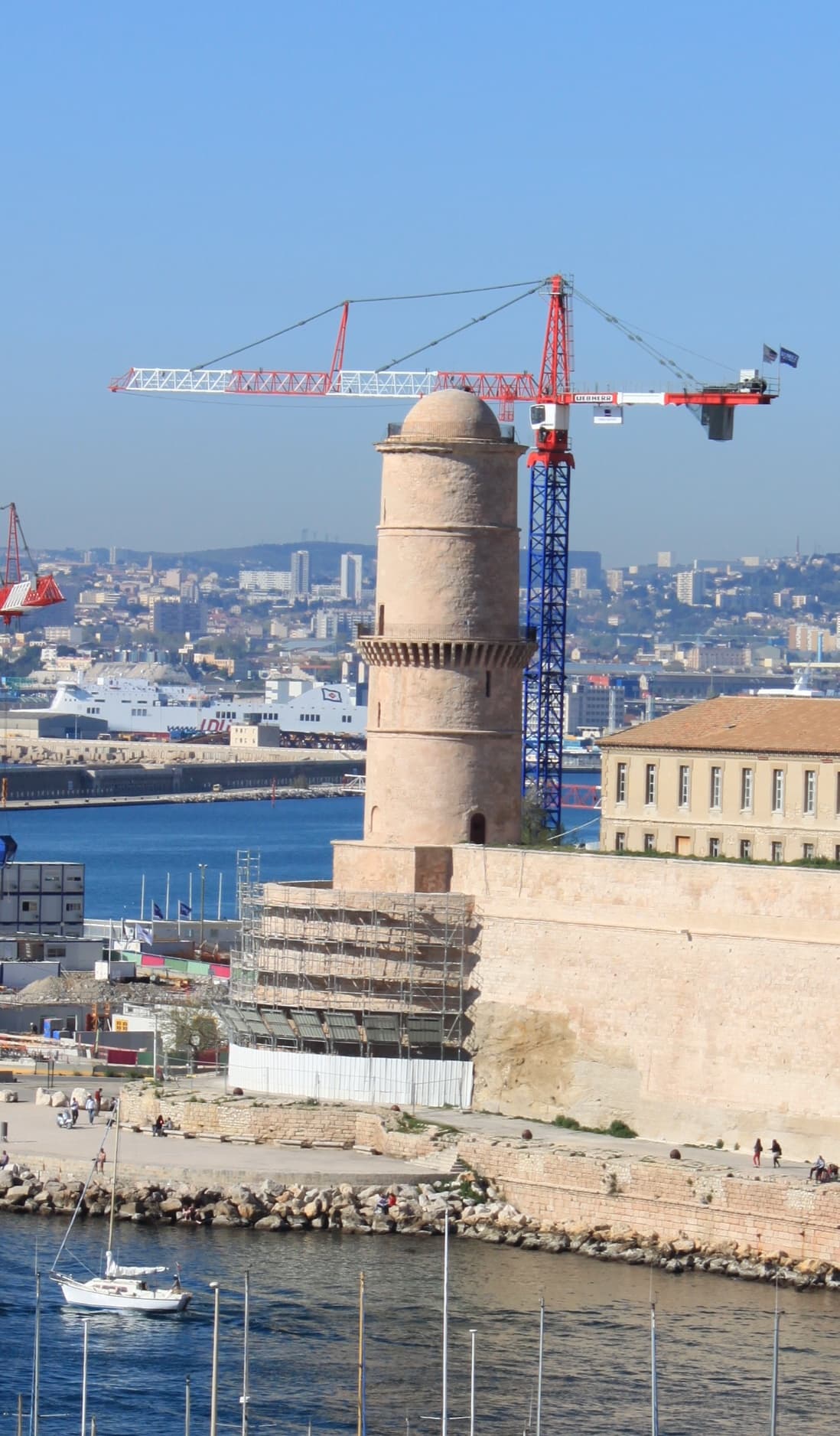 The Tour du FanalA stone tower at the entrance to the Old Port of Marseille, part of Fort Saint-J2 minutes walk4.8
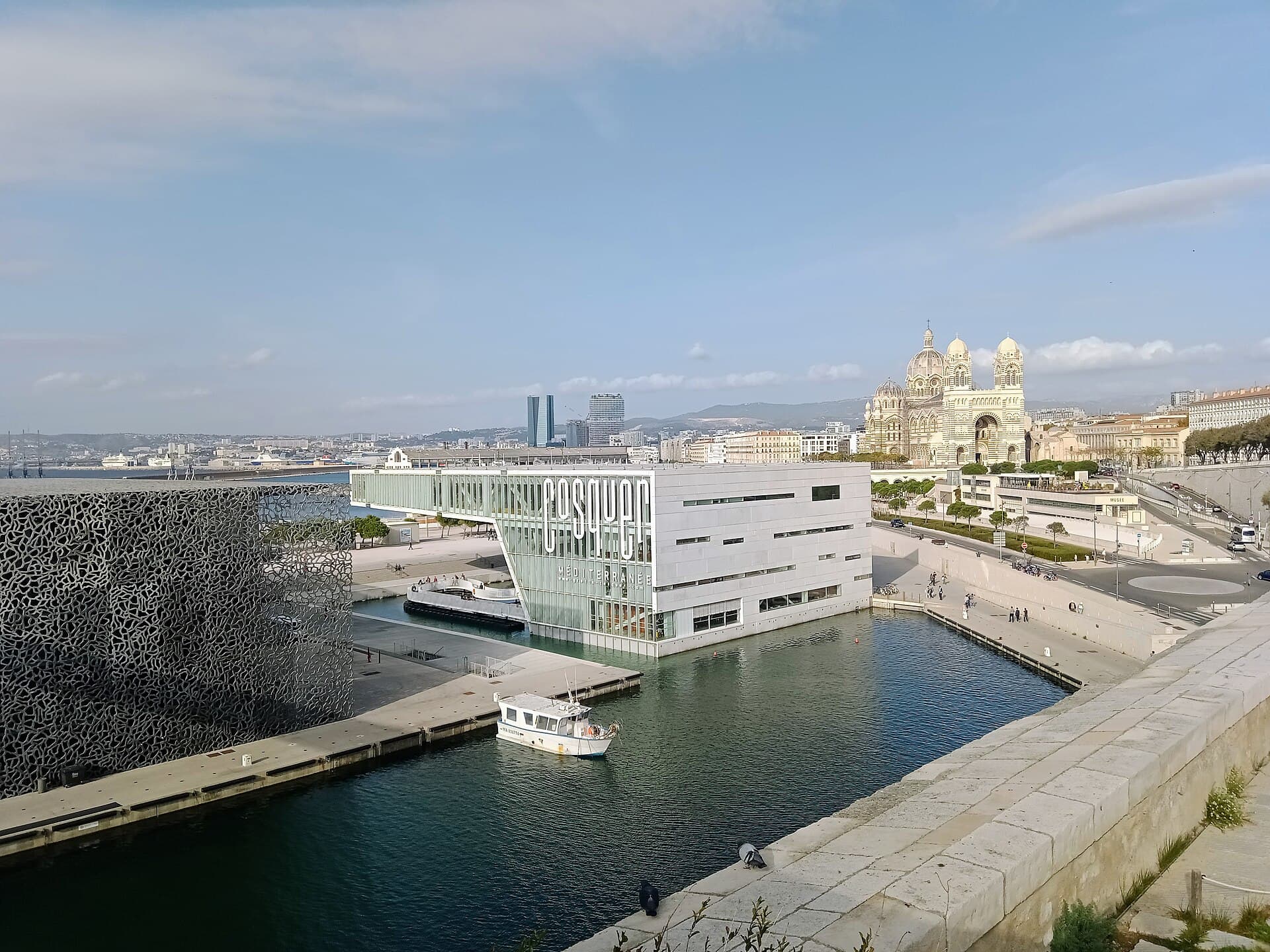 Cosquer MéditerranéeIn 1985 a diver named Cosquer found a drowned entrance beneath a cliff near Mars2 minutes walk4.6
La Major nearby is vast, nineteenth-century, in a striped Byzantine-Romanesque style, and impressive by scale. Saint-Laurent is small, Romanesque and genuinely old. The two are a short walk apart, and seeing both shows seven centuries between two manners of building.
Yes, and it is free and always open even when the church is closed. The terrace is among the best vantage points on the mouth of the old port, particularly late in the day when the light falls across the pink stone.