
A light at the bottleneck
The port entrance is narrow and rocky — the tower marked the gap.
photography taken by Christophe.Finot — CC BY-SA 3.0 · Celuici — CC BY-SA 4.0 · Rémih — CC BY-SA 4.0
A stone tower at the entrance to the Old Port of Marseille, part of Fort Saint-Jean, which carried a fire and later a lamp to guide ships into the harbour at night. The function explains the position. The entrance to the Old Port is narrow and hemmed by rock, and coming in at night or in a mistral was a real danger. The tower stands exactly at that bottleneck, and its light marked the gap. Fort Saint-Jean itself was built in the seventeenth century on the orders of Louis XIV, and the telling detail is that its guns faced the city rather than the sea. Marseille was a city that had rebelled against central royal authority, and the fort was built to control it as much as to defend it. The people of Marseille understood the message at the time. The fort today is linked to the MuCEM museum by a footbridge, and has become a public space of gardens, walkways and views over the port and the sea. Practical points: the tower is seen from outside and not climbed; it sits within Fort Saint-Jean, whose grounds are free to enter at set hours. The visit is minutes on a walk around the fort.
The port entrance is narrow and rocky — the tower marked the gap.
Built to control a rebellious city as much as to defend it.
The fort is now gardens, walkways and open views.
Fort Saint-Jean, the Old Port entrance, Marseille
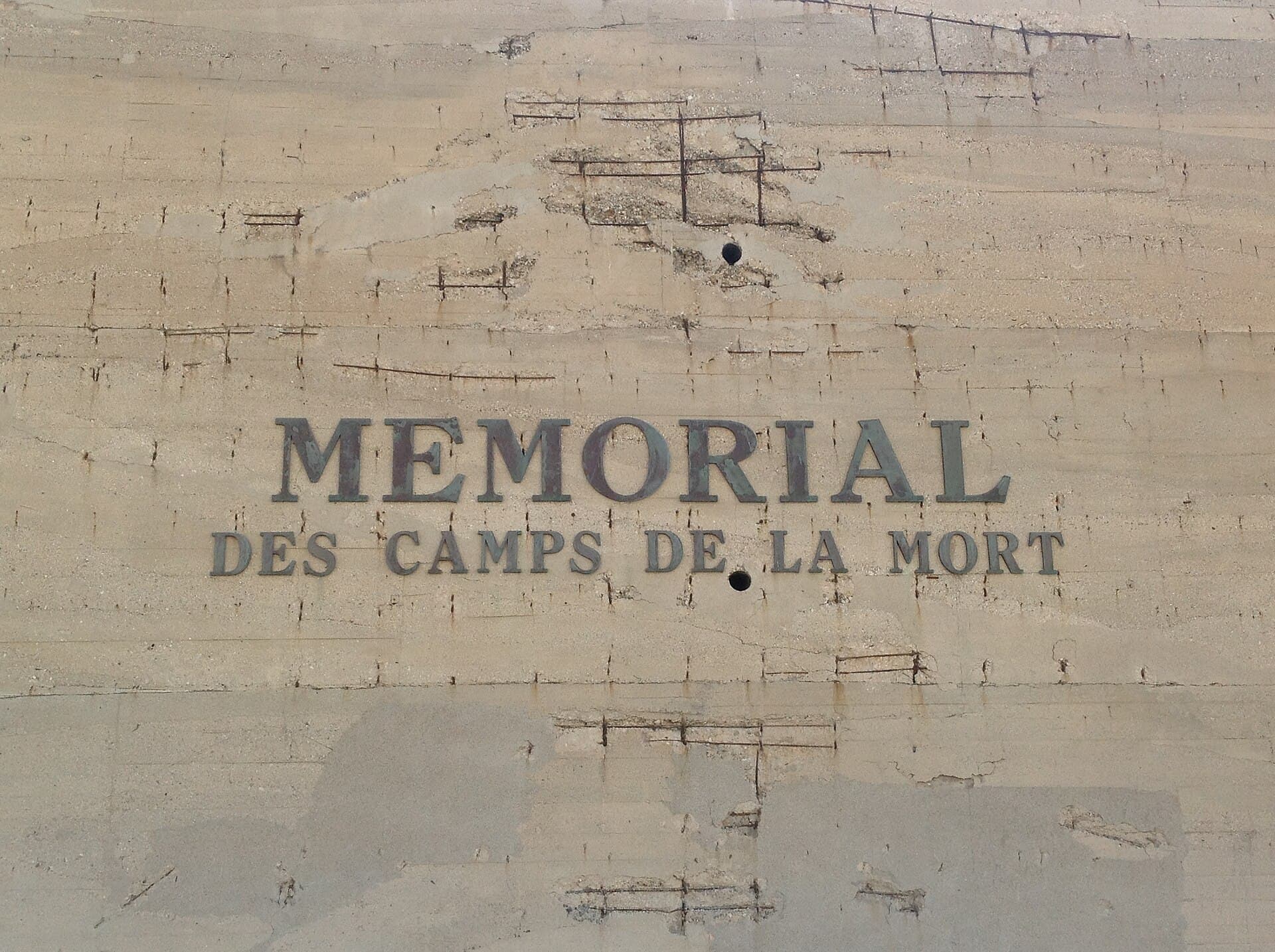 Memorial of the DeportationsA memorial and small museum near the old port, dedicated to the memory of those 1 minute walk4.5
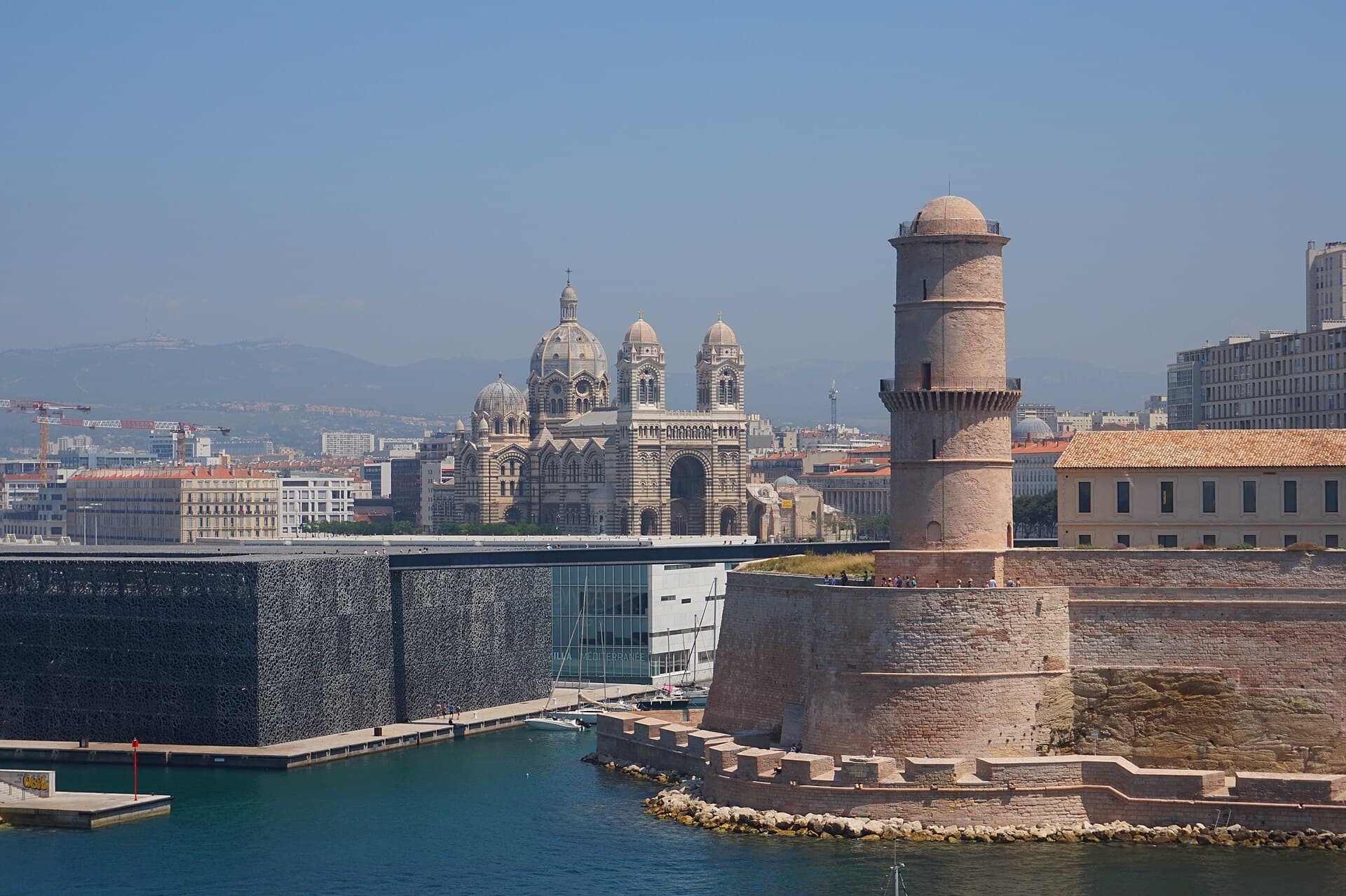 MuCEMThe MuCEM is modern Marseille's emblem: a great cube at the harbour mouth wrappe2 minutes walk4.3
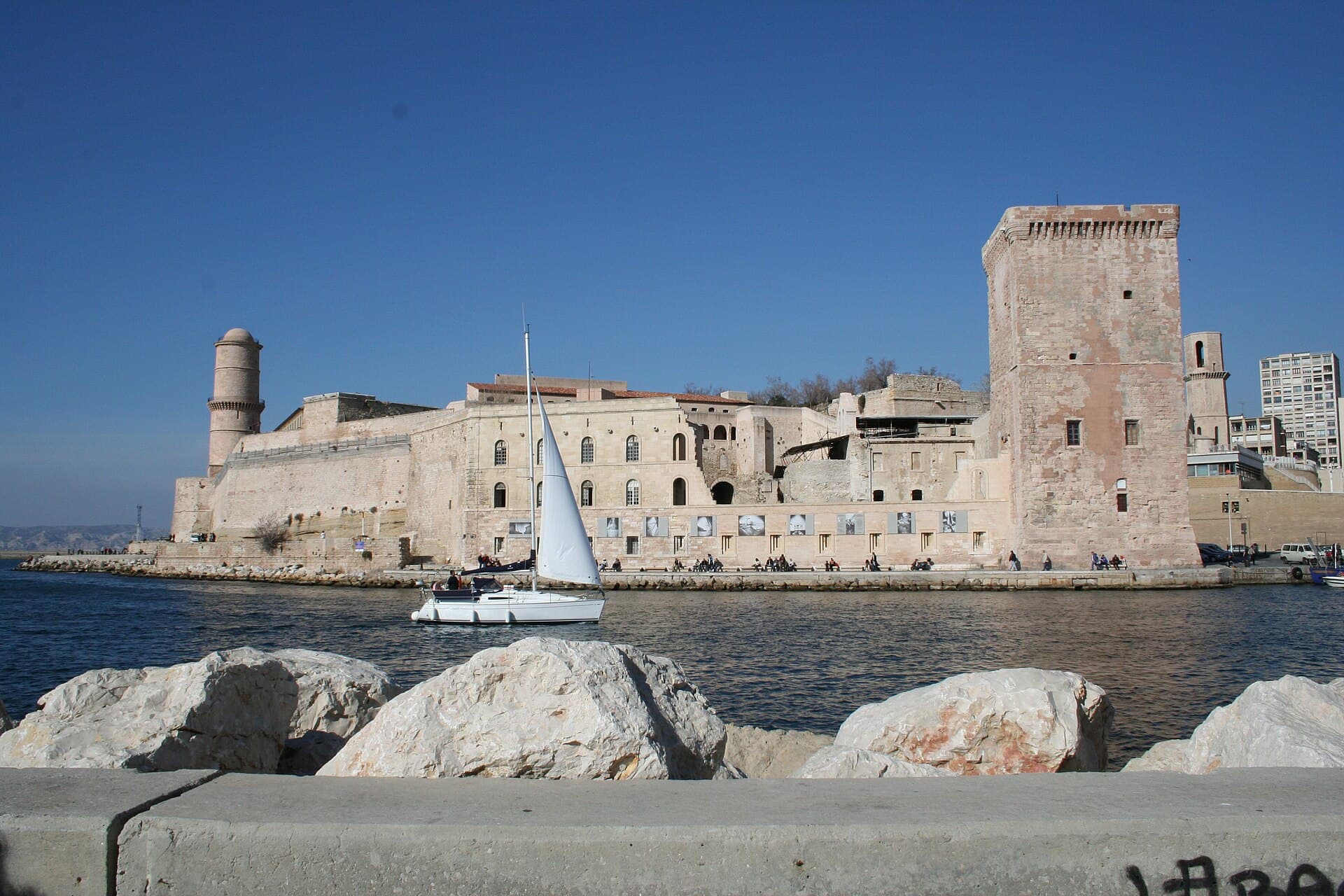 Fort Saint-JeanFort Saint-Jean has guarded the Vieux-Port entrance for centuries: its round tow2 minutes walk4.6
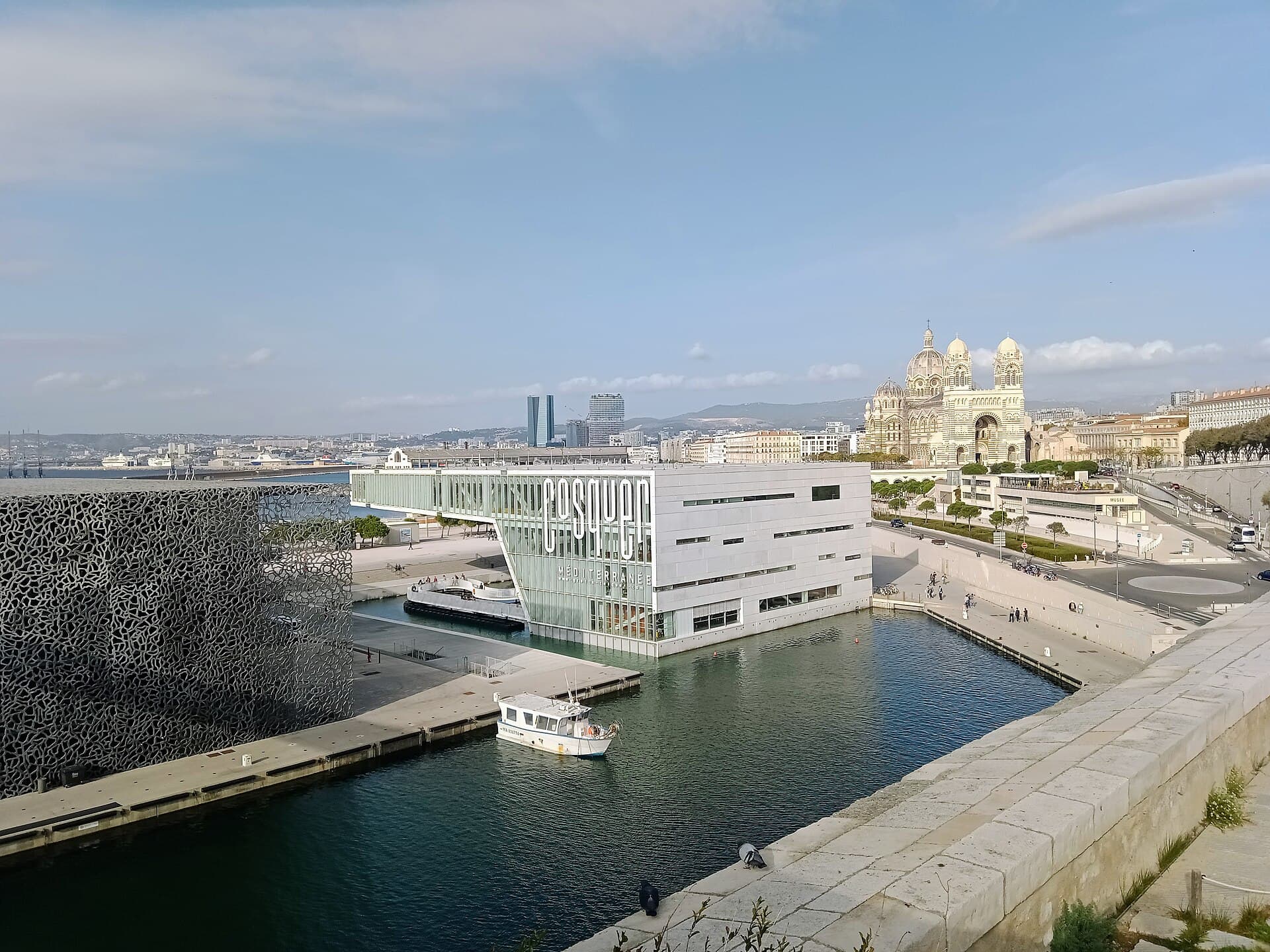 Cosquer MéditerranéeIn 1985 a diver named Cosquer found a drowned entrance beneath a cliff near Mars2 minutes walk4.6
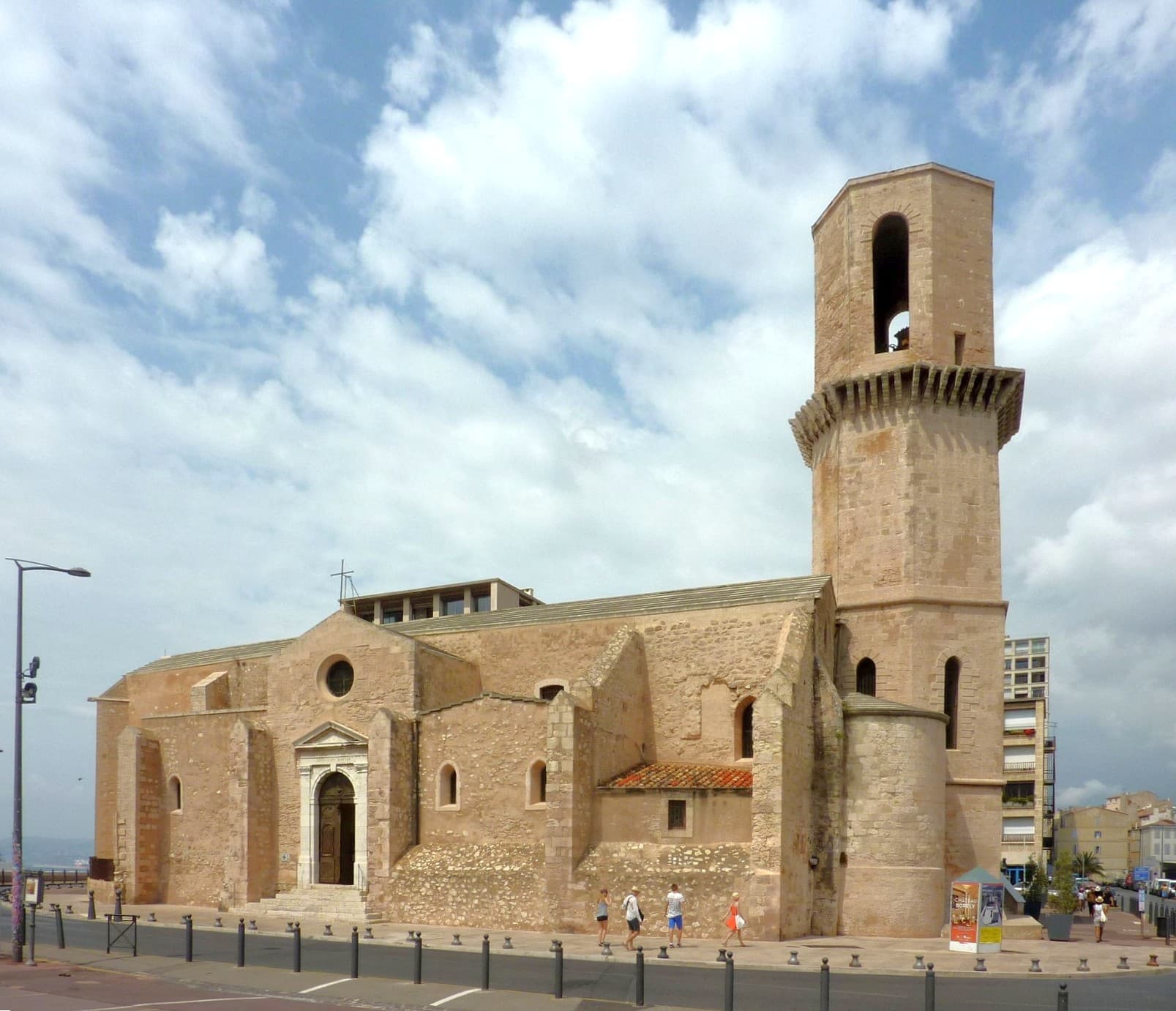 Church of Saint-LaurentA Romanesque church of the twelfth and thirteenth centuries on a rocky rise betw2 minutes walk4.3
The Museum of European and Mediterranean Civilisations, opened in 2013 when Marseille was European Capital of Culture. Its main building is a black cube wrapped in a concrete lattice recalling a mashrabiya, designed by Rudy Ricciotti, connected to Fort Saint-Jean by a slender footbridge over the water. Its exhibitions deal with migration, trade and religion around the Mediterranean. Walking the bridge and the roof is free even without an exhibition ticket.
Yes — it has been the actual centre of Marseille since the Greeks founded the city around six hundred BC. A fish market runs on the quay in the morning, and ferries leave from it for the Frioul islands and the Château d'If, the prison of The Count of Monte Cristo. Norman Foster's mirrored canopy on the quay is a well-known place to photograph.