
The free glass hall
Chipperfield's curving white agora under its glass roof is open to everyone without a ticket, and it is genuinely the best thing in the building.
FrussiWMI — CC BY-SA 4.0 · Silvana Gallio — CC BY-SA 4.0 · Silvana Gallio — CC BY-SA 4.0 · Silvana Gallio — CC BY-SA 4.0
The strangest thing about MUDEC is that its best feature costs nothing. Inside the old Ansaldo works, where Milan once built tram carriages and heavy industrial machinery, David Chipperfield carved out a white hall with curving walls and a curving glass roof to match, then left it open to anyone. You come in through a brick industrial gate and find yourself in what amounts to a covered town square: soft grey light, a wide floor, people sitting on the steps. That hall, not the objects, is what stays with you. The museum opened in 2015 to house the ethnographic collections the city accumulated over a century — thousands of pieces from Africa, Asia, the Americas and Oceania. Only a small share is on permanent view: a compact route that tells the story of Milan's dealings with the wider world rather than parading treasures. It is a smart visual essay on trade, migration and acquisition, not a great encyclopaedic museum. Anyone arriving expecting something on the scale of London or Paris will be back outside in half an hour. Since entry to it is now free, that is a perfectly fair bargain. What actually drives the place is the big temporary exhibition upstairs. MUDEC built its reputation on heavyweight names — Klee, Miró, Gauguin, Kandinsky, Matisse — in carefully staged, carefully lit shows, and that is the ticket people genuinely pay for, at around sixteen euros. So the rule is simple: check what is on before you decide. If the name means something to you, it justifies its own trip across town. If it doesn't, MUDEC is a pleasant short stop rather than a day out. Getting there is easy: ten minutes on foot from Porta Genova on the green metro line, down a Via Tortona lined with design studios and cafés. The best slot is Thursday evening, when the museum stays open until 22:30 and is far quieter than it is by day (the exhibition floor also runs late on Saturday). Note that the free permanent collection is shut on Mondays, when only the paid exhibition opens, from 14:30. Under-sixes go free, lifts and level floors make it painless with a stroller, and there is a restaurant, a bistro and a genuinely good design shop on site. Avoid Design Week in April unless that is precisely why you came — the whole district turns into one long crowd.
Chipperfield's curving white agora under its glass roof is open to everyone without a ticket, and it is genuinely the best thing in the building.
The upper floor hosts heavyweight names — Matisse, Miró, Klee — and it is the real reason anyone buys a ticket.
A street of converted factories, design studios and cafés that deserves half an hour on foot before or after your visit.
Via Tortona 56, Zona Tortona, Milan
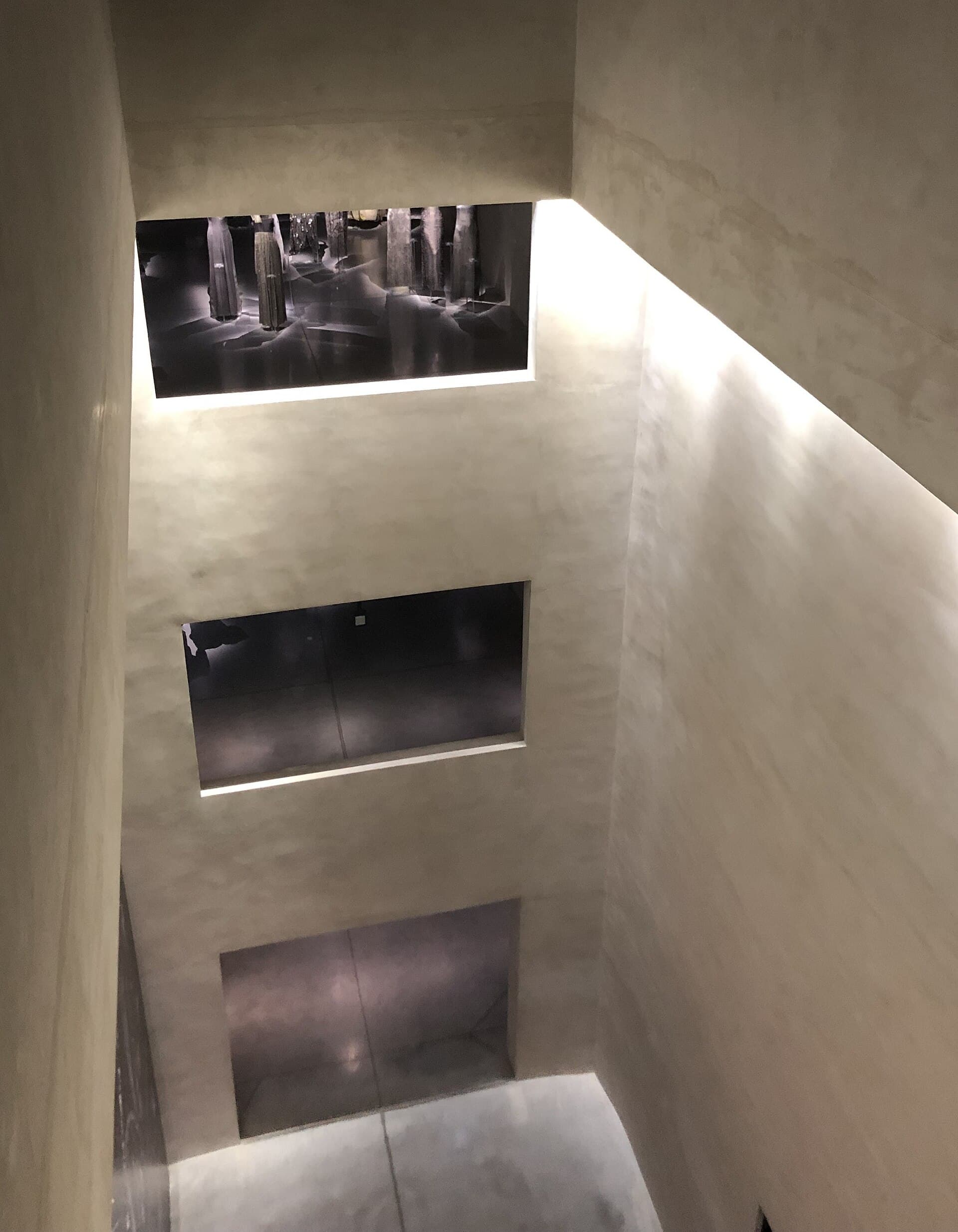 Armani/SilosWhen Giorgio Armani decided in 2015 to open a museum to himself, marking forty y4 minutes walk4.6
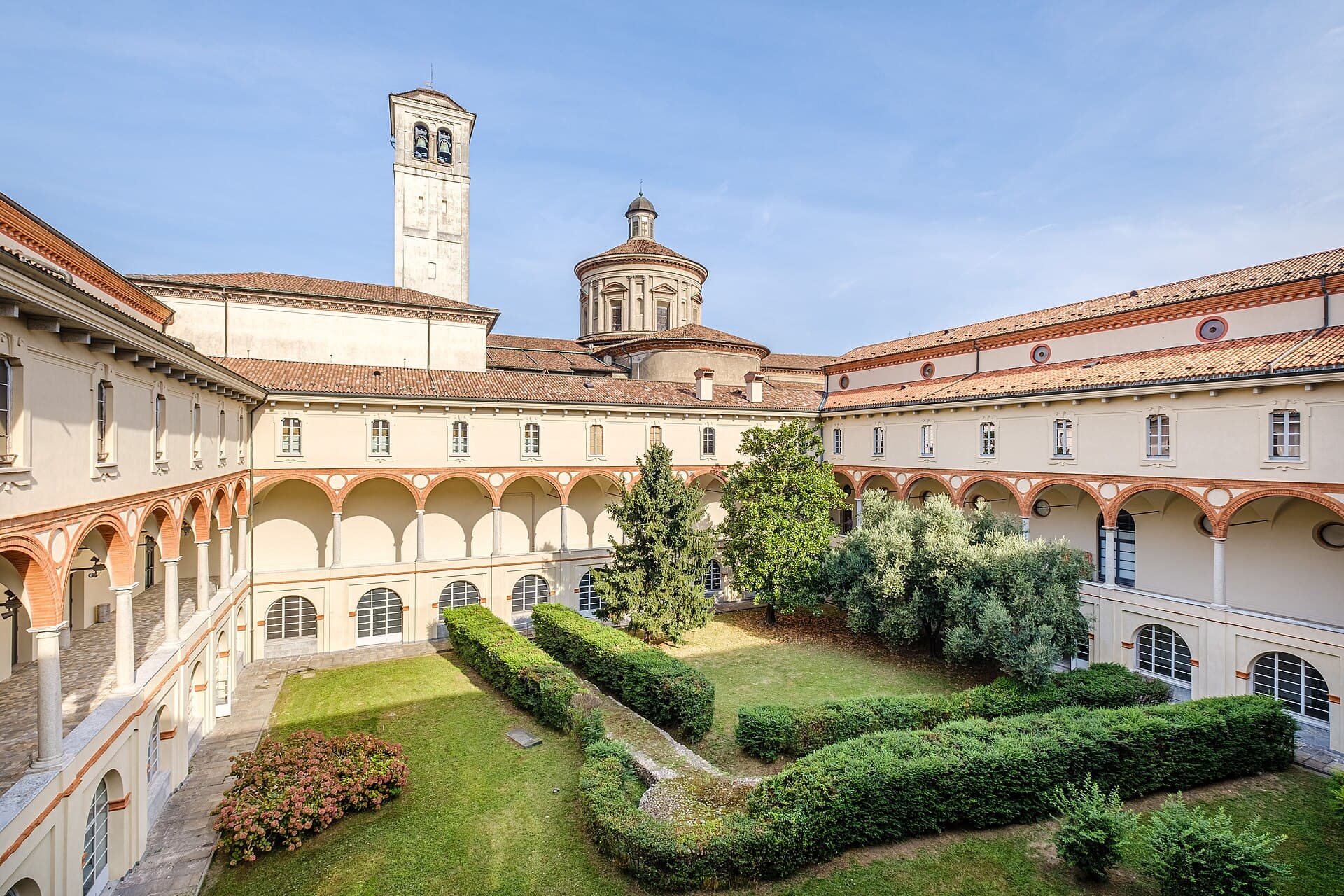 Leonardo da Vinci Science MuseumItaly's largest science and technology museum bears Leonardo's name by double ri18 minutes walk4.5
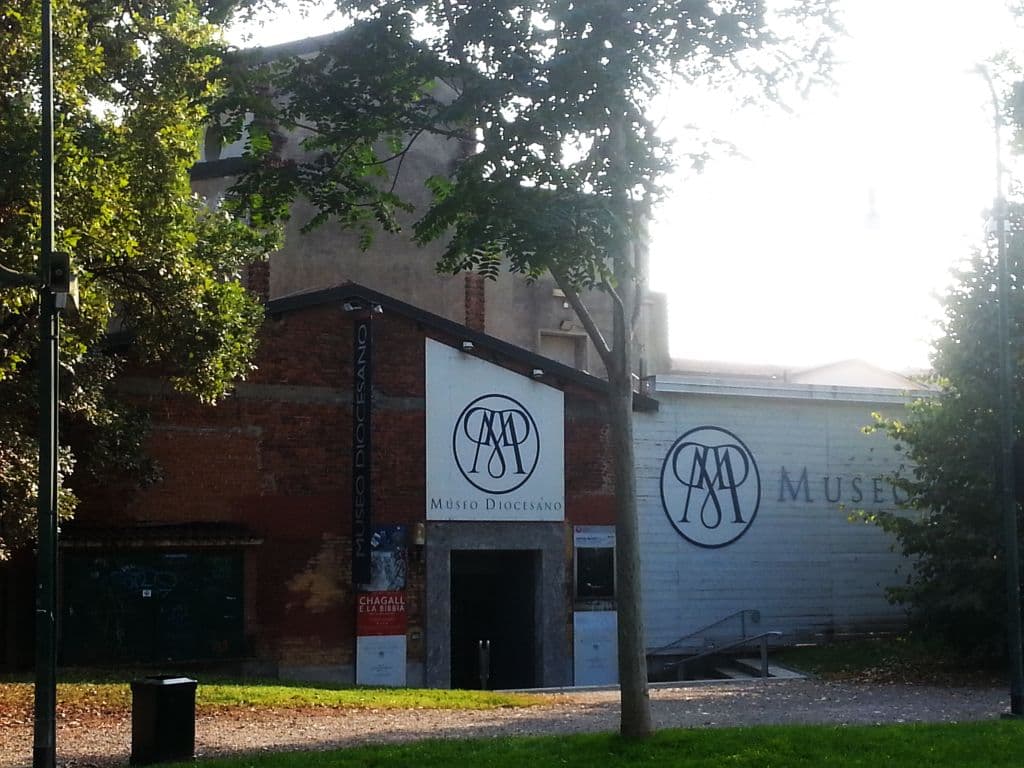 Museo DiocesanoA museum of religious art in the cloisters of the Sant'Eustorgio complex south o19 minutes walk4.6
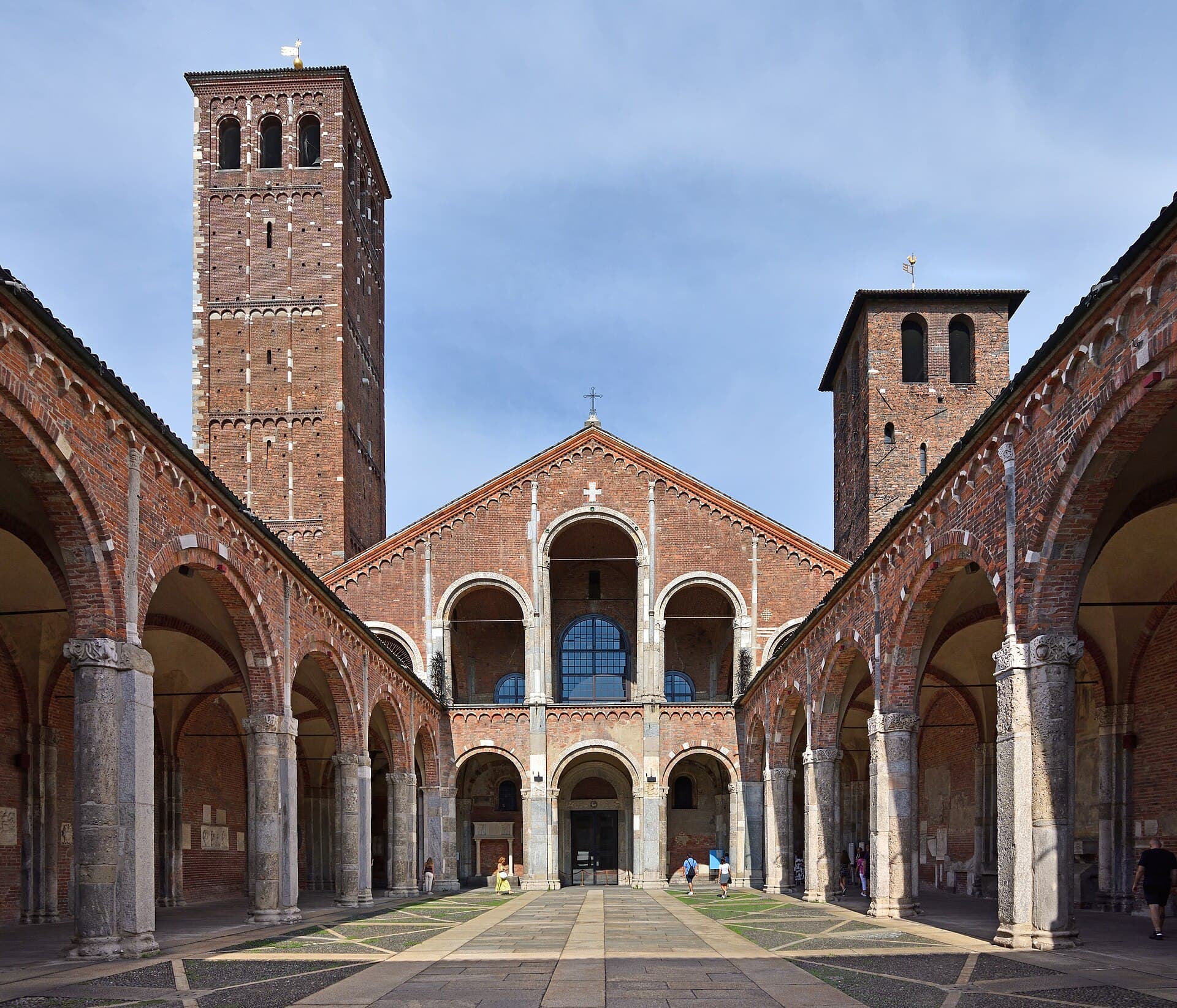 Basilica of Sant'AmbrogioBeneath the high altar, behind the glass of a silver casket, three men lie side 20 minutes walk4.6
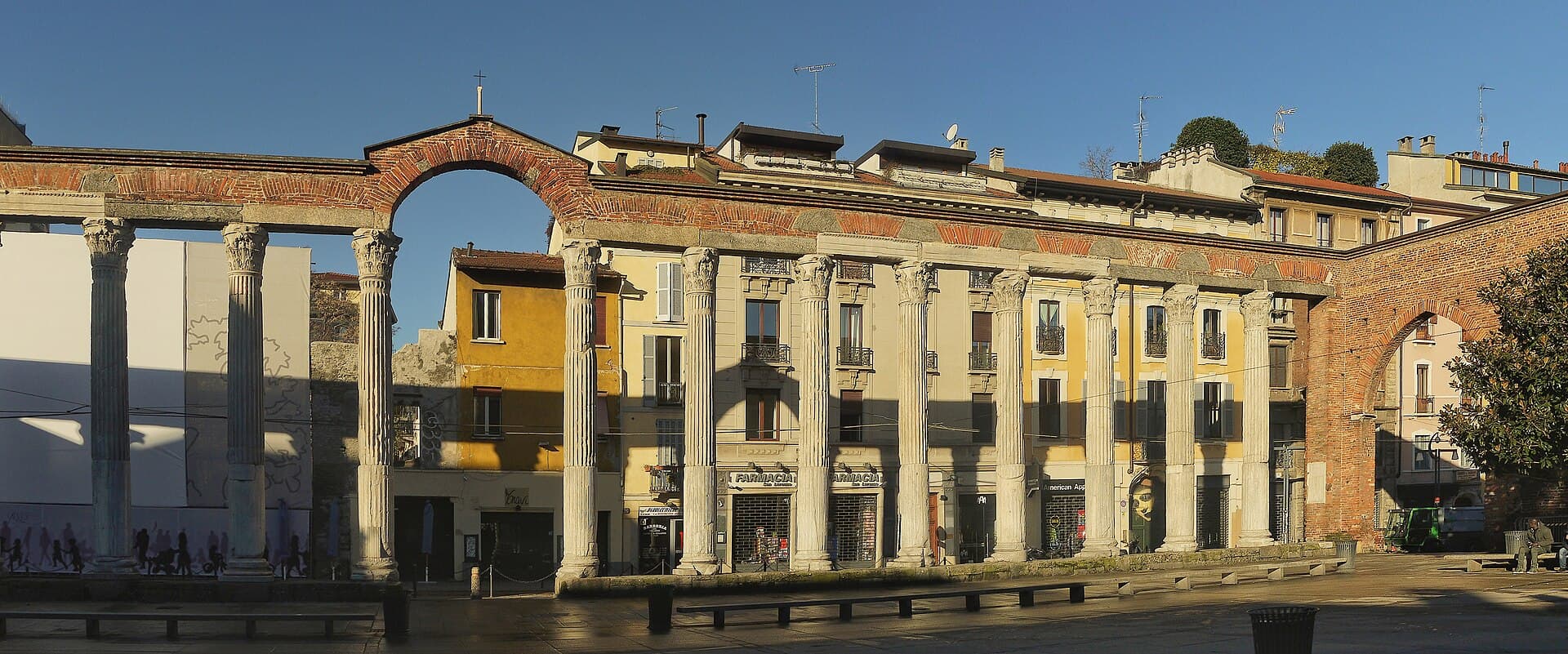 Colonne di San LorenzoSixteen marble columns still standing in a single row after roughly eighteen cen21 minutes walk4.6
Honestly, no — not as a destination on its own. The permanent display is compact and takes thirty to forty minutes; it is thoughtful, but it isn't a reason to cross the city. Since it costs nothing, though, it makes an excellent stop if you are already wandering Tortona: go in, sit for a while in the glass hall, walk the permanent route, carry on with your day. Just remember it is closed on Mondays. If the name on the temporary show does mean something to you, the maths flips and it earns a dedicated trip.
Better than most Milan museums. Under-sixes are free and ages 6–13 pay a reduced children's rate, the building is level and lift-served so a stroller is no trouble, the central hall gives children somewhere open to breathe between rooms, and the museum runs workshops aimed at younger visitors. Be realistic, though: the displays lean on text and context rather than spectacle, so budget ninety minutes at most with kids, then finish at the bistro or one of the cafés along Via Tortona.