
The golden altar
Four faces of gold and enamel worked by the master Vuolvinius around 835, telling two entire lives in small adjoining panels.
Ludvig14 — CC BY-SA 4.0 · Paolobon140 — CC BY-SA 4.0 · Bramfab — CC BY-SA 4.0 · Bramfab — CC BY-SA 4.0
Beneath the high altar, behind the glass of a silver casket, three men lie side by side: Saint Ambrose in the middle in bishop's robes, flanked by the martyrs Gervasius and Protasius. Not a statue, not a symbol, but the remains of the man who founded this church himself in the fourth century, and whose name Milan still reaches for at every turn. Few monuments in Europe put their founder in front of you quite so plainly. The basilica went up between 379 and 386 on a cemetery of martyrs, which is why it was first known simply as the church of the martyrs. What stands today is not that original building but a Romanesque rebuilding begun around 1080 and carried on through the twelfth century in red Lombard brick, and it became the template that churches across northern Italy copied for generations. You enter through a wide arcaded courtyard that slows your pace before the door, and above you sit two bell towers that refuse to match: the older, stubbier ninth-century monks' tower, and the taller canons' tower beside it, raised in a long quarrel between the two communities over precedence and the right to ring bells. The imbalance is intentional, and it is the most entertaining thing about the facade. The real treasure inside is the golden altar made by the master Vuolvinius around 835: four faces of gold, silver and enamel, divided into small adjoining panels that narrate the life of Christ and the life of Ambrose. Do not skip the chapel of San Vittore in Ciel d'Oro off the right aisle either, a small late-antique room whose fifth-century mosaics sheathe the dome in gold and carry one of the oldest known portraits of Ambrose, likely a true likeness since it was made barely a generation after his death. It now sits inside the ticketed museum and treasury route, entered from the desk at number 23 on the square. Entry to the basilica itself is free and an hour covers it comfortably. The doors close to visitors over the middle of the day and Sundays are afternoons only, so check the timing before you make the trip. The modest dress code is enforced in practice, not just posted: shoulders and knees covered. The Sant'Ambrogio metro stop, on the green M2 and since 2024 an interchange with the blue M4, leaves you two minutes from the square, five minutes on foot from the Leonardo da Vinci museum of science and technology and a quarter of an hour from Santa Maria delle Grazie and the Last Supper. It is quiet, shaded and easy with children, and the cafes around the neighbouring Catholic University settle the lunch question without a search.
Four faces of gold and enamel worked by the master Vuolvinius around 835, telling two entire lives in small adjoining panels.
The ninth-century monks' tower and the taller canons' tower beside it, a quarrel between two communities frozen into architecture.
The founder's remains displayed beneath the altar between two martyrs, a blunt sight no interpretation softens.
Piazza Sant'Ambrogio 15, 20123 Milan, Italy
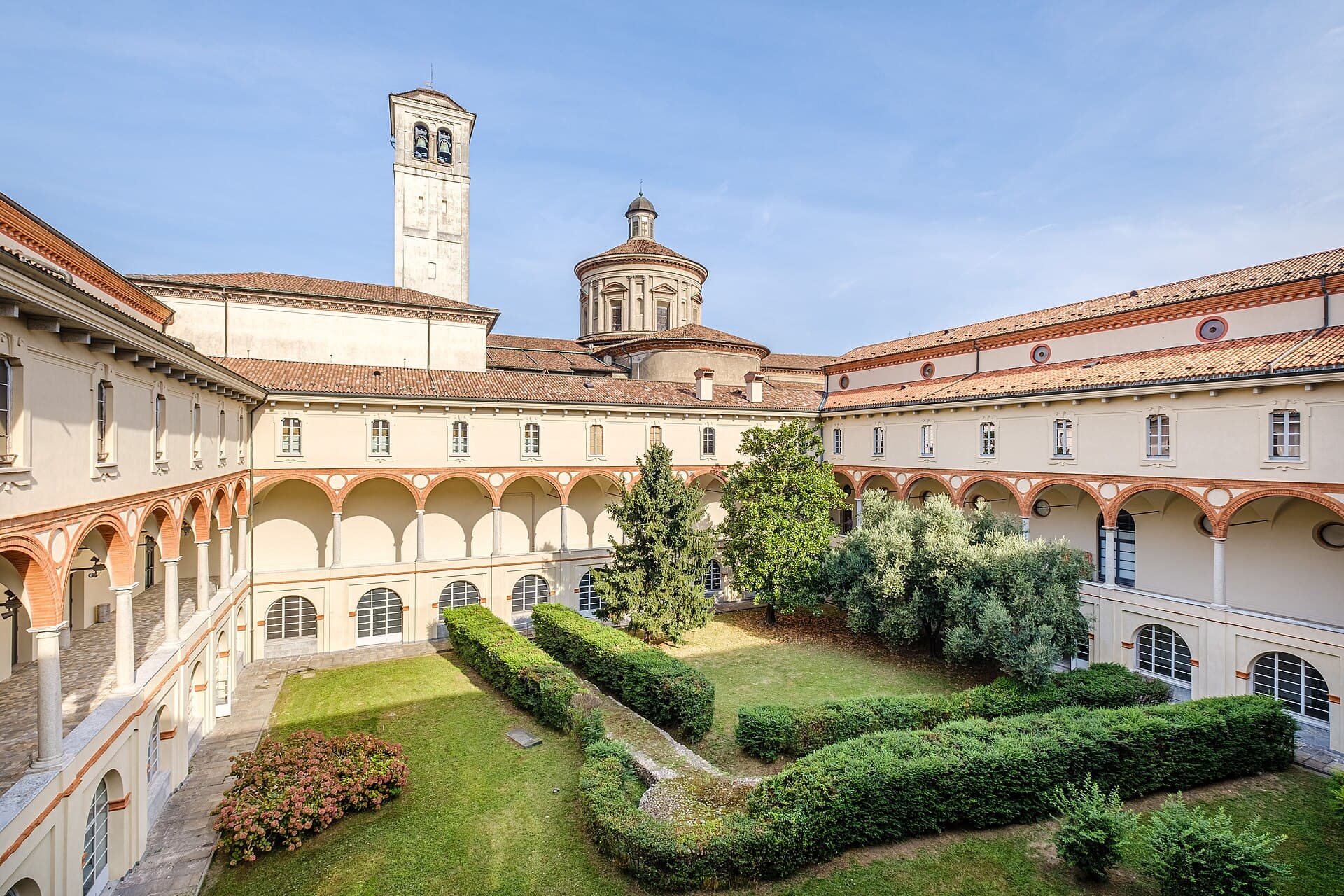 Leonardo da Vinci Science MuseumItaly's largest science and technology museum bears Leonardo's name by double ri5 minutes walk4.5
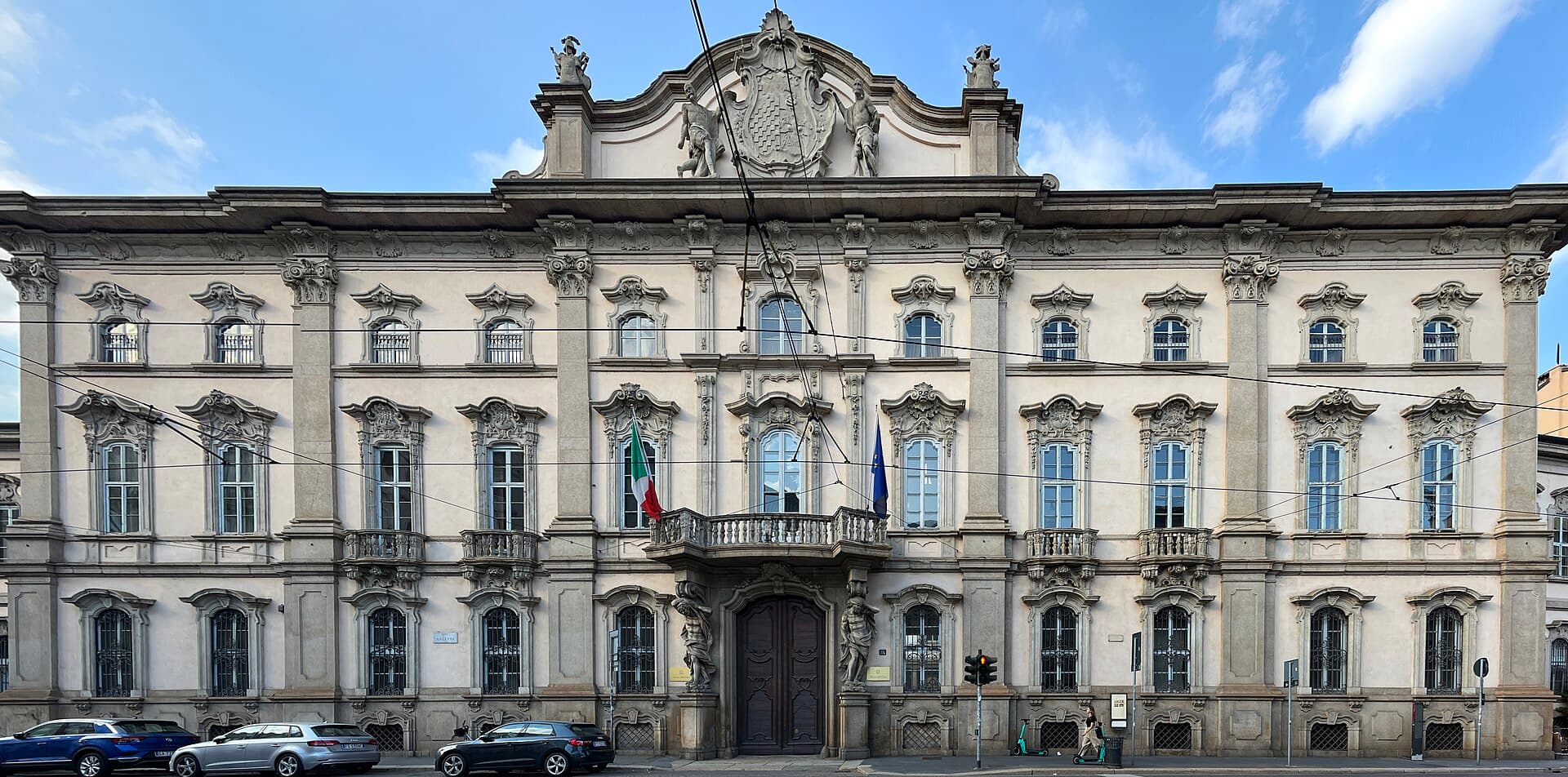 Palazzo LittaA seventeenth-century palace on Corso Magenta west of central Milan, its undulat5 minutes walk4.5
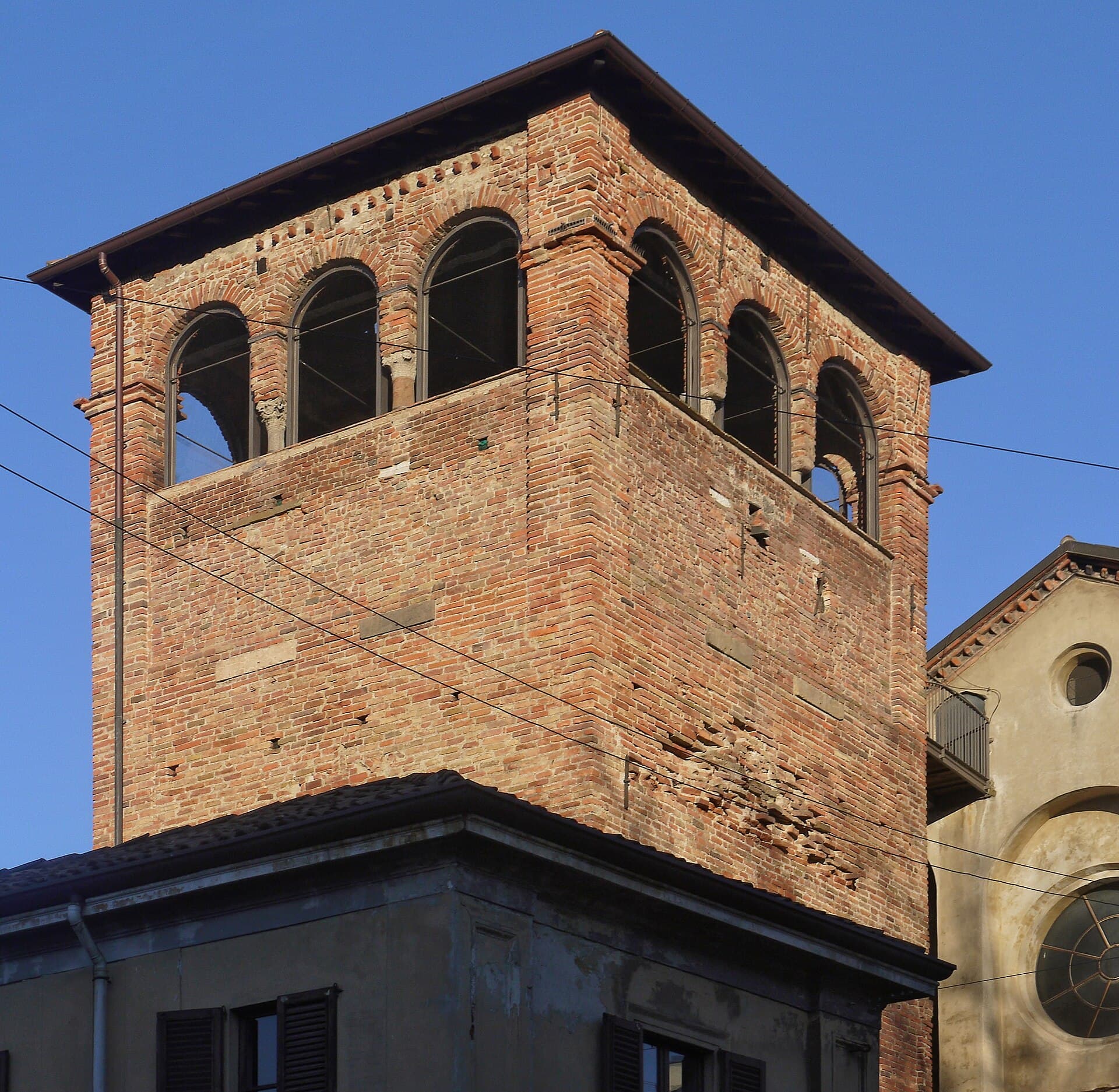 San Maurizio al Monastero MaggioreBehind an unpromising grey front on Corso Magenta hides the "Sistine of Milan": 5 minutes walk4.7
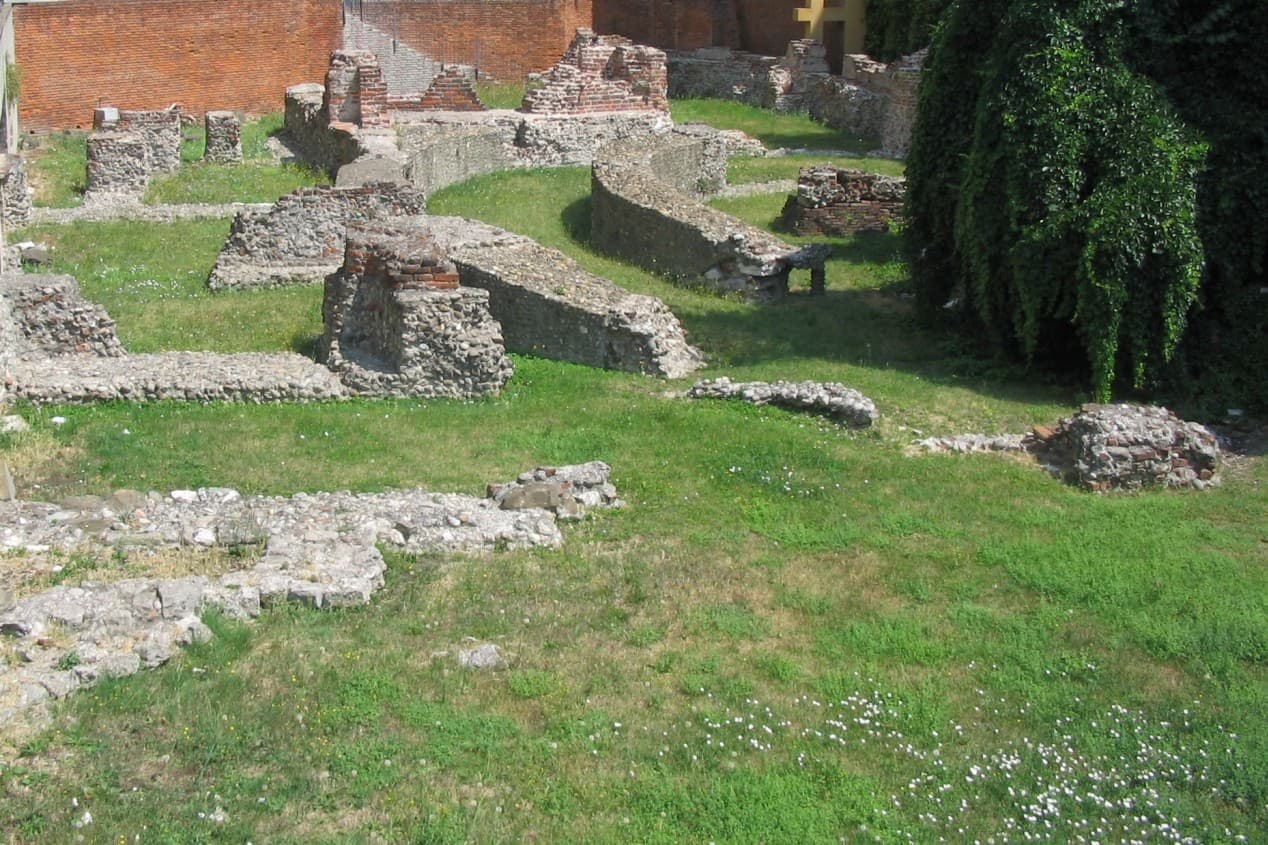 Roman Imperial PalaceThe remains of the Roman imperial palace in Milan, low ruins below street level 6 minutes walk4.5
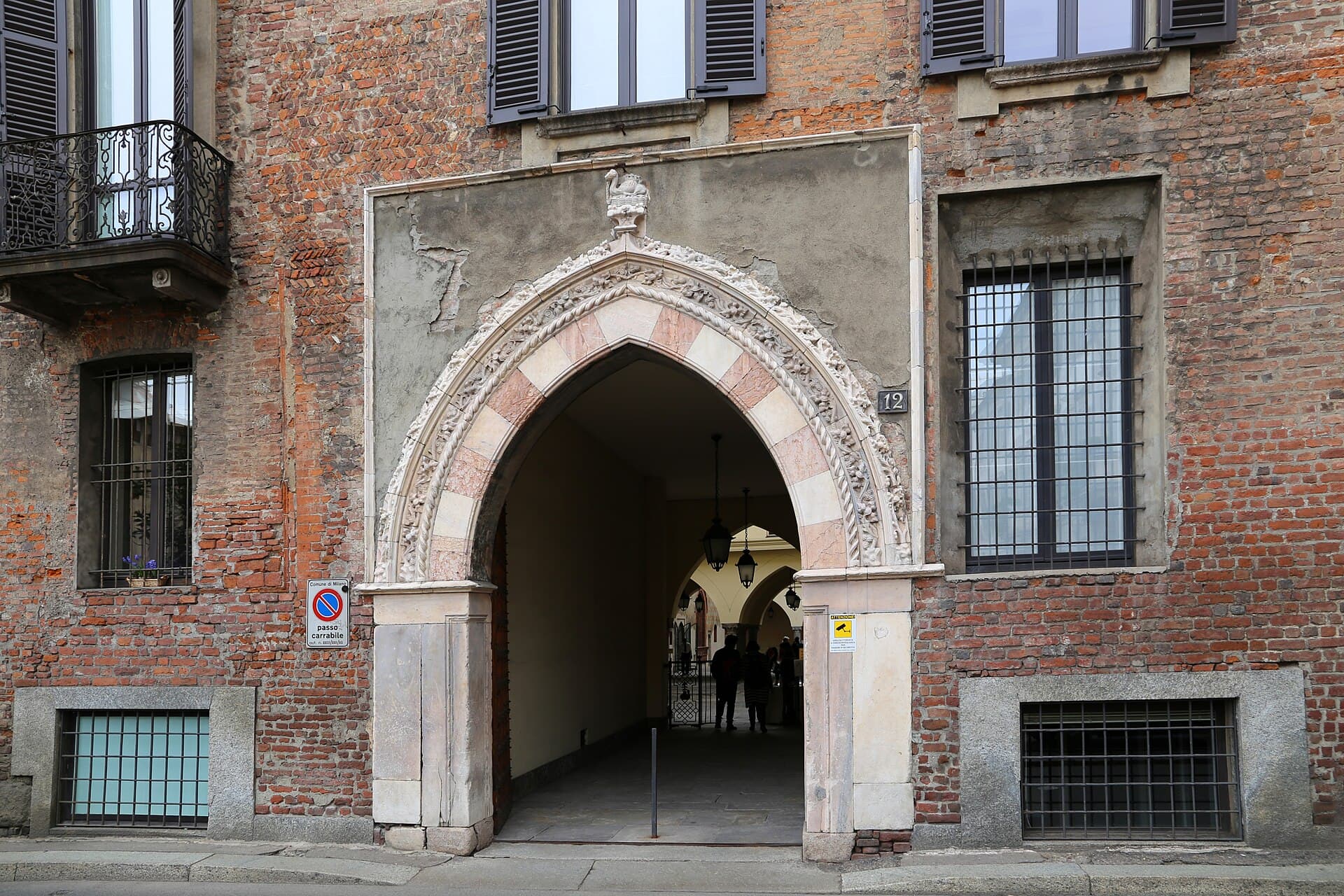 The Palazzo BorromeoA fifteenth-century palace on a small quiet square in central Milan, among the f6 minutes walk4.2
Yes, because it is the Duomo's opposite rather than a smaller version of it. The Duomo is late Gothic, dazzling, crowded and ticketed; Sant'Ambrogio is austere Romanesque brick, shadow and silence, free, and its foundation is roughly a thousand years older. But be honest with yourself: if neither architecture nor early Christian history moves you, you may be out in ten minutes and feel you missed nothing. This is a place that rewards slowing down.
Suitable, but not entertaining. The arcaded courtyard is a safe space to let them move before you go in, and the silver urn in the crypt usually catches their curiosity, but there is nothing interactive, no screens and no children's route. Treat it as a half-hour stop, then walk five minutes to the science and technology museum next door, which is the place in this neighbourhood that genuinely earns two hours with kids.