
Sixteen columns that were moved here
Roman columns of the 2nd or 3rd century, stripped from another building and re-erected on this spot in the 4th, and the largest visible Roman remains in Milan.
Óðinn — CC BY-SA 2.5 ca · Dominik Matus — CC BY-SA 4.0 · Sailko — CC BY 3.0 · Mister No — CC BY 3.0
Sixteen marble columns still standing in a single row after roughly eighteen centuries, and the largest piece of Roman Milan left above ground. The twist is that they were never carved for this spot: they were cut in the 2nd or 3rd century AD for a public building or a pagan temple somewhere else in the city, then pulled down in the 4th century and hauled here to front the rising Basilica of San Lorenzo. What you are looking at is high-end Roman recycling that outlived the city it was made for. Behind the colonnade stands the basilica itself, far older than its much-restored exterior suggests. Entry is free during opening hours and the wide dome is worth ten minutes of your time. The real prize is the Chapel of Sant'Aquilino attached to it: a small room with a token entry fee, holding early Christian mosaics from the 4th and 5th centuries, among the oldest things Milan owns. Out front stands a bronze Constantine, cast in 1937 as a copy of an ancient Roman statue kept in Rome rather than an antiquity in its own right. After sunset the square becomes something else entirely. It is Milan's best-known young gathering spot: hundreds sitting on the steps and the column bases, beer in hand, guitars, noise running well past midnight. It is genuinely alive and worth seeing if you want the city unpolished, but it is not the right hour for a family with children. The practical advice is simple: come by day or just before sunset, when the light on the marble is at its best and the square is far calmer. The visit itself takes twenty minutes, costs nothing, and needs no ticket, queue or timed slot. So do not cross the city for it alone. Fold it into a walk: about fifteen minutes on foot from the Duomo, then five more to the medieval Porta Ticinese gate and roughly ten beyond it to the Navigli canals for cafes, restaurants and the evening. Right beside the columns lies the Parco delle Basiliche, an easy patch of green to sit down in with children.
Roman columns of the 2nd or 3rd century, stripped from another building and re-erected on this spot in the 4th, and the largest visible Roman remains in Milan.
The Basilica of San Lorenzo costs nothing to enter, and inside it the Chapel of Sant'Aquilino holds 4th and 5th century early Christian mosaics for about 2 euros.
Quiet and photogenic in daylight, then packed after dark with young Milanese and their noise until well past midnight.
Corso di Porta Ticinese 35, in front of the Basilica of San Lorenzo, 20123 Milan, Italy
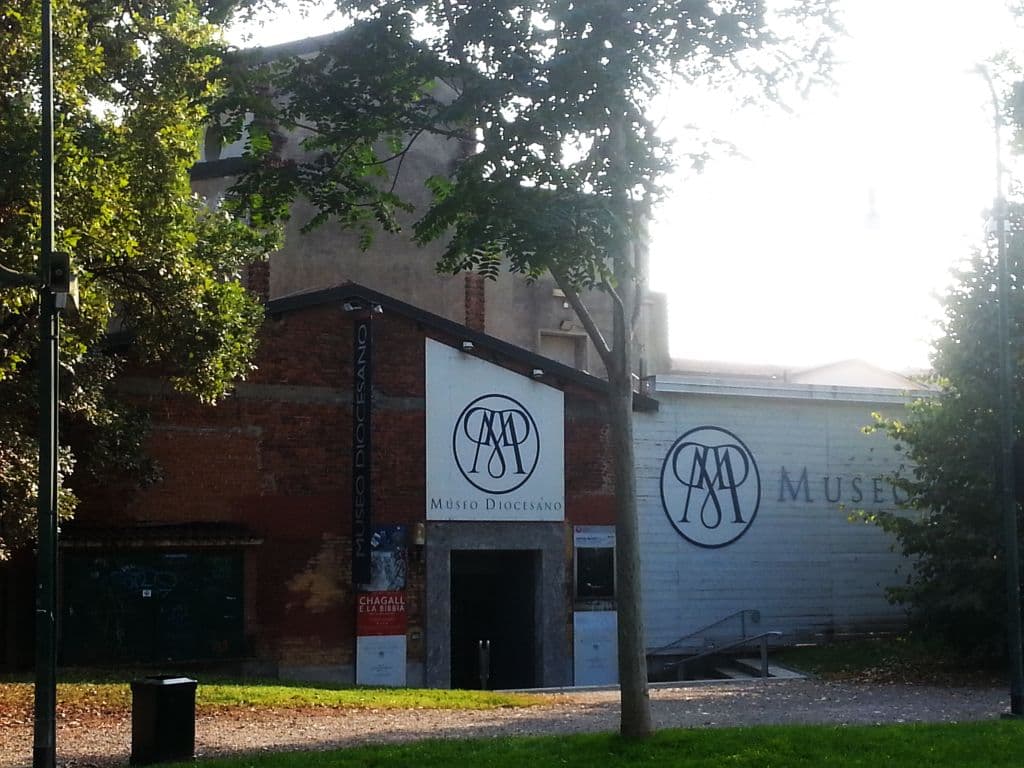 Museo DiocesanoA museum of religious art in the cloisters of the Sant'Eustorgio complex south o6 minutes walk4.6
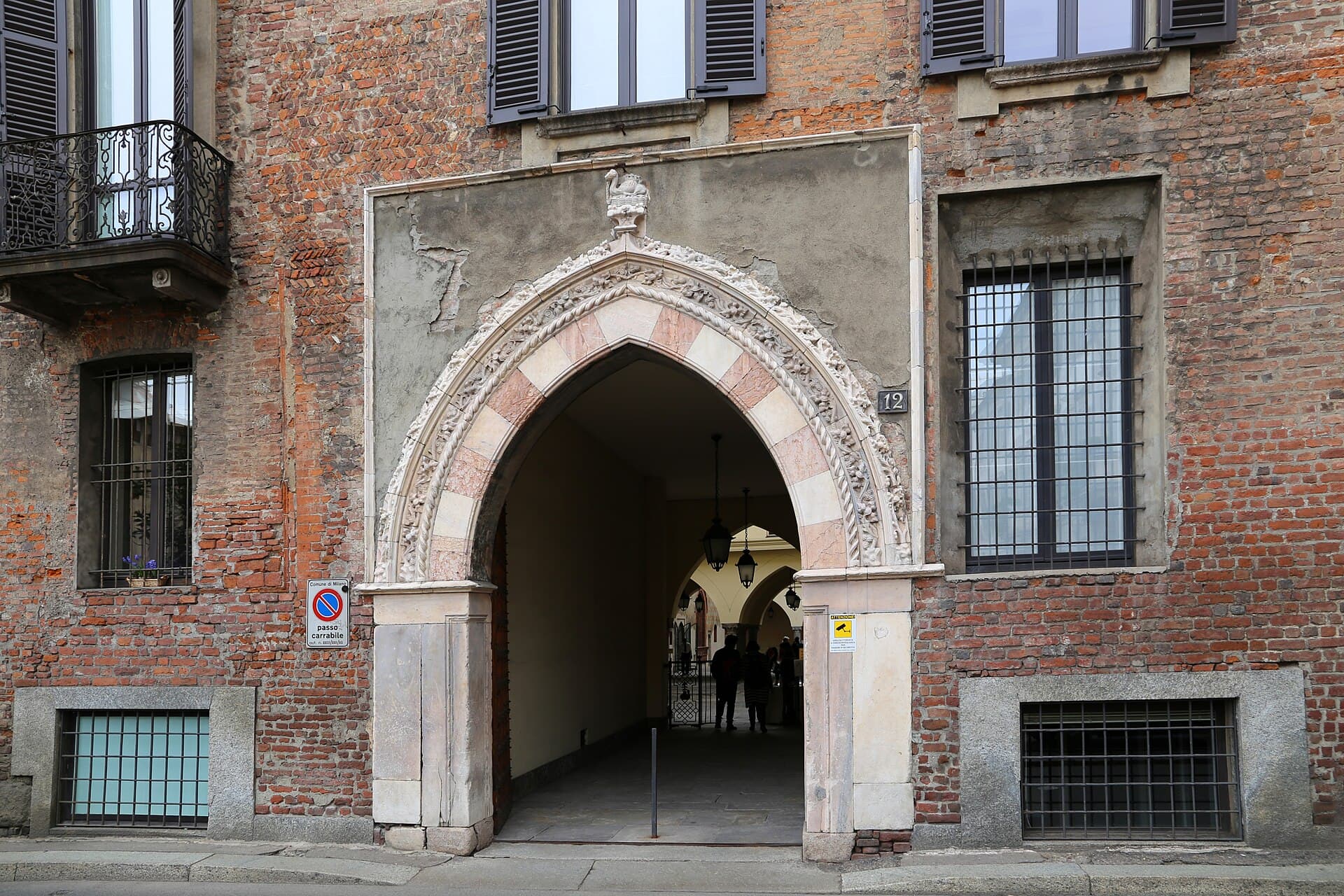 The Palazzo BorromeoA fifteenth-century palace on a small quiet square in central Milan, among the f7 minutes walk4.2
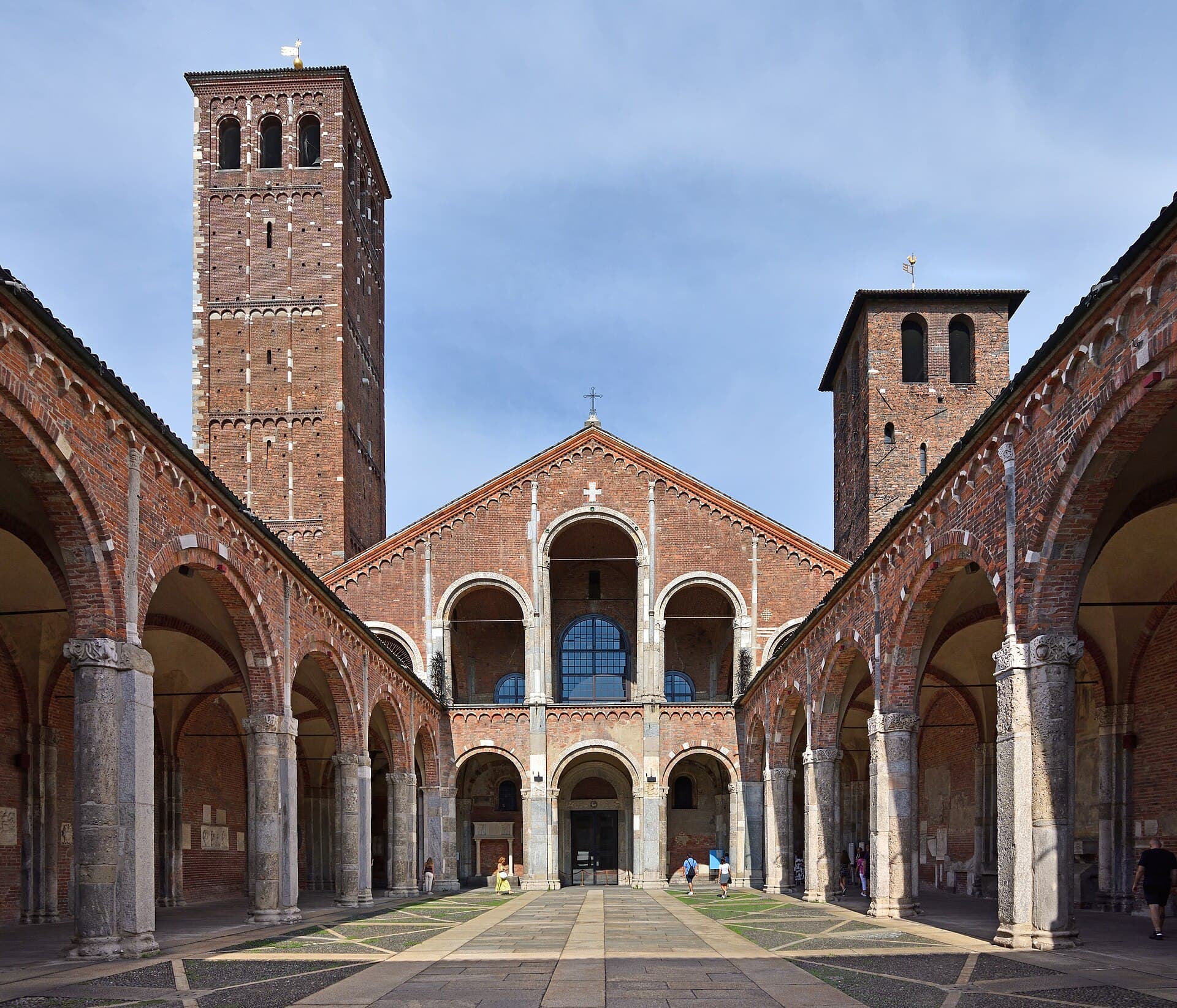 Basilica of Sant'AmbrogioBeneath the high altar, behind the glass of a silver casket, three men lie side 8 minutes walk4.6
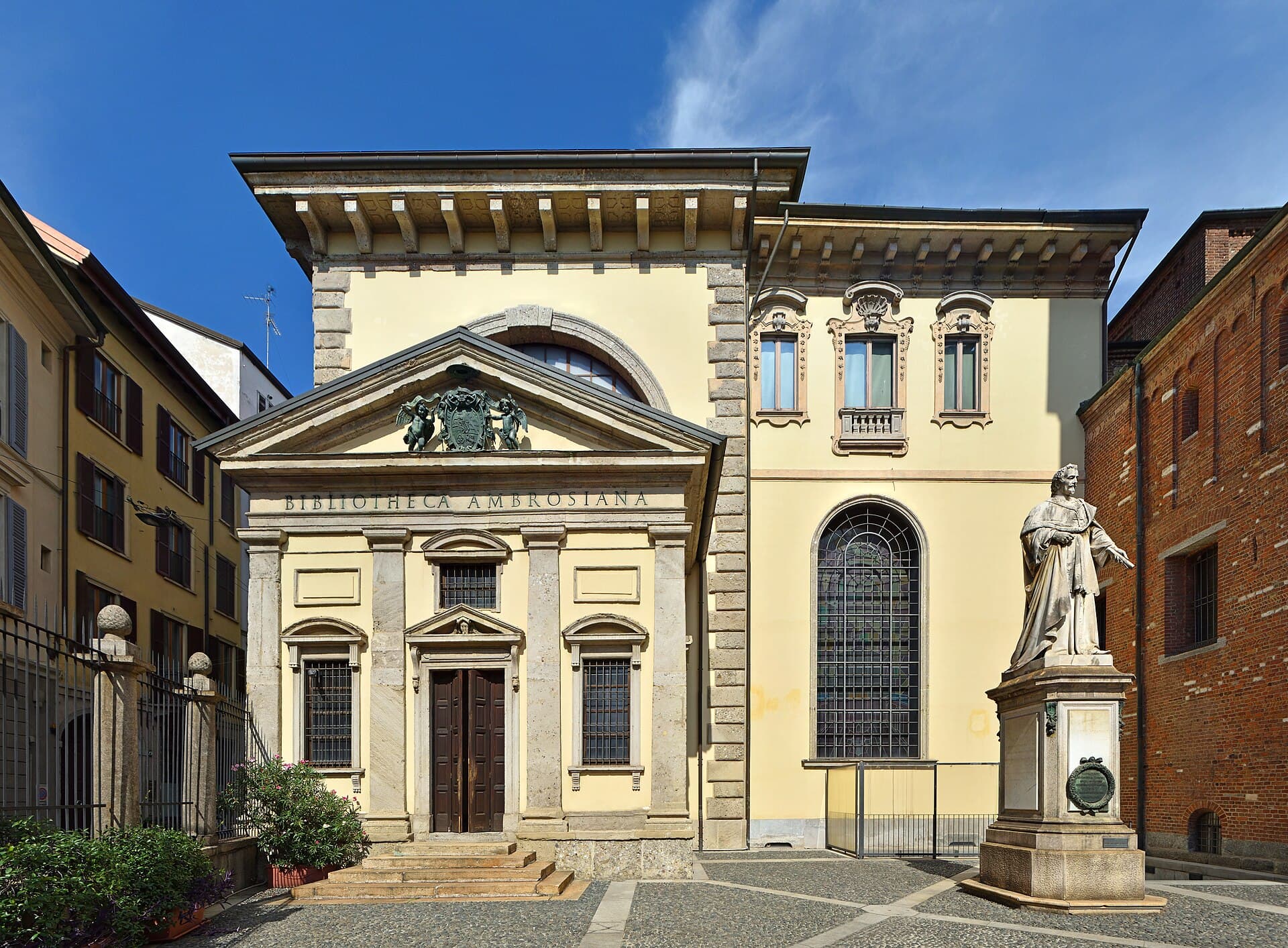 Pinacoteca AmbrosianaIn a single room of an old palazzo in central Milan, a charcoal drawing runs som9 minutes walk4.5
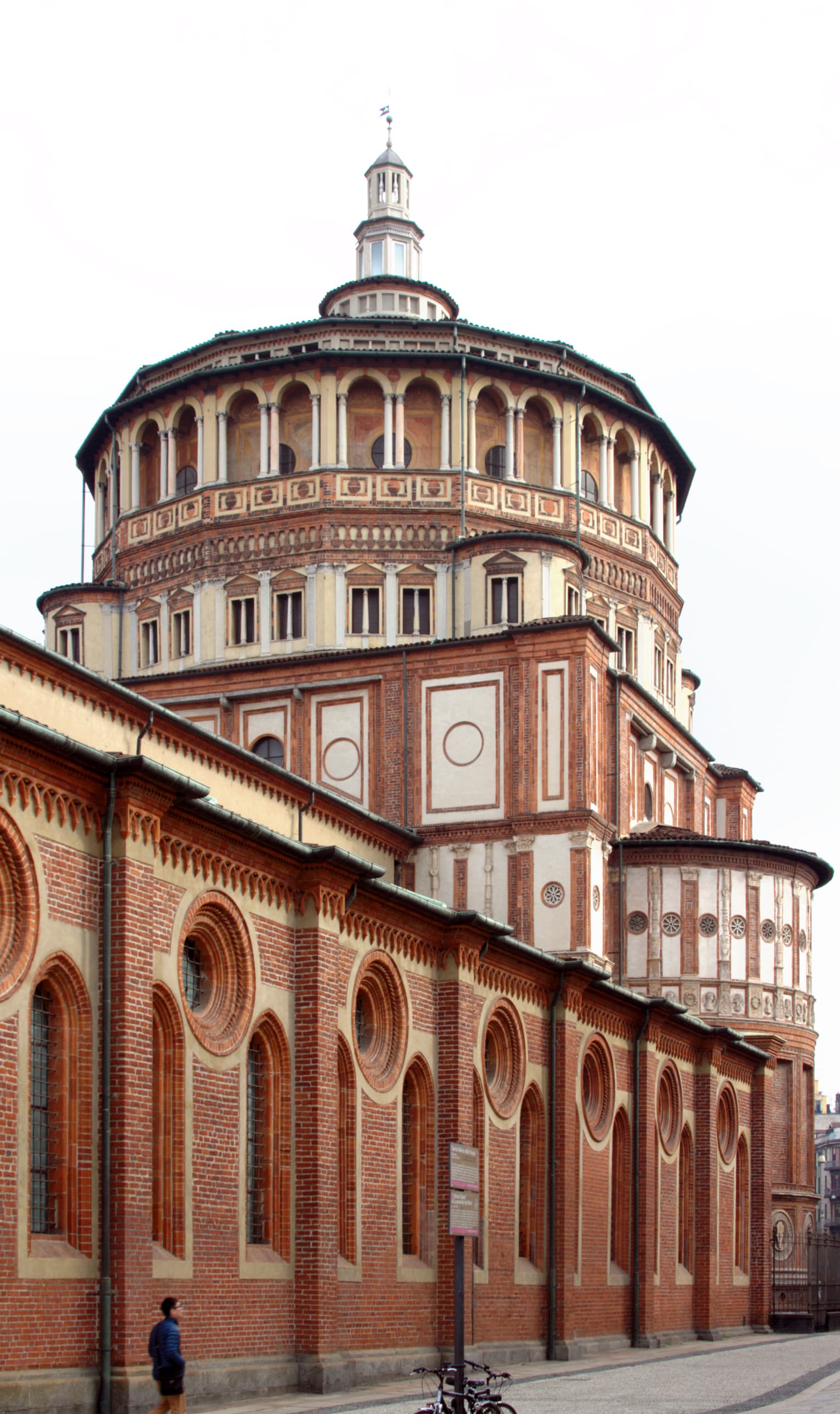 Santa Maria delle GrazieA fifteenth-century convent and church west of central Milan, both on the UNESCO9 minutes walk4.8
Honestly, no, not if you plan to cross the city for it. It is much smaller than photographs suggest and does not compare with what you saw in Rome. But it fully earns ten minutes if you are already walking from the Duomo to the Navigli, because it is the largest above-ground reminder that Milan was once capital of the Western Roman Empire, and it costs nothing.
By day, absolutely: it is a flat open square, the Parco delle Basiliche sits right beside it for a sit-down, and cafes and restaurants are minutes away towards Porta Ticinese. After about nine in the evening, though, the square turns into a loud young crowd drinking outdoors, which suits few Arab families, so plan your visit earlier.