
The Portinari Chapel
In neighbouring Sant'Eustorgio, with frescoes among Milan's most important.
Trotter Christie — CC0 · Benjamin Smith — CC BY-SA 4.0 · Benjamin Smith — CC BY-SA 4.0 · Superchilum — CC BY-SA 4.0
A museum of religious art in the cloisters of the Sant'Eustorgio complex south of central Milan, showing what the city's diocese gathered over the centuries. The collection runs from the Middle Ages to the eighteenth century: paintings, sculpture, liturgical vessels, embroidered textiles and manuscripts, most of it from the churches of Milan and its surroundings. What makes the visit different is that the objects are in context: you are inside a real ecclesiastical complex and the cloisters themselves are historic, so you see religious art in the setting it was made for rather than in a neutral gallery. Part of the museum is given to temporary exhibitions, some leaving religious art entirely for photography or contemporary work. Check the programme before going. It stands at the edge of the Navigli, the canal district that is Milan's best-known area for the evening. That suggests the logical order: the museum in the afternoon, then the canals at sunset. The neighbouring church of Sant'Eustorgio is worth entering and contains the Portinari Chapel with its frescoes.
In neighbouring Sant'Eustorgio, with frescoes among Milan's most important.
A real ecclesiastical complex — the building is part of the display, not a container.
At the edge of the canal district, Milan's best-known evening area.
The Sant'Eustorgio cloisters, Navigli district
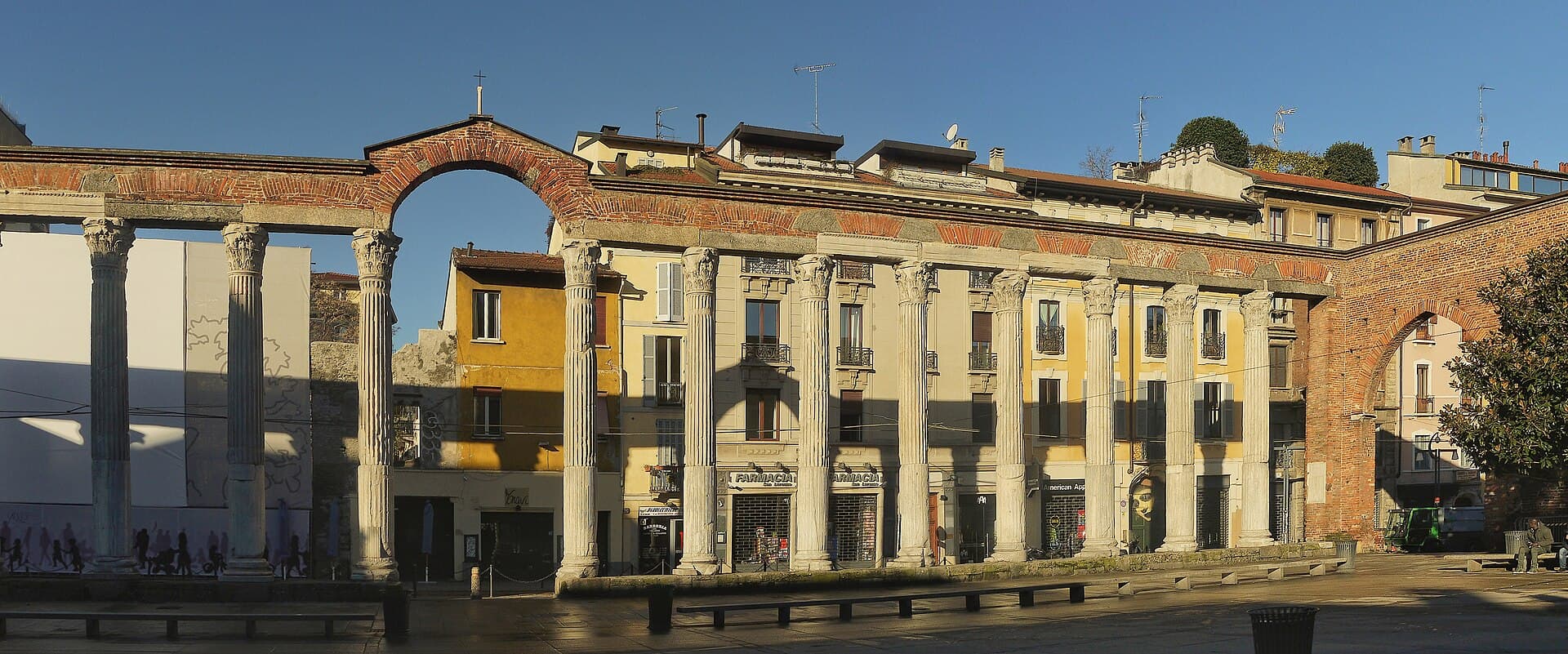 Colonne di San LorenzoSixteen marble columns still standing in a single row after roughly eighteen cen6 minutes walk4.6
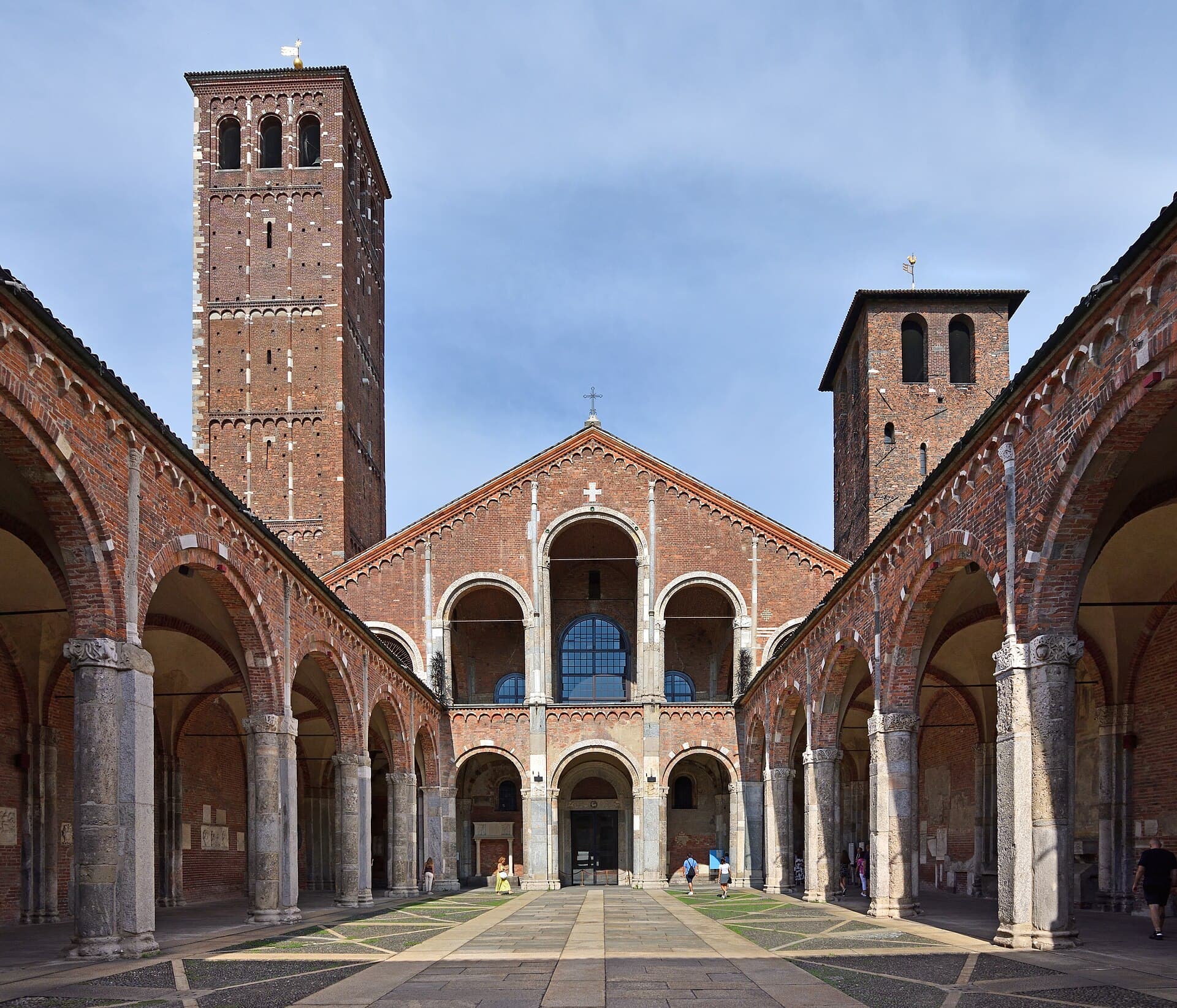 Basilica of Sant'AmbrogioBeneath the high altar, behind the glass of a silver casket, three men lie side 13 minutes walk4.6
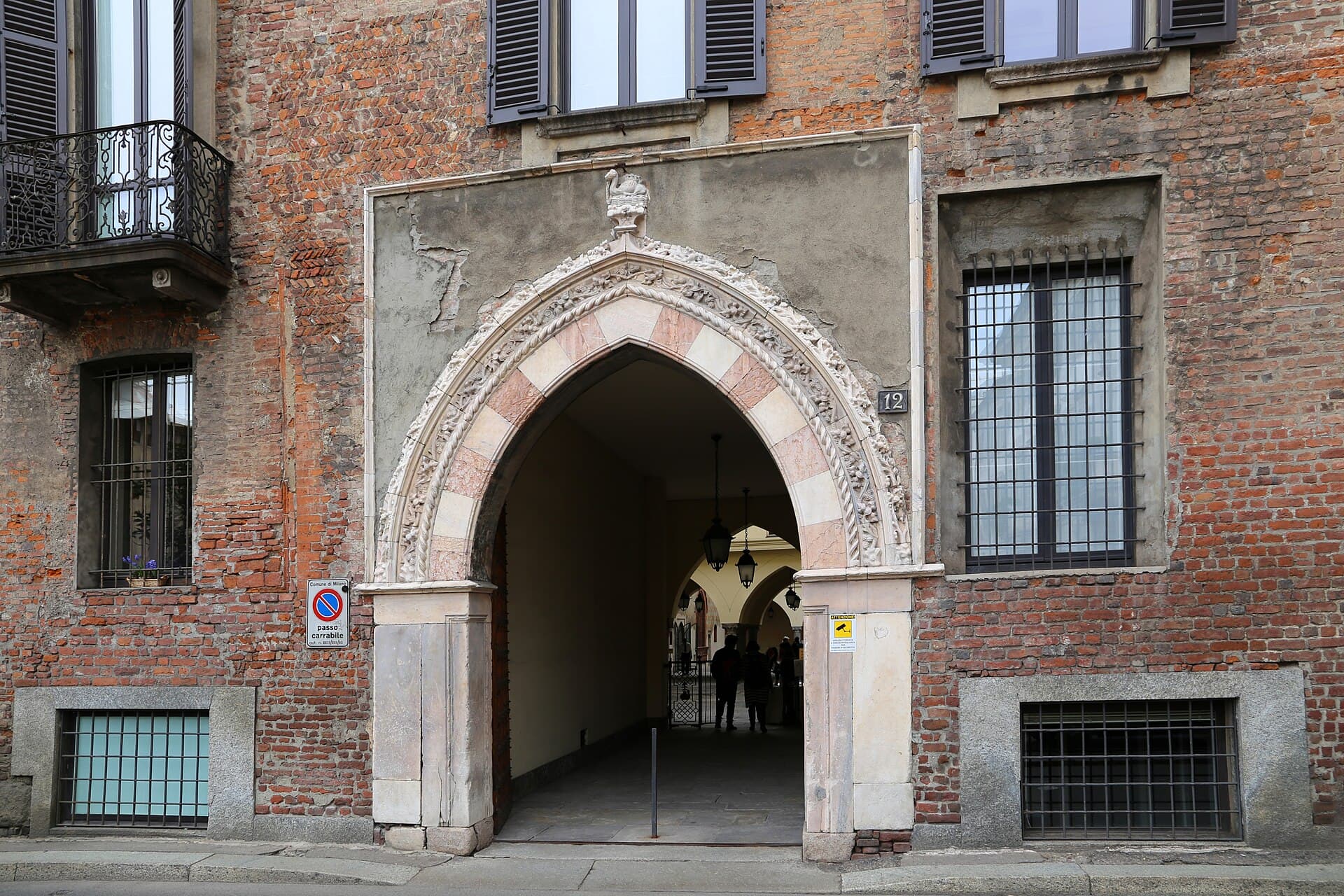 The Palazzo BorromeoA fifteenth-century palace on a small quiet square in central Milan, among the f13 minutes walk4.2
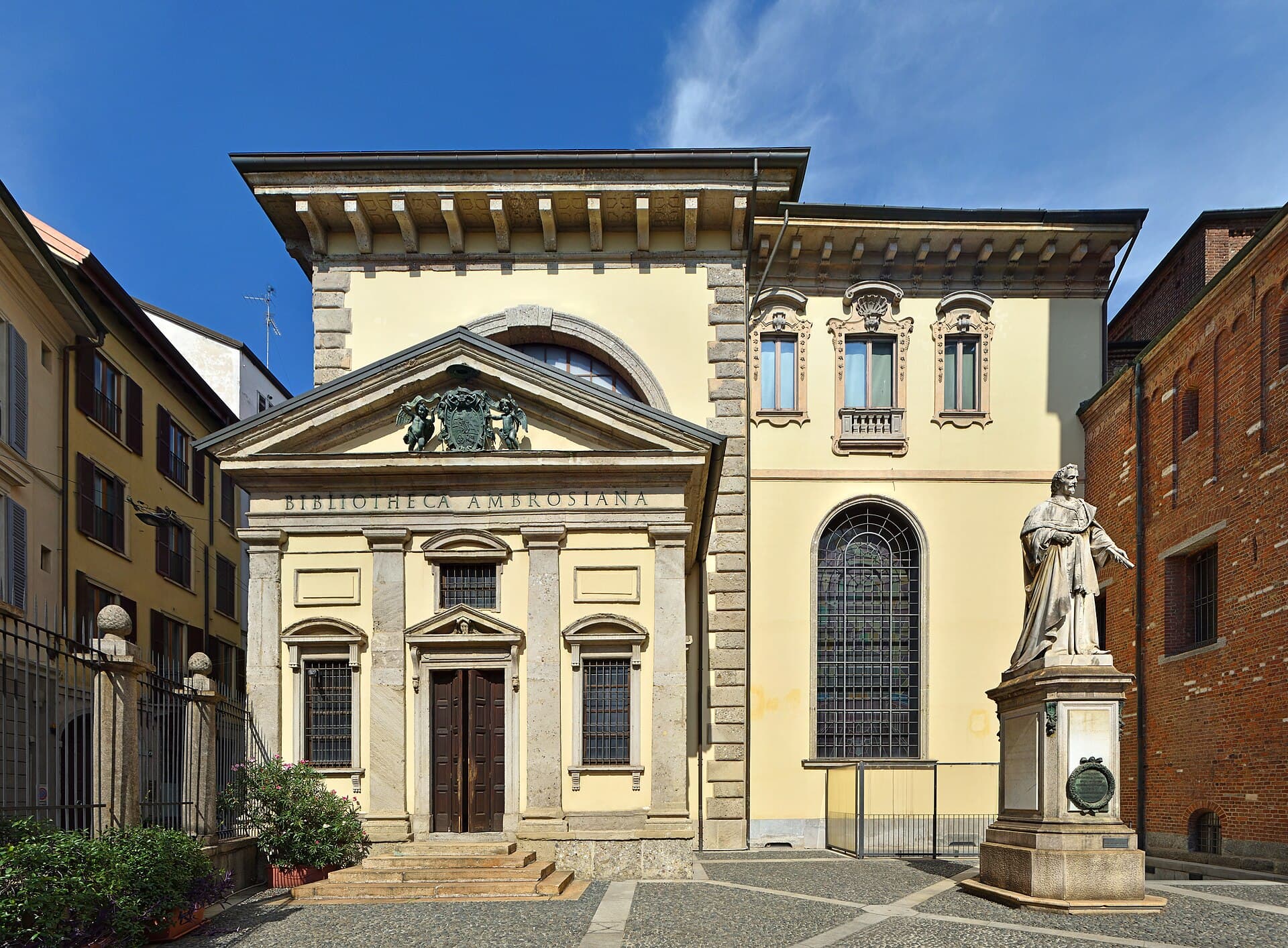 Pinacoteca AmbrosianaIn a single room of an old palazzo in central Milan, a charcoal drawing runs som14 minutes walk4.5
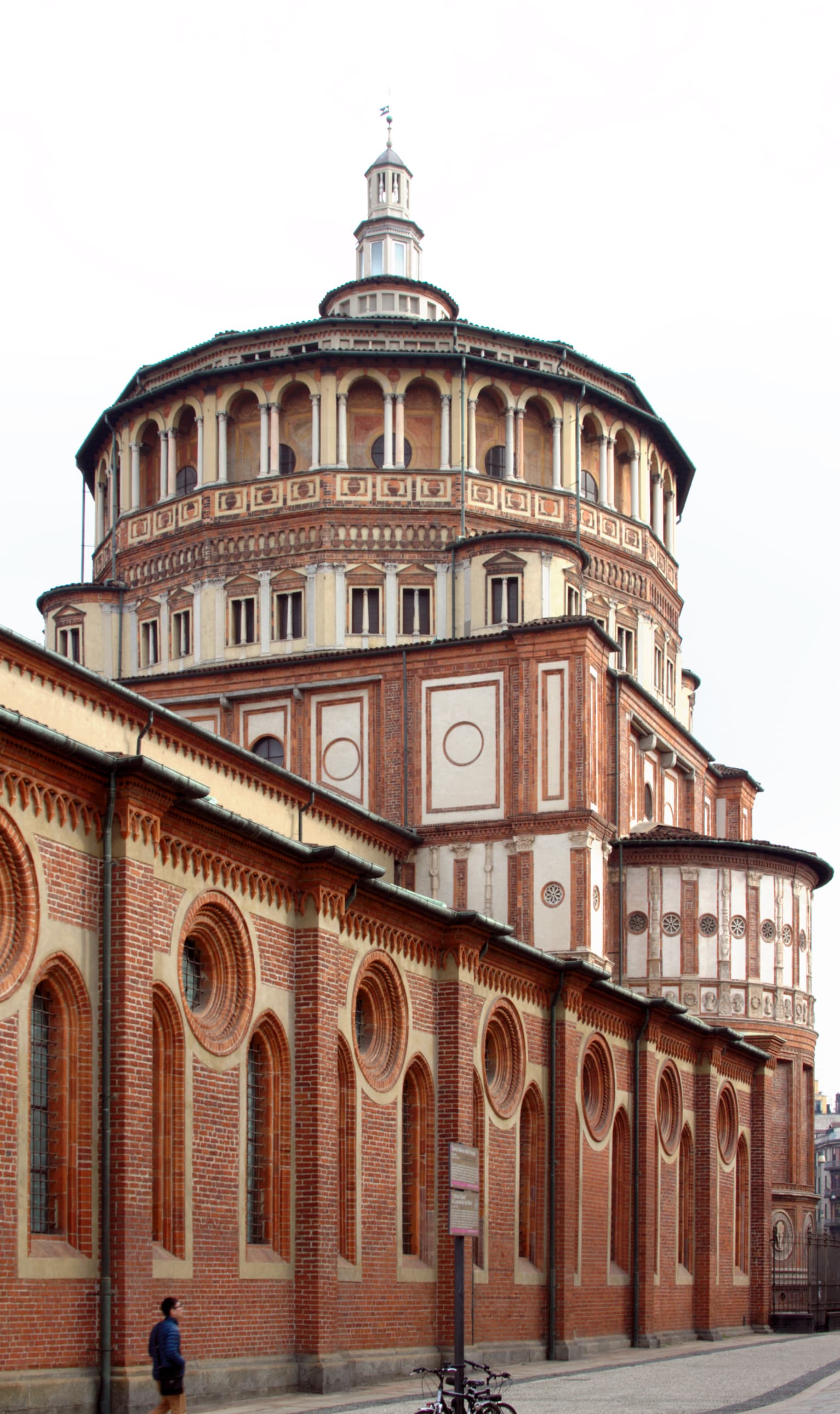 Santa Maria delle GrazieA fifteenth-century convent and church west of central Milan, both on the UNESCO14 minutes walk4.8
Yes — they adjoin and a combined ticket may be sold. The Portinari Chapel is among Milan's most important Renaissance interiors and its frescoes are exceptional. With one choice, start there and add the museum if time remains.
The canal district southwest of central Milan, what remains of a network that linked the city to the rivers and helped carry the marble for the Duomo. Today it is Milan's best-known evening area, with cafés and restaurants along both banks, and sunset is its best hour.