
The Concorde clock
Given by Louis-Philippe in exchange for the Luxor obelisk, and never once working.
kallerna — CC BY-SA 3.0 · Summering2018 — CC BY-SA 4.0 · Ahmedr fg — CC BY-SA 4.0 · ولاء — Public domain
The grey-domed mosque with two slender minarets that became Cairo's skyline, known to everyone as the Alabaster Mosque. Muhammad Ali Pasha built it between 1830 and 1848 in the Ottoman rather than the Egyptian manner — a great central dome with half-domes around it and two pencil minarets, on the model of Istanbul. The choice was as political as architectural: a governor who had come from Kavala was building himself a legitimacy that rivalled the Porte in the Porte's own architectural language. The nickname comes from the alabaster that faced the walls inside and out to about the height of a man. The interior is broad and comparatively dark, hung with an enormous chandelier, and the open unsupported span beneath the dome surprises those who did not expect it. In the courtyard stands a brass clock given by Louis-Philippe of France in exchange for the Luxor obelisk that now stands in the Place de la Concorde in Paris. The clock has never worked, a standing Cairo joke. Muhammad Ali's own tomb is inside the mosque, to the right of the entrance in a marble enclosure. It sits within the Citadel and is entered on the Citadel ticket; it closes to visitors at prayer times.
Given by Louis-Philippe in exchange for the Luxor obelisk, and never once working.
Alabaster covers the walls to head height, giving the mosque its nickname.
In a marble enclosure inside the mosque itself, right of the entrance.
Inside the Saladin Citadel, Cairo
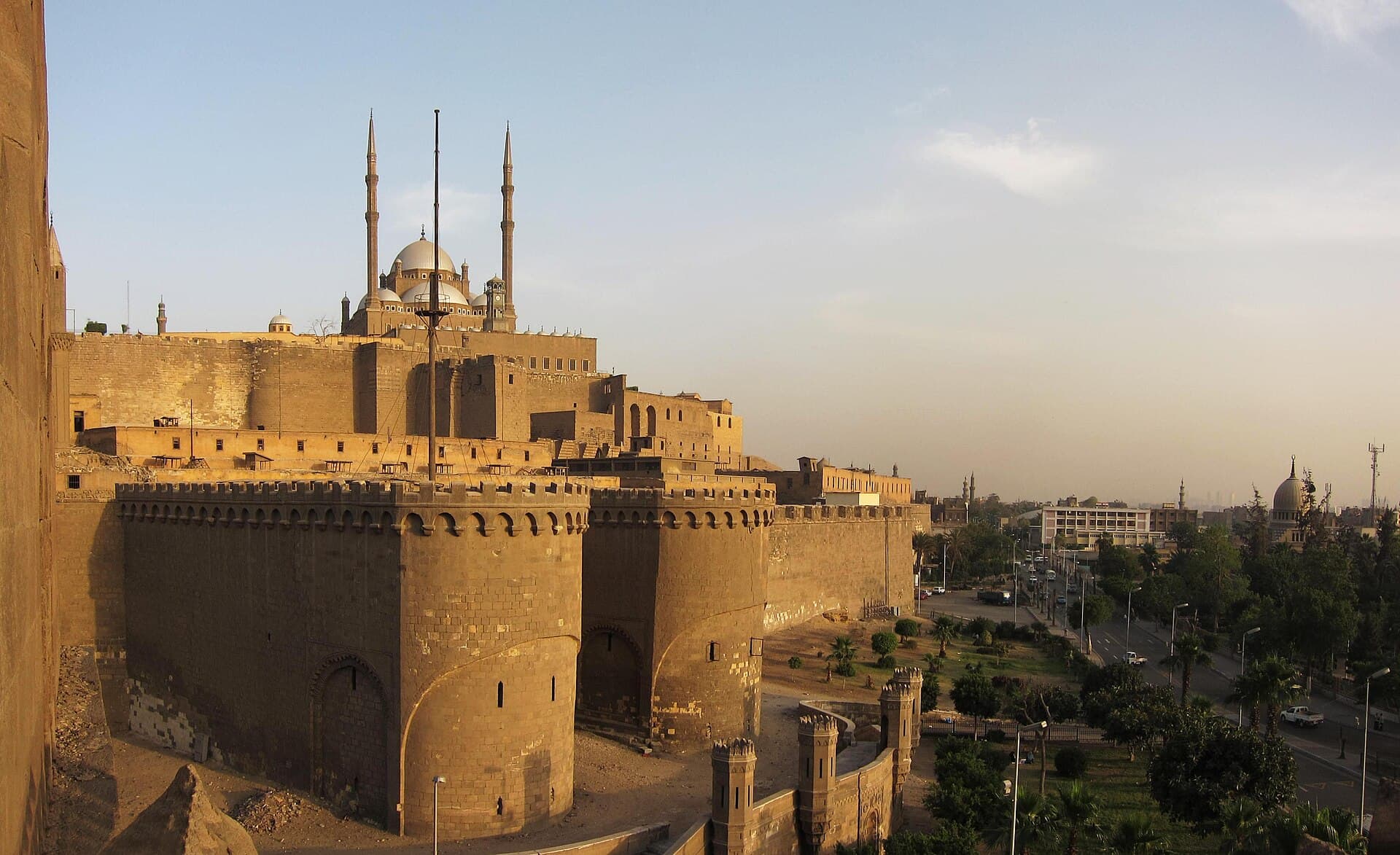 Saladin CitadelThe fortress from which Egypt was ruled for seven hundred years, set on a spur o1 minute walk4.5
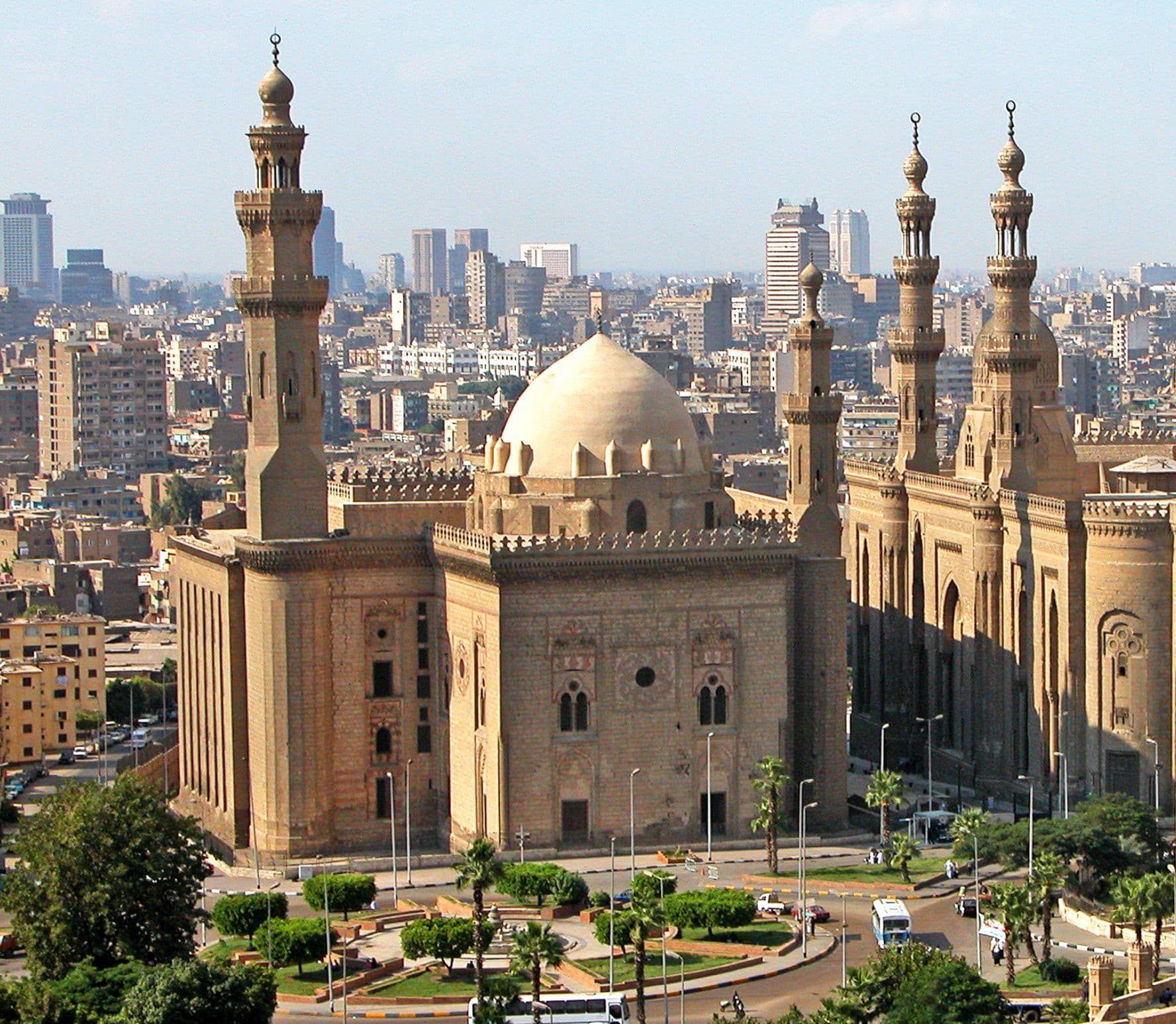 Mosque-Madrasa of Sultan HassanThe largest thing the Mamluks built, and to many historians the summit of Islami6 minutes walk4.8
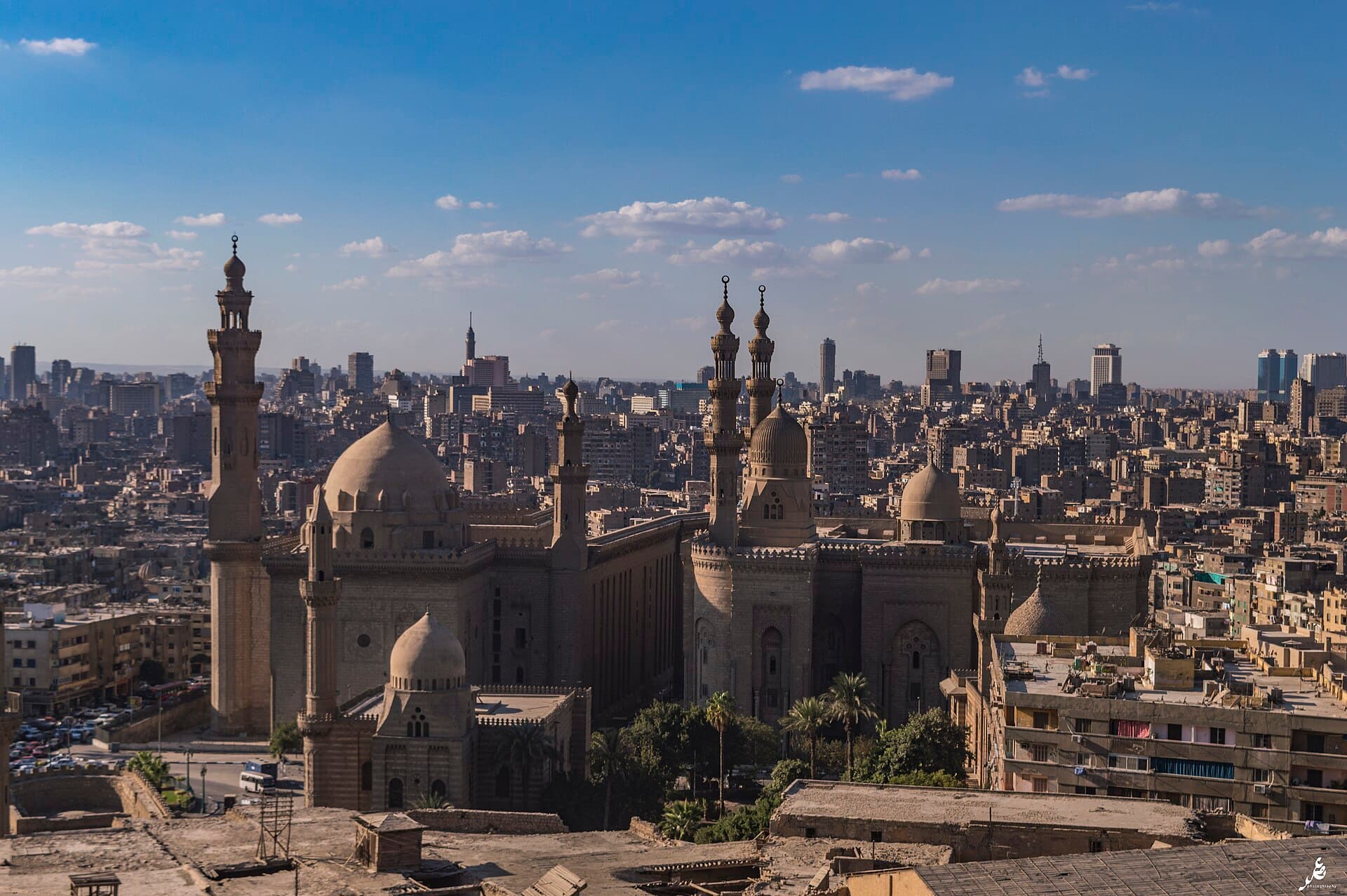 Al-Rifa'i MosqueA huge, grand mosque on Citadel Square, facing the Mamluk Madrasa of Sultan Hass6 minutes walk4.7
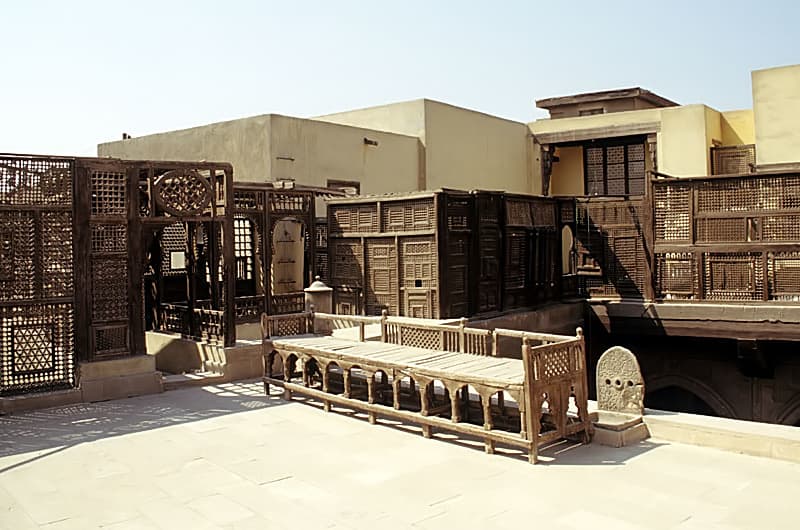 Gayer-Anderson Museum (Bayt al-Kritliyya)Two joined old houses beside the Mosque of Ahmad ibn Tulun, the older from the s11 minutes walk4.5
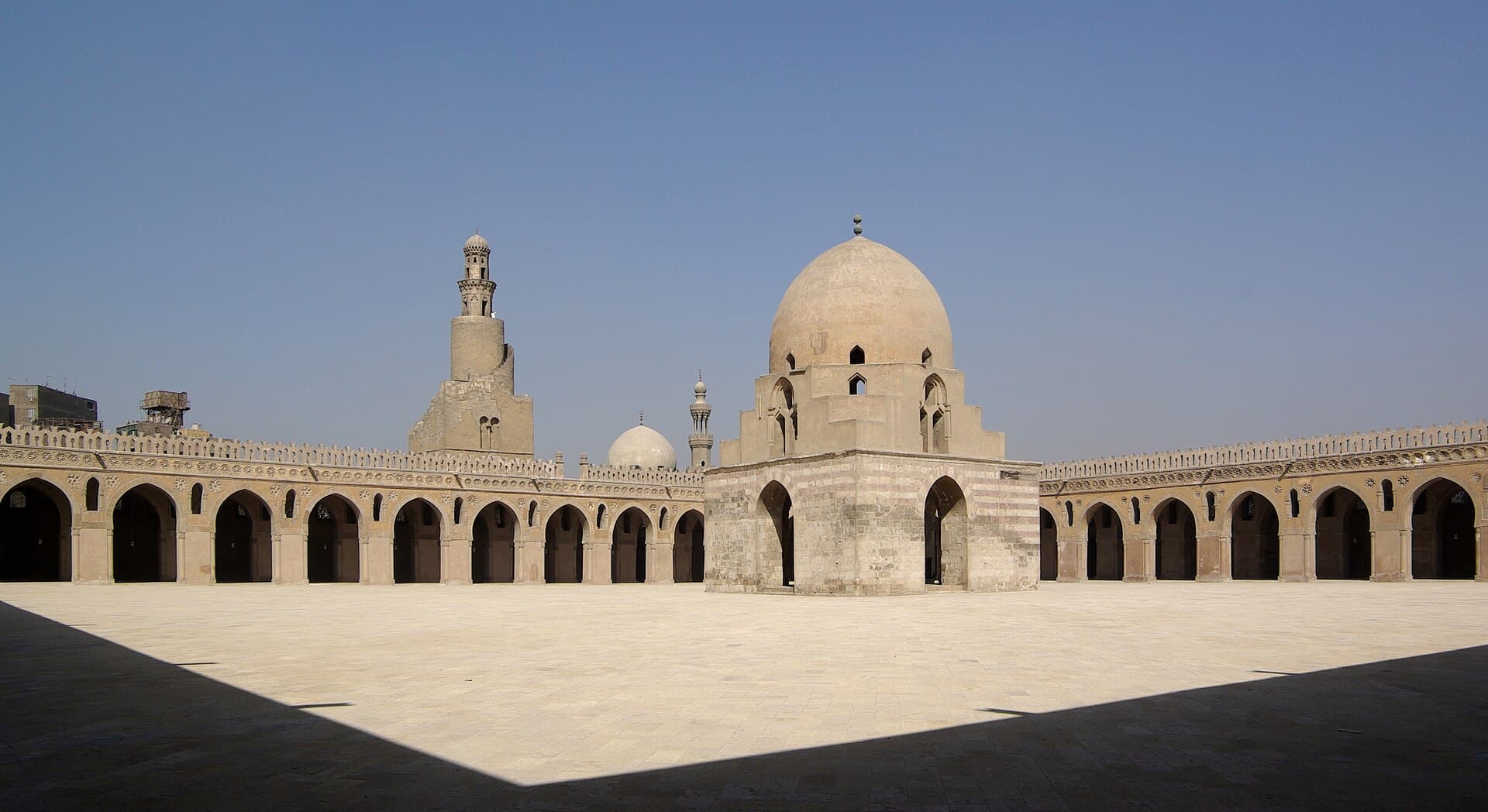 Mosque of Ibn TulunThe oldest mosque in Egypt surviving in its original form, and the largest in ar12 minutes walk4.6
Yes; it is open to all visitors outside prayer times. The conditions are those of any mosque: shoes off, modest dress, a head covering for women, and quiet while anyone is praying.
An old matter of taste. The Muhammad Ali Mosque is grander and far better known. The Mamluk mosque of al-Nasir Muhammad stands in the same citadel, five centuries older and much plainer, and is preferred by those who see the late Ottoman style as imitation. The same ticket covers both, so there is no need to choose.