
The al-Nasir Muhammad Mosque
Mamluk, fourteenth century — five centuries older than the Muhammad Ali Mosque and far plainer.
Ahmed Al.Badawy from Cairo, Egypt — CC BY-SA 2.0 · Abdullah Harby — CC BY-SA 4.0 · Chemist.wael — CC BY-SA 4.0 · Ahmed Al.Badawy from Cairo, Egypt — CC BY-SA 2.0
The fortress from which Egypt was ruled for seven hundred years, set on a spur of the Muqattam hills above the whole city. Saladin began it in 1176 to enclose Cairo and Fustat behind one wall, and chose the spot for practical reasons: cleaner air, water that could be brought up, and an attacker visible long before arrival. It stayed the seat of government from the Ayyubids through the Mamluks and Ottomans to Muhammad Ali, until rule moved down to Abdeen Palace in the nineteenth century. One ticket covers several monuments inside the walls, which is why the visit runs longer than people expect: the Muhammad Ali Mosque with its Ottoman domes, the Mamluk mosque of al-Nasir Muhammad — older, plainer and to many eyes finer — the Military Museum in the harem palace, and the royal carriage museum. The view from the western wall is why the visit is worth recommending to anyone: Islamic Cairo and all its minarets below you, and on a clear day the pyramids on the horizon. Clear days are not common. The grounds are large and the walking between monuments is in the open sun, with little shade in the courtyards.
Mamluk, fourteenth century — five centuries older than the Muhammad Ali Mosque and far plainer.
The whole of Islamic Cairo and its minarets directly below.
A spiral shaft cut ninety metres into rock to secure the citadel's water under siege.
The Citadel, Al-Khalifa, Cairo
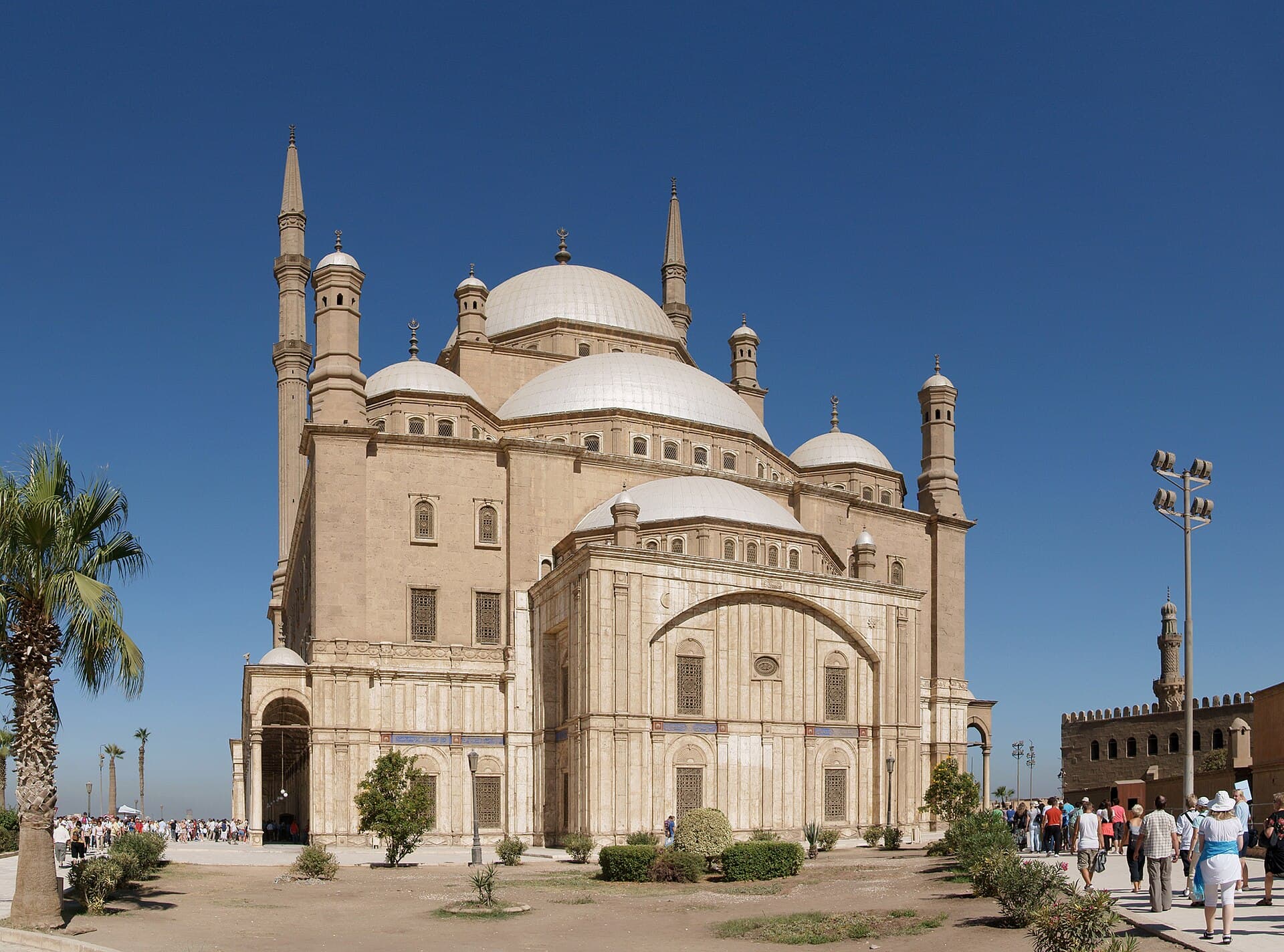 Muhammad Ali MosqueThe grey-domed mosque with two slender minarets that became Cairo's skyline, kno1 minute walk4.8
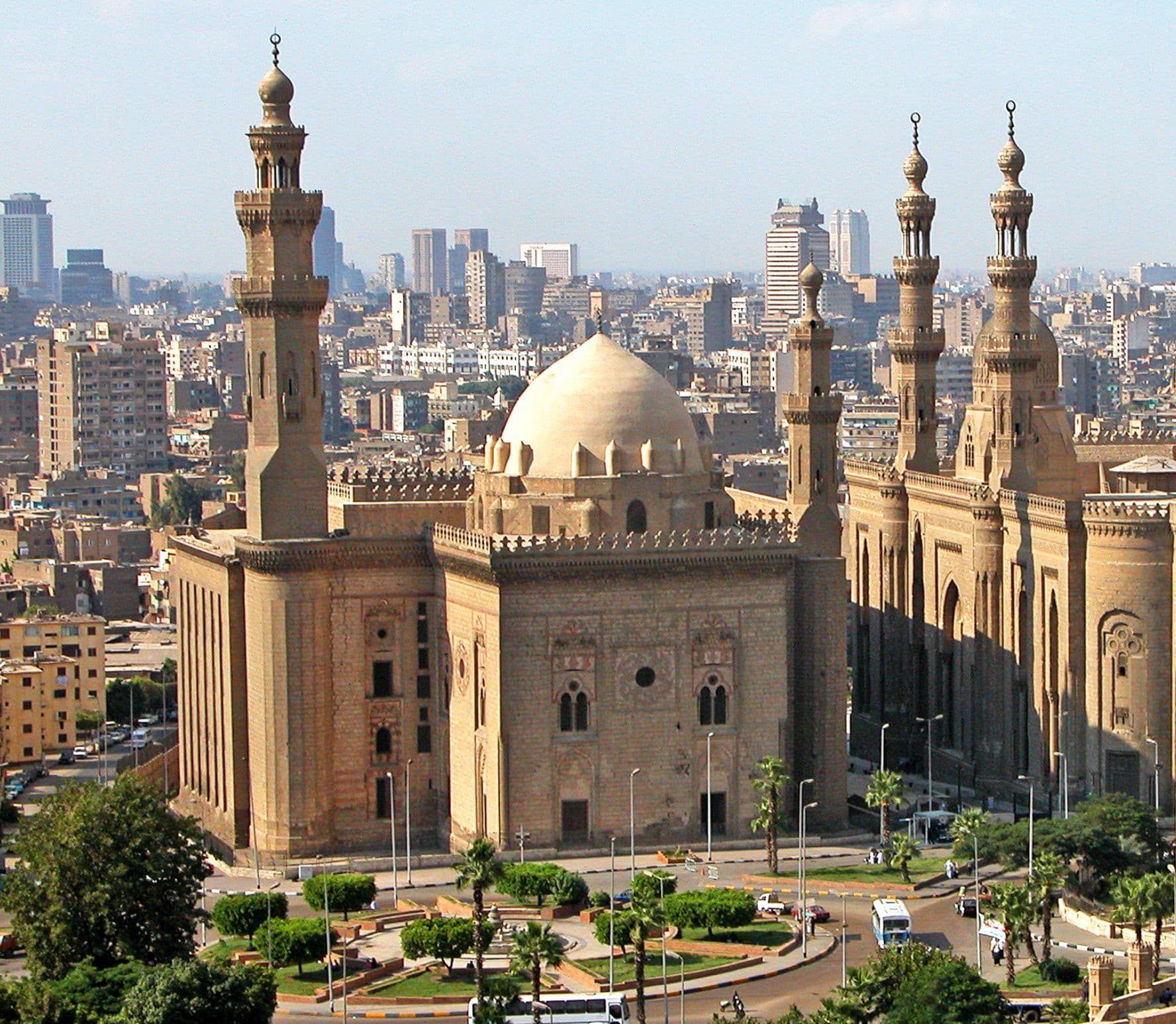 Mosque-Madrasa of Sultan HassanThe largest thing the Mamluks built, and to many historians the summit of Islami6 minutes walk4.8
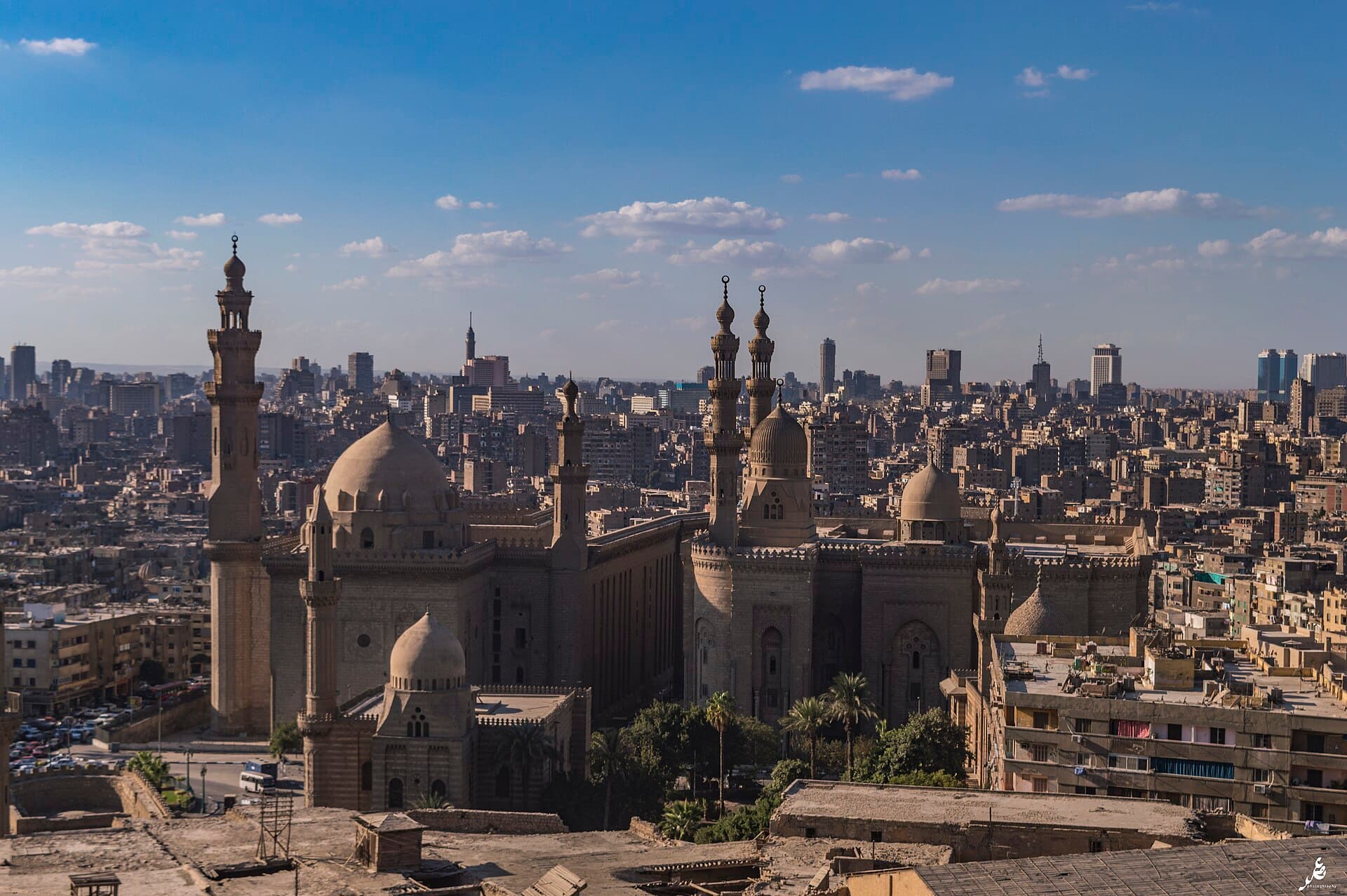 Al-Rifa'i MosqueA huge, grand mosque on Citadel Square, facing the Mamluk Madrasa of Sultan Hass7 minutes walk4.7
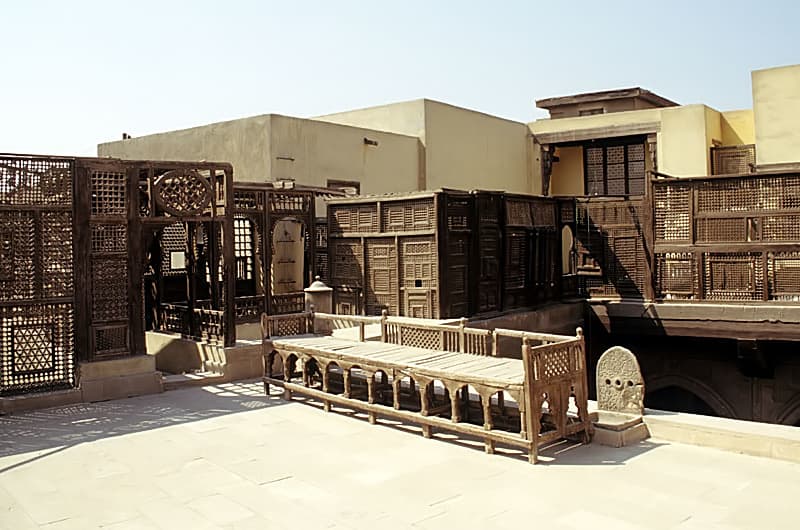 Gayer-Anderson Museum (Bayt al-Kritliyya)Two joined old houses beside the Mosque of Ahmad ibn Tulun, the older from the s11 minutes walk4.5
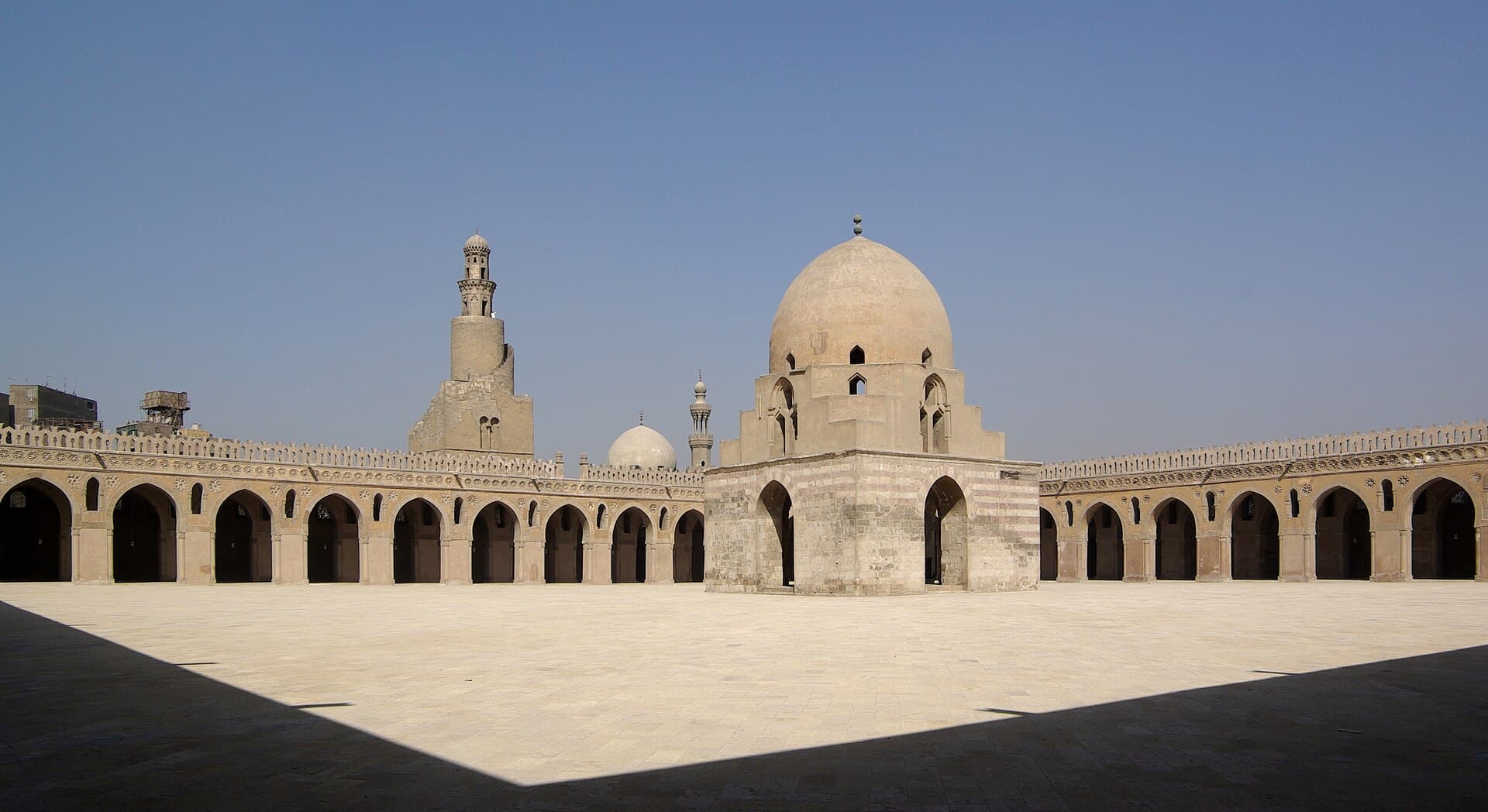 Mosque of Ibn TulunThe oldest mosque in Egypt surviving in its original form, and the largest in ar12 minutes walk4.6
At least two and a half hours for the two mosques and the view, four if you go through all the museums. Most people underestimate it because they think it is one mosque.
You can, but the mosques close to visitors from well before midday until after the prayer. Make Friday a late-afternoon visit, or choose another day if the mosques are the point.
By car or ride app — it sits on a hill and walking up is hard and unpleasant. From the Sultan Hassan Mosque below it is a short drive, and the two combine easily in one day.