
The fires of 1421 and 1452
After them timber facades were banned and stone and tile required.
Ben Bender — CC BY-SA 3.0 · Joop van Bilsen for Anefo — CC0 · G.Lanting — CC BY-SA 3.0 · Nuss, A.J. — Public domain
A fifteenth-century house inside the Begijnhof courtyard, regarded as the oldest surviving house in Amsterdam. Its value comes from what no longer stands around it. Medieval Amsterdam was an almost entirely wooden city, built on soft ground that could not carry stone except on piles. Then two great fires, in 1421 and 1452, consumed wide parts of it, and the city passed laws forbidding timber facades and requiring stone and tile. The result is that Amsterdam's wooden houses have almost entirely vanished. This one and a single other survive in the whole city. Standing before it means seeing the form the city had before it became the brick city we know. It sits inside the Begijnhof, a quiet residential courtyard founded in the fourteenth century for devout women who lived a semi-monastic life without permanent vows. The courtyard is still residential today, so the quiet asked for is a real requirement rather than a symbolic one. It is seen from the outside only and entry to the courtyard is free.
After them timber facades were banned and stone and tile required.
The form Amsterdam had before it became what we know.
Founded in the fourteenth century for women living semi-monastic lives without permanent vows.
Begijnhof, central Amsterdam
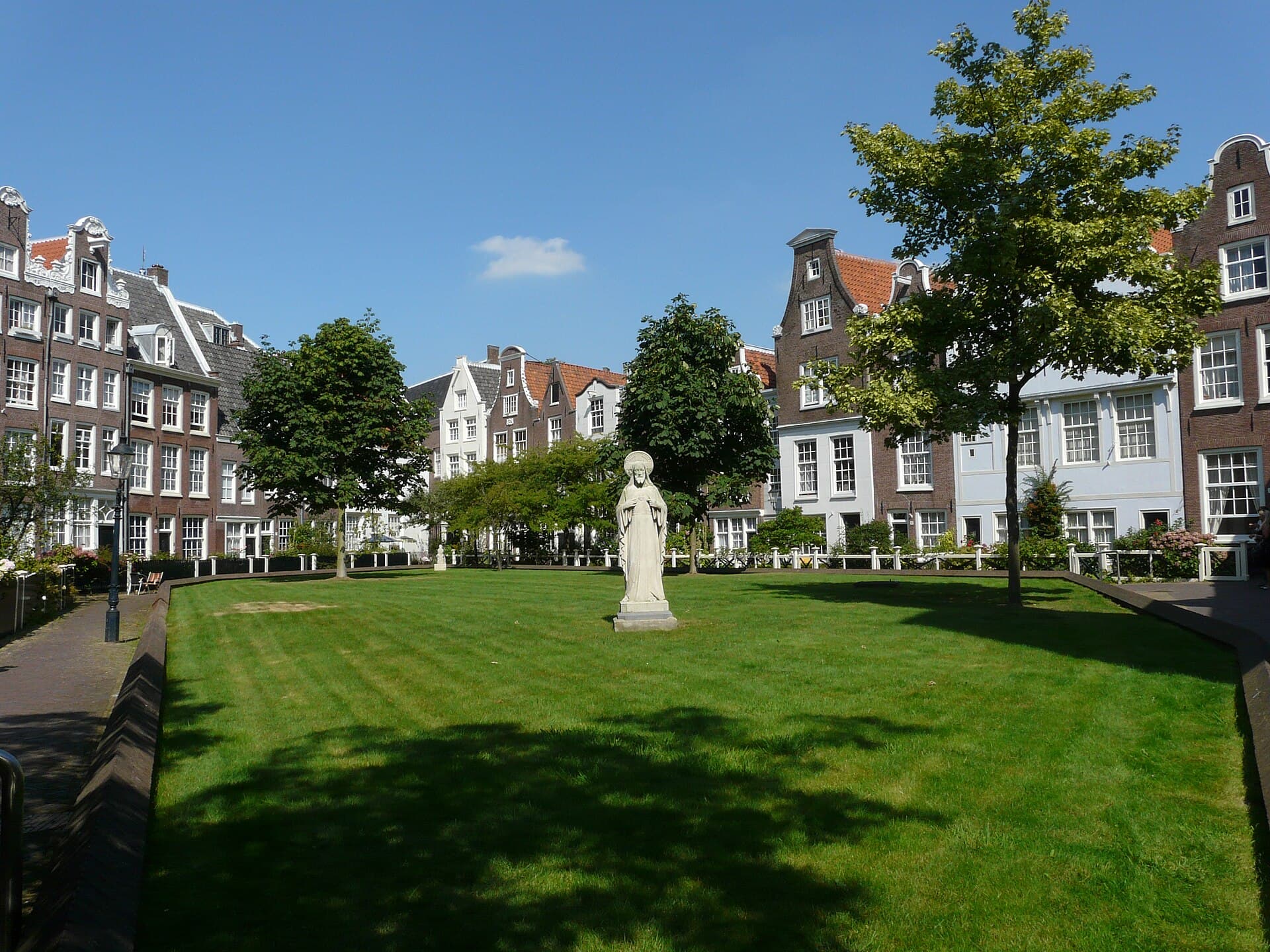 The BegijnhofAn ordinary wooden door near the city's busiest squares — push it and centuries'1 minute walk4.6
 Het LieverdjeA small bronze statue of a boy standing on Spui square, erected in 1960, its nam1 minute walk4.5
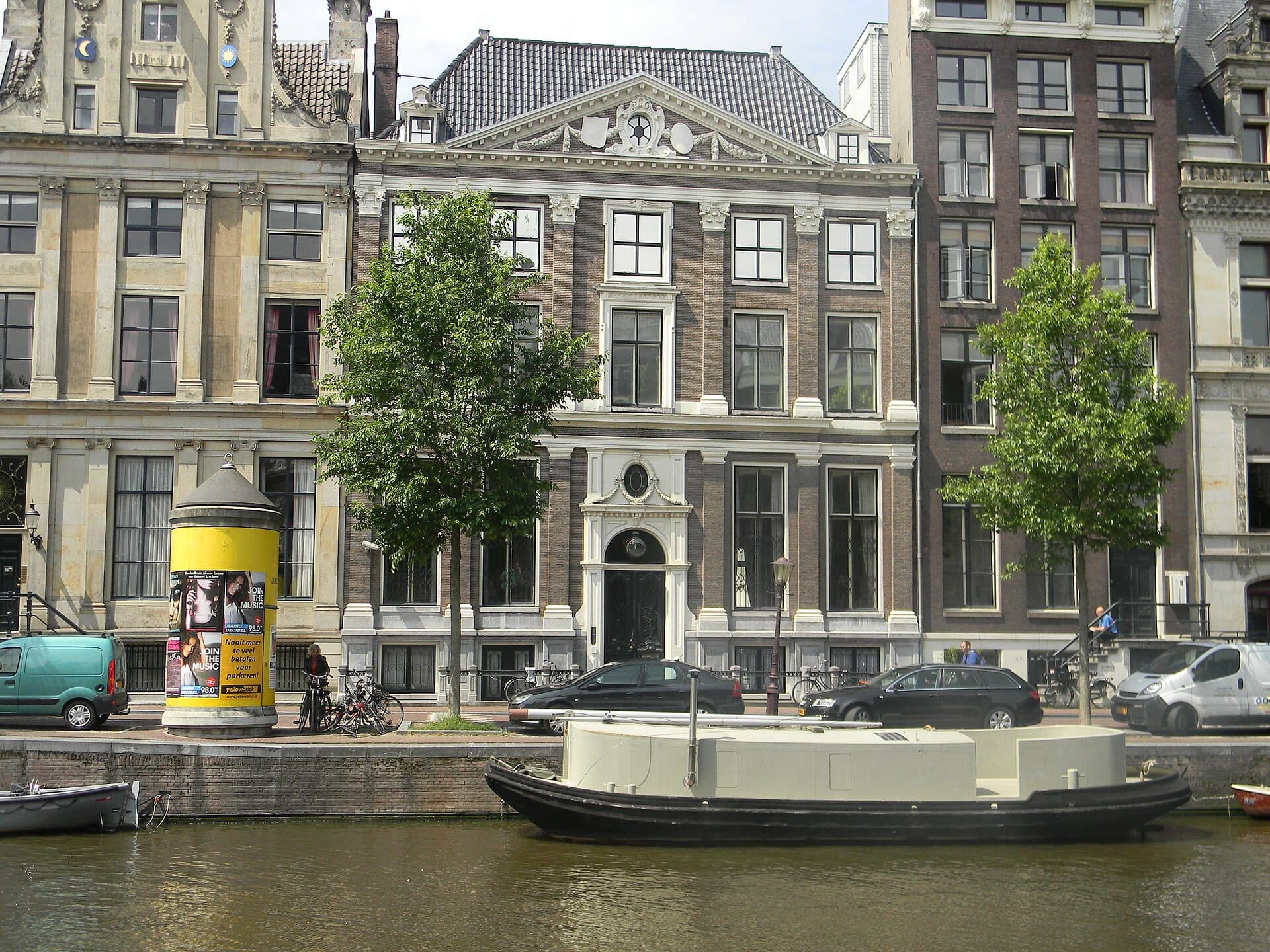 Het Grachtenhuis, Museum of the CanalsA small museum inside a historic house on the Herengracht, devoted to a single s3 minutes walk4.7
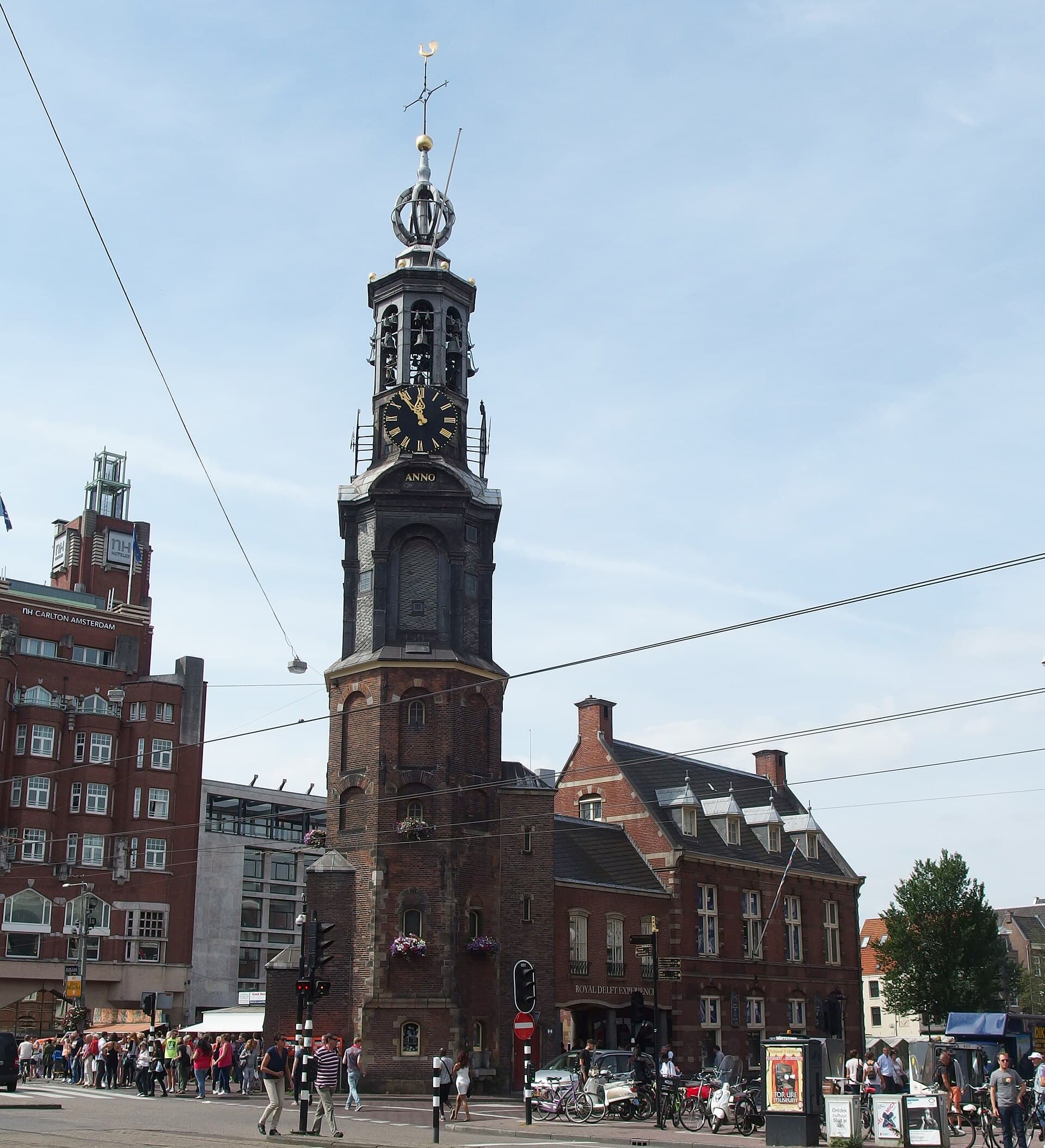 The MunttorenA tower in two halves from two centuries: the Munttoren was part of the Regulier4 minutes walk4.4
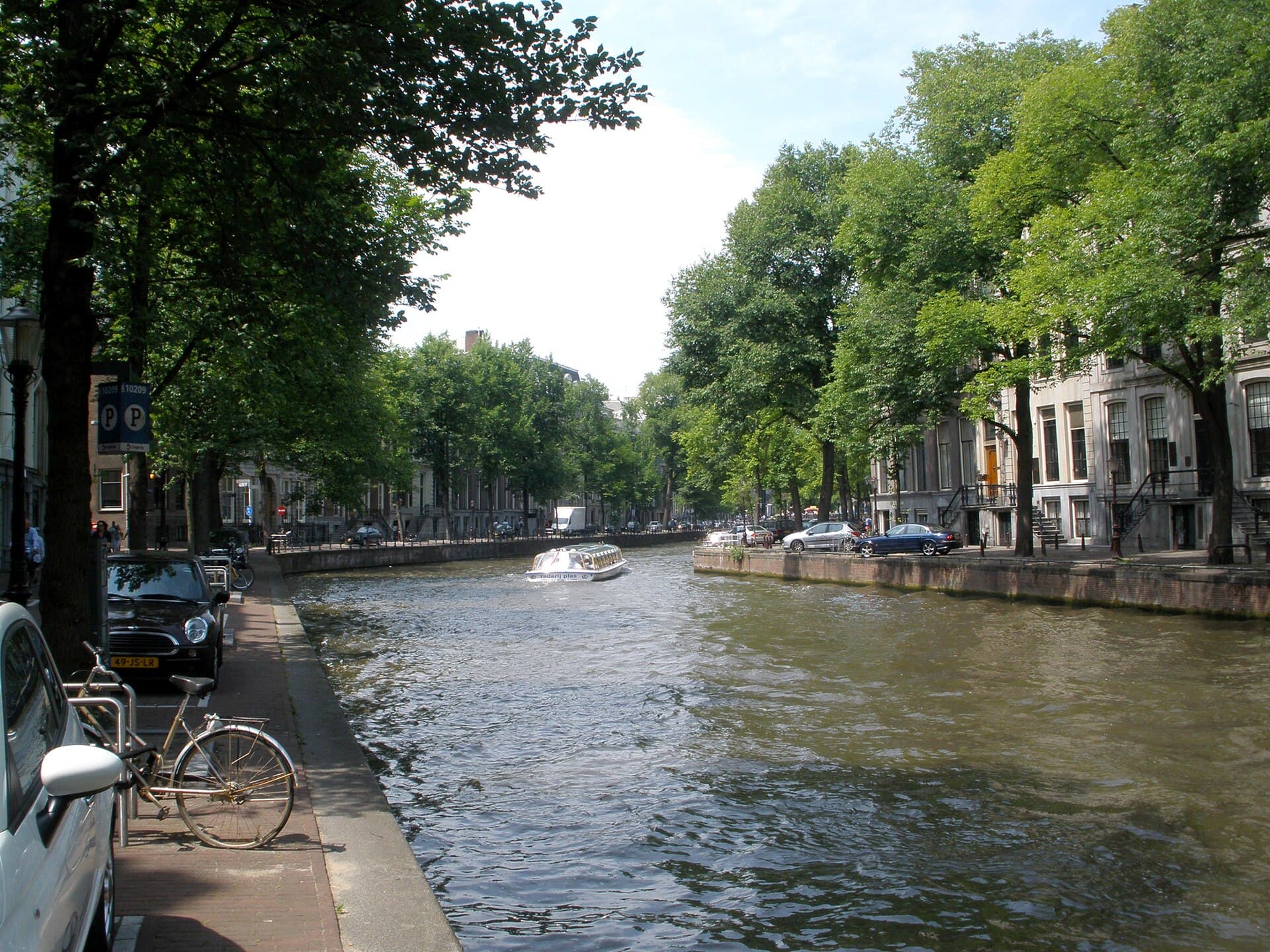 The Golden BendThe Golden Bend is the stretch of the Herengracht between Vijzelstraat and Leids5 minutes walk4.8
Women in the Low Countries, Belgium and northern France who from the thirteenth century lived in religious communities without becoming nuns: they took no permanent vows, kept their property, worked with their hands in weaving and nursing, and could leave the community and marry. The model was a rare path to female independence in the Middle Ages, and drew the Church's suspicion for exactly that reason. The court they lived in is called a begijnhof.
Enter through the small gateway near Spui and keep silent: the flats around the courtyard are lived in and residents genuinely complain about noise and photography through their windows. Do not photograph into the houses or sit on doorsteps. Hours are daytime only and the court closes in the evening. The courtyard also holds a fifteenth-century English church and a hidden Catholic chapel, both worth a few minutes.