
Mill bases in the walls
The remains of three embedded in the house facades.
A small tree-shaded square at the highest point of Le Panier, Marseille's oldest quarter, reached only on foot through climbing lanes. The name comes from the windmills that once stood here: the square held fifteen mills using the wind on the summit to grind the city's grain. All are gone, and the remains of three of their bases survive embedded in the facades of the surrounding houses — you can pick them out if you look. The square today is purely a neighbourhood space: a café, children playing, benches under the trees. No tourist shops and no signage. Le Panier itself is the part that survived the demolition of 1943, when the German authorities blew up the old port districts entirely and displaced thousands of residents. What remains is this hill with its narrow lanes, stairs and hanging washing. A public square, free to see.
The remains of three embedded in the house facades.
A café, children and benches, with no shops or signage.
Le Panier is the part of the port districts not blown up.
The highest point of Le Panier
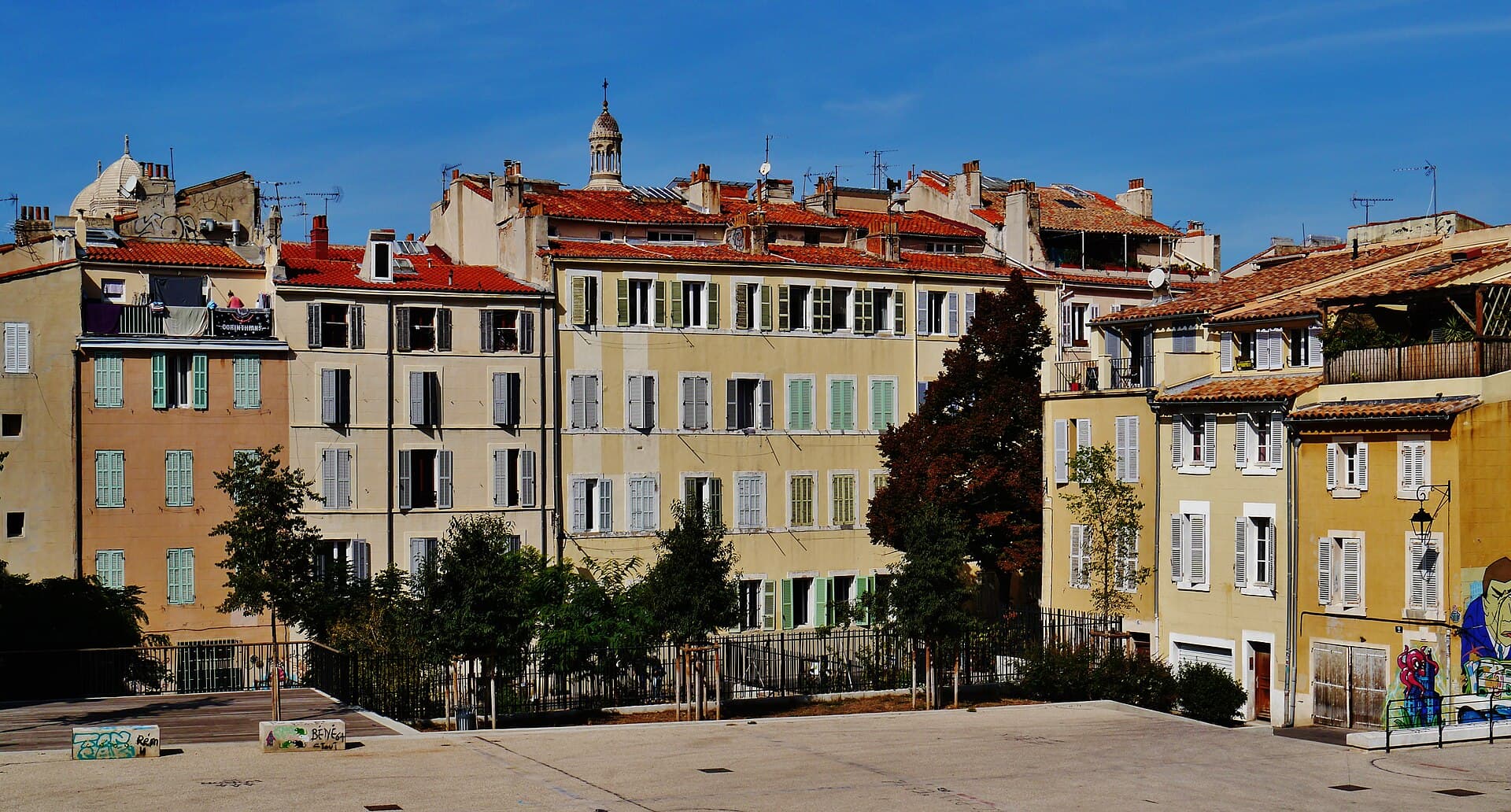 Le PanierOn the small hill north of the Old Port sits **Le Panier**, Marseille's oldest q1 minute walk
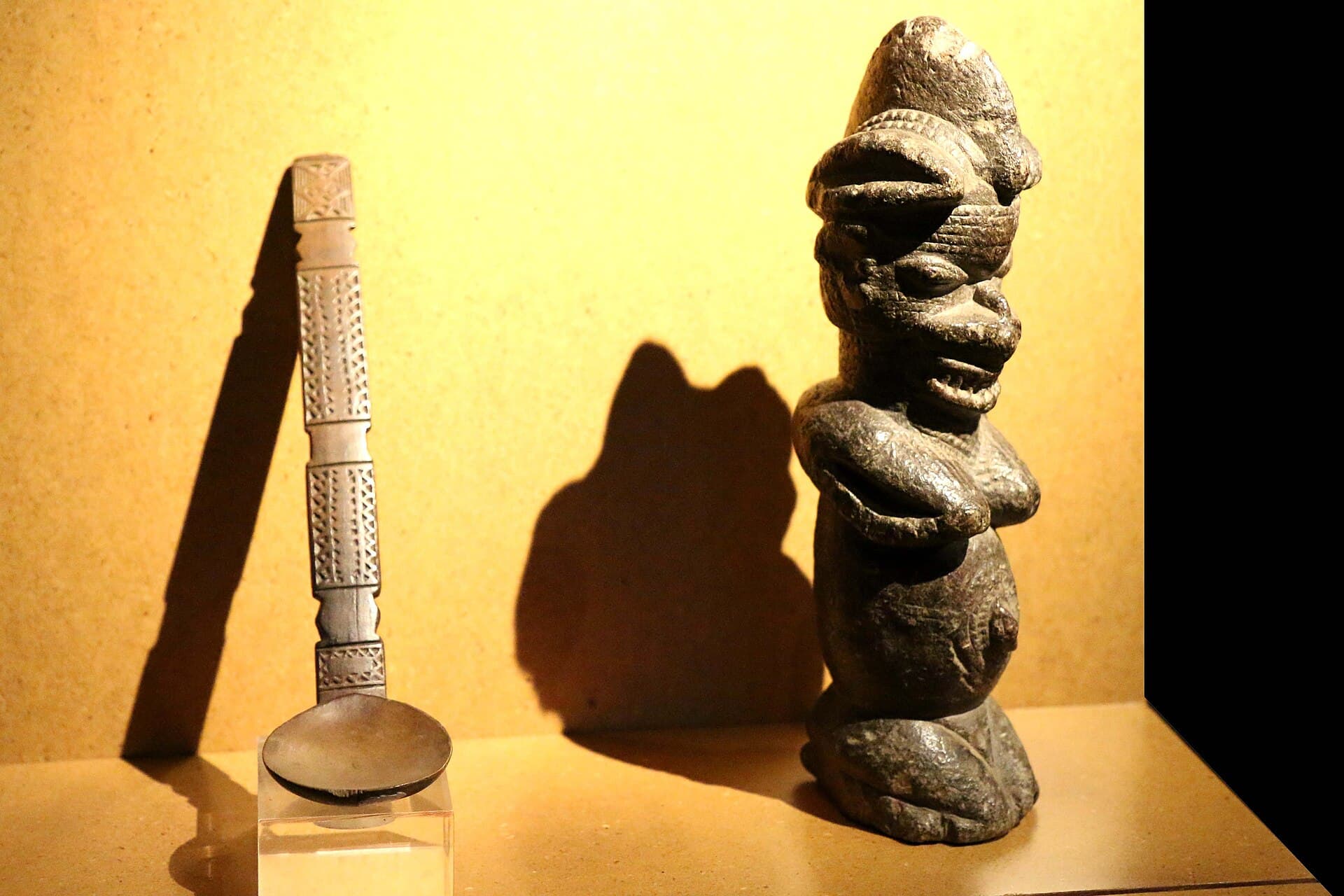 Museum of African, Oceanian and Amerindian ArtsA museum on the second floor of the Vieille Charité showing the arts of Africa, 2 minutes walk4.0
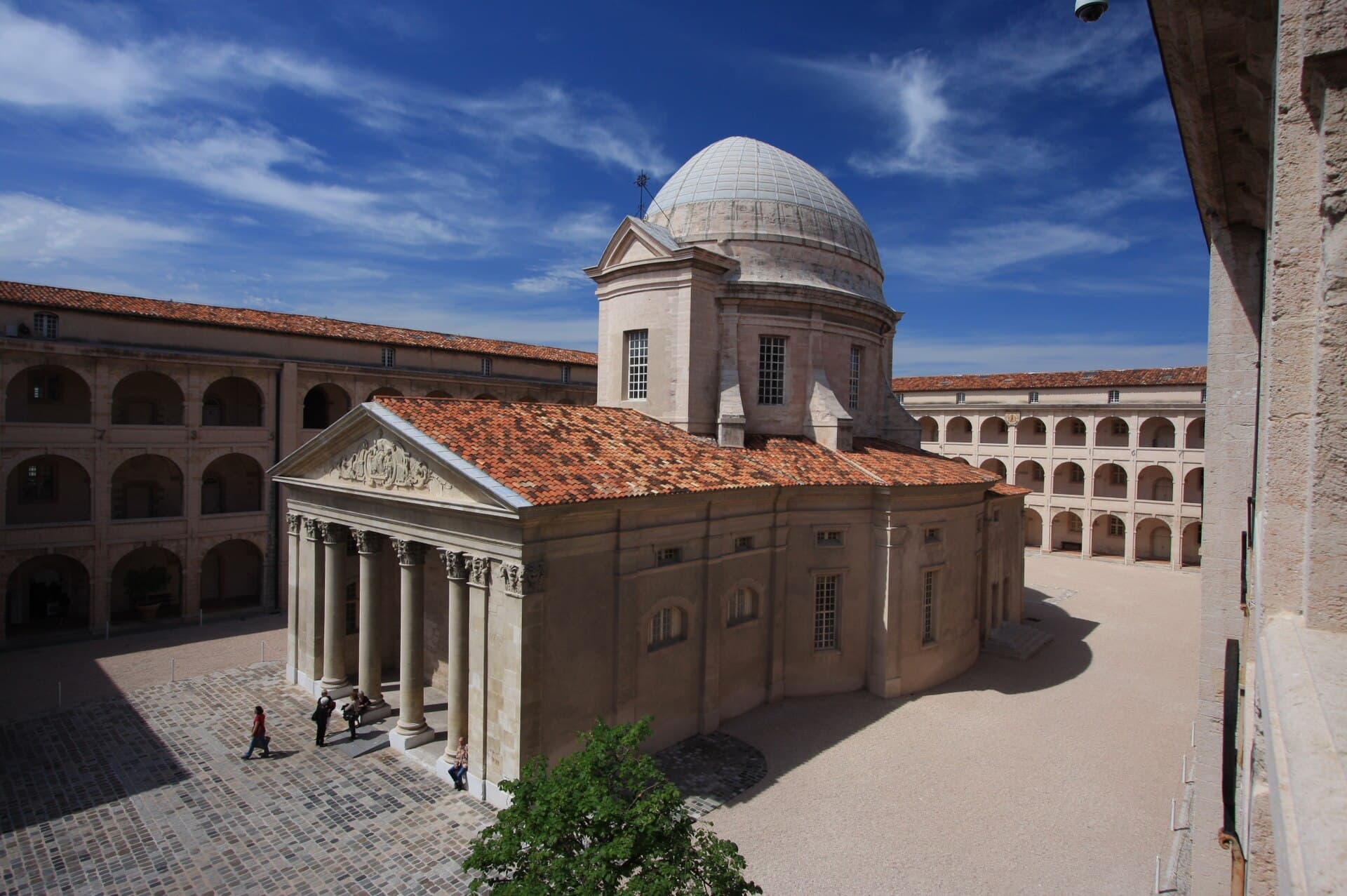 Vieille CharitéHidden in the heart of the old Panier quarter is Marseille's finest Baroque buil2 minutes walk4.4
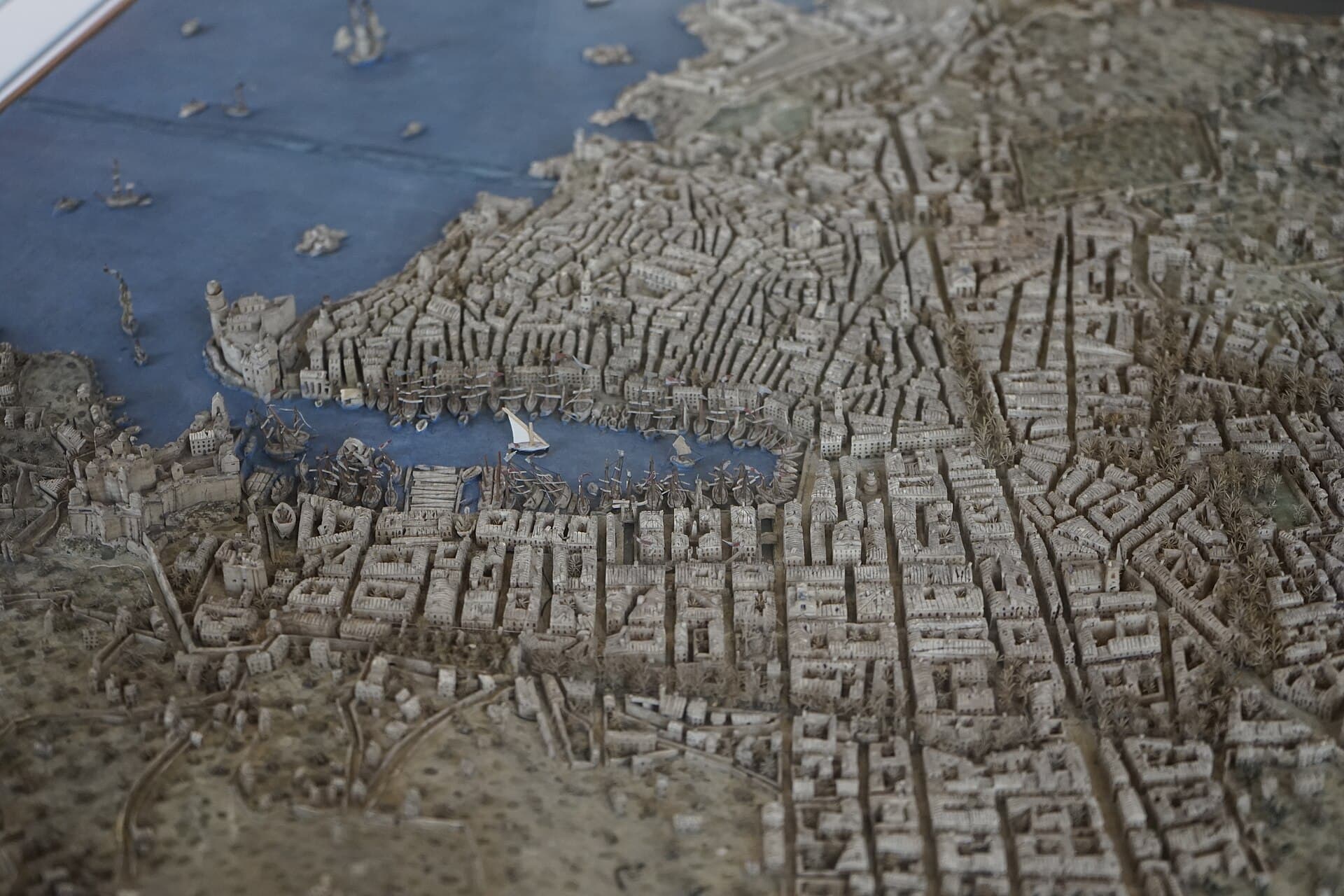 Museum of Mediterranean ArchaeologyAn archaeology museum inside the Vieille Charité building in the Le Panier quart2 minutes walk4.4
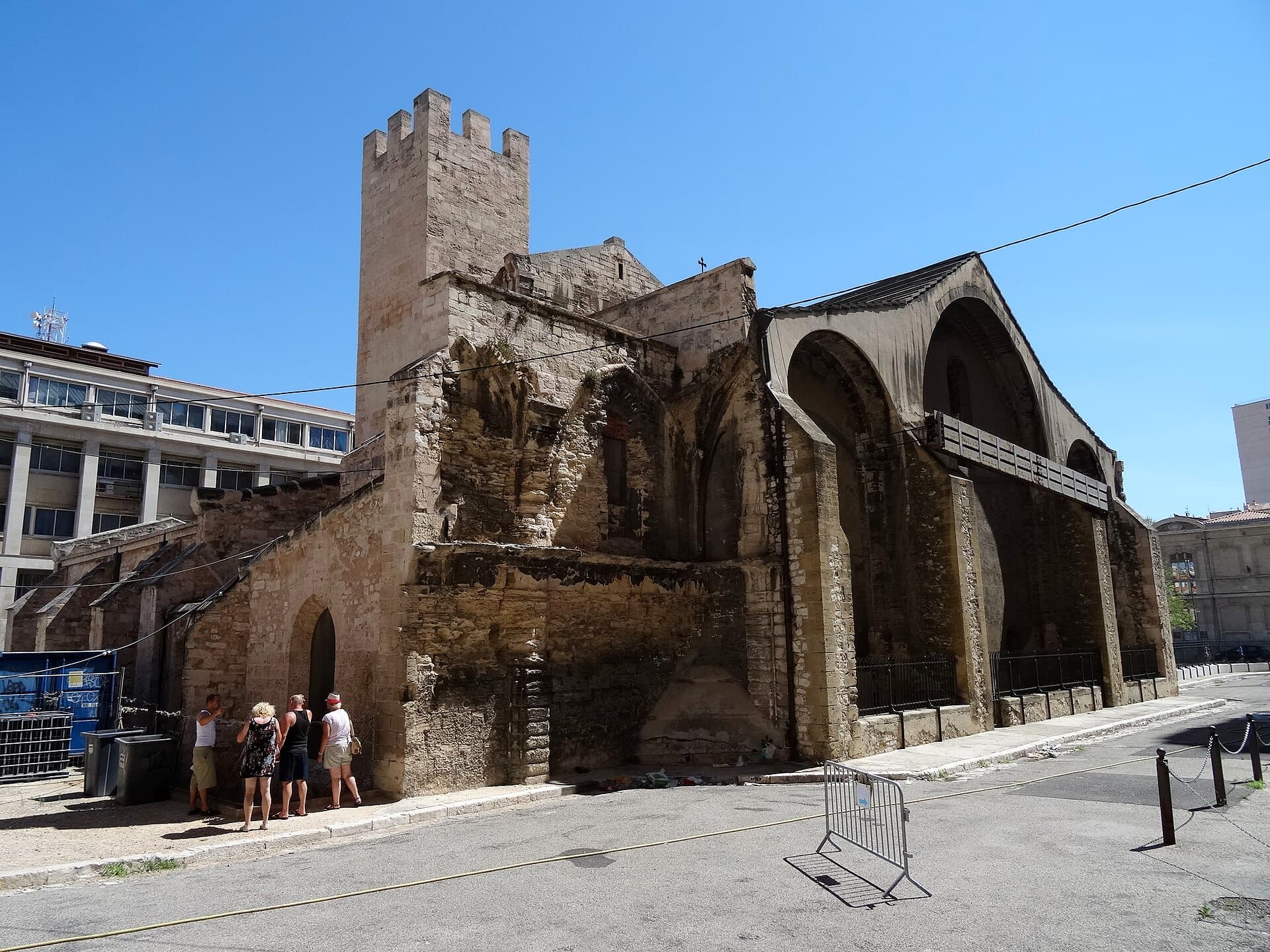 The Old Cathedral, La Vieille MajorMarseille's twelfth-century old cathedral, standing beside the enormous new one 3 minutes walk4.6
In January 1943 the German authorities ordered the evacuation and demolition of the districts on the north side of the old port, on the pretext that they harboured resistance and crime. About twenty thousand people were removed in days, thousands deported, and the area was then dynamited — some fifteen hundred buildings. It was rebuilt after the war in modern architecture, which is why there is a visible break today between the old port and the surviving Le Panier above it.
The quarter itself is the destination: narrow coloured lanes, murals, stairs and small cafés. Its most important building is the Vieille Charité — a seventeenth-century poorhouse with a fine arcaded courtyard and an oval chapel, today holding two museums and a café. Walking without a plan is the right approach, but remember the quarter is residential, the lanes narrow and people live in them.