
The big train
A miniature rail world of Alsatian mountains and villages — the children's magnet.
vincent desjardins — CC BY 2.0 · Alf van Beem — CC0 · Alf van Beem — CC0 · Alf van Beem — CC0
The toy museum is Colmar's winning card with children: three floors of an old cinema filled with a century and a half of toys — dolls and their houses, tin robots, carousels, Lego sets, characters the young recognise and others the grandparents remember, so the generations meet at the cases. Its star is a huge electric train circuit running through miniature Alsatian mountains, tunnels and villages — children stand nailed before it — and real play corners between floors let them finally touch after so much forbidden glass. An easy hour, and its position at the old town's edge makes it the walk's end reward — or Colmar's best rain shelter.
A miniature rail world of Alsatian mountains and villages — the children's magnet.
Toys from 1850 to now — everyone finds their childhood in some case.
Real play corners between floors — relief for small hands.
40 Rue Vauban, 68000 Colmar
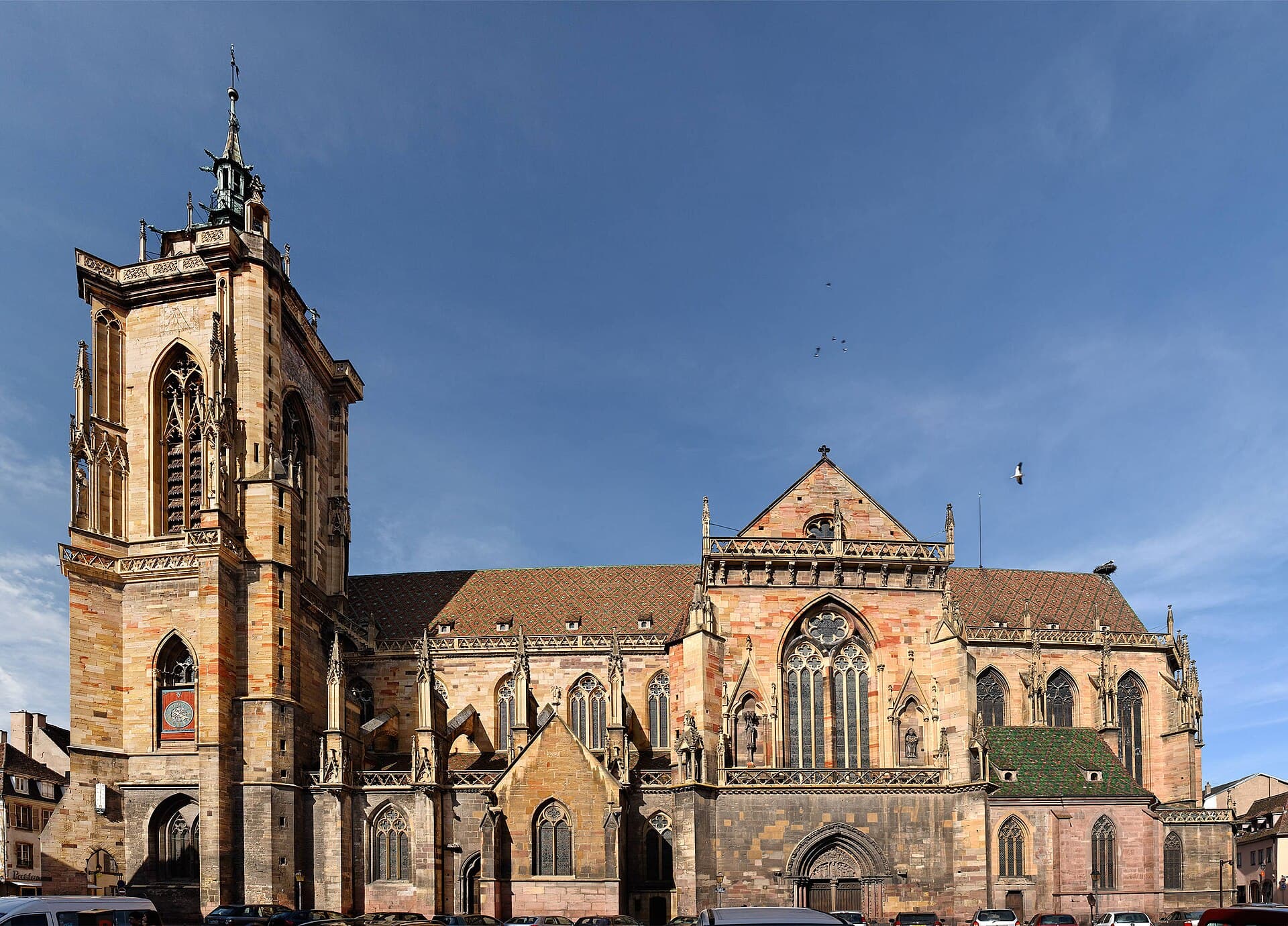 Collégiale Saint-MartinSaint-Martin is Colmar's great church — locals call it 'the cathedral' though it5 minutes walk4.6
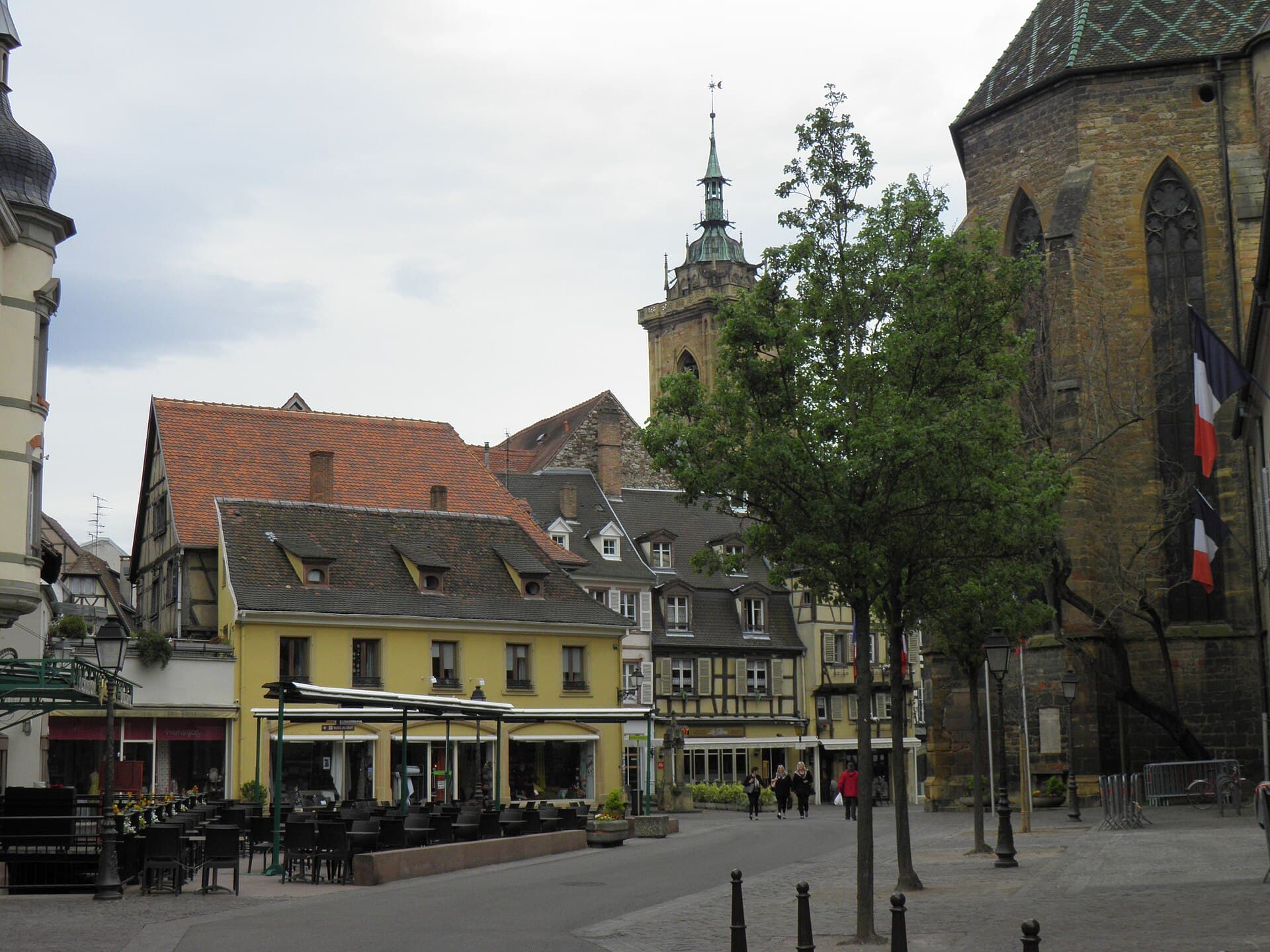 Place des Martyrs de la RésistanceA square in Colmar named in memory of the martyrs of the French Resistance, stan5 minutes walk4.4
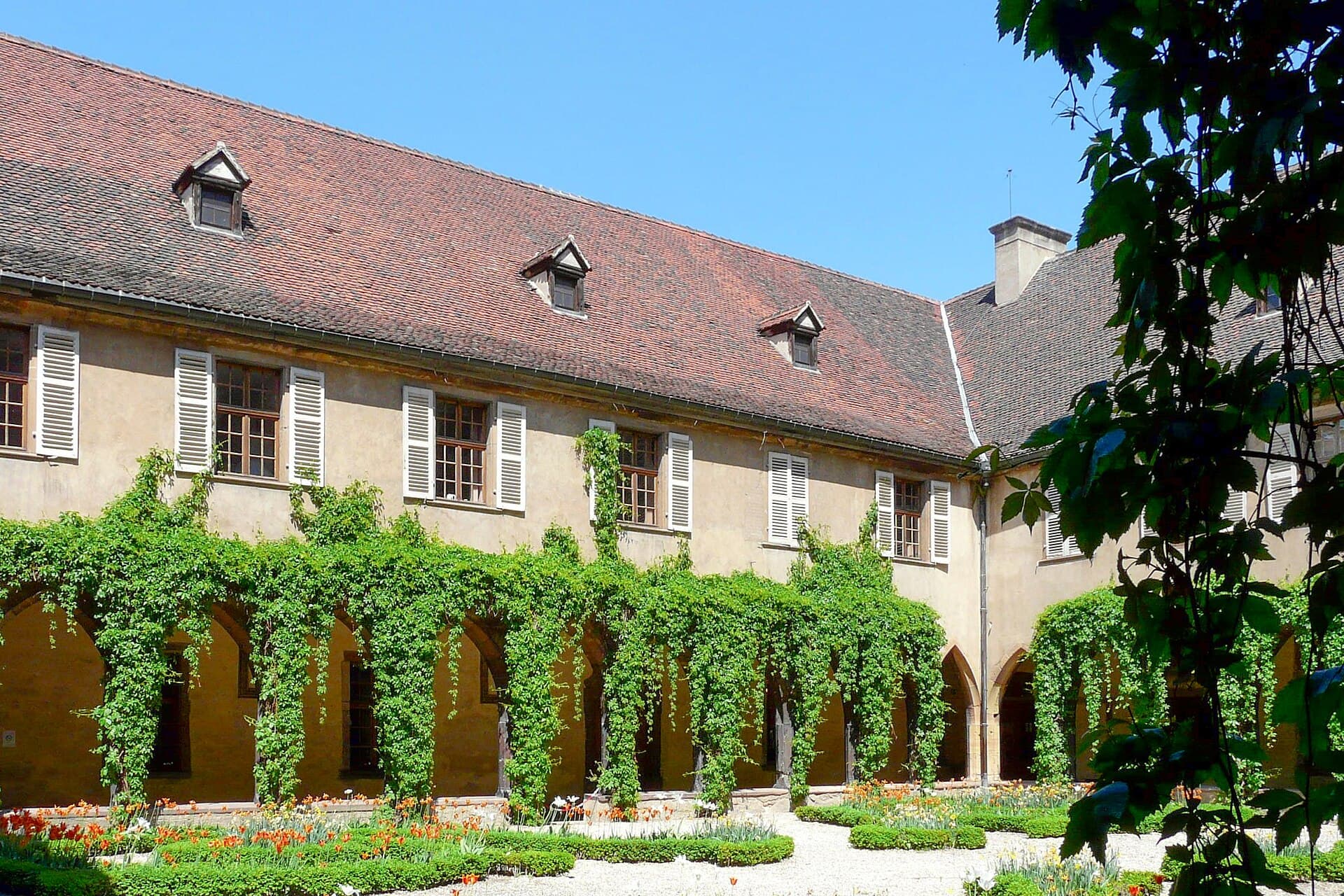 Dominican Church of ColmarColmar's Gothic Dominican church is plain outside, but guards one of Alsace's mo6 minutes walk4.4
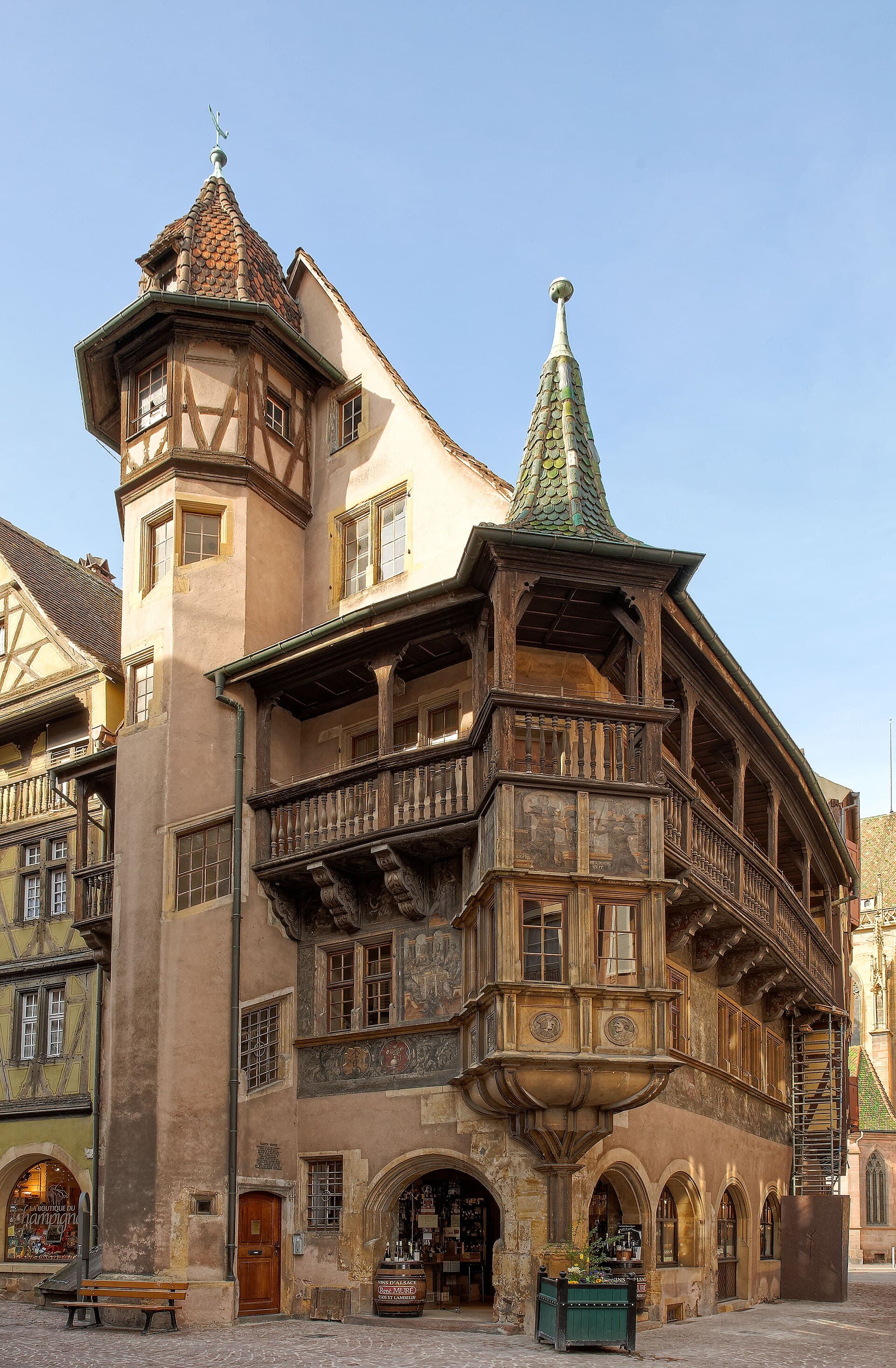 Maison PfisterThe Pfister house is Alsace's most famous house outright: built by a rich hatter6 minutes walk4.8
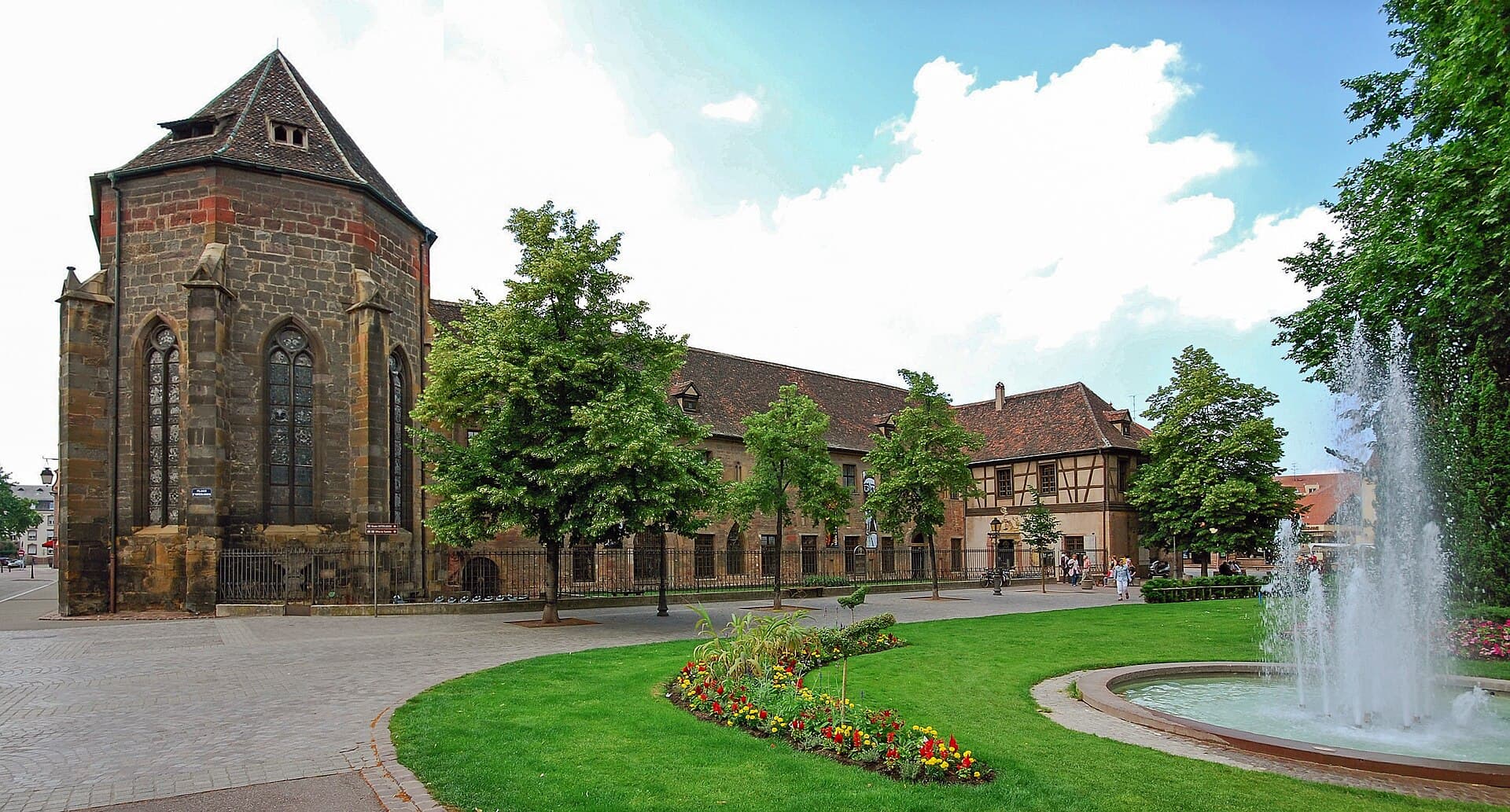 Place des UnterlindenA square in central Colmar in front of the Unterlinden museum, the northern entr6 minutes walk4.6
The sweet spot is four to ten, and the train enchants all. Teenagers find the robot and vintage video game corners funnier than expected. Under three, the train alone will do.
Use it as the bargaining chip: grown-up lanes in the morning against the toy hour after lunch — its spot at the end of Rue Vauban serves exactly that. Or hold it for rain.
Toy history mirrors industrial and taste history — French porcelain dolls to the Japanese plastic invasion — and the labels catch it lightly. You will leave having read more than you expected.