
The malgré-nous
Alsatian young men conscripted by force into the German army — a term particular to this region.
Gzen92 — CC BY-SA 4.0 · Gzen92 — CC BY-SA 4.0 · Gzen92 — CC BY-SA 4.0
A square in Colmar named in memory of the martyrs of the French Resistance, standing at the edge of the old town. The name carries a history specific to this region: Alsace was annexed to Germany in 1940 and its young men subjected to forced conscription into the German army — those known in French as the malgré-nous, the against-our-will. Anyone who refused, fled or resisted faced execution or the camps, and Colmar was not liberated until February 1945 after hard fighting in what was called the Colmar Pocket. That makes the square names here different from the rest of France: Alsace lived the war from the inside rather than from behind a line. The square itself is an ordinary open space with trees, parking and buildings around it, and there is nothing in it to visit — the value is in the name and what it points to. Free and always open, a few minutes as you pass. It stands north of the old town a short walk from the Unterlinden museum.
Alsatian young men conscripted by force into the German army — a term particular to this region.
The city was not liberated until February 1945, after hard fighting.
The region was annexed and lived the war within it rather than behind a line.
North of the old town, Colmar
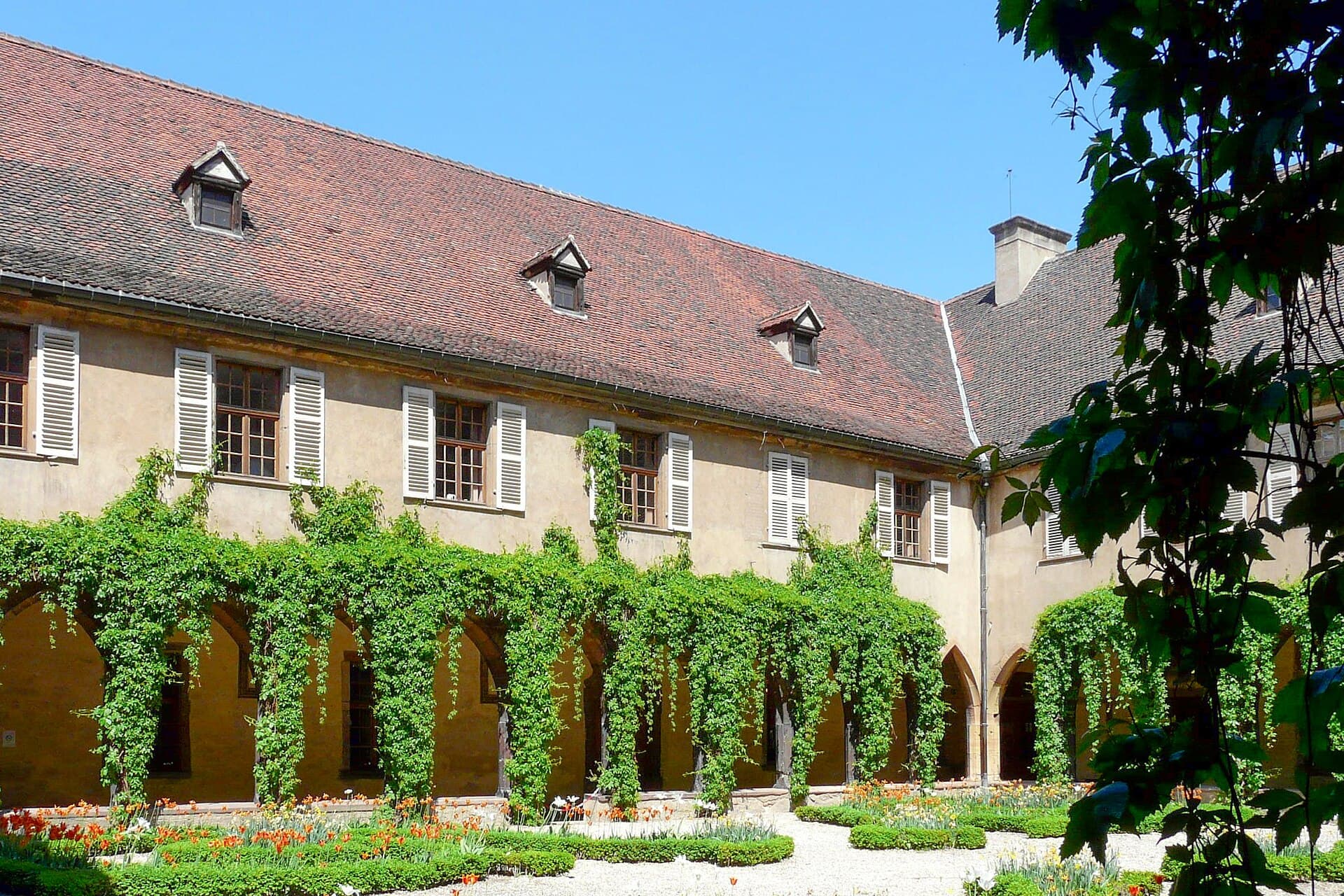 Dominican Church of ColmarColmar's Gothic Dominican church is plain outside, but guards one of Alsace's mo1 minute walk4.4
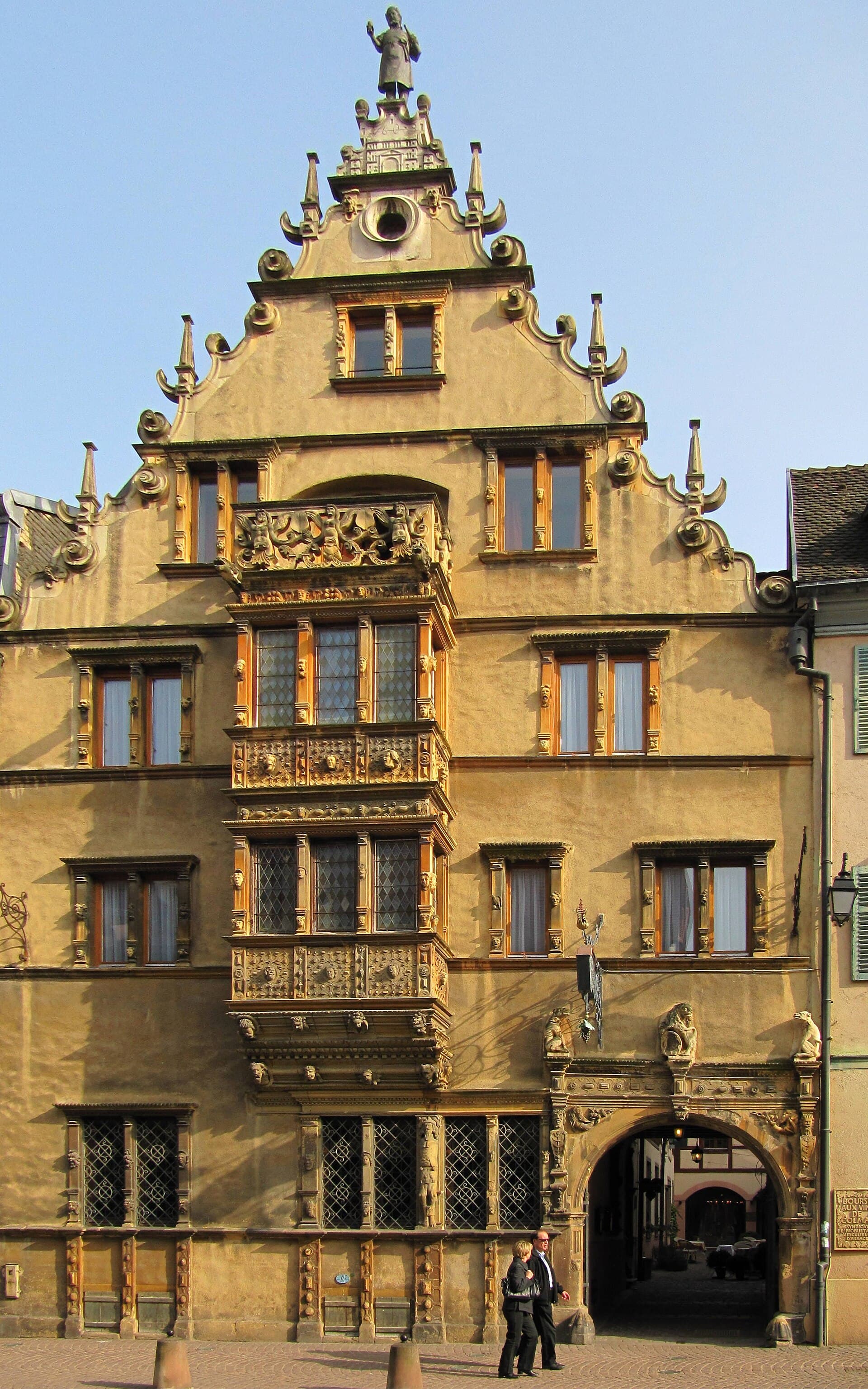 Maison des TêtesA hundred and six heads stare from one façade: the House of Heads (1609), Colmar1 minute walk4.3
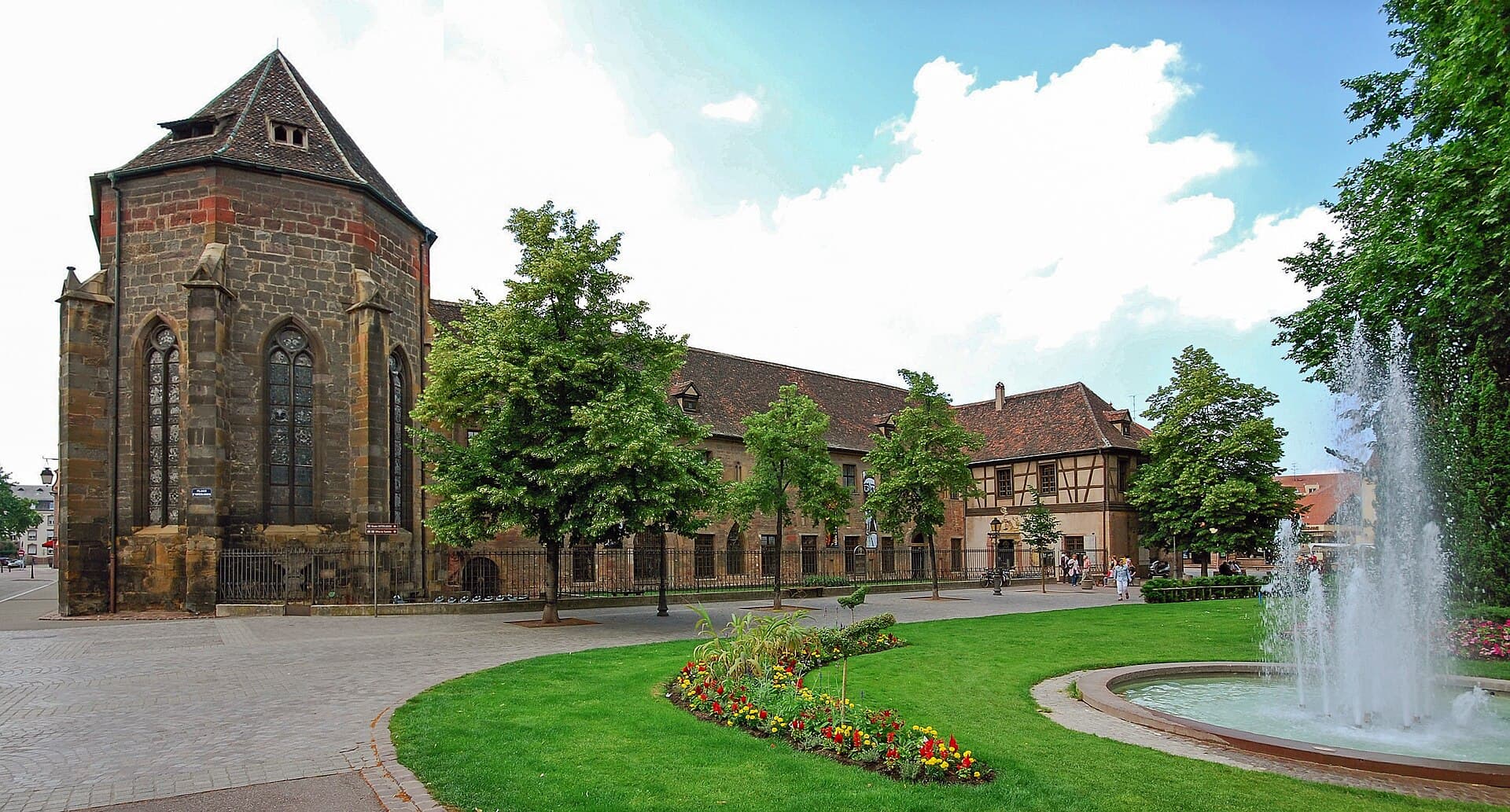 Place des UnterlindenA square in central Colmar in front of the Unterlinden museum, the northern entr1 minute walk4.6
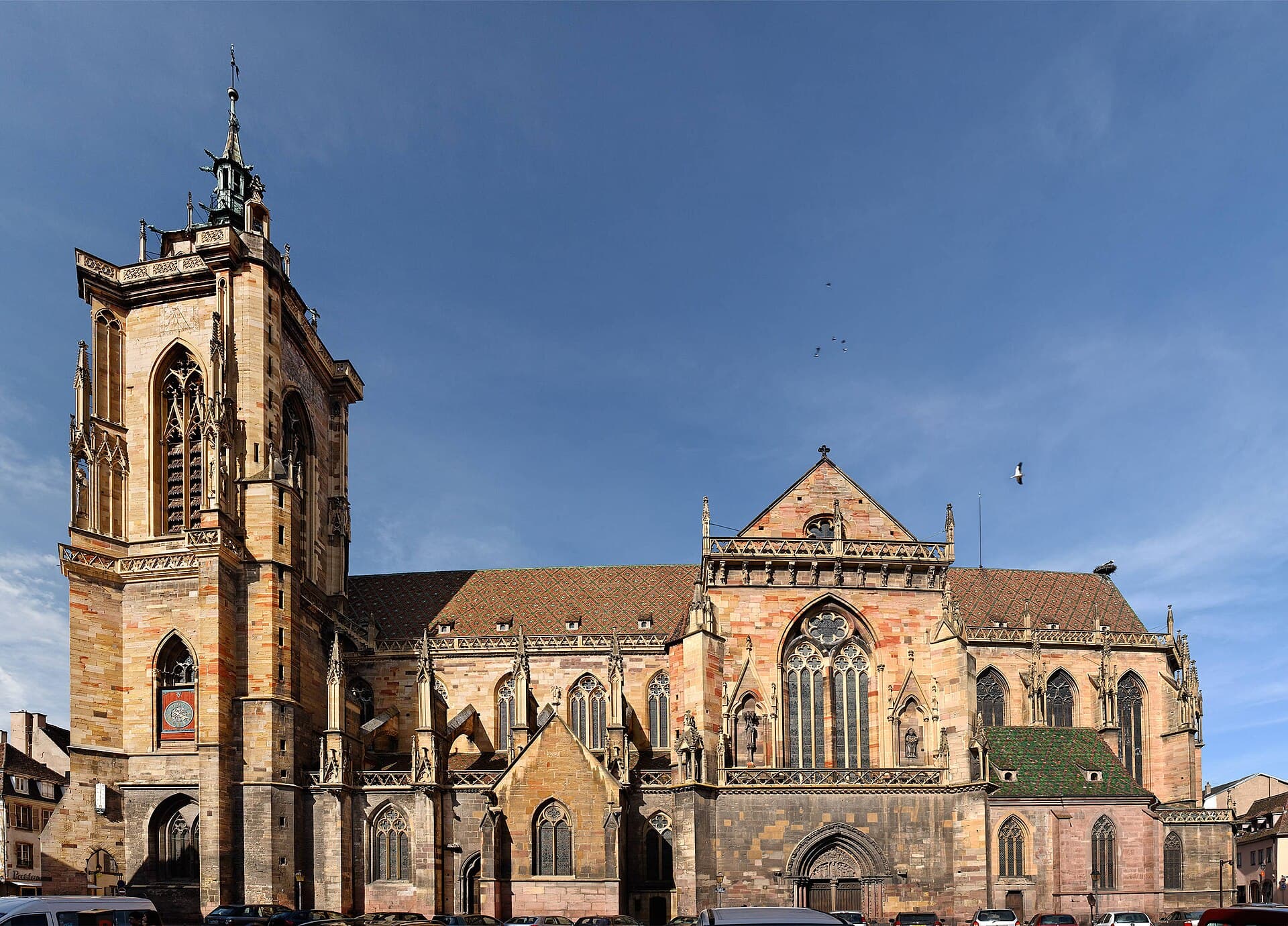 Collégiale Saint-MartinSaint-Martin is Colmar's great church — locals call it 'the cathedral' though it2 minutes walk4.6
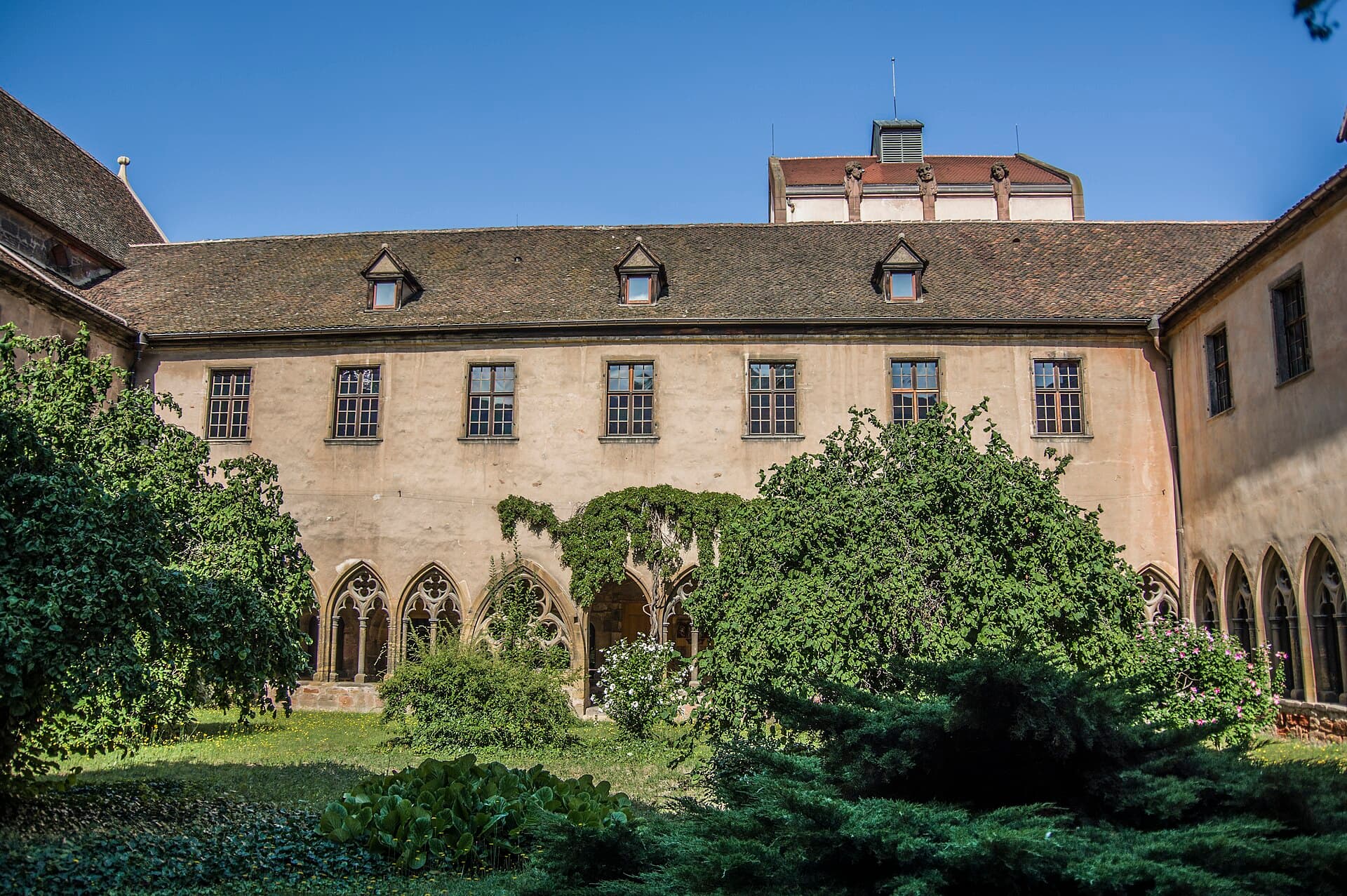 Unterlinden MuseumThe Unterlinden lives in a thirteenth-century convent with a quiet cloister, joi2 minutes walk4.5
Some hundred and thirty thousand young men from Alsace and Lorraine conscripted by force into the German army after the region's annexation in 1942, most sent to the Eastern Front. Tens of thousands died and many fell into Soviet captivity. Their position remained a difficult question in postwar France: conscripts in the enemy's army against their will.
The Unterlinden museum and its Isenheim altarpiece, among the most important paintings in Europe. Then the old town and La Petite Venise on the canal, the Maison des Têtes, and the coloured timber houses. The town is small and a day covers it.