
The raised ships
Real Greek and Roman hulls from the harbour mud — the largest without equal on display.
Jean-Pierre Dalbéra from Paris, France — CC BY 2.0 · Carl Ha — CC BY-SA 4.0 · Carl Ha — CC BY-SA 4.0 · Carl Ha — CC BY-SA 4.0
Marseille is France's oldest city — Greek sailors founded it as Massalia twenty-six centuries ago — and its history museum was built literally on the proof: 1960s construction work exposed the ancient Greek harbour with its quays, so the museum rose over it, the ruins left as an open garden at its door. Its treasures are actual ships: hulls of Greek and Roman vessels lifted from the harbour mud in astonishing preservation, among them the largest ancient ship hull displayed anywhere. Around them, twenty-six centuries told through finds, maps and models up to the present city. The display is modern and the site sits right behind the Bourse by the Vieux-Port — one hour here makes the whole city legible.
Real Greek and Roman hulls from the harbour mud — the largest without equal on display.
Greek Massalia's quays as an open garden before the museum.
From Greek ships to modern Marseille in one clear route.
2 Rue Henri Barbusse, 13001 Marseille
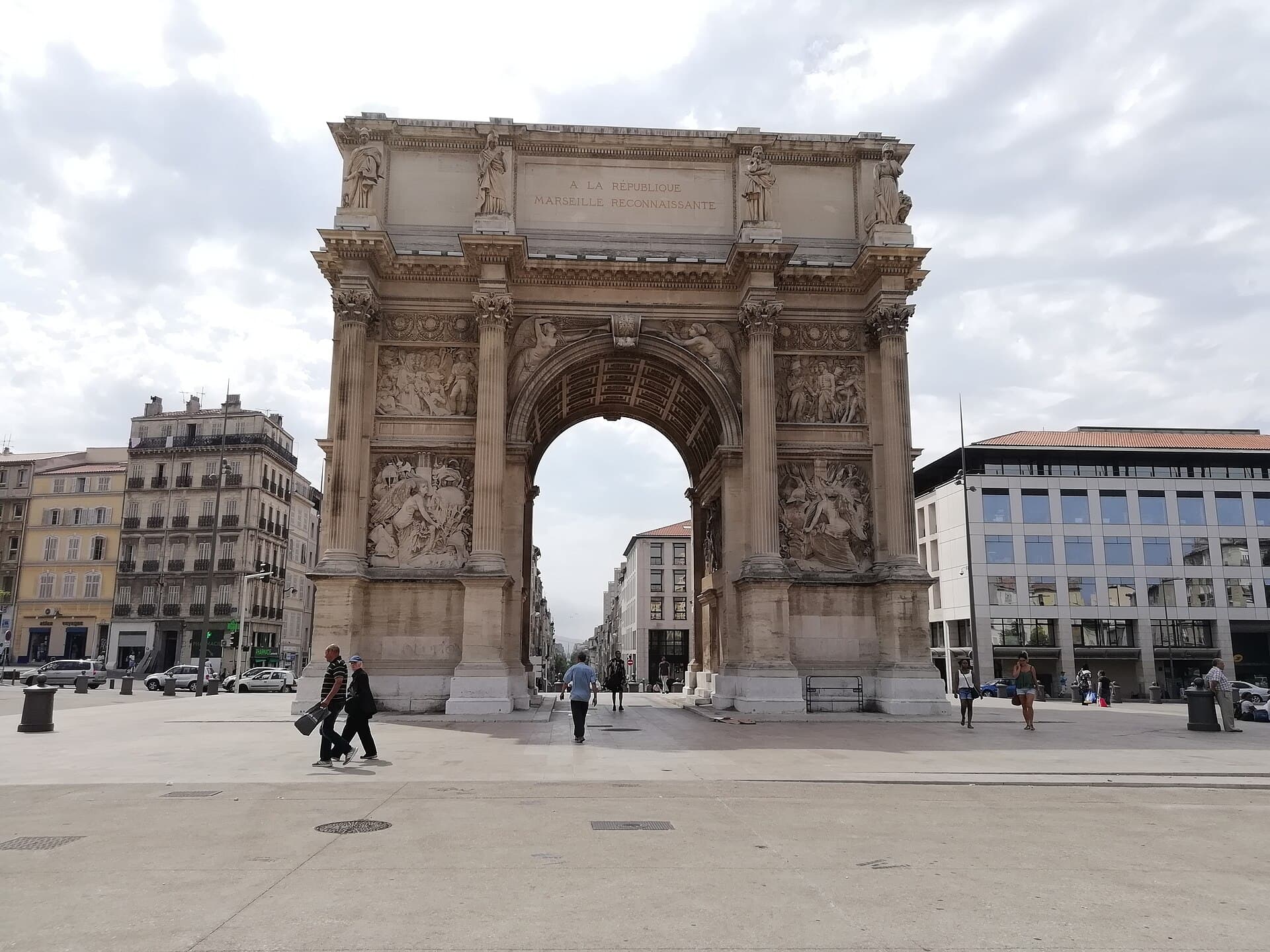 Porte d'AixA full triumphal arch in Marseille: the Porte d'Aix, Roman in manner, raised in 6 minutes walk4.1
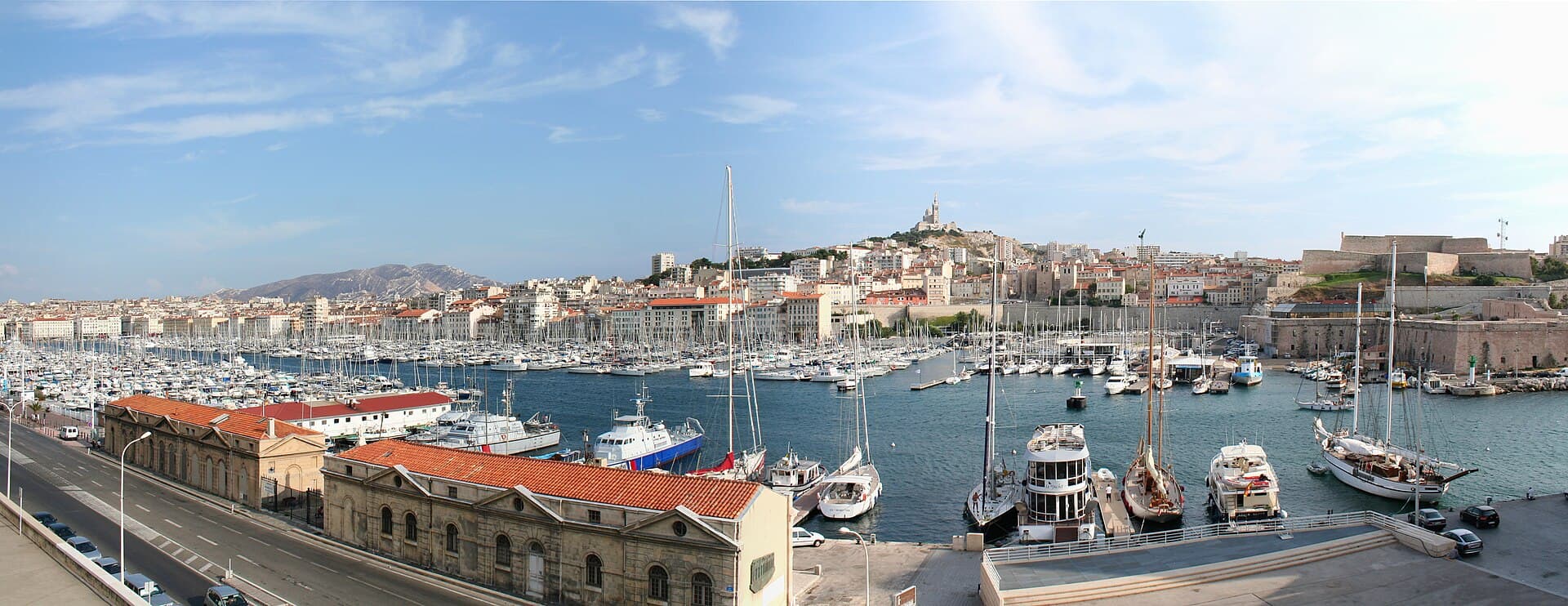 The Old Port (Vieux-Port)This narrow inlet is the reason Marseille exists at all. Greek sailors from **Ph6 minutes walk4.7
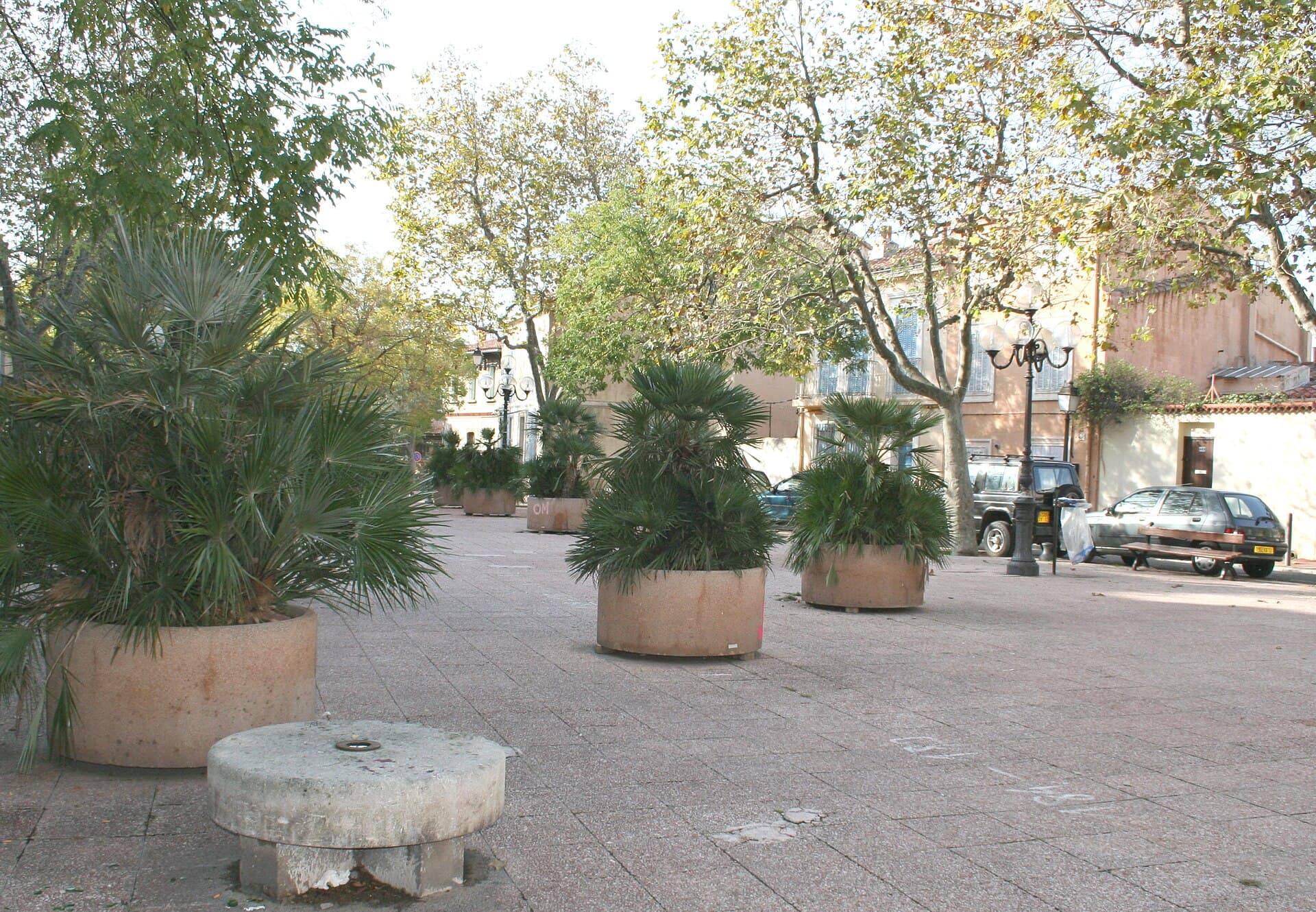 The Square of the MillsA small tree-shaded square at the highest point of Le Panier, Marseille's oldest7 minutes walk4.2
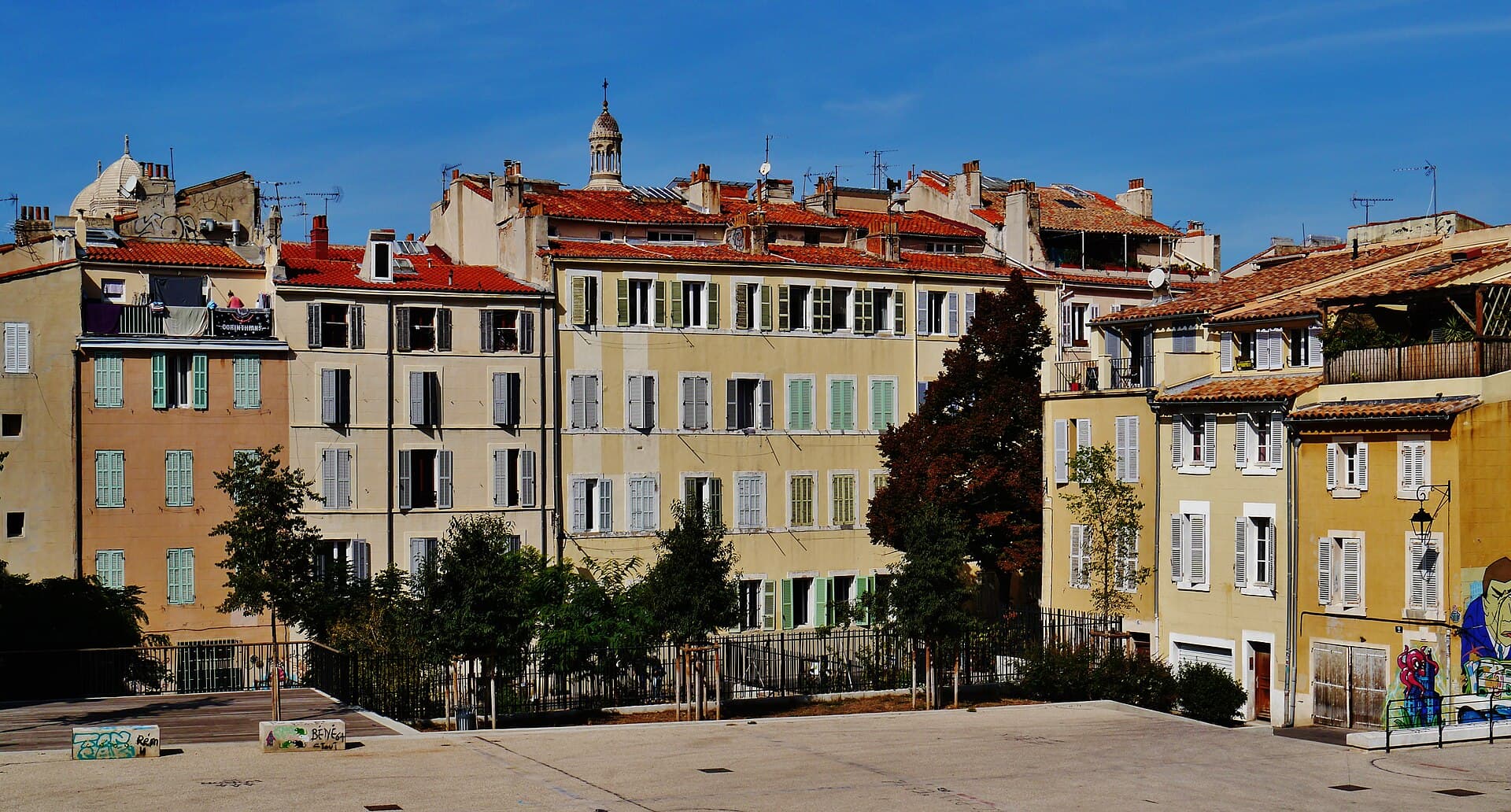 Le PanierOn the small hill north of the Old Port sits **Le Panier**, Marseille's oldest q8 minutes walk
 Musée CantiniThe Cantini is Marseille's treasury of modern art: in an elegant seventeenth-cen8 minutes walk4.2
Because Marseille is a hard city to read: layers of migrations, harbours, demolition and rebuilding. One hour here sorts the layers in time, and the Vieux-Port, the Panier and the cathedral become chapters of a story you know.
The real ships impress them, and the models read visually. It is not interactive by today's standard, but an hour passes peacefully — and the open ruins after give them loose space.
MuCEM treats the whole Mediterranean in grand-museum fashion; this treats one city in simple chronological order. For practically understanding Marseille, this is the more useful; for architecture and blockbuster shows, that one.