
The Ombrière
A mirrored canopy — the port hanging upside down above you.
Ingo Mehling — CC BY-SA 3.0 · Chensiyuan — CC BY-SA 4.0 · Bybbisch94, Christian Gebhardt — CC BY-SA 4.0 · Bybbisch94, Christian Gebhardt — CC BY-SA 4.0
This narrow inlet is the reason Marseille exists at all. Greek sailors from **Phocaea** in Asia Minor moored here some 2,600 years ago and founded a settlement they called *Massalia* — and the water has never stopped working since. That makes Marseille the oldest city in France, and this basin its point zero. Today the Old Port is the city's square more than a working harbour: thousands of white masts of pleasure boats fill the water, and the big ships moved north long ago. Every morning the fishermen set up the **fish market** on the Quai des Belges straight off their boats — a loud scene of crates with fish still jumping in them and calls in heavy Marseillais, over before noon. Halfway along the quay stands the **Ombrière**: a thin steel canopy designed by Britain's Norman Foster and installed in 2013, when Marseille was European Capital of Culture. Its underside is a full mirror, so you see yourself and the port hanging upside down overhead. And across the water a small boat called the **Ferry Boat** crosses from bank to bank in a few minutes for a token fare — the shortest sea crossing in France and one of the most enjoyable.
A mirrored canopy — the port hanging upside down above you.
Boat to crate, every morning.
France's shortest sea crossing, for a token fare.
Quai des Belges, 13001 Marseille
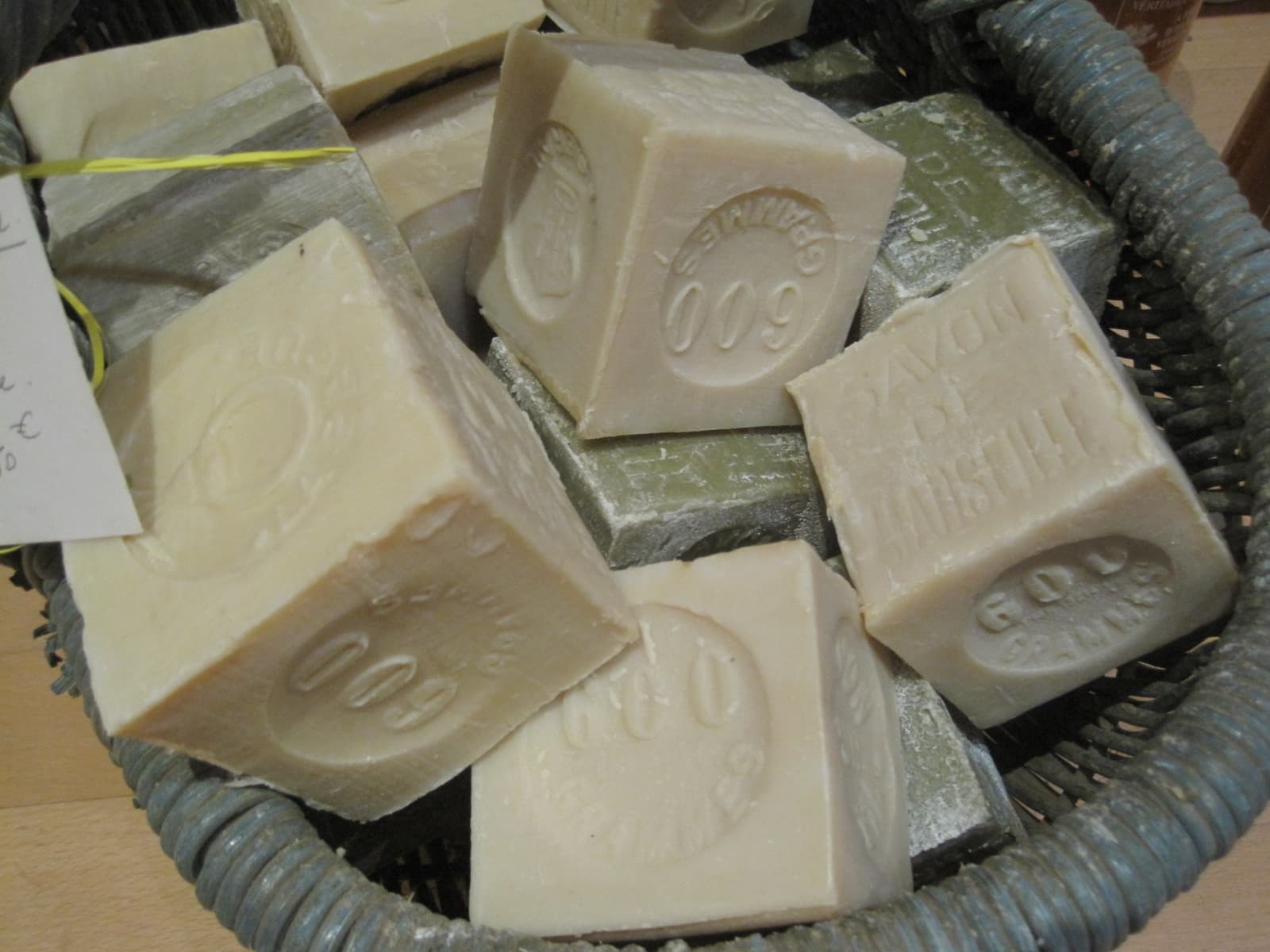 Museum of Marseille Soap**Savon de Marseille** is the most famous thing this city has produced after bou3 minutes walk4.5
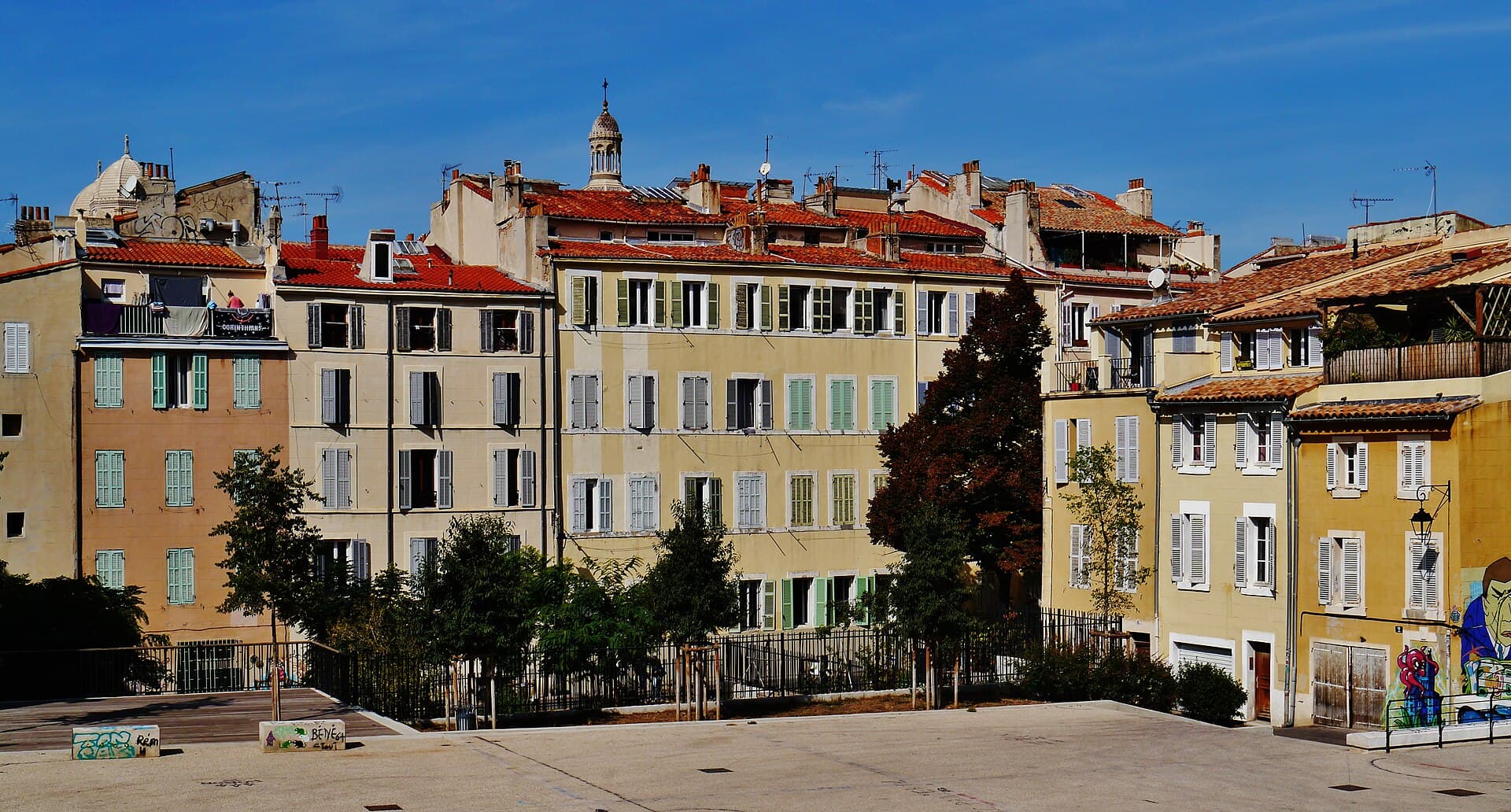 Le PanierOn the small hill north of the Old Port sits **Le Panier**, Marseille's oldest q6 minutes walk
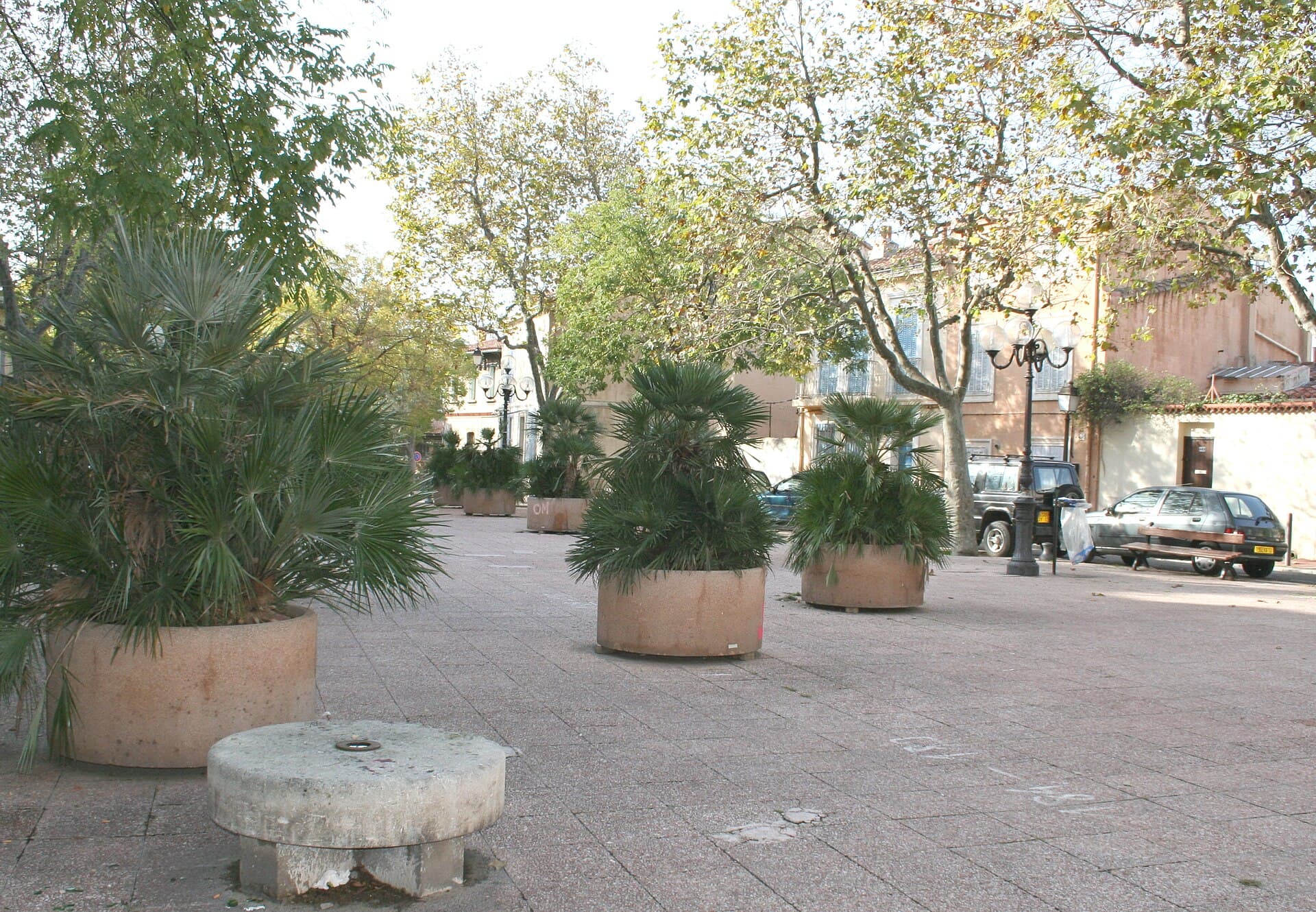 The Square of the MillsA small tree-shaded square at the highest point of Le Panier, Marseille's oldest6 minutes walk4.2
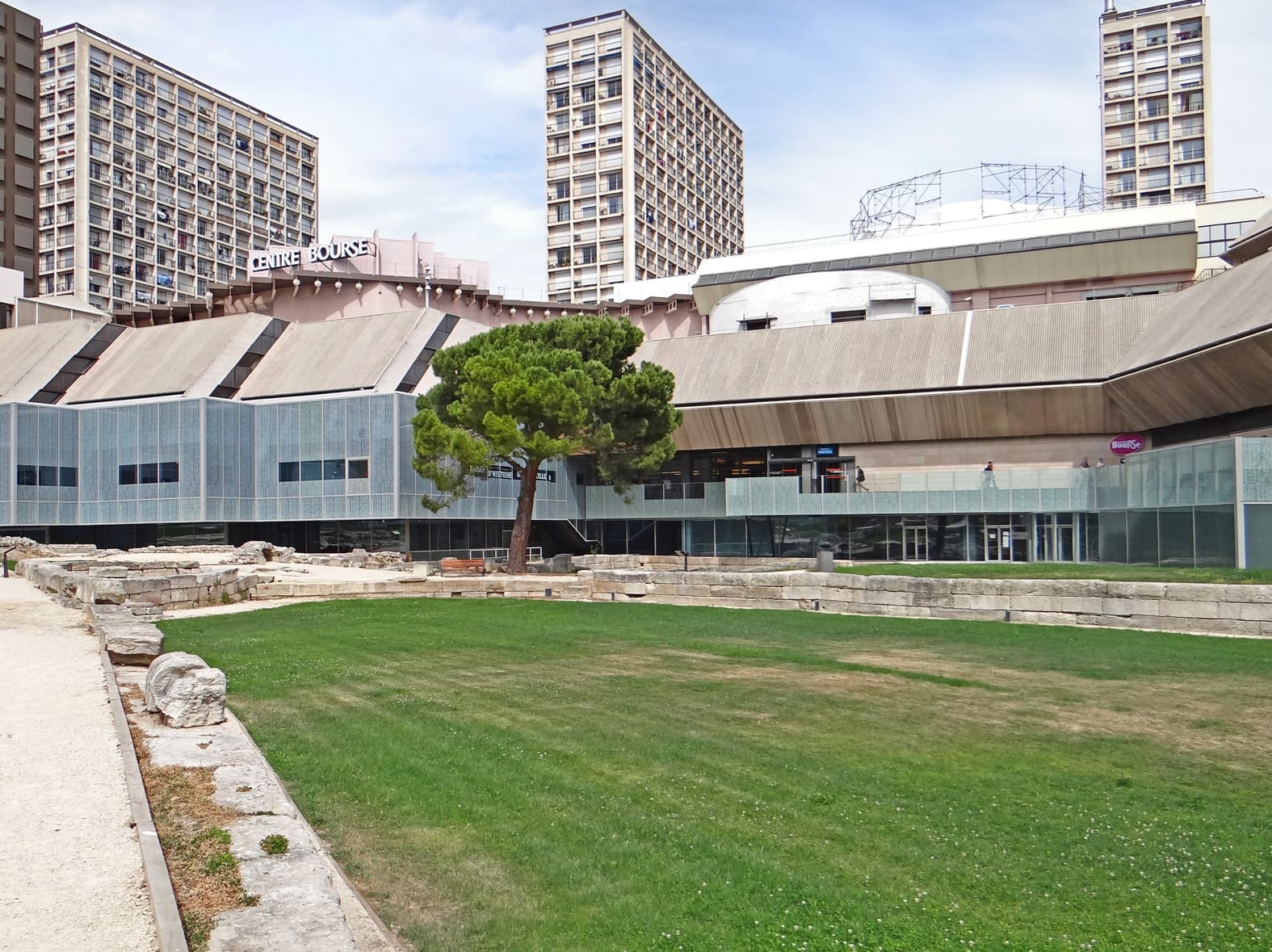 Marseille History MuseumMarseille is France's oldest city — Greek sailors founded it as Massalia twenty-6 minutes walk4.4
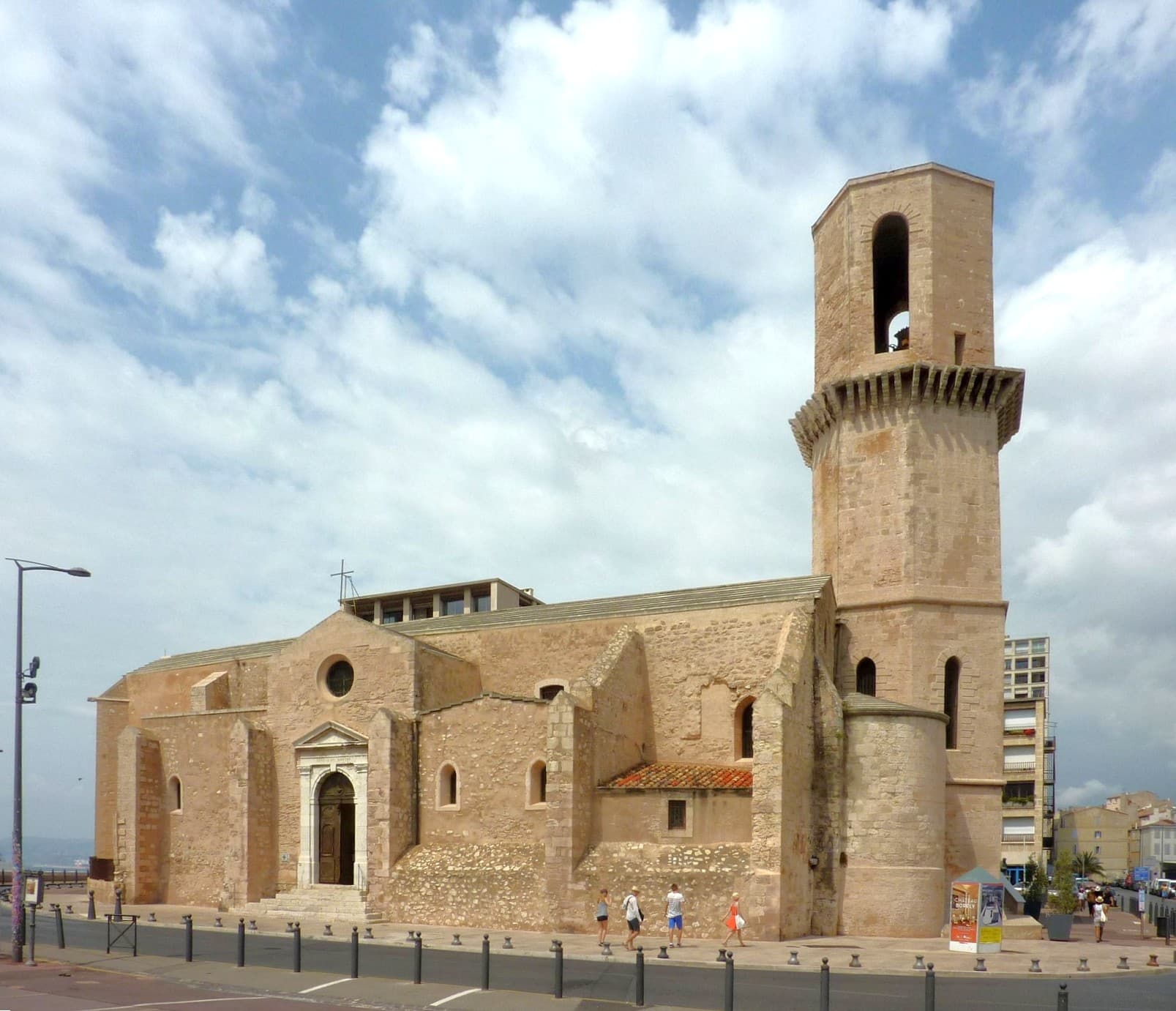 Church of Saint-LaurentA Romanesque church of the twelfth and thirteenth centuries on a rocky rise betw8 minutes walk4.3
Yes — it is one of the busiest, best-lit parts of Marseille day and night, with a constant police presence. Marseille's security reputation is heavily overstated and attaches to northern districts nowhere near a visitor's route. What you need here is ordinary big-city care: watch pockets in crowds and at metro exits, and don't leave a bag on a café chair. The quarter around you — the port, Le Panier, the Canebière — is walkable at night without worry.
**Early morning** for the fish market and the light on the water, and **just before sunset**, when the face of Notre-Dame de la Garde catches gold on its hill and the masts light up. Midday in July and August is brutal, with almost no shade beyond the Ombrière itself. Autumn and spring show the port at its best: warm sun, fewer people. And beware the **mistral**, the cold, hard wind that blows for days at a stretch in winter and spring and makes the quay unbearable under a perfectly clear sky.