
Cauldrons and moulds
The boiling, pouring and cutting tools as they were.
Arnaud 25 — CC BY-SA 3.0 · DimiTalen — CC0 · Giftzwerg 88 — CC BY-SA 4.0 · DimiTalen — CC0
**Savon de Marseille** is the most famous thing this city has produced after bouillabaisse, and a small museum near the Old Port explains why. The story starts in the Middle Ages and was codified in 1688, when Louis XIV's minister **Colbert** issued an edict setting out what could carry the name: vegetable oils only, with no animal fat. The classic recipe is olive oil, soda drawn from the ash of salt-marsh plants, and seawater, boiled in vast cauldrons for days, then poured, cut and left to dry for weeks, with each cube stamped with its oil percentage and its maker. In the museum you see the cauldrons, moulds, stamps and old cutting tools, with a presentation of how the soap is made and sometimes a live demonstration of cutting and stamping. It is also practically useful: the markets are full of cheap decorated, perfumed cubes carrying the name without being real Marseille soap. Half an hour here and you will know what you are buying — the simple rule being that the genuine article is stamped with its oil percentage (72%) and the name of the soapworks, and is dark green or beige with no perfume and no decoration.
The boiling, pouring and cutting tools as they were.
Every cube carries its oil percentage and its maker.
Half an hour that saves you from buying an imitation.
Vieux-Port, 13002 Marseille
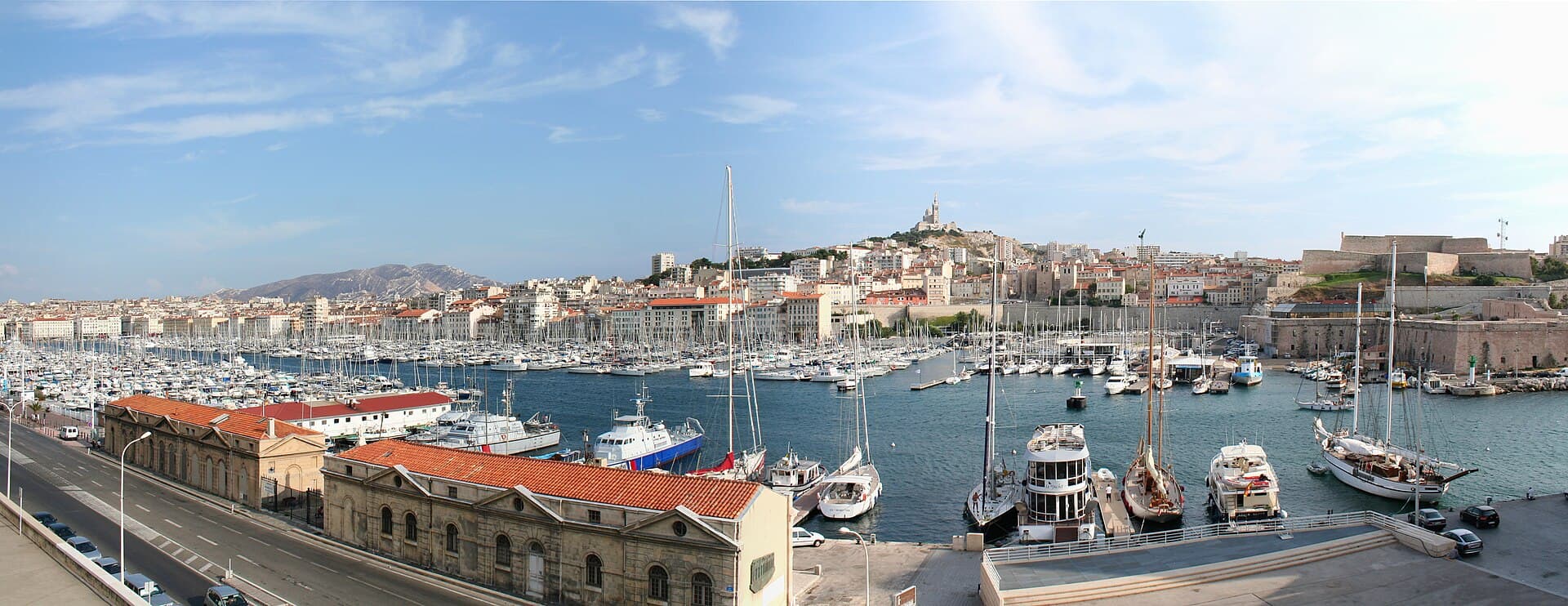 The Old Port (Vieux-Port)This narrow inlet is the reason Marseille exists at all. Greek sailors from **Ph3 minutes walk4.7
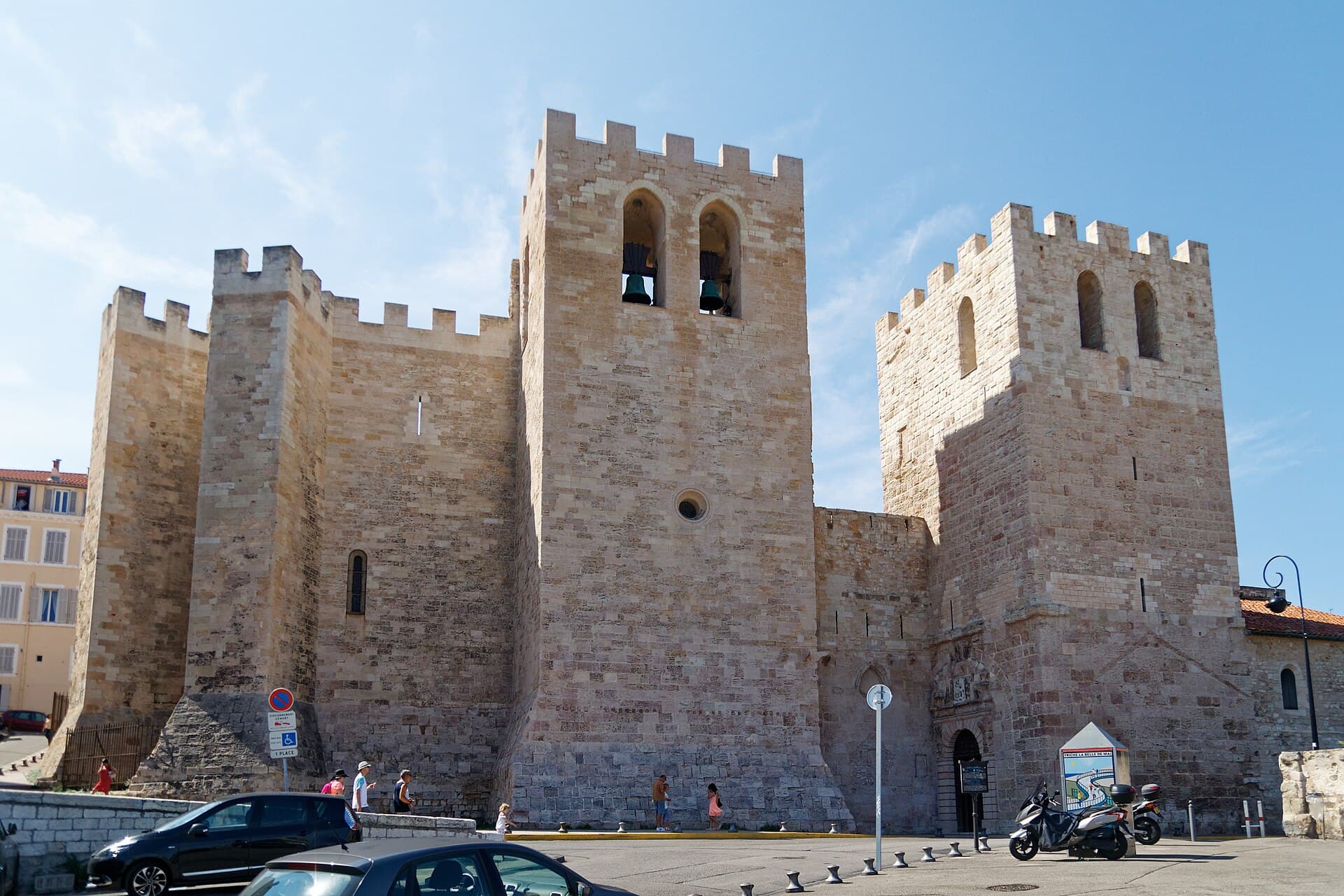 Abbey of Saint VictorFrom outside it does not look like a church but a **fortress**: blank walls, squ5 minutes walk4.5
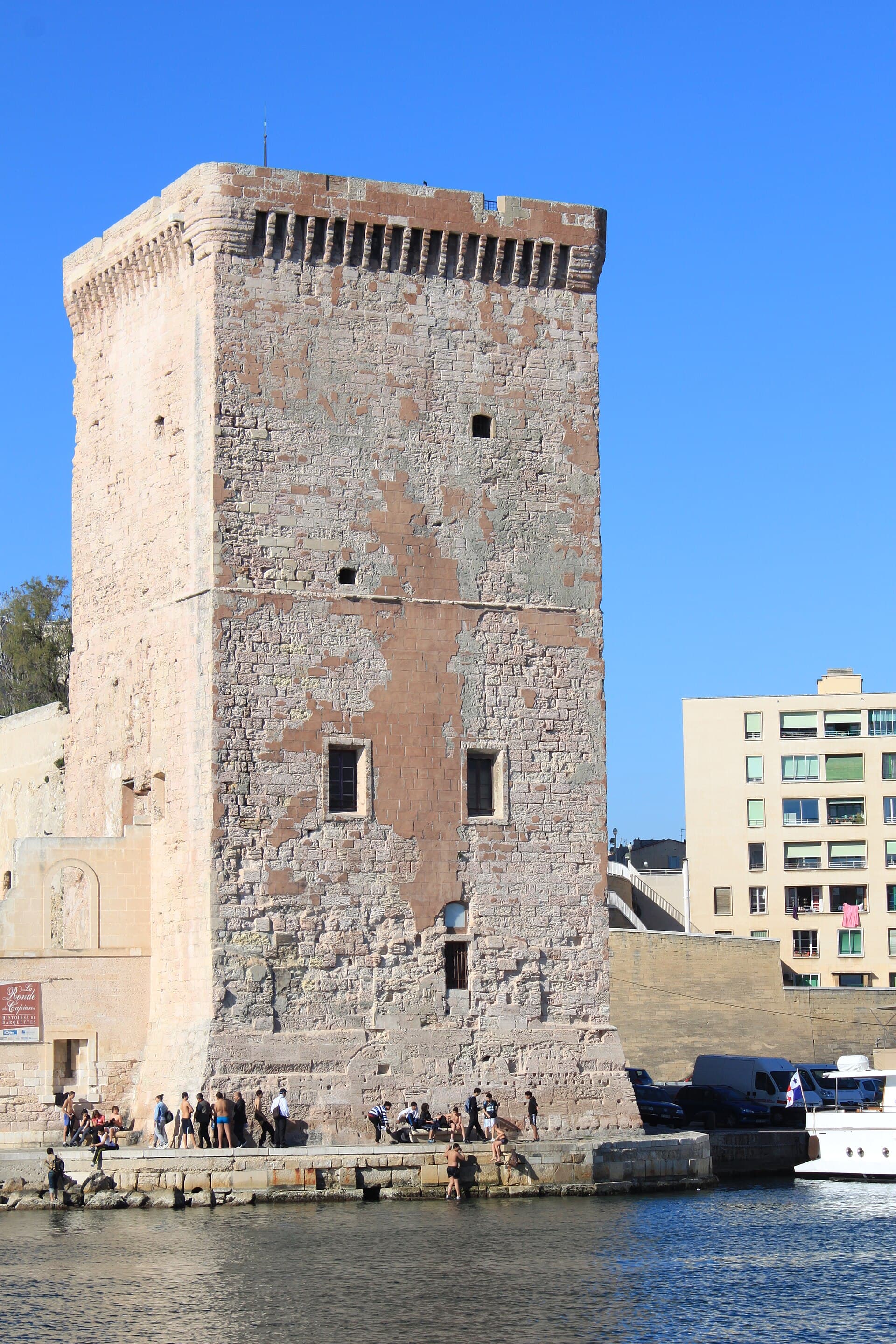 Tower of King RenéA square fifteenth-century defensive tower at the mouth of the old port, built b7 minutes walk4.8
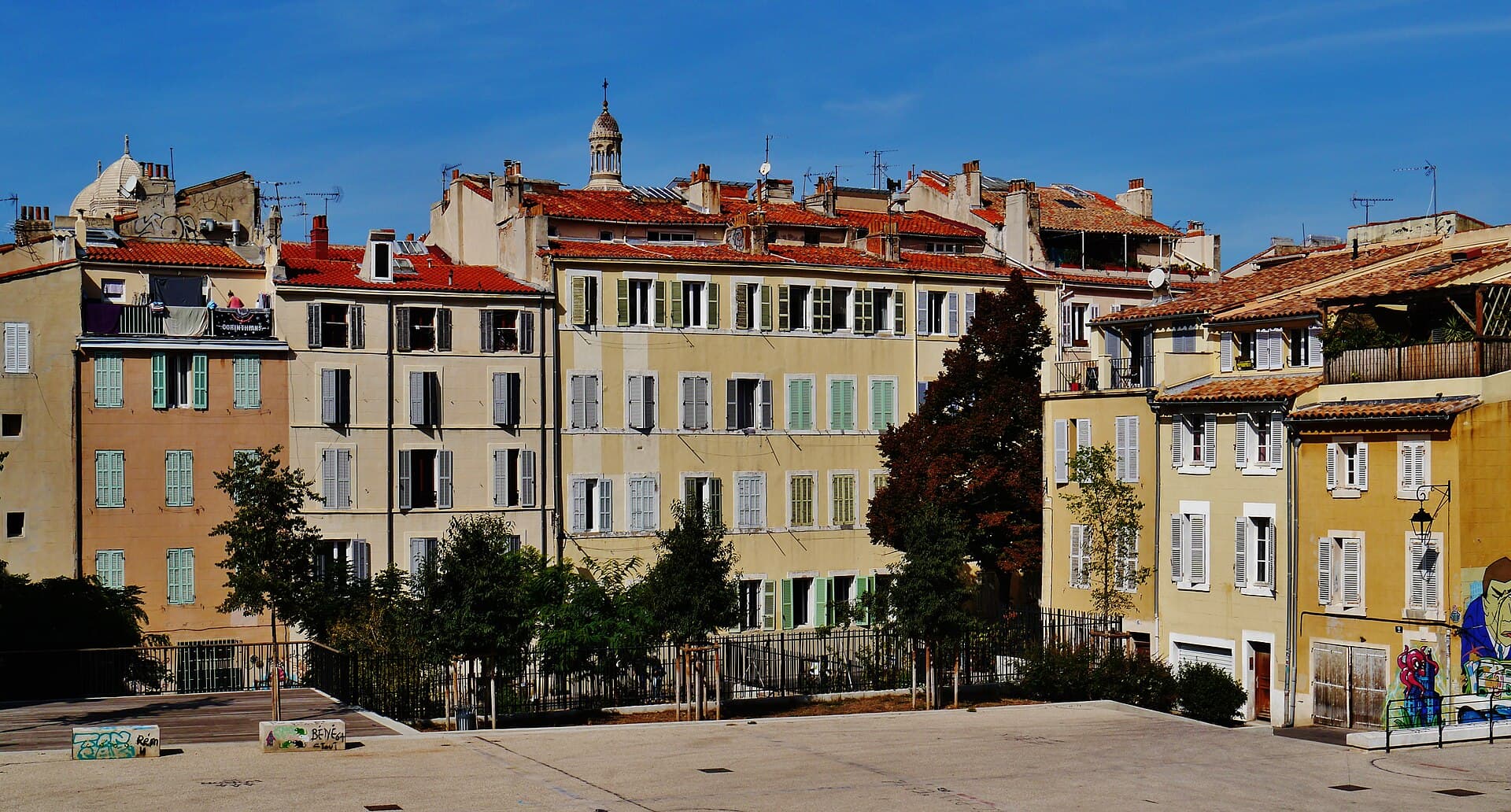 Le PanierOn the small hill north of the Old Port sits **Le Panier**, Marseille's oldest q7 minutes walk
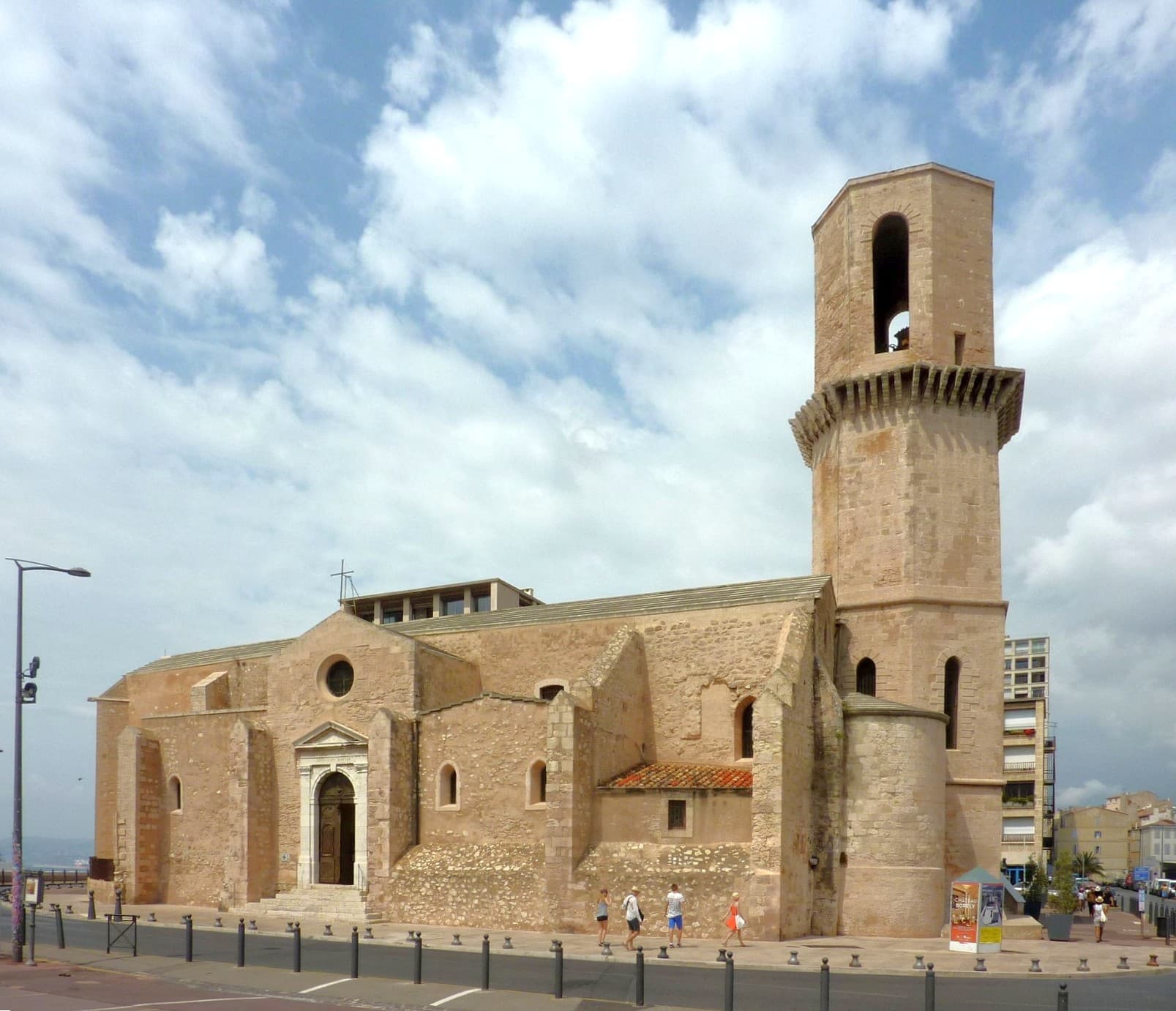 Church of Saint-LaurentA Romanesque church of the twelfth and thirteenth centuries on a rocky rise betw8 minutes walk4.3
By four signs. **The stamp**: a real cube has the oil percentage and the soapworks' name pressed into its faces, not stuck on as a paper label. **The percentage**: 72% oil, the traditional legal figure. **Colour and smell**: dark green (olive oil) or pale beige (other vegetable oils), with a faint oily smell rather than a perfume. **Ingredients**: a very short list with no synthetic fragrance or colourants. The pink lavender cubes in souvenir shops are perfectly pleasant cosmetic soap, but they are not this product.
If your time in Marseille is very tight, buying alone is enough — from a known soapworks or the shops in Le Panier, where someone will explain the difference at the counter. But the visit is **short and cheap**: half an hour near the Old Port, which you'll be at anyway, and you see the cauldrons, the moulds and sometimes a live cutting demonstration. The practical payoff is walking out able to tell the real from the imitation in markets across Provence, and that is worth half an hour.