
A chain that closed a port
A simple, effective answer in Mediterranean harbours before heavy artillery.
photography taken by Christophe.Finot — CC BY-SA 3.0 · Celuici — CC BY-SA 4.0 · Georges Seguin (Okki) — CC BY-SA 3.0 · Georges Seguin (Okki) — CC BY-SA 3.0
A square fifteenth-century defensive tower at the mouth of the old port, built by René, king of Naples and count of Provence, and the oldest part of what later became Fort Saint-Jean. Its function explains the geography: the mouth of the old port is narrow, and it was closed by a massive chain drawn between two towers on either bank to keep hostile ships out. This is one of them. The chain mechanism was common in Mediterranean harbours, a simple and effective answer before the age of heavy artillery. Later, in the seventeenth century, Louis XIV built the larger Fort Saint-Jean around the tower — not to protect the city from the sea but to watch it: the fort's guns pointed inward at the city rather than out, after Marseille rebelled against royal authority. The city has not forgotten that. Practical points: the tower sits within Fort Saint-Jean, which belongs to the MuCEM, and entry to the fort's grounds is normally free. The tower itself may not be climbable. The fort connects to the MuCEM by a footbridge.
A simple, effective answer in Mediterranean harbours before heavy artillery.
Louis XIV built the fort to watch the city, not to protect it.
The tower is fifteenth-century; the fort around it is seventeenth.
Within Fort Saint-Jean, at the mouth of the old port
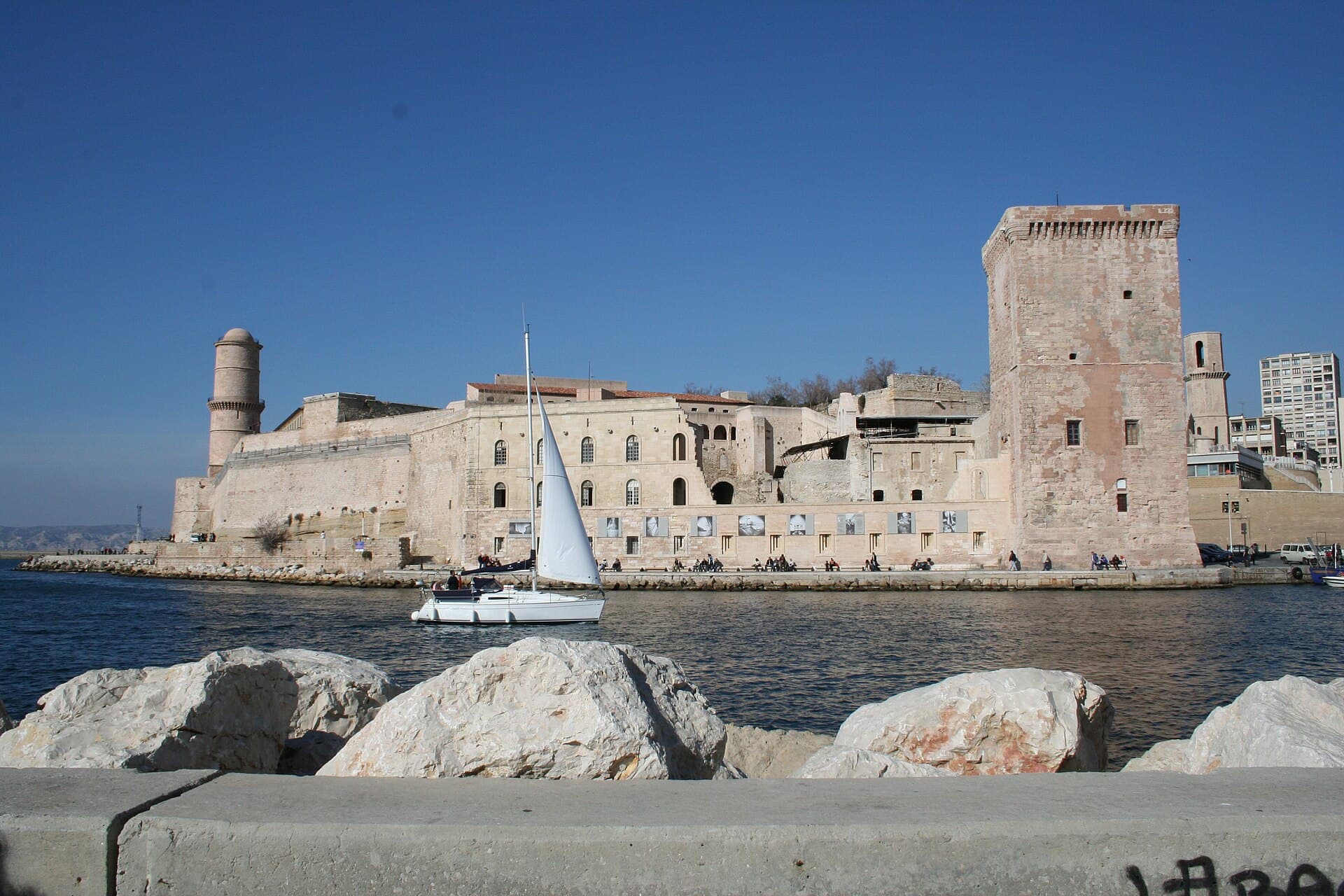 Fort Saint-JeanFort Saint-Jean has guarded the Vieux-Port entrance for centuries: its round tow1 minute walk4.6
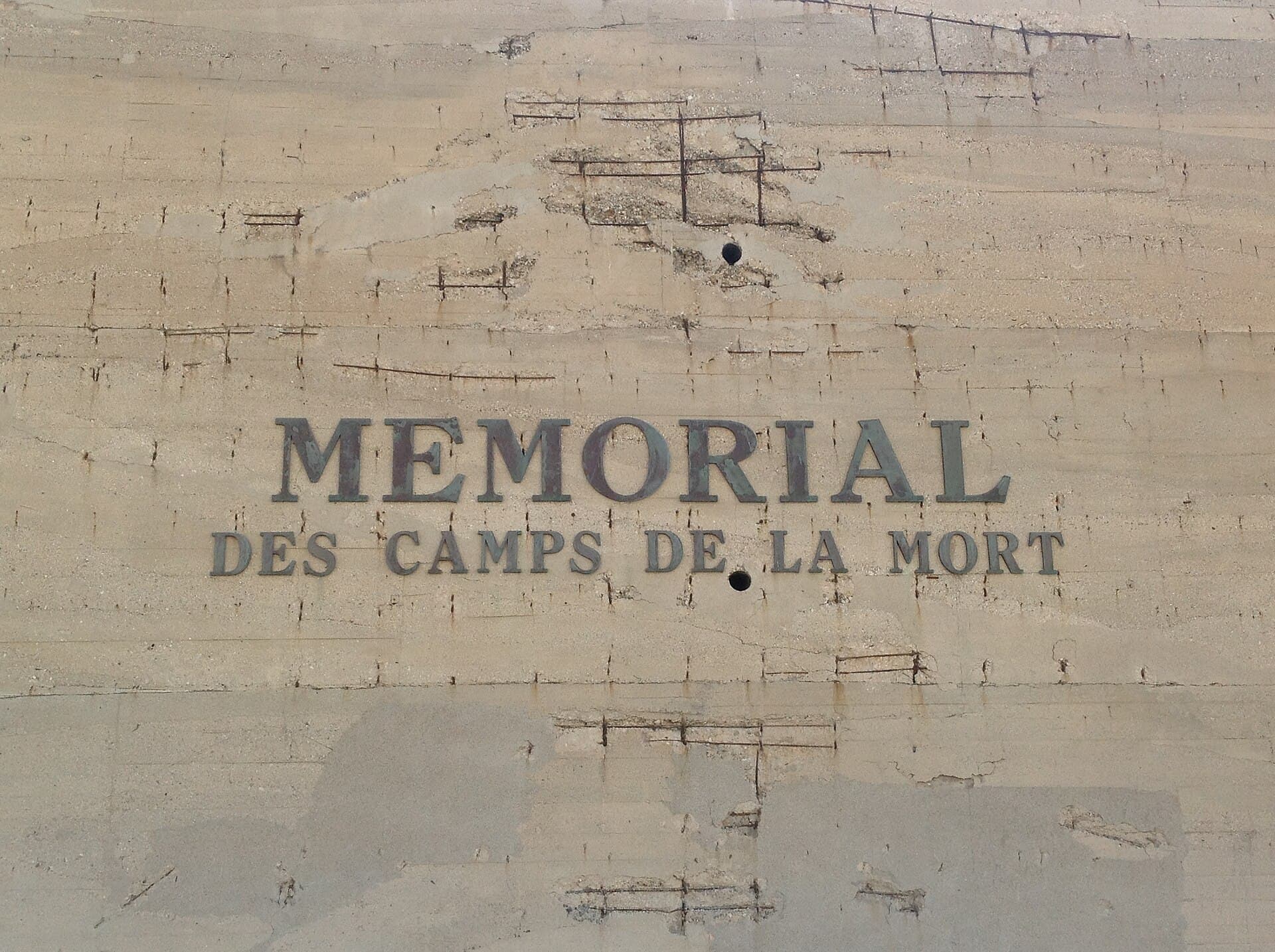 Memorial of the DeportationsA memorial and small museum near the old port, dedicated to the memory of those 1 minute walk4.5
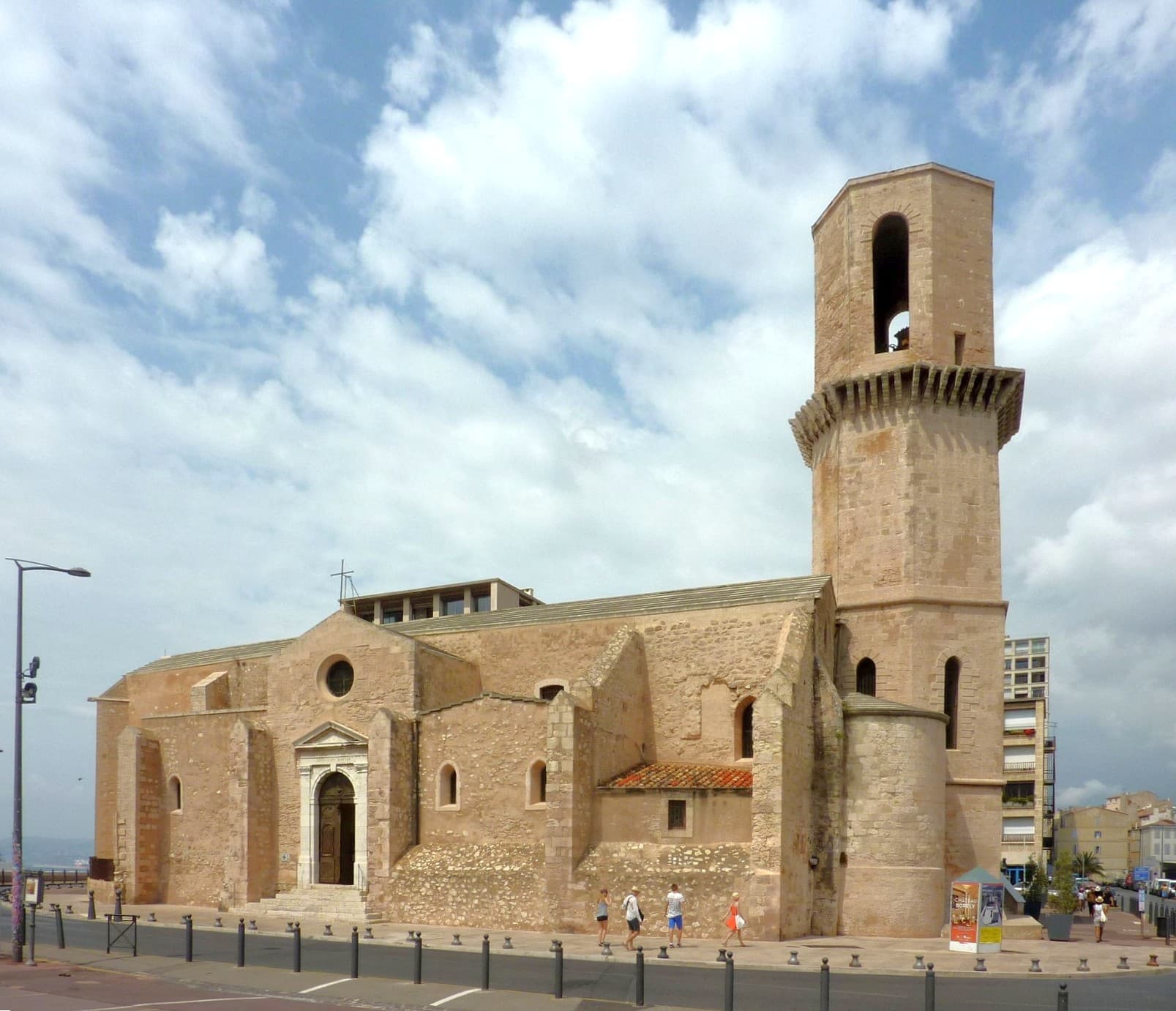 Church of Saint-LaurentA Romanesque church of the twelfth and thirteenth centuries on a rocky rise betw2 minutes walk4.3
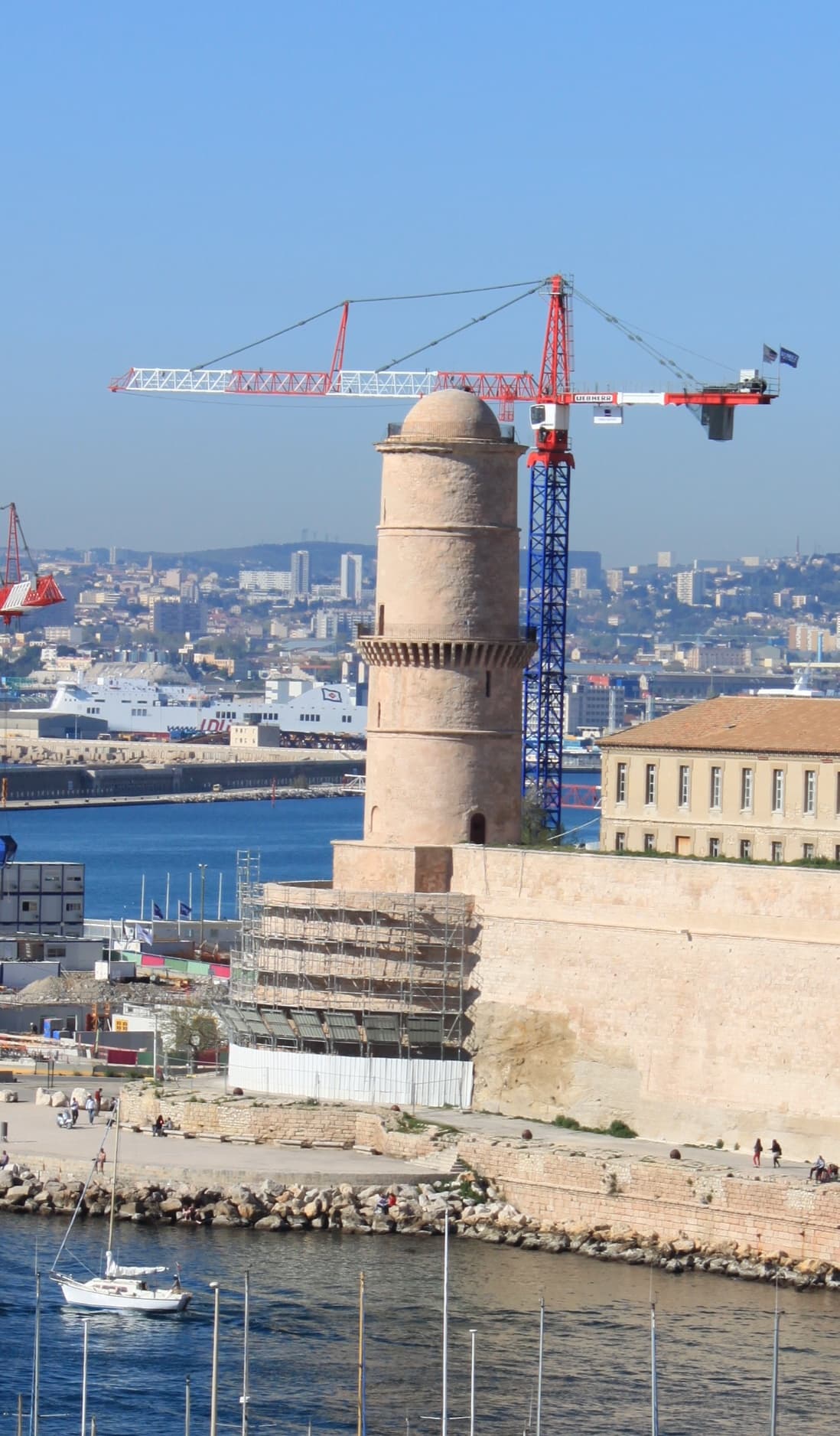 The Tour du FanalA stone tower at the entrance to the Old Port of Marseille, part of Fort Saint-J2 minutes walk4.8
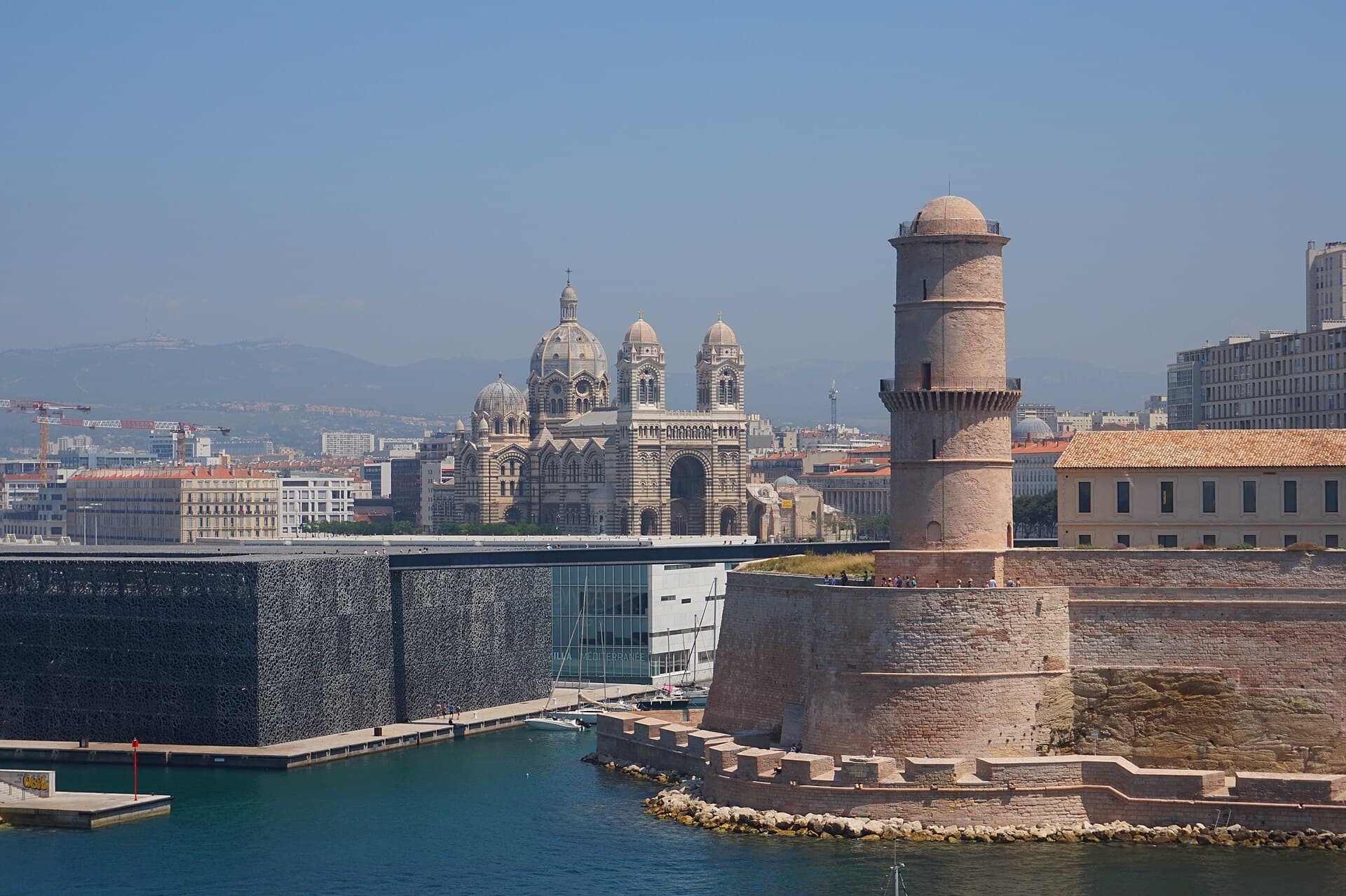 MuCEMThe MuCEM is modern Marseille's emblem: a great cube at the harbour mouth wrappe4 minutes walk4.3
Because Marseille was a city in revolt against central authority. After an uprising in the seventeenth century, Louis XIV had two forts built at the harbour mouth — Saint-Jean and Saint-Nicolas — with guns trained on the city itself. Marseille understood the message, and it remains part of how the city tells its relationship with Paris.
The fort's courtyards, gardens and walkways are normally open free, with an excellent view over the harbour and sea. The MuCEM exhibitions in the neighbouring building are ticketed. You can easily spend an hour in the fort free without entering the museum.