
Alsace as a frontier
The region was a Roman military frontier on the Rhine.
Ji-Elle — CC BY-SA 3.0 · Sami Mlouhi — CC BY-SA 4.0 · Razvan Orendovici from United States — CC BY 2.0 · Musées de la ville de StrasbourgStrasbourg — CC BY-SA 3.0
An archaeology museum in the basement of the Palais Rohan, among the most important in France, covering Alsace from prehistory to the end of the Merovingian period. What distinguishes it is continuity: Alsace has been inhabited for thousands of years, and its position on the Rhine made it a corridor and a frontier at once. The collection traces that through stone tools, Bronze Age burials and Celtic material, then a strong Roman section — Alsace was a military frontier of the empire — and then Merovingian cemeteries with their weapons and jewellery. That sequence explains something a visitor notices about Strasbourg itself: the city sits on a line between two worlds, and the museum shows that was equally true two thousand years ago. Practical points: the museum is inside the Palais Rohan, which also holds the fine arts museum and the decorative arts museum. The ticket may be for one museum or combined for all three — ask when buying, as the combined one is clearly better value if you will see more than one.
The region was a Roman military frontier on the Rhine.
Weapons and jewellery from the era before Charlemagne.
Archaeology, fine arts and decorative arts all in the Palais Rohan.
Basement of the Palais Rohan, Strasbourg
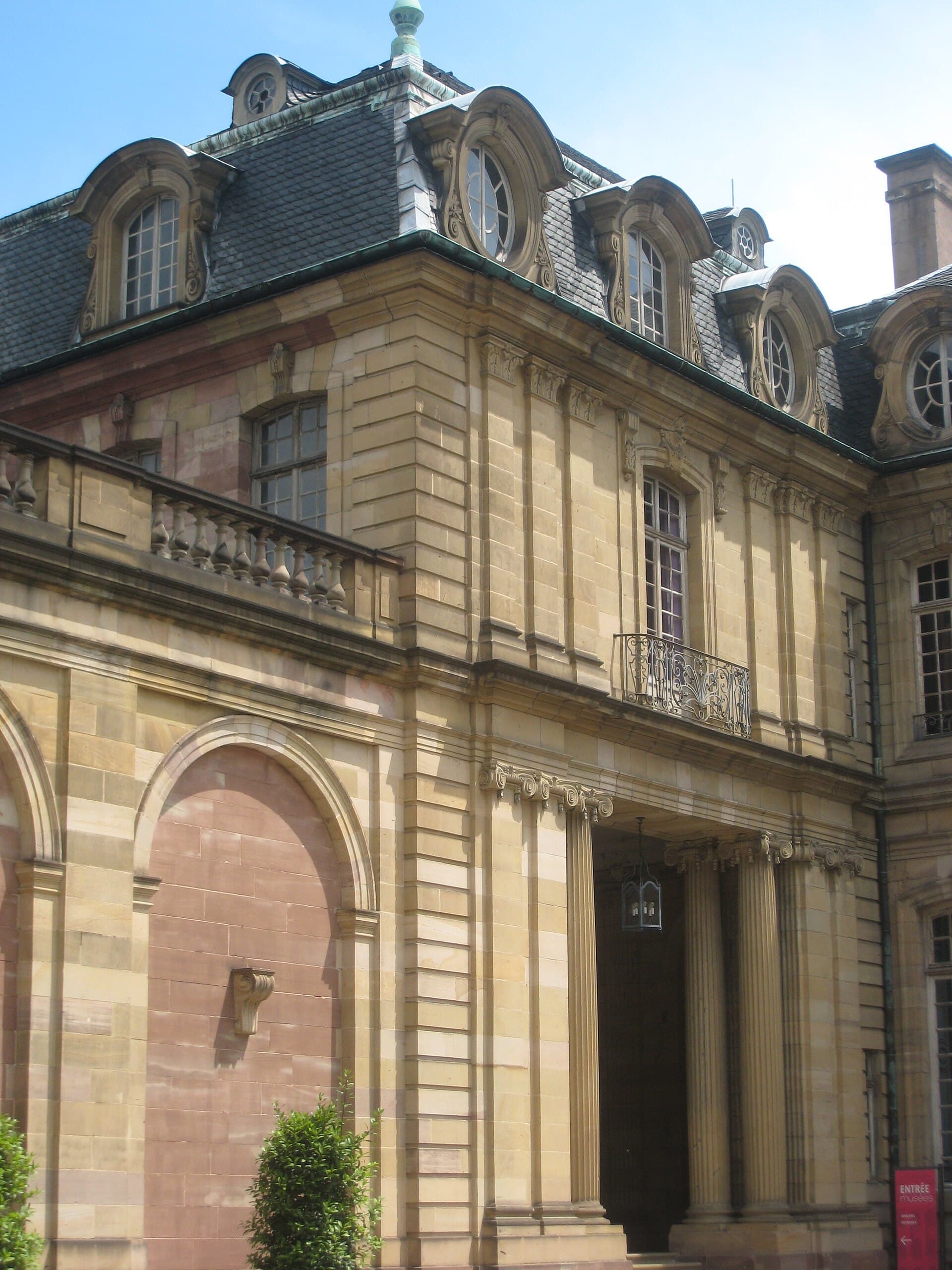 Museum of Decorative Arts, StrasbourgA museum on the ground floor of the Palais Rohan, combining two halves: the stat1 minute walk4.3
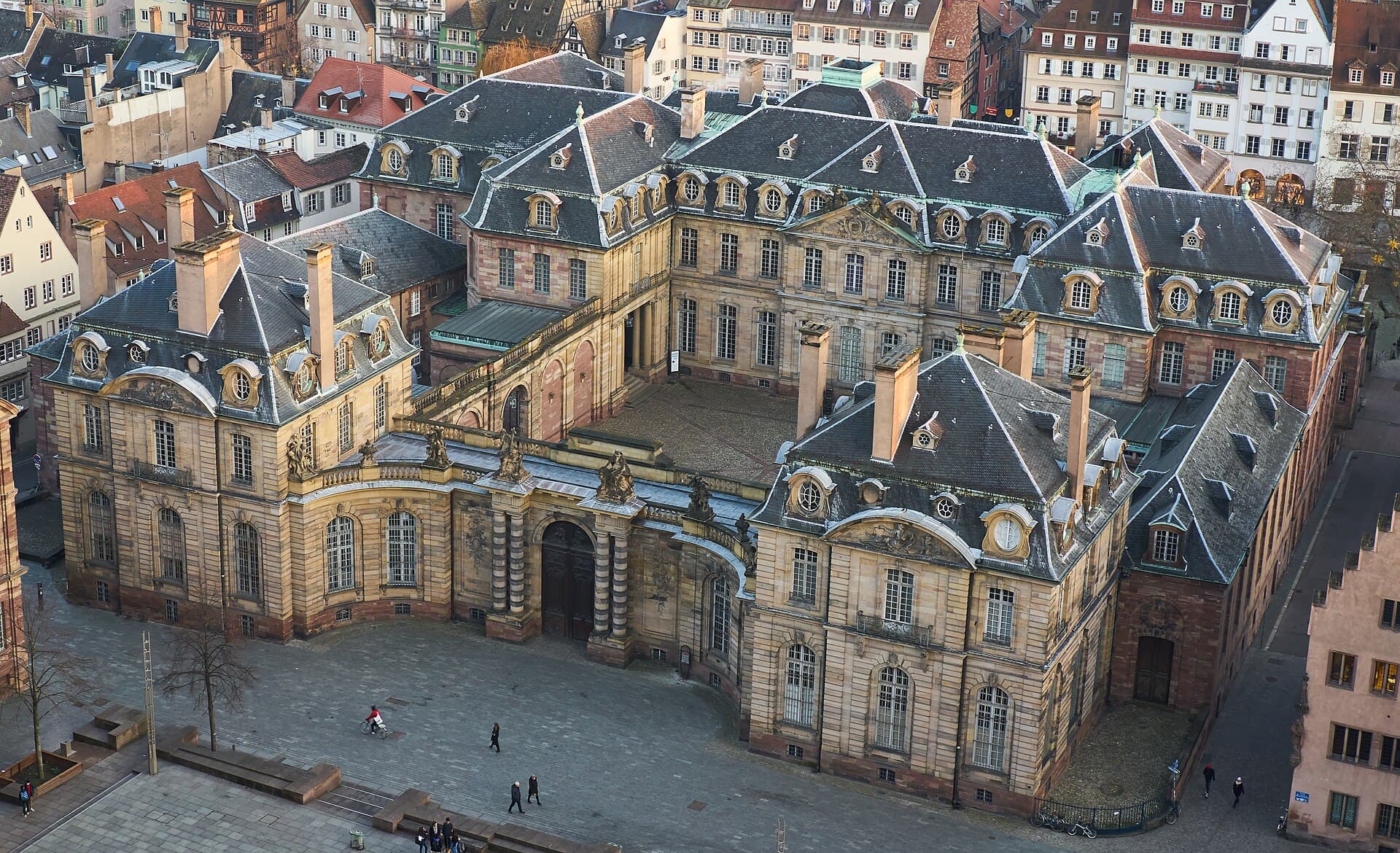 Palais RohanThe Palais Rohan is Strasbourg's eighteenth-century masterpiece: built by the po1 minute walk4.5
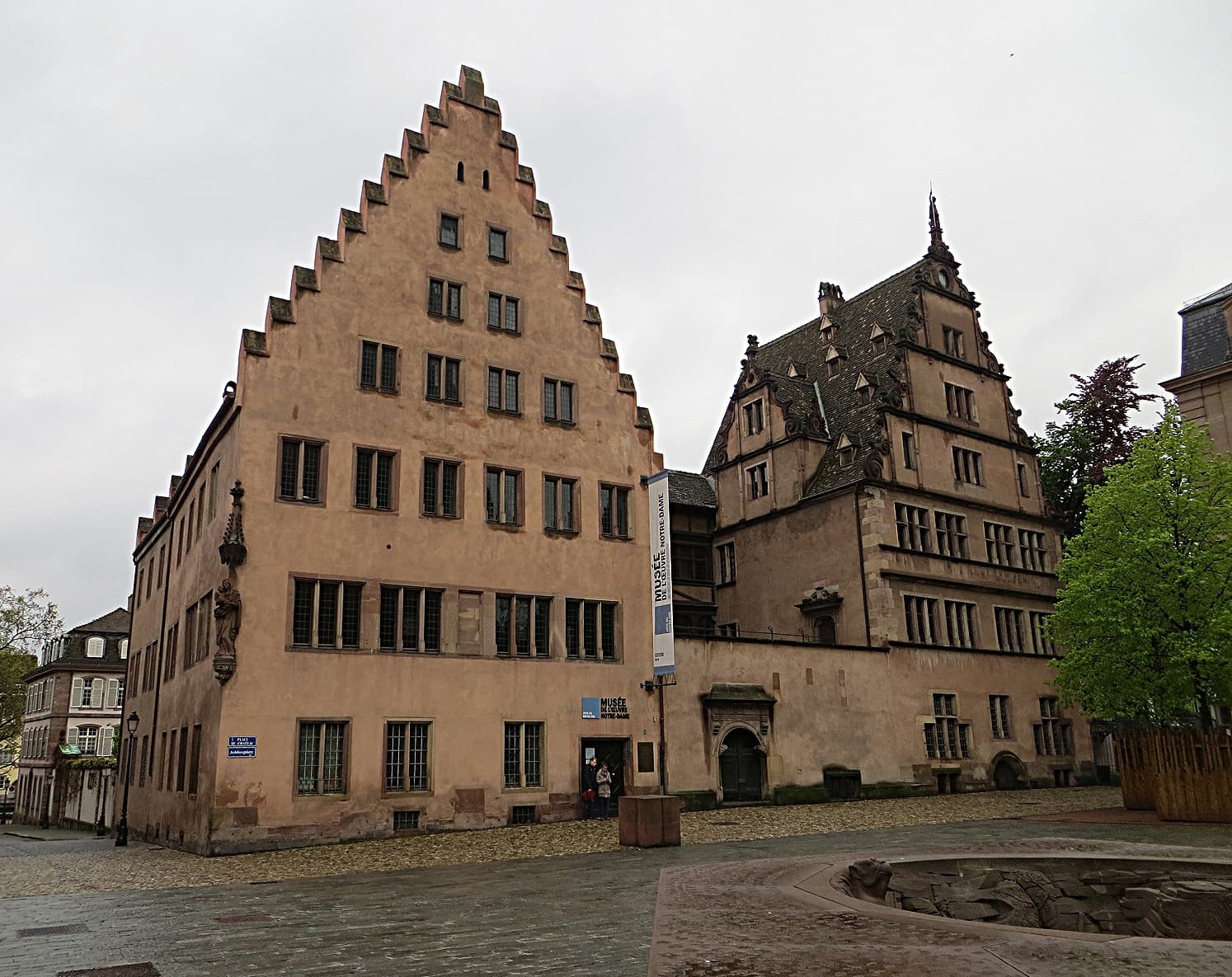 Musée de l'Œuvre Notre-DameThe 'Œuvre Notre-Dame' is the foundation that has built and repaired the cathedr1 minute walk4.6
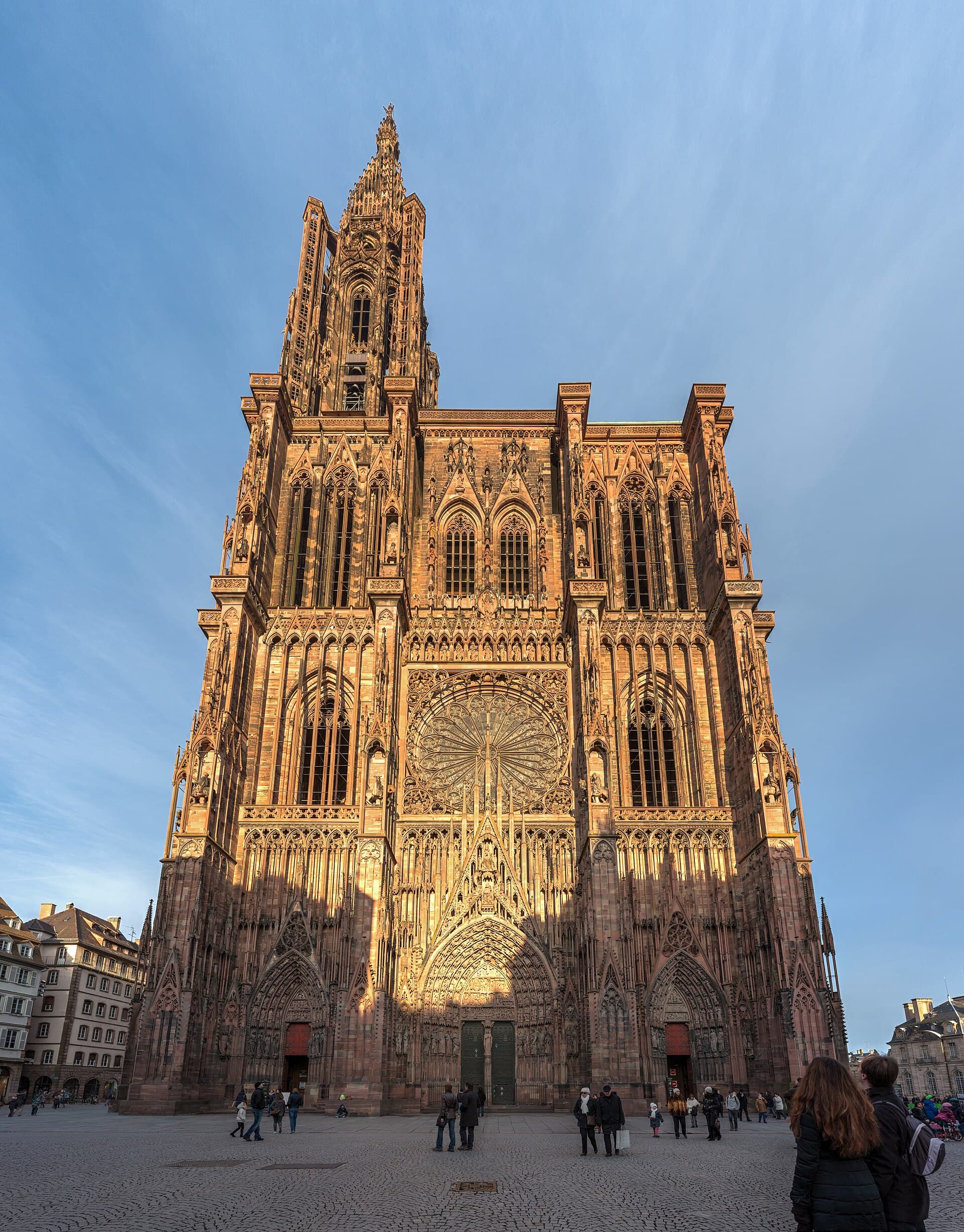 Strasbourg CathedralFor more than two centuries Strasbourg Cathedral was the tallest building on ear2 minutes walk4.7
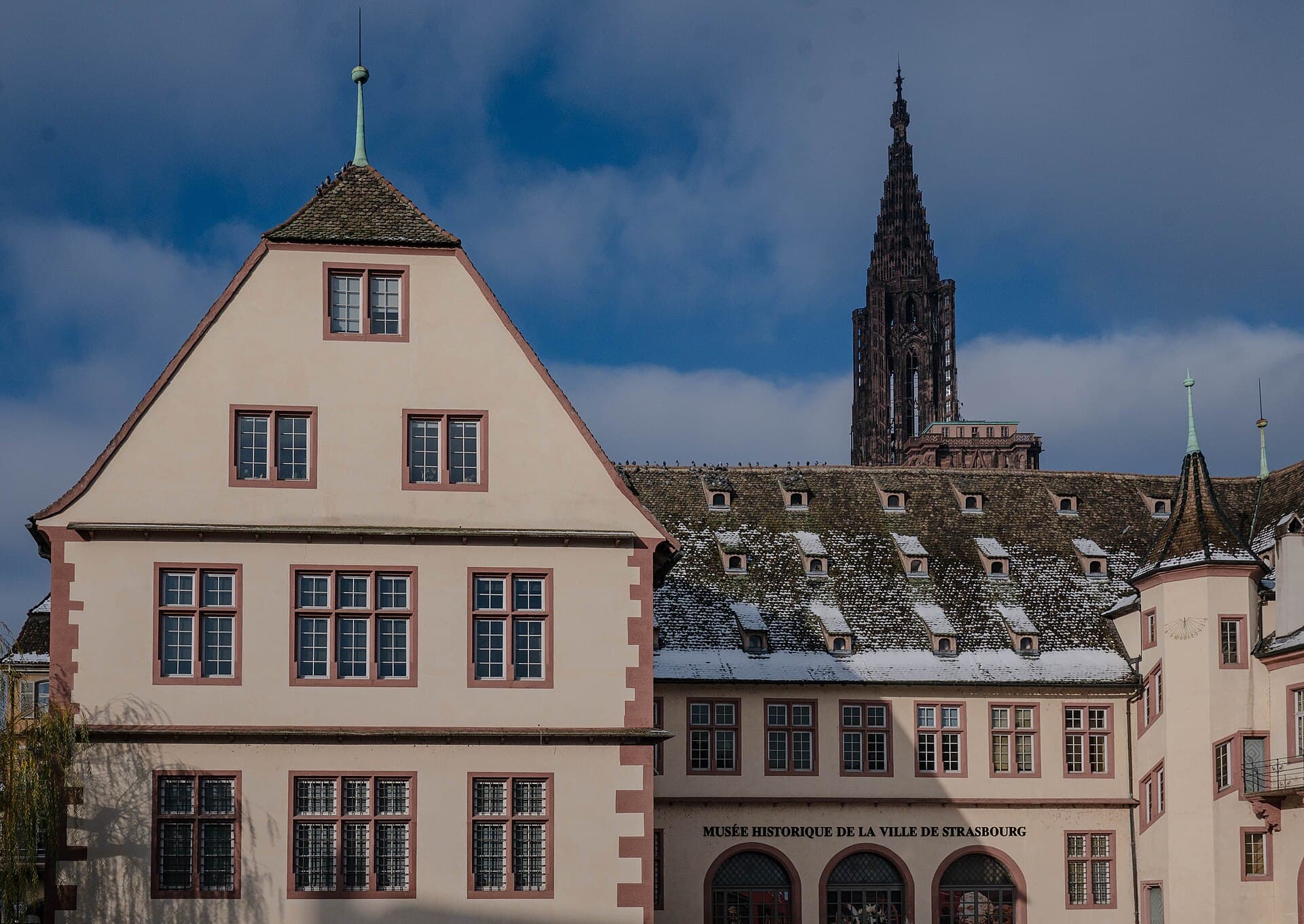 Historical Museum of StrasbourgThe Historical Museum tells Strasbourg's story from the Middle Ages: in a sixtee2 minutes walk4.4
Yes but it is an intensive day: allow four to five hours for all three. With less time, pick two — usually archaeology and fine arts — and leave the decorative arts. The combined ticket allows that without loss.
The neighbouring Œuvre Notre-Dame museum covers medieval art and the cathedral's original sculpture, and it begins roughly where the archaeological museum ends chronologically. Visiting them in that order gives you a continuous line from prehistory to the Middle Ages.