
The six rooms
Each decorated differently — skulls, pelvises, leg bones — arranged with care rather than at random.
Livioandronico2013 — CC BY-SA 4.0 · СССР — CC BY-SA 2.5 ca · Rijksmuseum — CC0 · Rijksmuseum — CC0
Six small rooms beneath the Capuchin church, their walls and ceilings decorated with the bones of some four thousand friars of the order, moved here between 1732 and 1775 when their old burial ground was cleared. The intent is not horror but contemplation: the friars arranged their brothers' bones into patterns, stars and chandeliers to remind the visitor that death is shared and certain. In the last room a plaque reads, in three languages: "What you are, we once were; what we are, you will be." Before the crypt, visitors pass through a small museum on the history and life of the Capuchin order, including a painting attributed to Caravaggio. The whole route is orderly, quiet and respectful — nothing about it is sensational. Photography is strictly forbidden inside the crypt. It is not suitable for young children or for anyone affected by images of death. It stands on Via Veneto near Piazza Barberini.
Each decorated differently — skulls, pelvises, leg bones — arranged with care rather than at random.
An introductory section on Capuchin life and history, including a painting attributed to Caravaggio.
Via Veneto 27, Rome
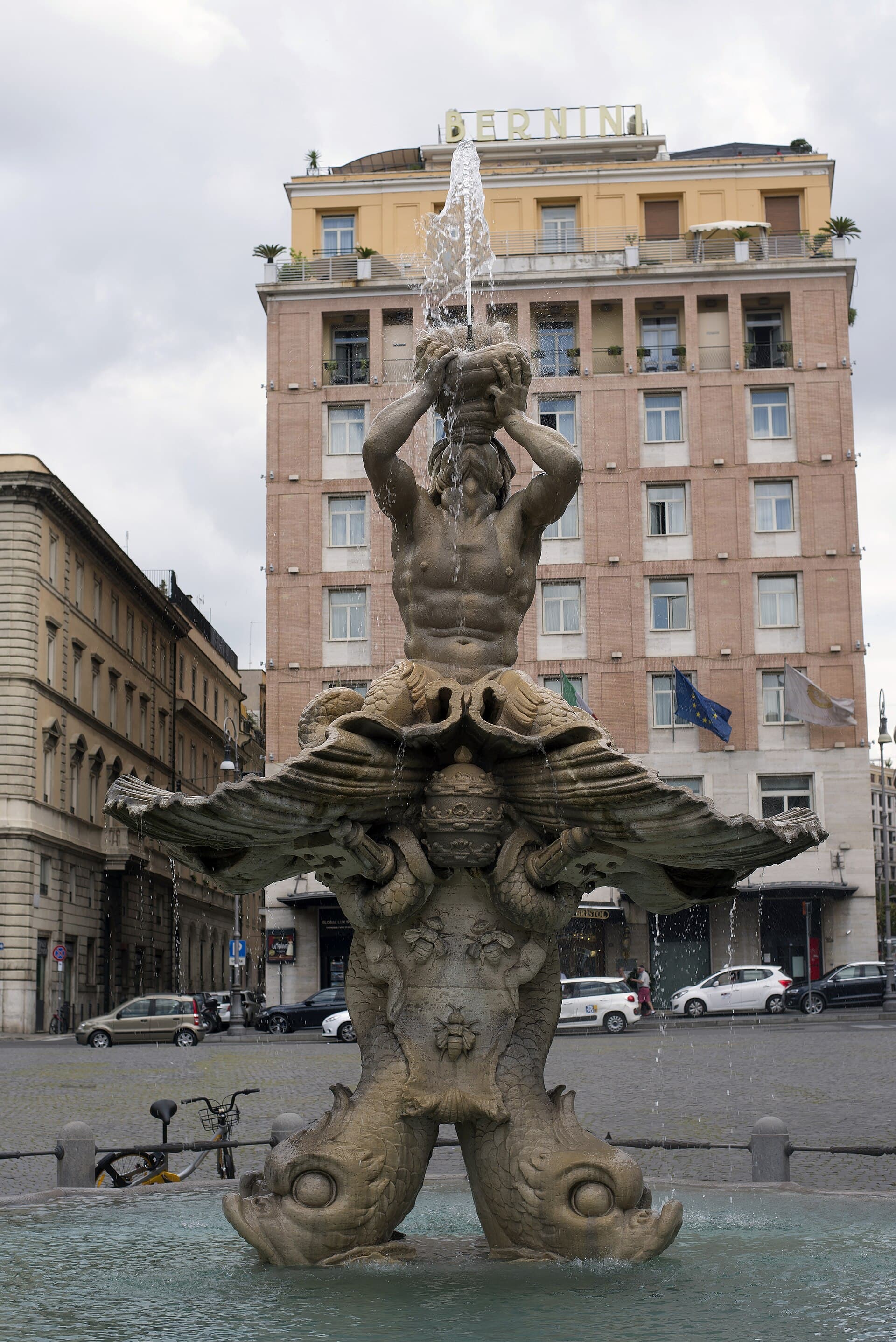 Triton FountainBernini's fountain at the centre of Piazza Barberini, carved in 1643 for Pope Ur2 minutes walk4.7
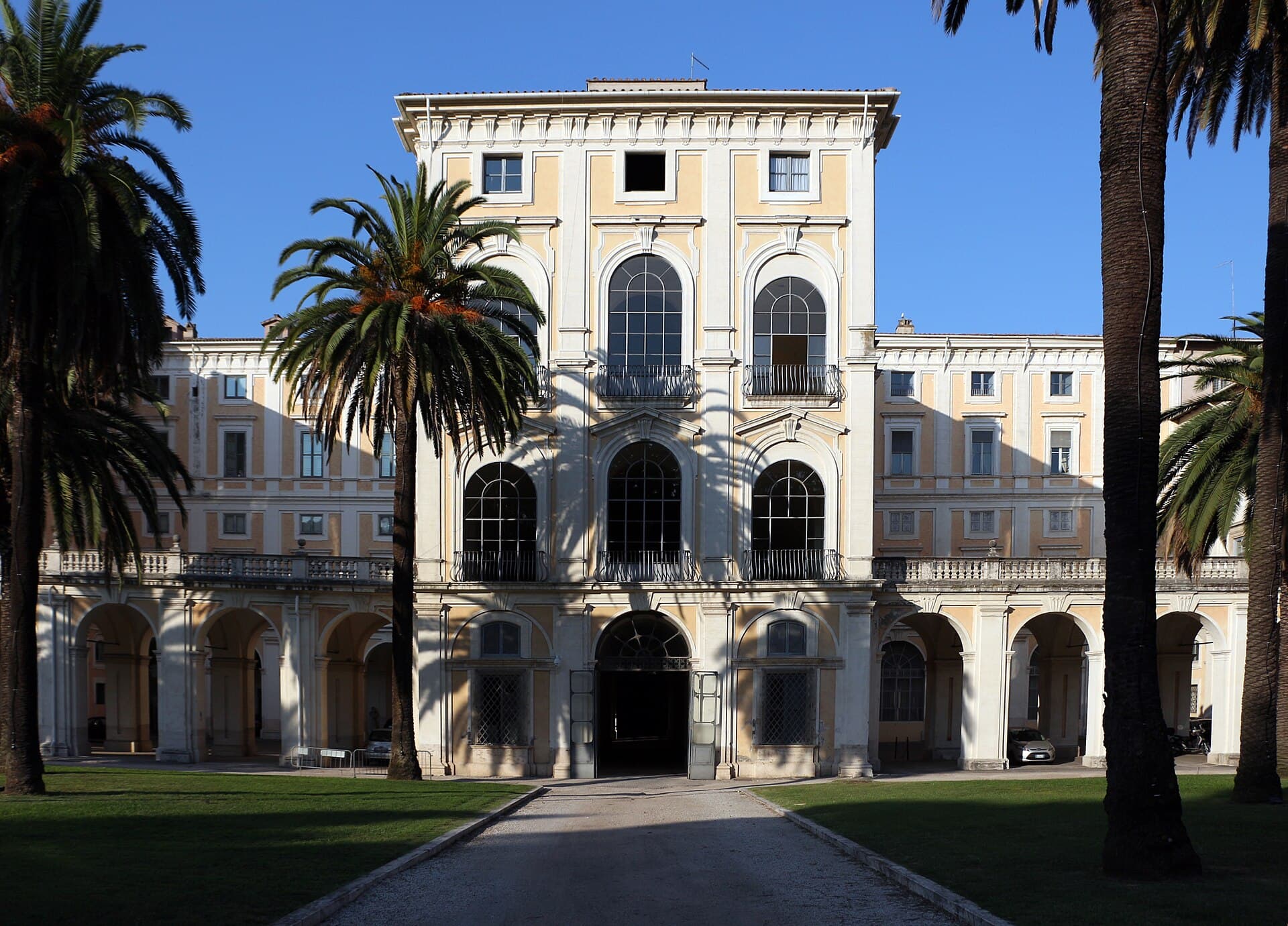 Galleria Nazionale d'Arte AnticaA Baroque palace built for the family of Pope Urban VIII by three of the sevente3 minutes walk4.7
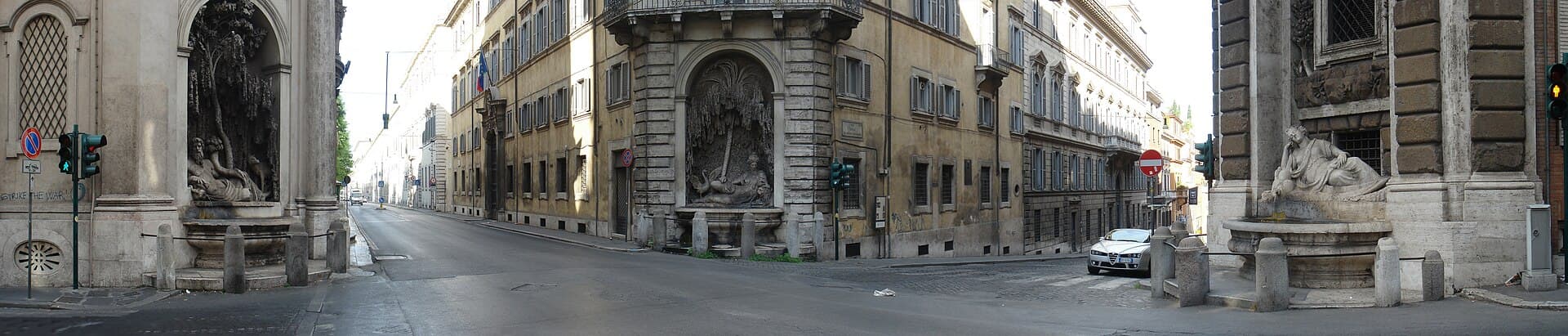 The Four FountainsFour fountains in the corners of a street crossing in Rome, set up between 1588 5 minutes walk4.4
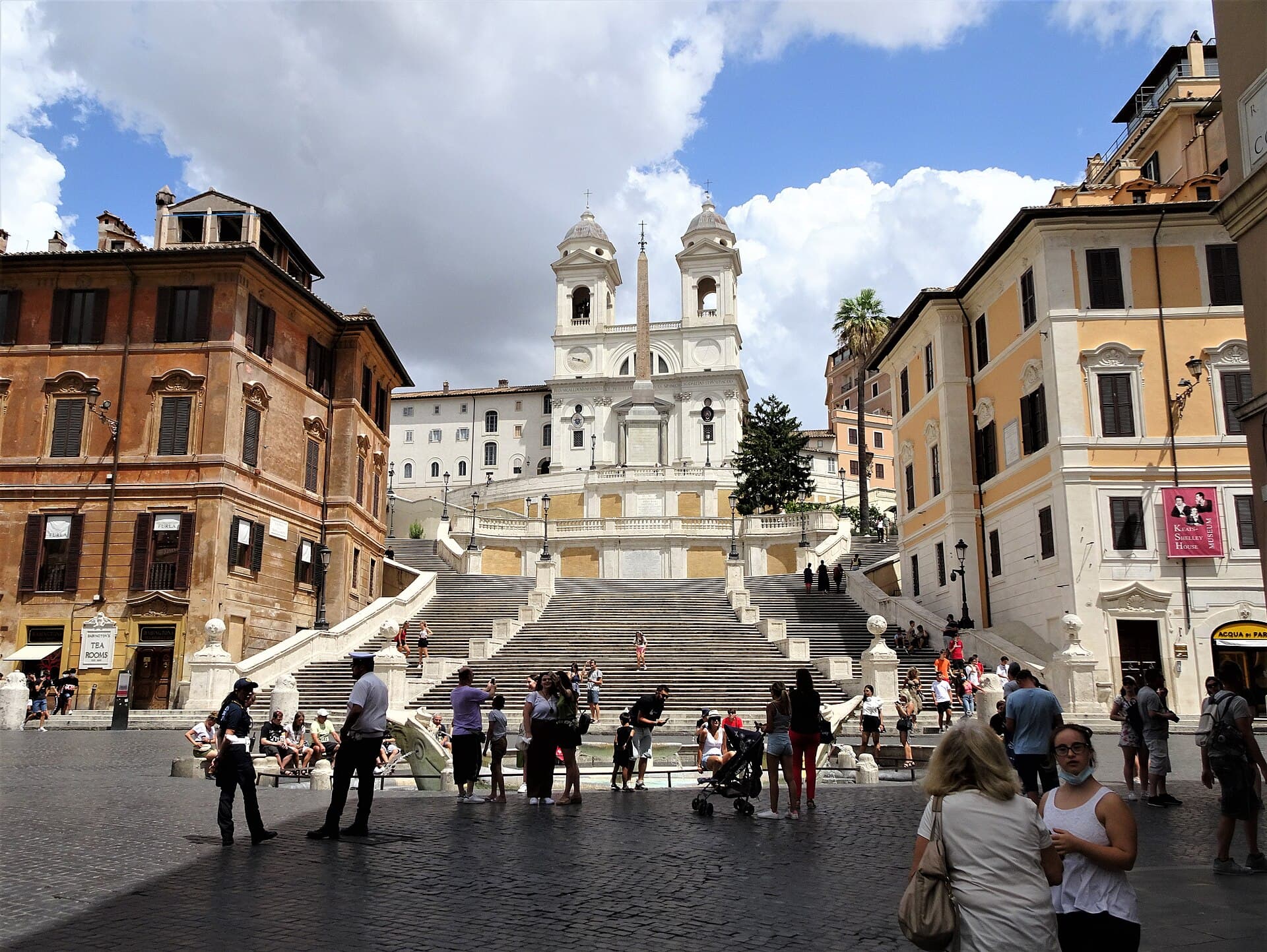 Spanish StepsOne hundred and thirty-five steps widening, narrowing and curving up from Piazza6 minutes walk4.7
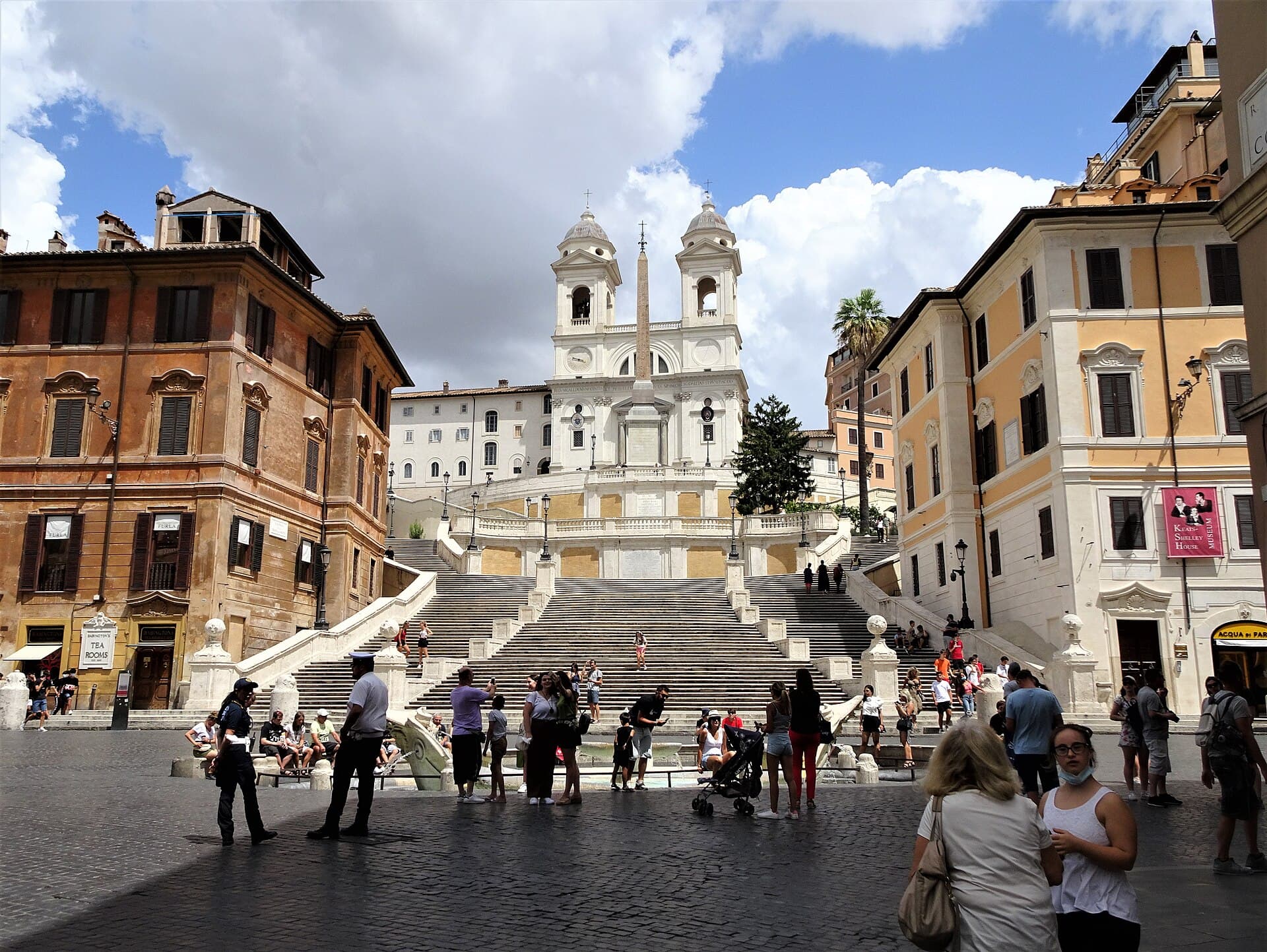 Piazza di SpagnaThe square at the foot of the Spanish Steps, named for the Spanish embassy to th7 minutes walk4.6
Looking for halal food near Santa Maria della Concezione dei Cappuccini? There are several options nearby, from Moroccan and Indian kitchens to quick casual spots and places with a view. Confirm the halal status and opening hours before you go — these can change.
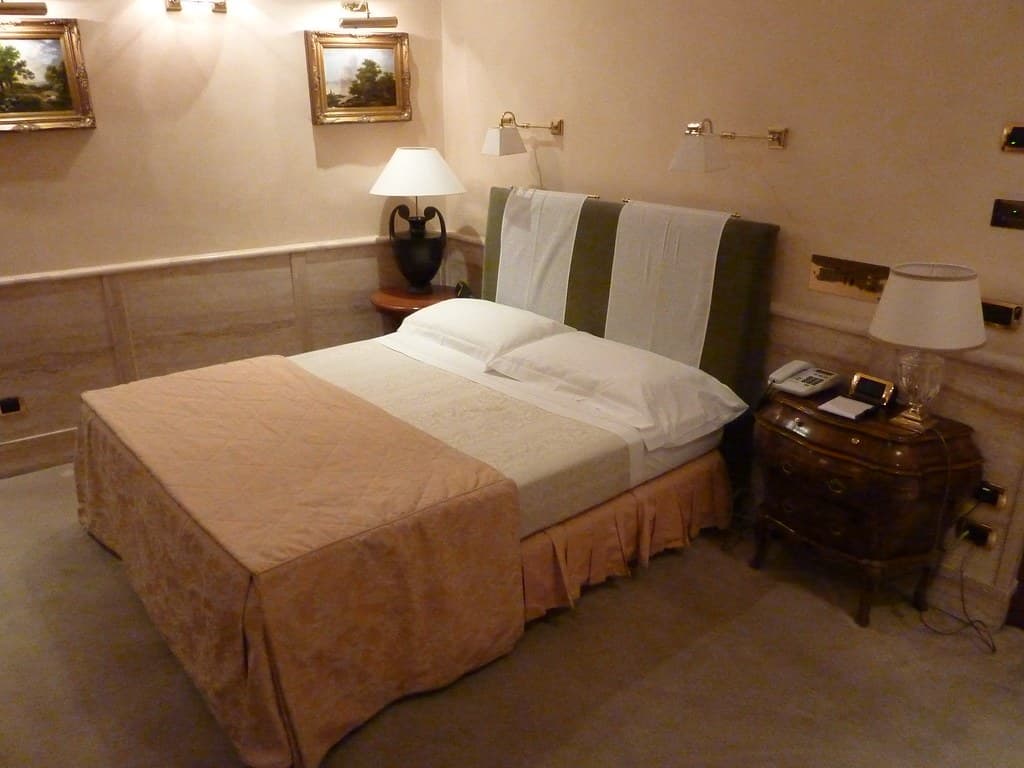 Hotel BaroccoA four-star hotel looking directly onto Piazza Barberini and Bernini's Triton Fo2 minutes walk · $$$$4.9The St. Regis RomeRome's oldest grand hotel and its most historic: opened in January 1894 as the G6 minutes walk · $$$$4.8
Less than you expect. The lighting is soft, the route short and orderly, and the stated purpose is contemplative. Still, anyone affected by human remains should skip it, and it is not advisable for a young child.