
The Quimbaya Treasure
Colombian gold pieces given to Spain by Colombia's government in 1892 in thanks for Spanish arbitration of a border dispute with Venezuela — a donation Colombia's own courts have since pushed the government to try to undo.
Carlos Delgado — CC BY-SA 3.0 · Poncho.palmera — CC BY-SA 4.0 · Emilio J. Rodríguez Posada — CC BY-SA 4.0 · Emilio J. Rodríguez Posada — CC BY-SA 4.0
The Museo de América, in Moncloa northwest of the centre, gathers what reached Spain from the Americas over centuries: pre-Columbian pieces, colonial-era work, and Indigenous ethnographic material, arranged by theme, not country or date. Two objects carry it: the Quimbaya Treasure — Colombian goldwork given to Spain in 1892 in thanks for its arbitration of a border dispute with Venezuela, a gift Colombia has since sought to reverse — and the Madrid Codex, one of the few surviving Maya codices, shown only as a facsimile: the original is kept off view for its fragility. It is quiet next to the Prado or the National Archaeological Museum, but much of the labelling is Spanish-first and the English audioguide makes up for it. On a trip of three days or fewer it is not a priority. It is a few minutes from Moncloa metro, next to the Faro de Moncloa and Parque del Oeste, which runs down to the Temple of Debod, in a student area full of restaurants. But it closes early — mid-afternoon most days, one later evening a week — so check the hours and go in the morning, neighbourhood after.
Colombian gold pieces given to Spain by Colombia's government in 1892 in thanks for Spanish arbitration of a border dispute with Venezuela — a donation Colombia's own courts have since pushed the government to try to undo.
One of the few Maya codices to survive from before the Spanish conquest. What is on display is a facsimile — the original is kept off view because of its fragility.
A series from colonial Mexico classifying families by ancestry — more a blunt record of how that period saw people than a set of artworks.
Avenida de los Reyes Católicos, 6, 28040 Madrid
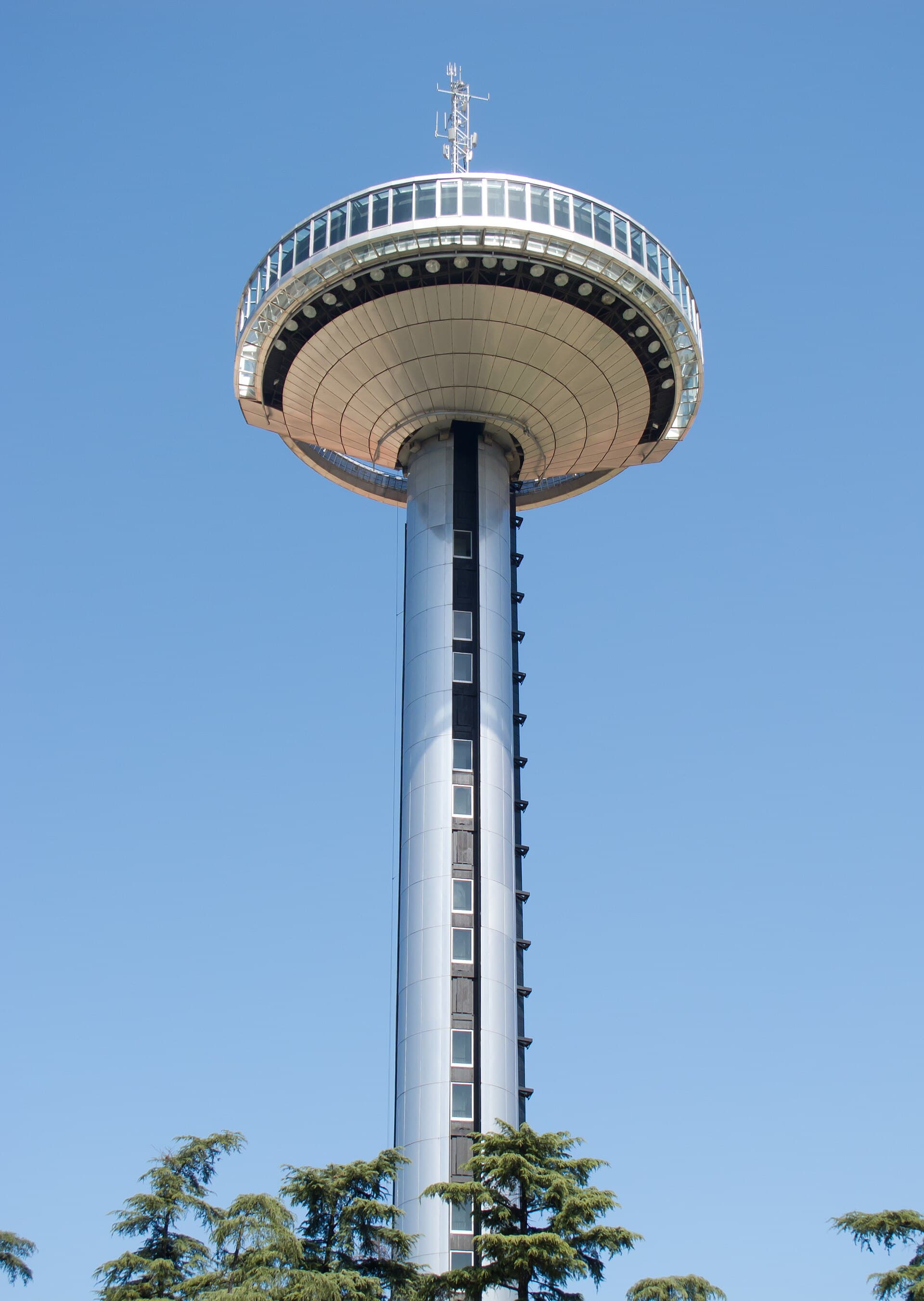 Faro de MoncloaThe deal at the Faro de Moncloa is simple. A lift raises you in about a minute t1 minute walk4.3
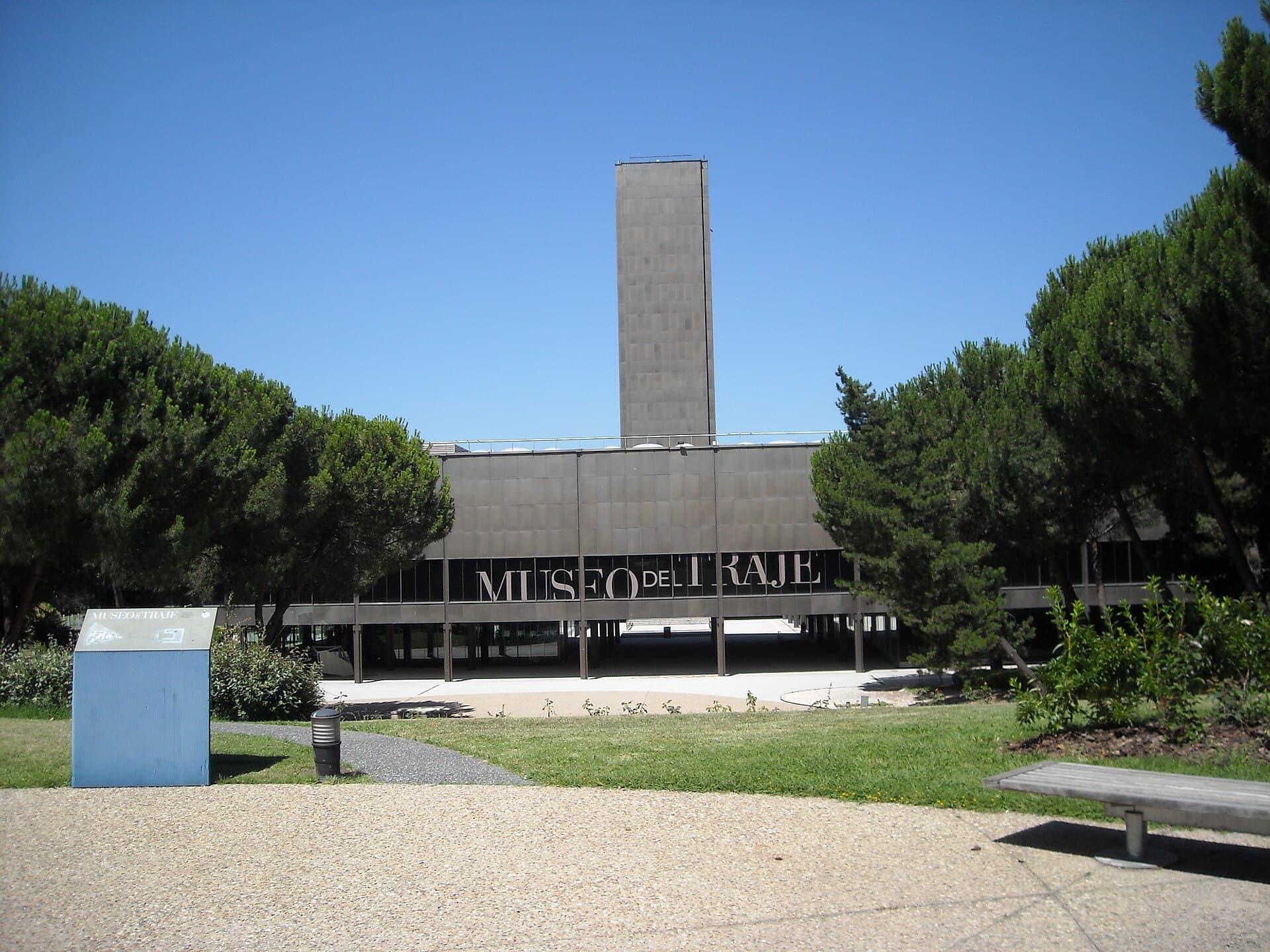 Museo del TrajeMuseo del Traje sits away from central Madrid, by the university campus in Moncl7 minutes walk4.5
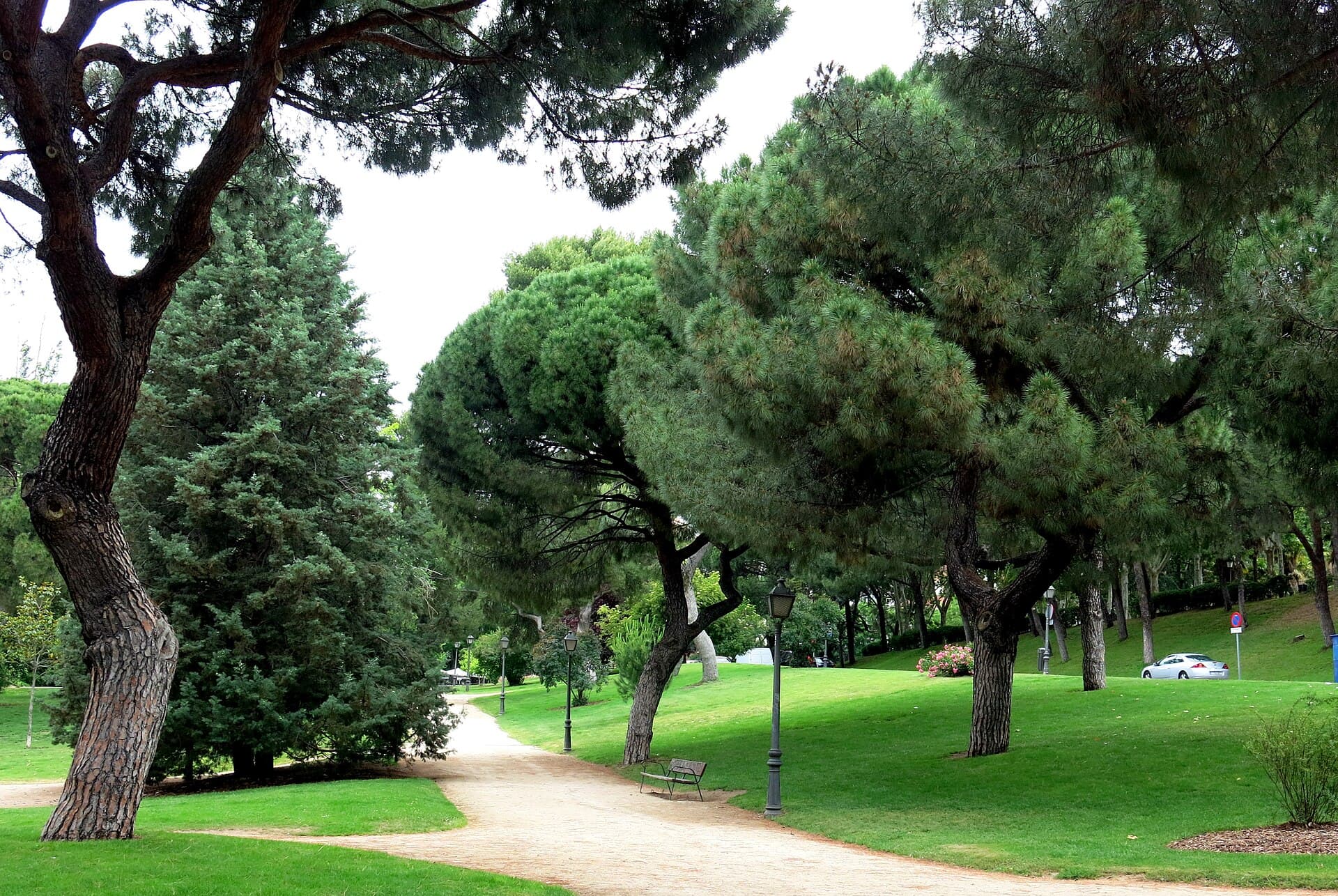 Rose Garden, Parque del OesteA walled rose garden inside Parque del Oeste, the large park running down the we16 minutes walk4.8
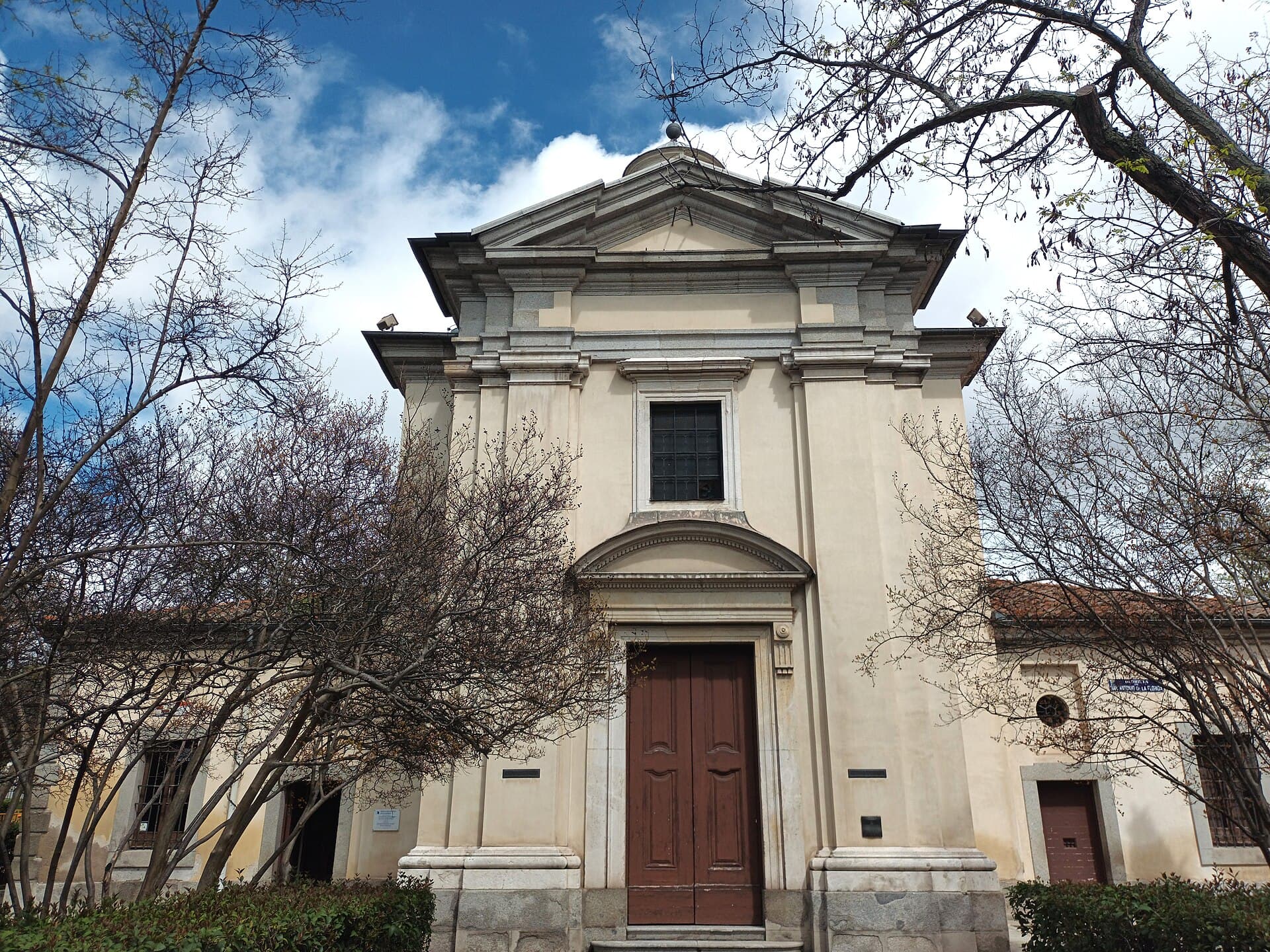 Ermita de San Antonio de la FloridaA single-room chapel on the Glorieta de San Antonio de la Florida, near the Manz18 minutes walk4.8
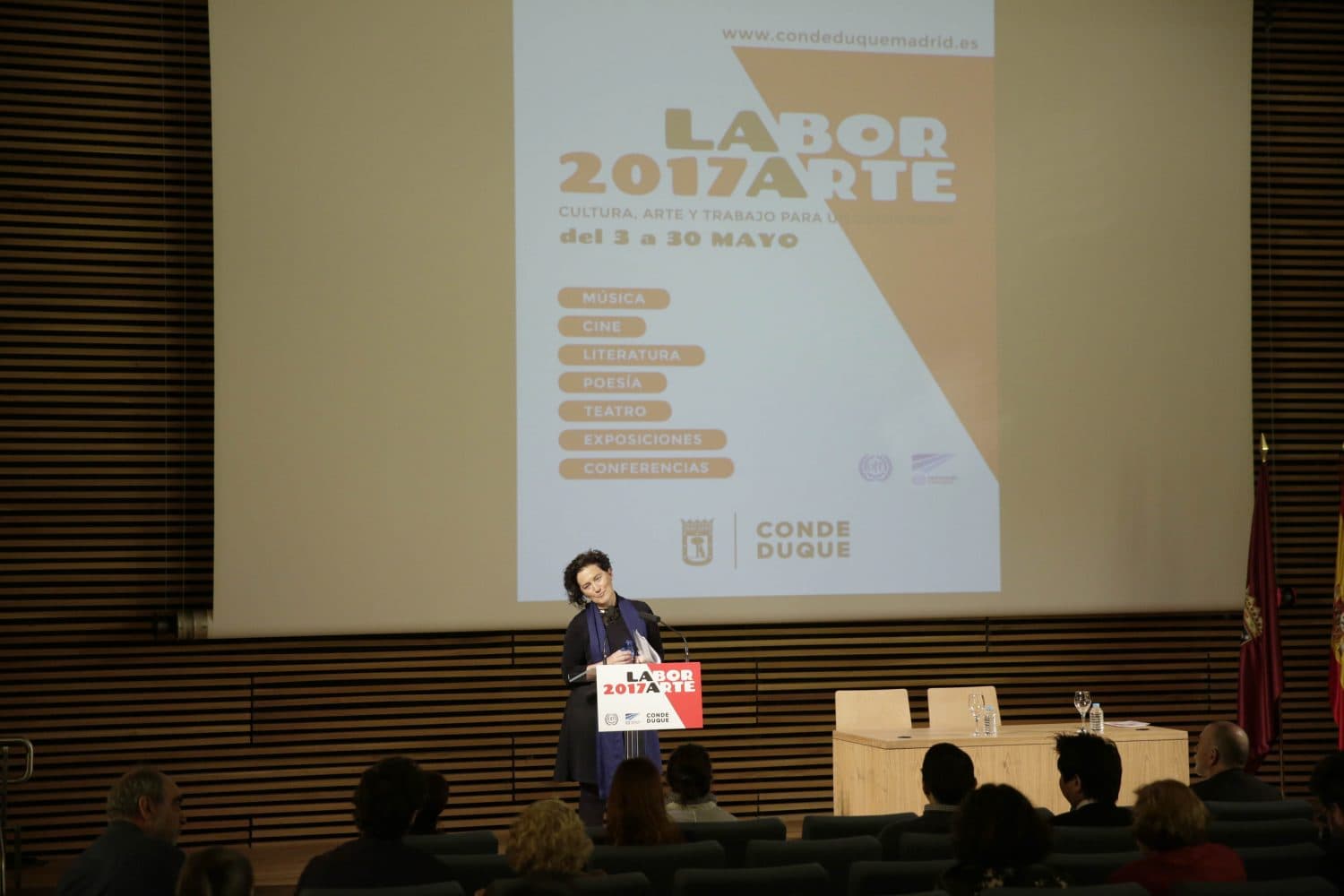 Centro Cultural Conde DuqueConde Duque was built in the 18th century as a royal guard barracks, behind a ba19 minutes walk4.4
The nearest Metro is Moncloa on lines 3 and 6, about a five-minute walk passing the Arco de la Victoria. Moncloa is also a major bus interchange, so it is easy to reach from most parts of Madrid.
Usually not. On three days or fewer, the Prado, the Royal Palace and the Reina Sofía come first. Go if you have four days or more, or if the history of Latin America is a specific interest of yours.
One to two hours suits most visitors. Panels are largely in Spanish, but the museum offers an English audioguide — pick it up on arrival — with a camera-translation app as a backup.