
Extinct-animal halls
Giant skeletons.
Aibdescalzo — CC BY-SA 4.0 · Friduxa — CC BY-SA 4.0 · Graybarra — CC BY-SA 4.0 · Graybarra — CC BY-SA 4.0
The La Plata Museum is one of the largest natural history museums in South America, part of the Natural Sciences faculty of the National University of La Plata. Its classical building runs 135 metres through the city's park and holds about three million fossils and specimens, a large library and hundreds of researchers, welcoming some 400,000 visitors a year. It grew from a collection of bones, fossils and artefacts gathered by the explorer Francisco Moreno from boyhood in 1866 and enlarged on his expeditions to Patagonia. Its best-known halls show extinct animals, with huge skeletons of ancient South American creatures such as giant armadillos and giant ground sloths, alongside halls of minerals, living animals and archaeology. It opens Wednesday to Sunday 10:00-18:00, last entry 17:30, and closes on Mondays and Tuesdays. Tickets are cheaper online, and under-13s enter free. From Buenos Aires it is about an hour by train or bus.
Giant skeletons.
135 metres long.
The museum's seed.
Paseo del Bosque, La Plata, about 60 km southeast of Buenos Aires
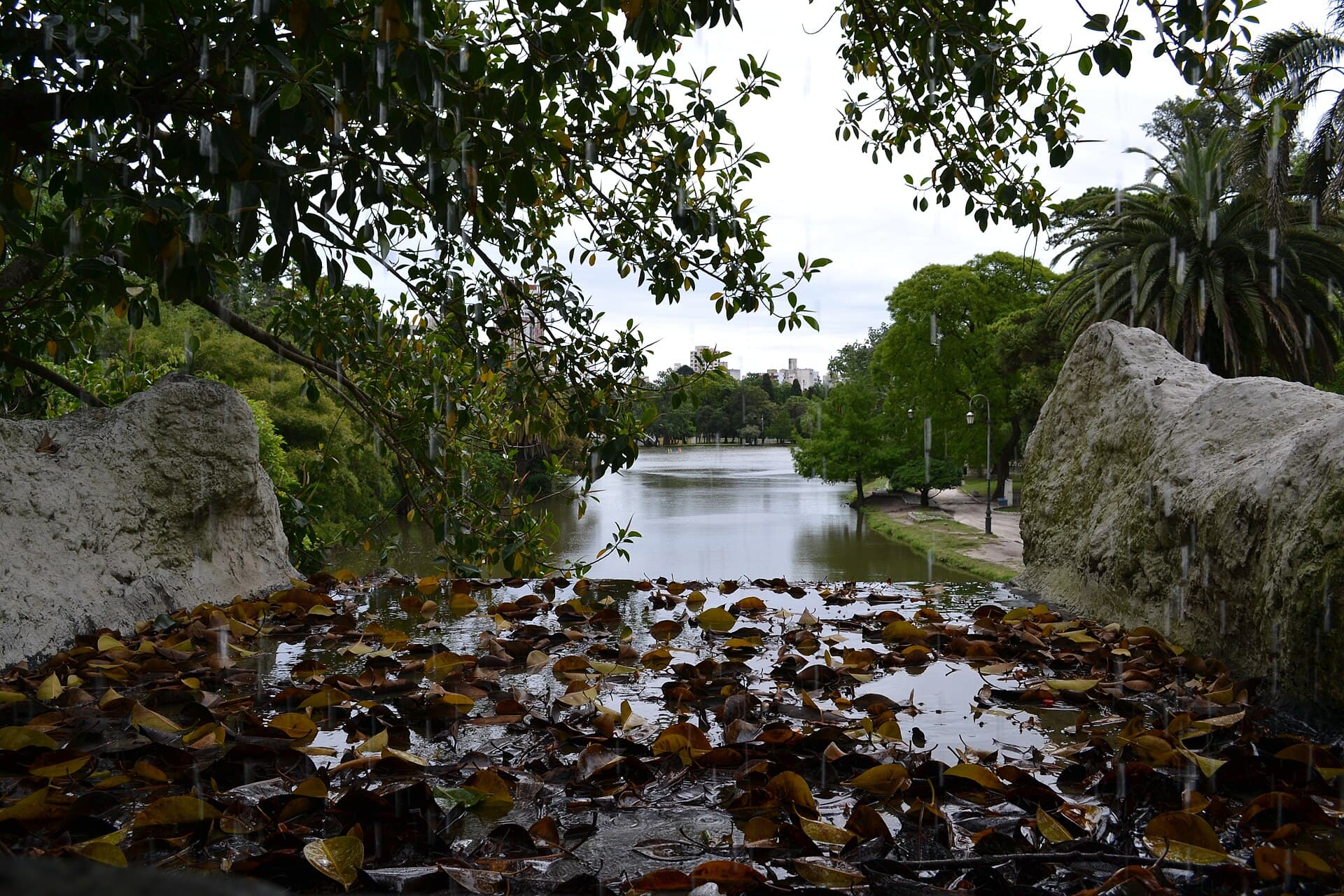 Paseo del Bosque (La Plata)The Paseo del Bosque is the largest green space in La Plata, capital of Buenos A1 minute walk
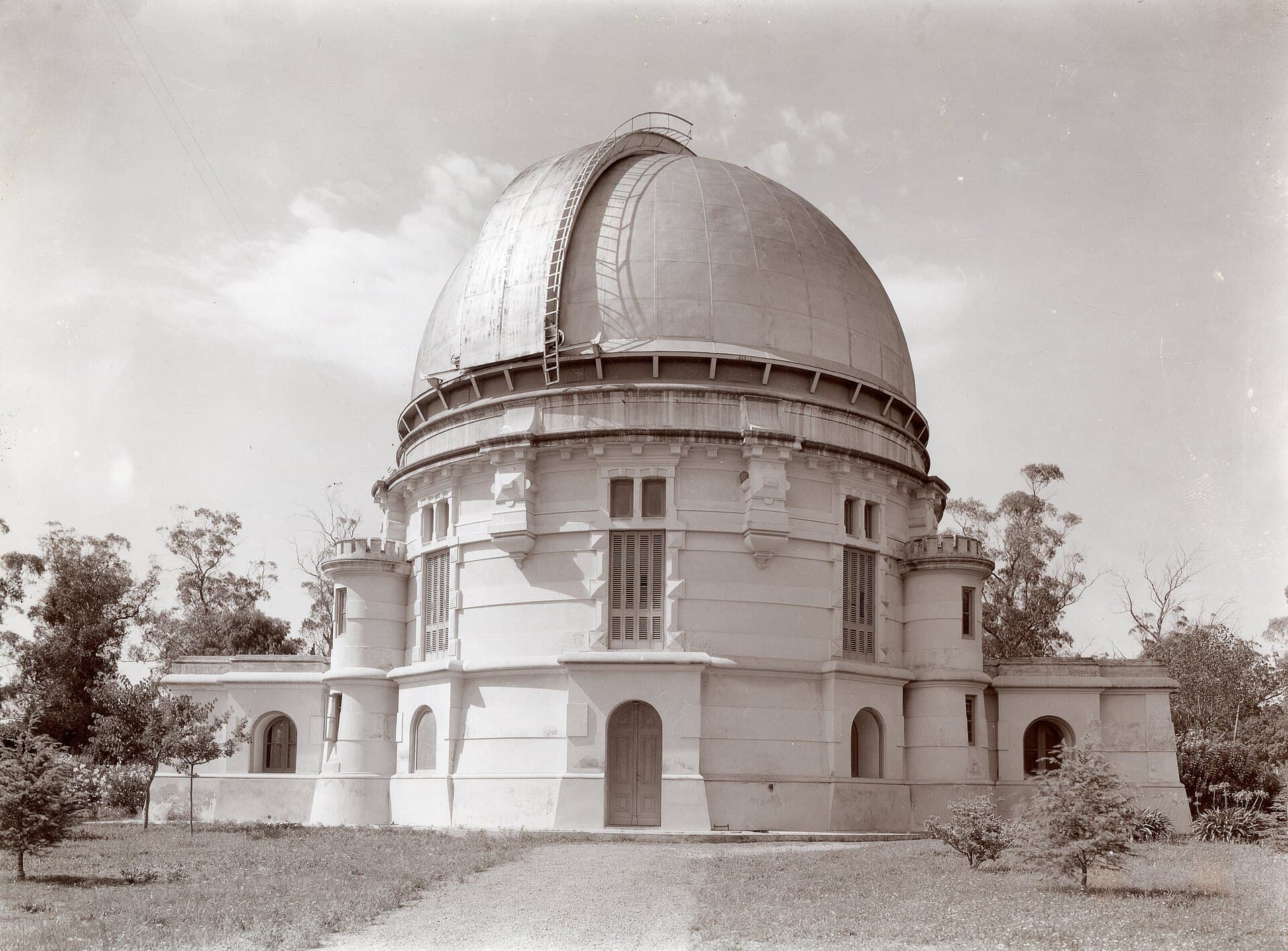 La Plata Astronomical ObservatoryThe La Plata Astronomical Observatory is a historic observatory ordered in 1881 3 minutes walk
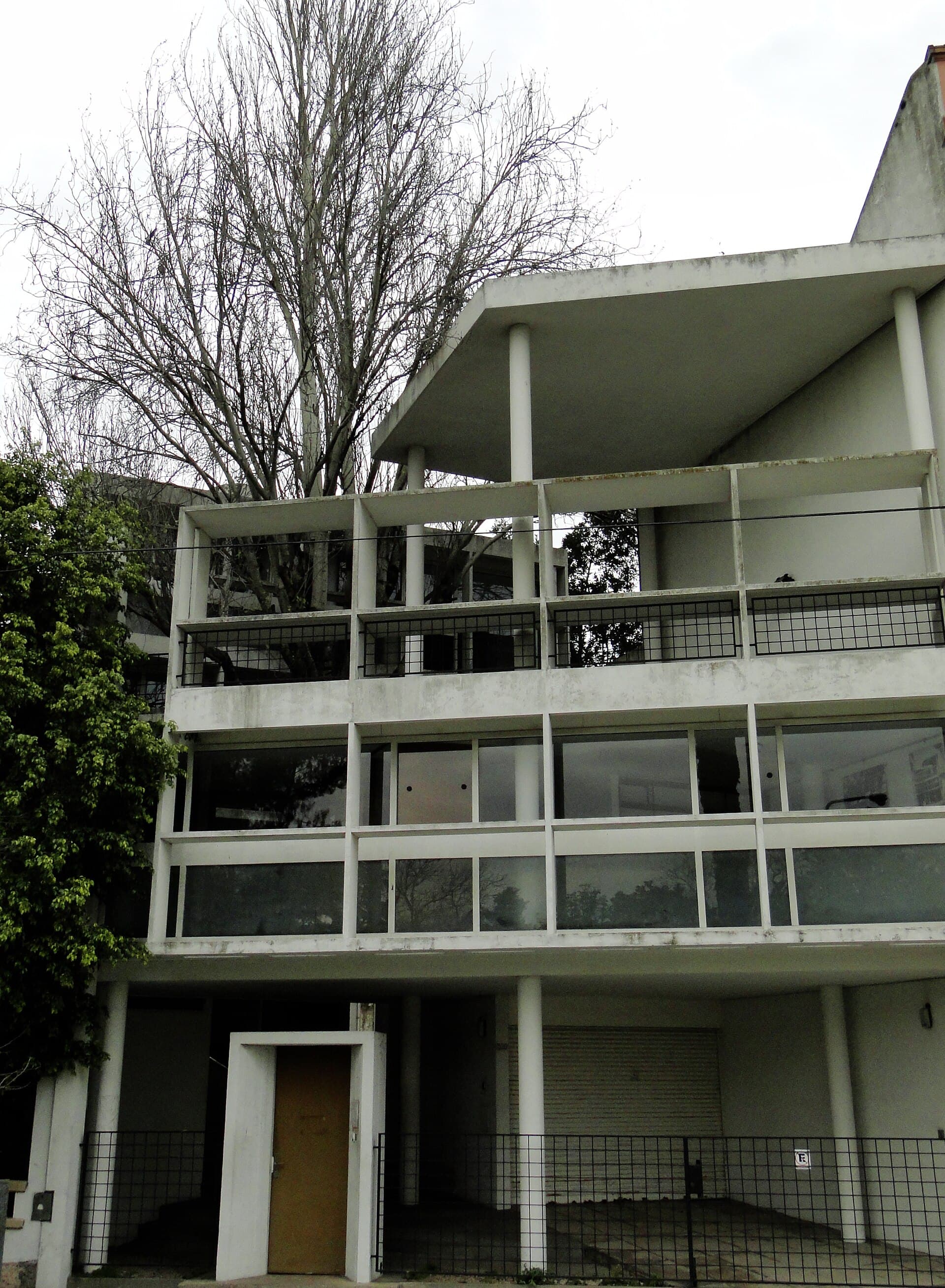 Casa Curutchet (Le Corbusier)Casa Curutchet is the only house the Swiss-French architect Le Corbusier designe8 minutes walk
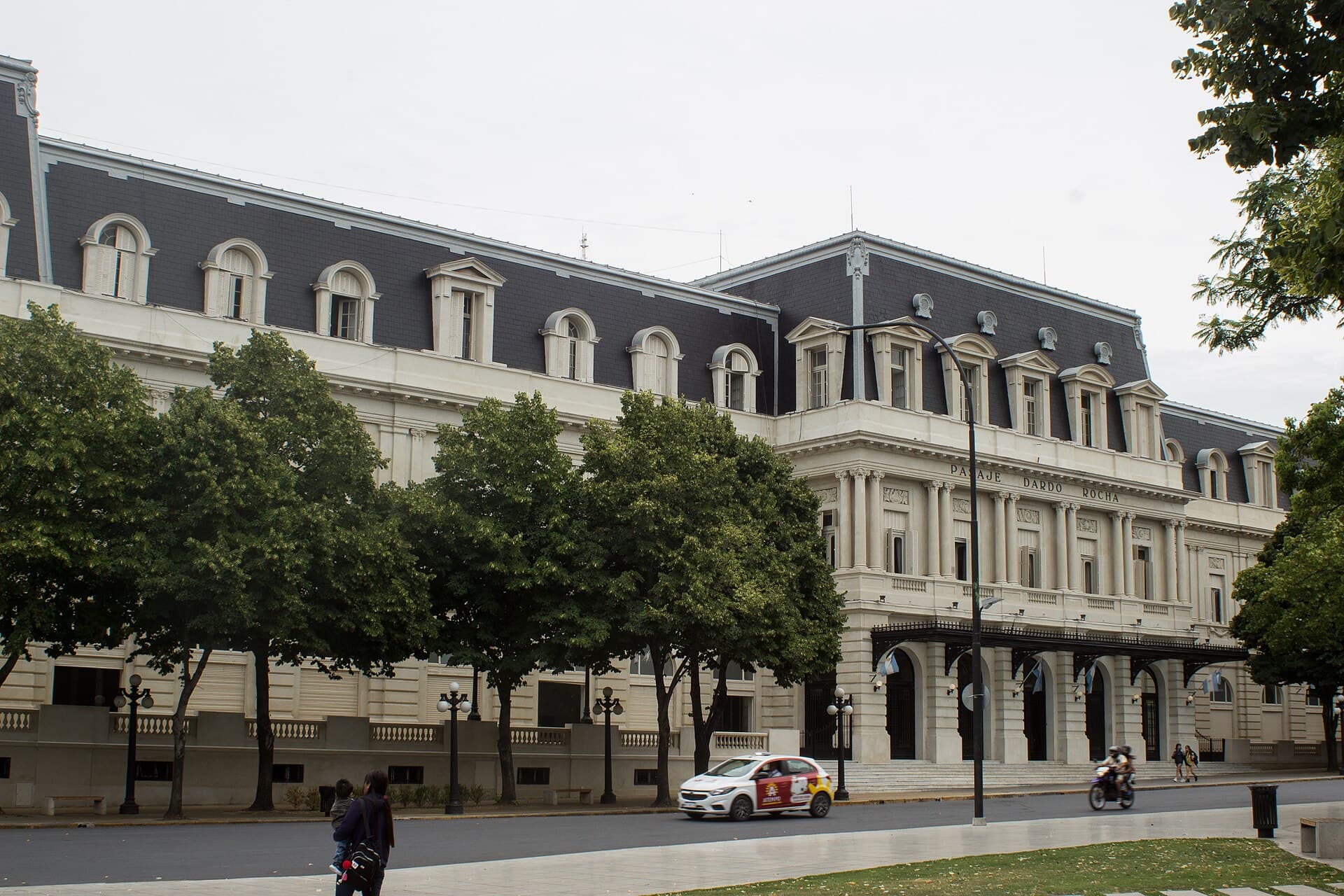 Pasaje Dardo Rocha (La Plata)The Pasaje Dardo Rocha is one of the finest buildings in La Plata, capital of Bu18 minutes walk
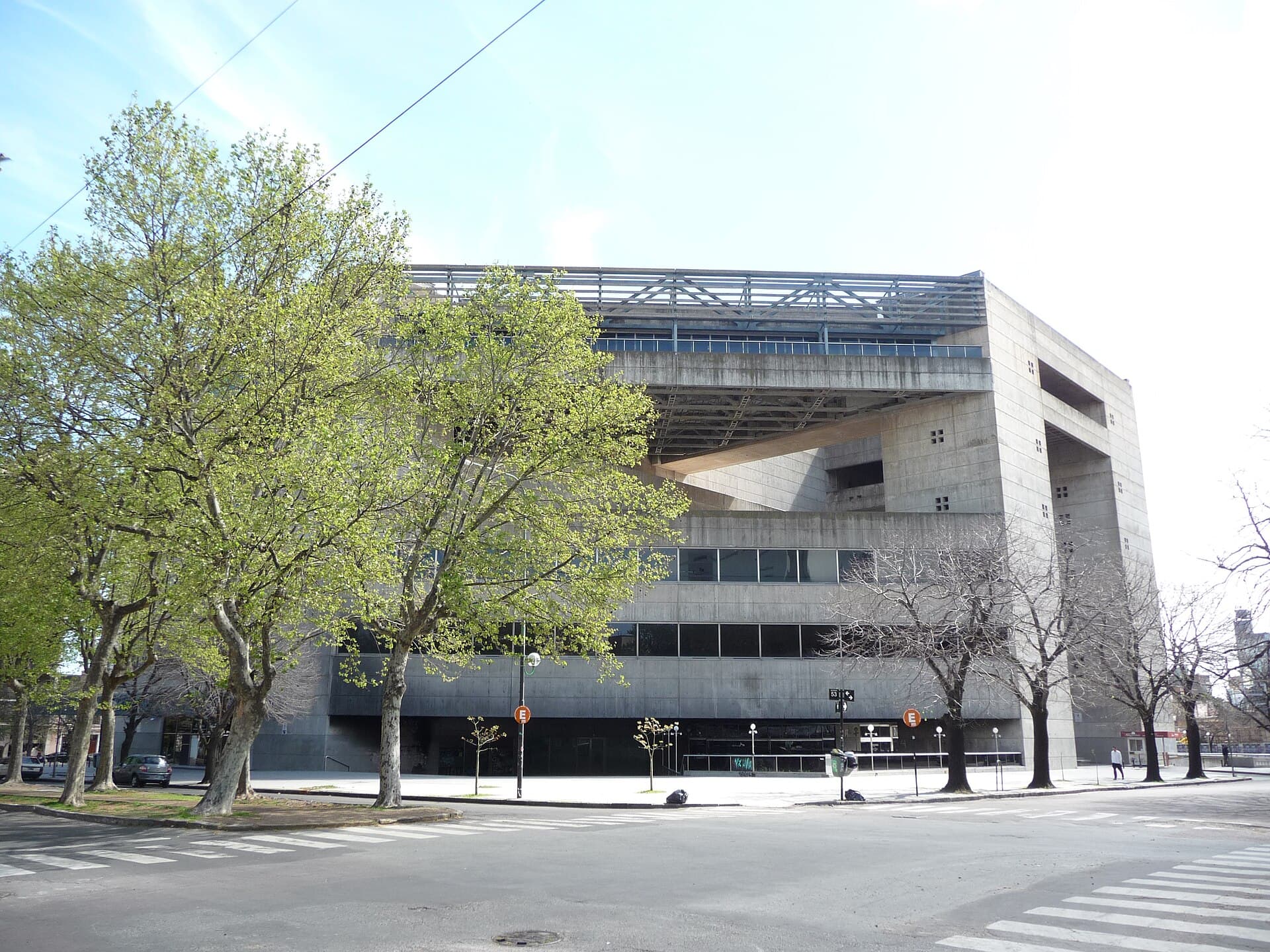 Teatro Argentino de La PlataThe Teatro Argentino in La Plata is one of the country's leading opera and balle22 minutes walk
By train from Constitución station or by bus to La Plata in about an hour; the museum is in the city park.