
Vanished Rome
120 watercolours of quarters the wrecking crews erased after 1870 — a changing selection on the walls, the whole series on a touchscreen.
user:Lalupa — Public domain · Roundtheworld — CC0 · Lalupa — CC BY-SA 4.0 · trolvag — CC BY-SA 3.0
In the years after 1870 Rome was being torn apart to be reborn as the capital of a unified Italy, and a painter named Ettore Roesler Franz walked its alleys and riverbanks with a watercolour box, knowing perfectly well he was racing the wrecking crews. He produced 120 large watercolours of quarters that no longer have a single stone standing, bought by the city between 1883 and 1908, and they live here now, in a former Carmelite convent on Piazza Sant'Egidio in the middle of Trastevere. Only a changing selection hangs in the first-floor gallery that carries his name; the full series is there to scroll through on a touchscreen — so what you see on the wall is not necessarily what the person before you saw. The rest of the museum is stranger and quieter than the name suggests: six life-size reconstructions of a Roman life that no longer exists — a pharmacy with its jars, an inn courtyard where the saltarello is danced, a public scribe waiting in a small square for a customer who cannot read — built between the 1930s and the 1950s after the prints of Bartolomeo Pinelli. Then there is the Stanza di Trilussa, which is not, as often repeated, the dialect poet's study carried here intact, but a video installation that plays his photographs, letters and papers across the walls, with a shelf of objects from the real study running around them; the museum also holds manuscripts by the great Romanesco poet Belli. The temporary rooms are given over for most of the year to serious photography, usually documentary or ethnographic and often more than one show at a time, and those exhibitions are the real reason Romans themselves buy a ticket. Let us be honest about who this is for. It is not for a visitor with three days in Rome who has not yet seen the Colosseum or the Vatican. It is a museum for a second or third trip to the city, or for a rainy hour that interrupts your wandering through Trastevere. For years it was among the cheapest museums in Rome, but the new tariff system for the city's civic museums, in force since 2 February 2026, has pushed the ticket to €9.50 for the permanent collection alone and €13 when a temporary exhibition is running — which it is most of the year. Entry is free for residents of Rome and its metropolitan city on production of ID, and for MIC card holders — the MIC costs €5 but is issued only to people who live, study or work in Rome, so a visitor cannot plan around it — while the Roma Pass does genuinely cover this museum. The address is part of the value. You are two minutes on foot from Piazza Santa Maria in Trastevere and its gold mosaics, in a quarter that is walkable end to end and full of restaurants and cafes that stay open late. The building is small, air-conditioned and rarely crowded; an hour is plenty. It also suits children better than you would expect, because the dioramas land in a single glance before anyone reads a label. Open Tuesday to Sunday 10:00-20:00, closed Mondays, 1 May and 25 December, last admission 19:00, and booking is unnecessary except during a major exhibition run.
120 watercolours of quarters the wrecking crews erased after 1870 — a changing selection on the walls, the whole series on a touchscreen.
Six full-scale scenes built between the 1930s and 1950s after Pinelli's prints, plus a video room made from Trilussa's photographs, letters and belongings.
The temporary rooms run serious documentary photography for most of the year, often more than one show at once — frequently the strongest reason to pay for a ticket at all.
Piazza di Sant'Egidio 1/b, 00153 Rome
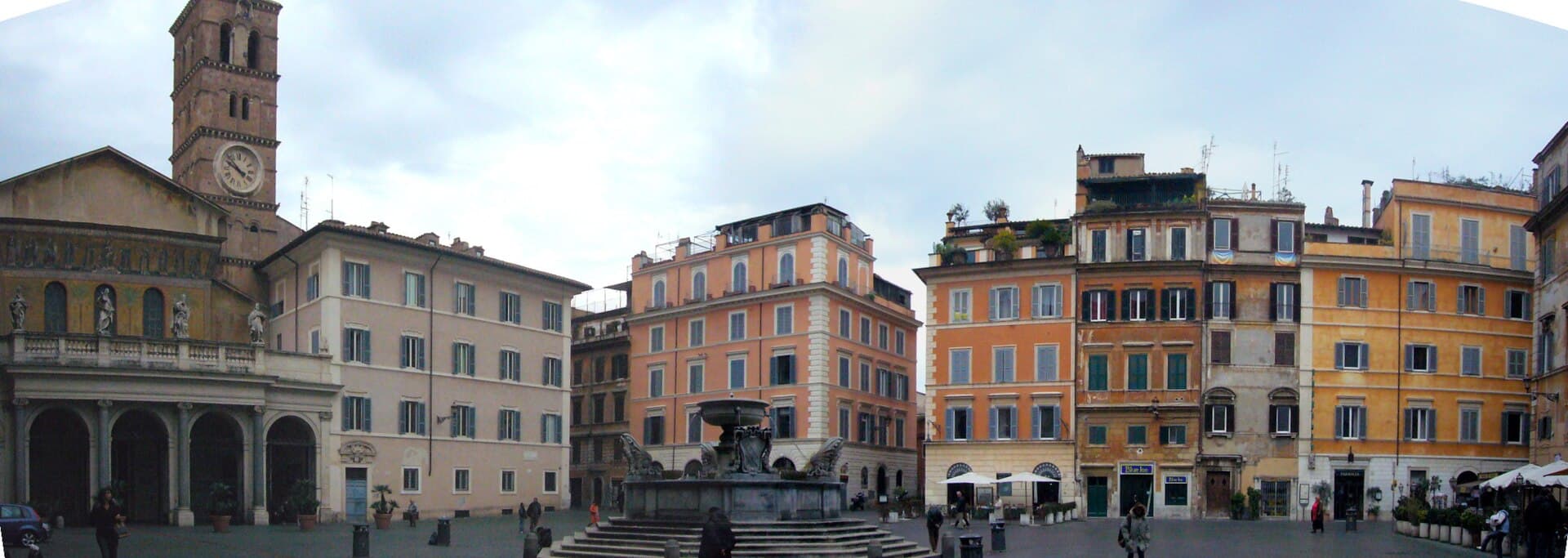 piazza di Santa Maria in TrastevereThe beating heart of Trastevere: a square with a fountain at its centre and step1 minute walk4.7
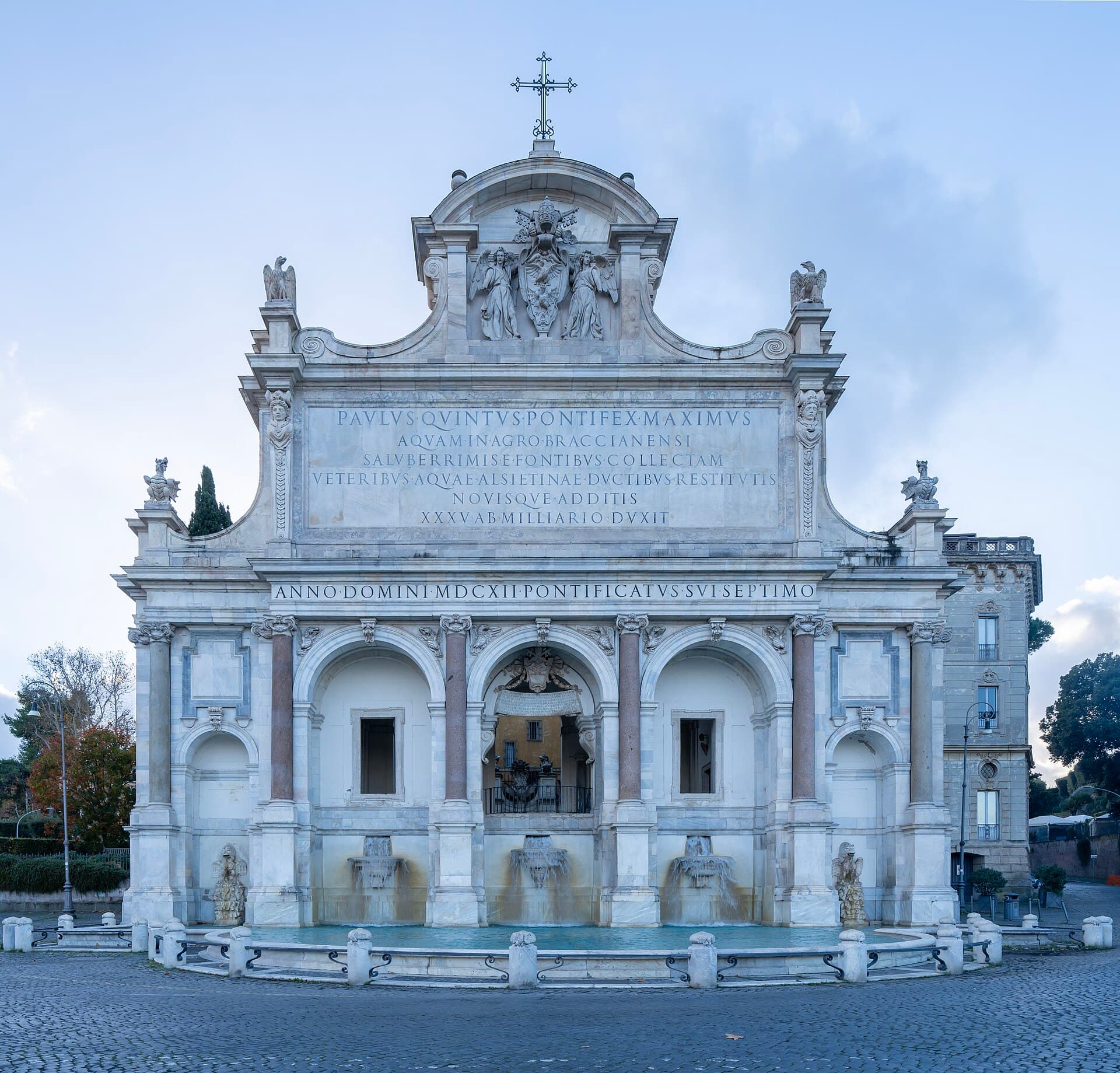 Fontana dell'Acqua PaolaA monumental fountain on the Janiculum slope above Trastevere, built by Pope Pau5 minutes walk4.8
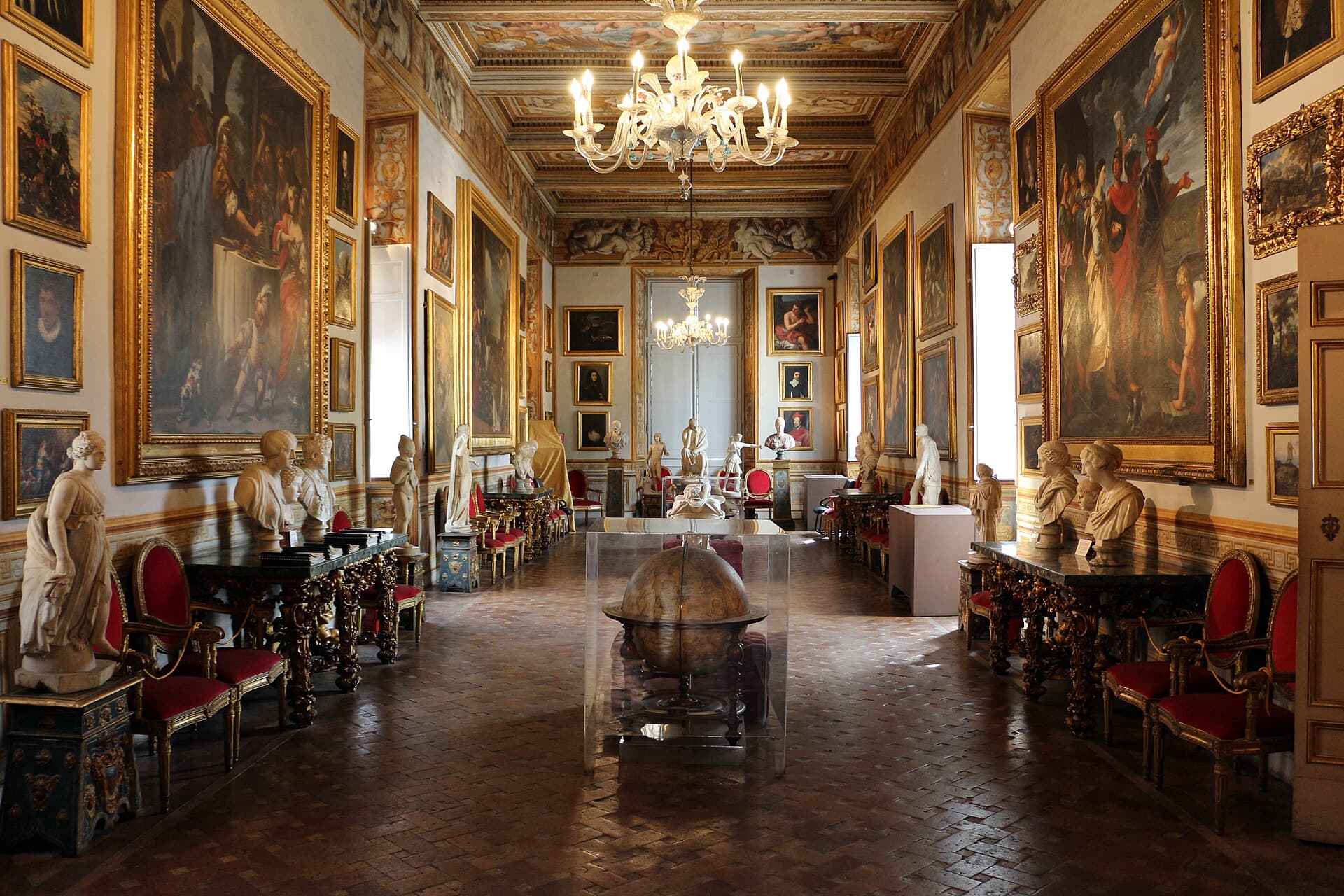 Galleria SpadaA corridor that looks thirty-seven metres long is in fact about eight. The statu7 minutes walk4.4
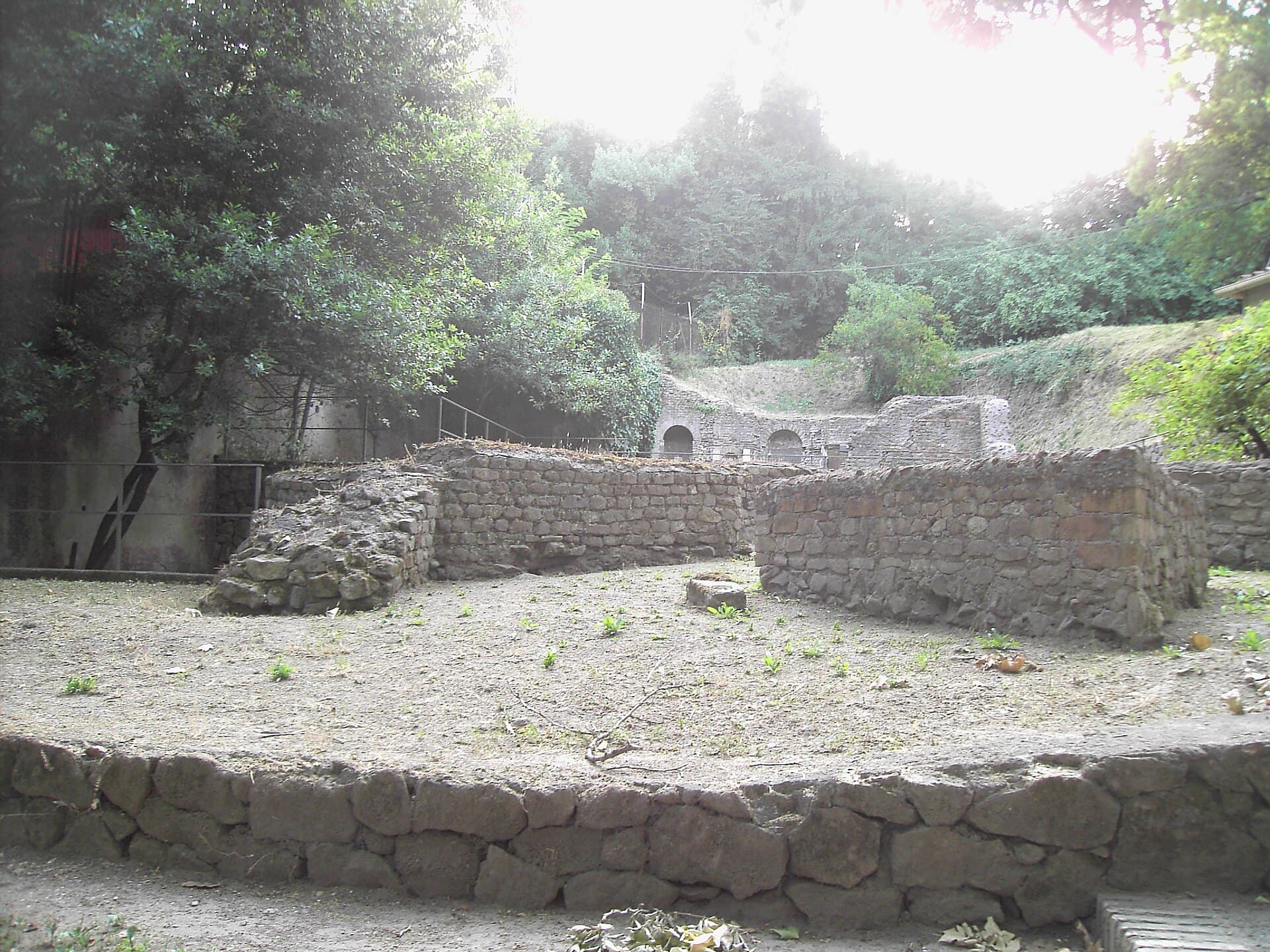 JaniculumThe highest hill in central Rome (and not one of the classic seven), with the ci9 minutes walk4.8
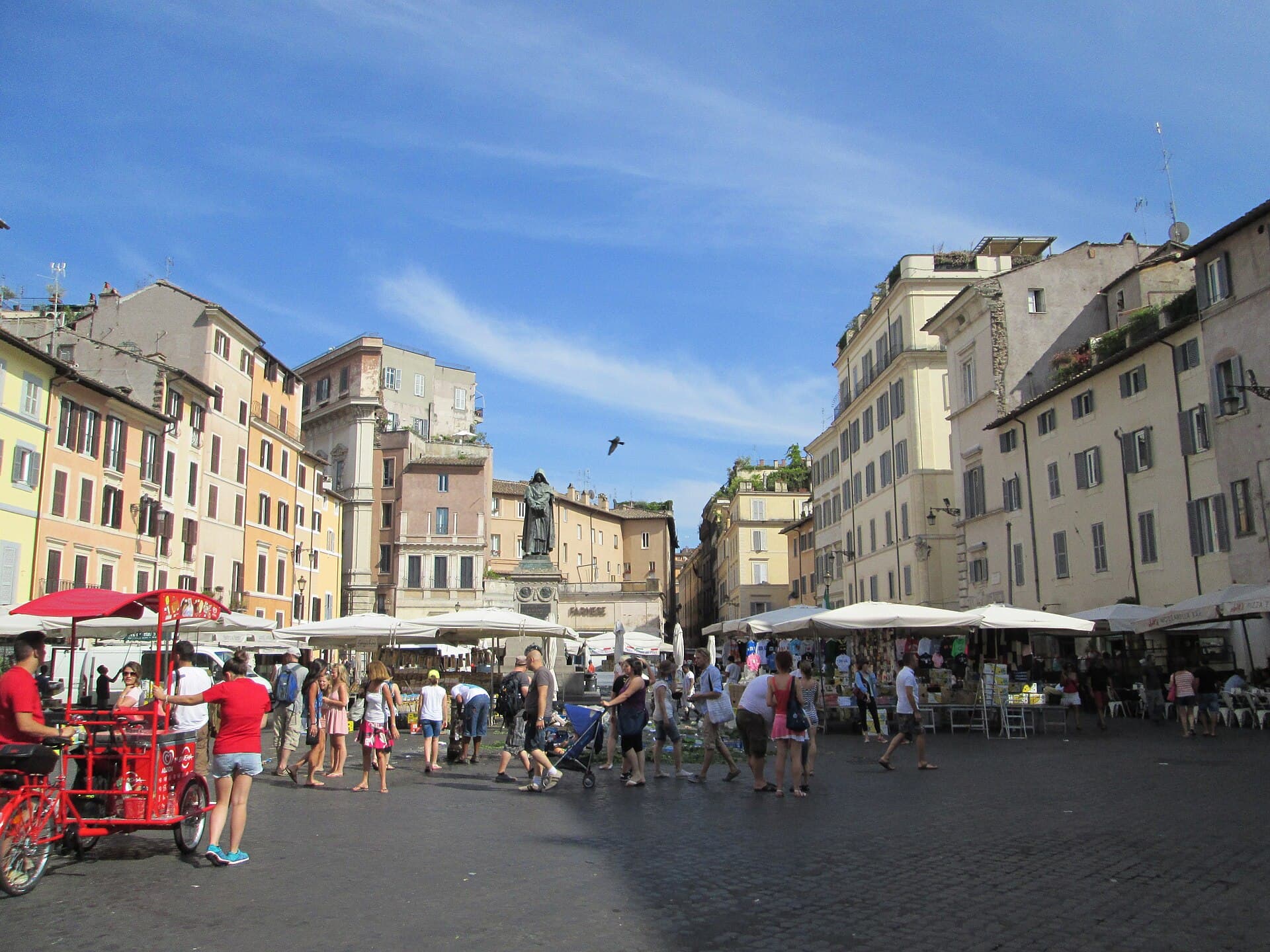 Campo de' FioriThe only square in historic central Rome without a church — and that is no accid9 minutes walk4.5
Looking for halal food near Museo di Roma in Trastevere? There are several options nearby, from Moroccan and Indian kitchens to quick casual spots and places with a view. Confirm the halal status and opening hours before you go — these can change.
Honestly, no. With three or four days you will rightly be busy with the Colosseum, the Vatican and the Pantheon, and this museum does not compete with them and does not try to. It earns its place in two situations: you are on a second or third visit and want the Rome that disappeared rather than the Rome in the guidebooks, or rain catches you mid-wander in Trastevere and there is a small, quiet, air-conditioned building two minutes away.
The price depends on whether a temporary show is running: €9.50 for the permanent collection alone, €13 when an exhibition is on — and the museum shows photography for most of the year, so €13 is the likelier figure. Check the official site before you walk over. Free entry applies only to residents of Rome and its metropolitan city, on production of ID, and to MIC card holders; the MIC costs €5 but is issued only to people who live, study or work in Rome. The one realistic saving is the Roma Pass, and only if you were going to use it at other sites anyway.