
Borromini's forced perspective
Eight metres engineered to read as thirty-seven, ending in a sixty-centimetre statue that looks life-sized.
Francesco Bini — CC BY-SA 4.0 · Livioandronico2013 — CC BY-SA 4.0 · Livioandronico2013 — CC BY-SA 4.0 · Sonse — CC BY 2.0
A corridor that looks thirty-seven metres long is in fact about eight. The statue at the far end looks like a standing man; it is roughly sixty centimetres tall. Francesco Borromini built the trick in 1653 for Cardinal Bernardino Spada, using columns that shrink as they recede, a floor that rises and a ceiling that drops to meet it, worked out mathematically by his collaborator, the Augustinian friar Giovanni Maria da Bitonto. It is the most famous optical joke in Baroque Rome, and it still fools everyone who sees it for the first time. The gallery itself is four rooms on the first floor, holding the collection assembled by the cardinal, his brother and his nephew, hung exactly as pictures were hung in the seventeenth century: frame against frame from floor to ceiling, the small canvases skied above the large ones, no wall labels and no polite empty space. Titian, Guido Reni, Guercino, Orazio and Artemisia Gentileschi and a good run of Caravaggio's followers are all here. The point is not one masterpiece studied in silence; it is standing inside one man's taste, preserved as he left it. Be honest with yourself about whether this is your visit. If the Colosseum, the Vatican and the Trevi Fountain are still unticked, skip it without regret. It is a fine hour for a repeat visitor, for anyone who likes architecture or optical tricks, or for anyone who wants six euros of calm in a city where every famous sight costs half a day and a queue. Thirty minutes to an hour covers it, and the rooms are rarely crowded. Getting there is easy: a few minutes on foot from Campo de' Fiori and Piazza Farnese, about fifteen from the Pantheon and Piazza Navona, through a district that is all walking, cafes and restaurants. Note that the palace is the seat of Italy's Council of State, so you cannot wander it; the visit is confined to the gallery route and the courtyard the corridor opens off. One practical point: you cannot walk into the corridor, for its own preservation. You view it from the courtyard end, the one angle the illusion was built to work from, and an attendant will usually walk down it in front of you, growing until he towers over the columns and gives the real scale away. It comes with the gallery ticket. There is no view of it from the street and no way to see it on its own.
Eight metres engineered to read as thirty-seven, ending in a sixty-centimetre statue that looks life-sized.
Titian, Reni, Guercino and Gentileschi stacked floor to ceiling exactly as the cardinal wanted them.
Half an hour does it, in rooms that stay near-empty in a city where nothing else does.
Piazza Capo di Ferro 13, Regola, 00186 Rome
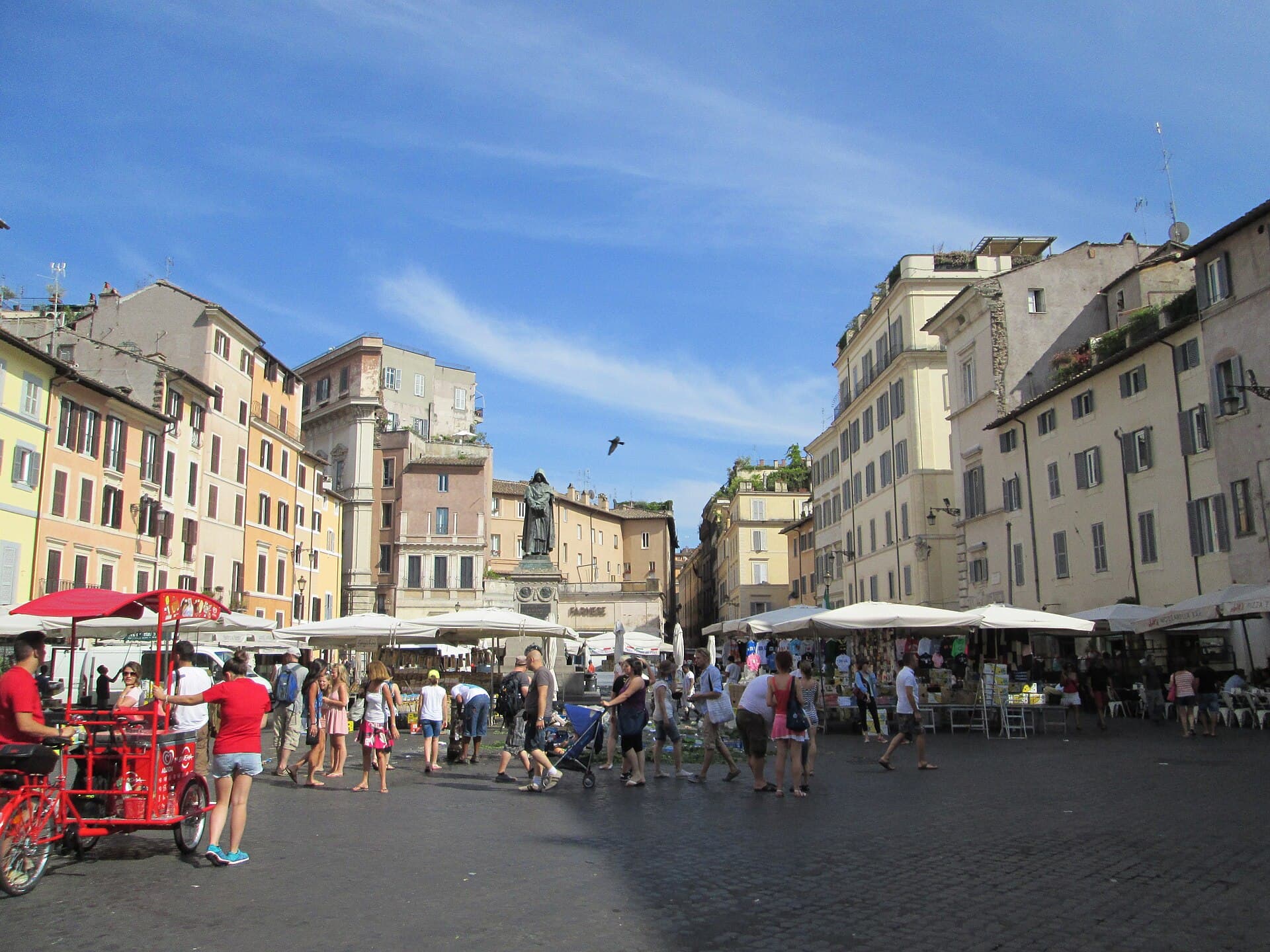 Campo de' FioriThe only square in historic central Rome without a church — and that is no accid2 minutes walk4.5
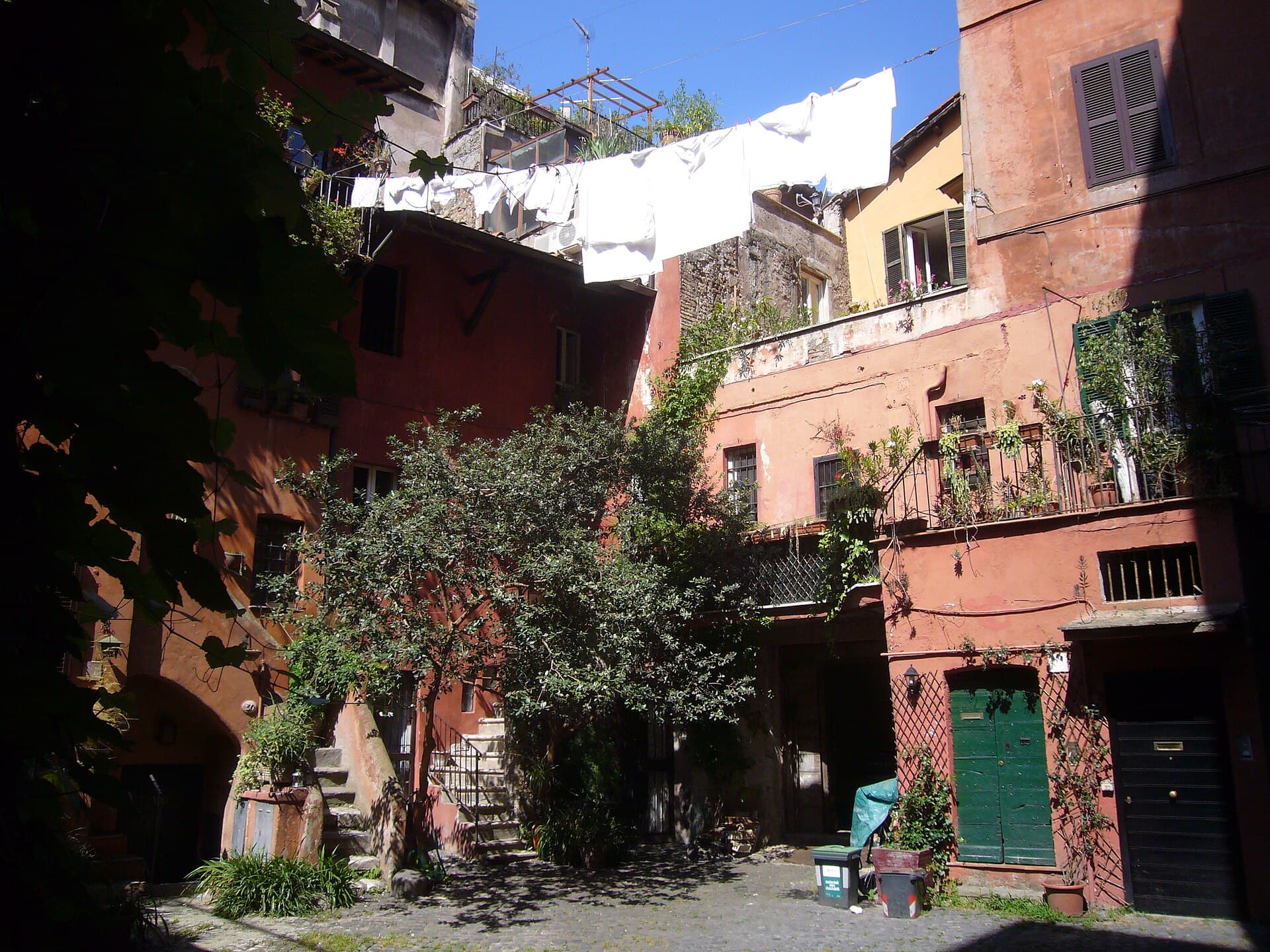 The Arch of the Vinegar MakersA small arch on a side street near Campo de' Fiori, leading to a medieval inner 3 minutes walk4.5
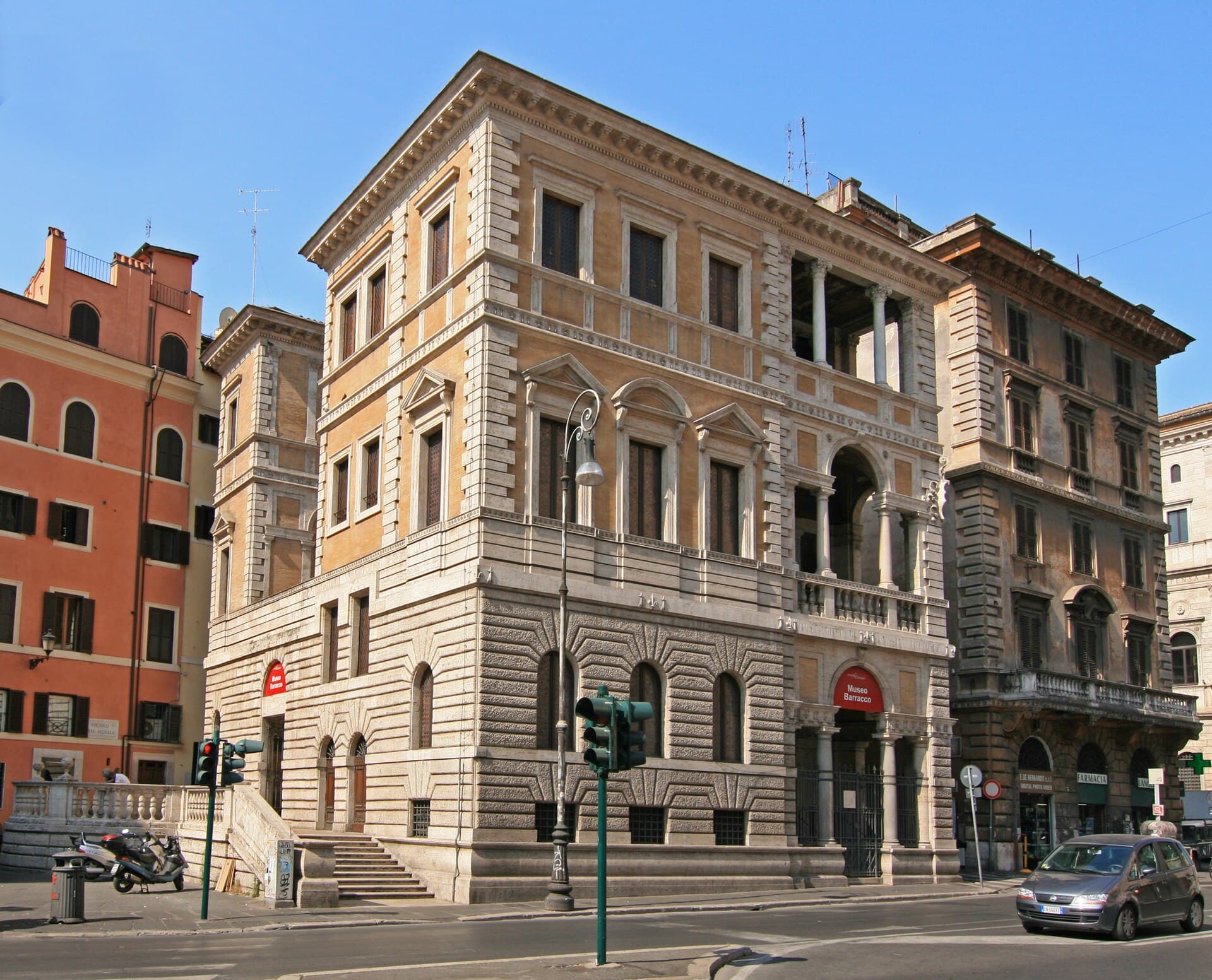 Barracco Museum of Ancient SculptureThe building has been carrying the wrong name for five centuries. Its cornices a4 minutes walk4.5
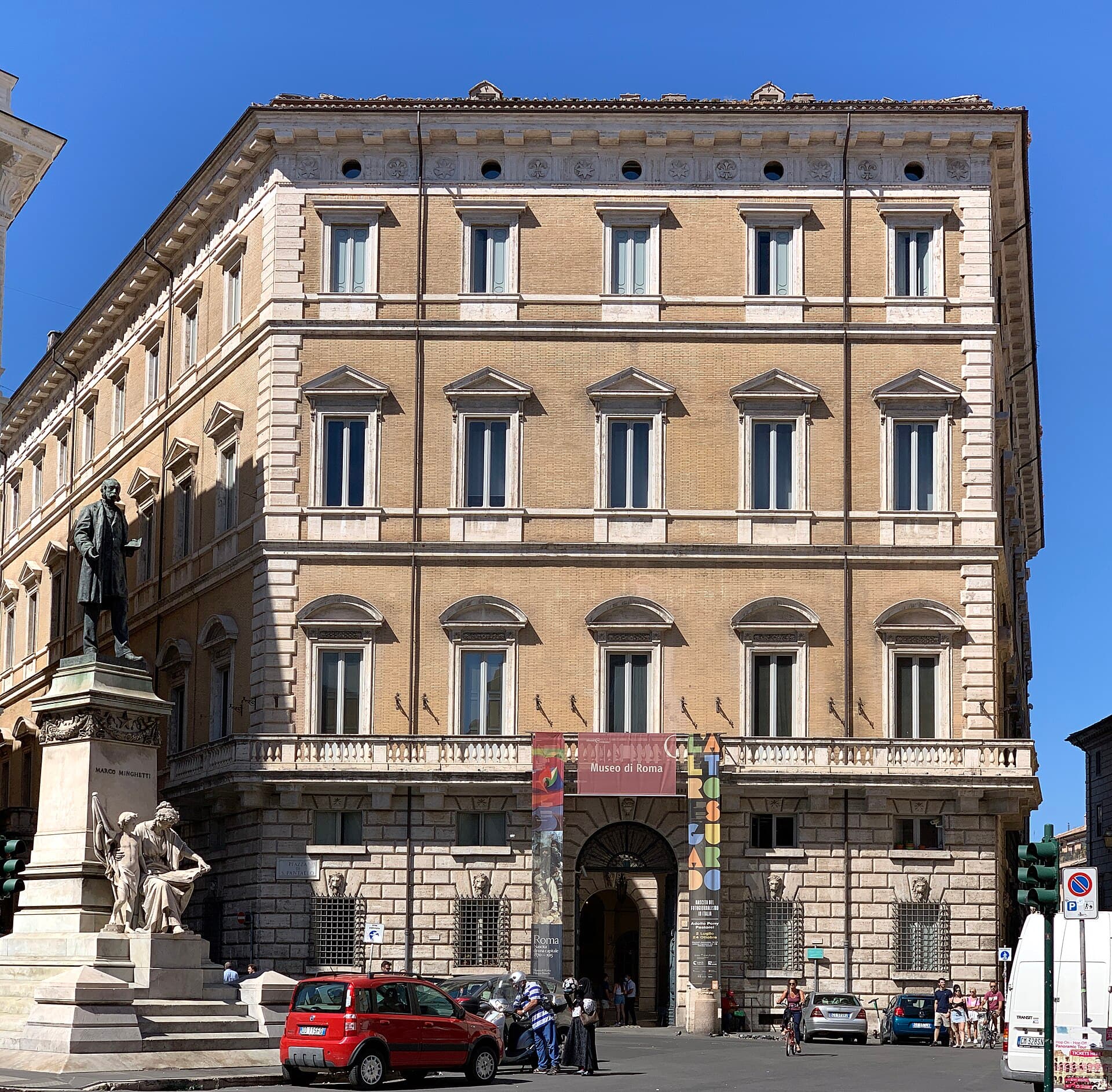 Palazzo BraschiA late eighteenth-century palace on the edge of Piazza Navona, built by Pope Piu5 minutes walk4.4
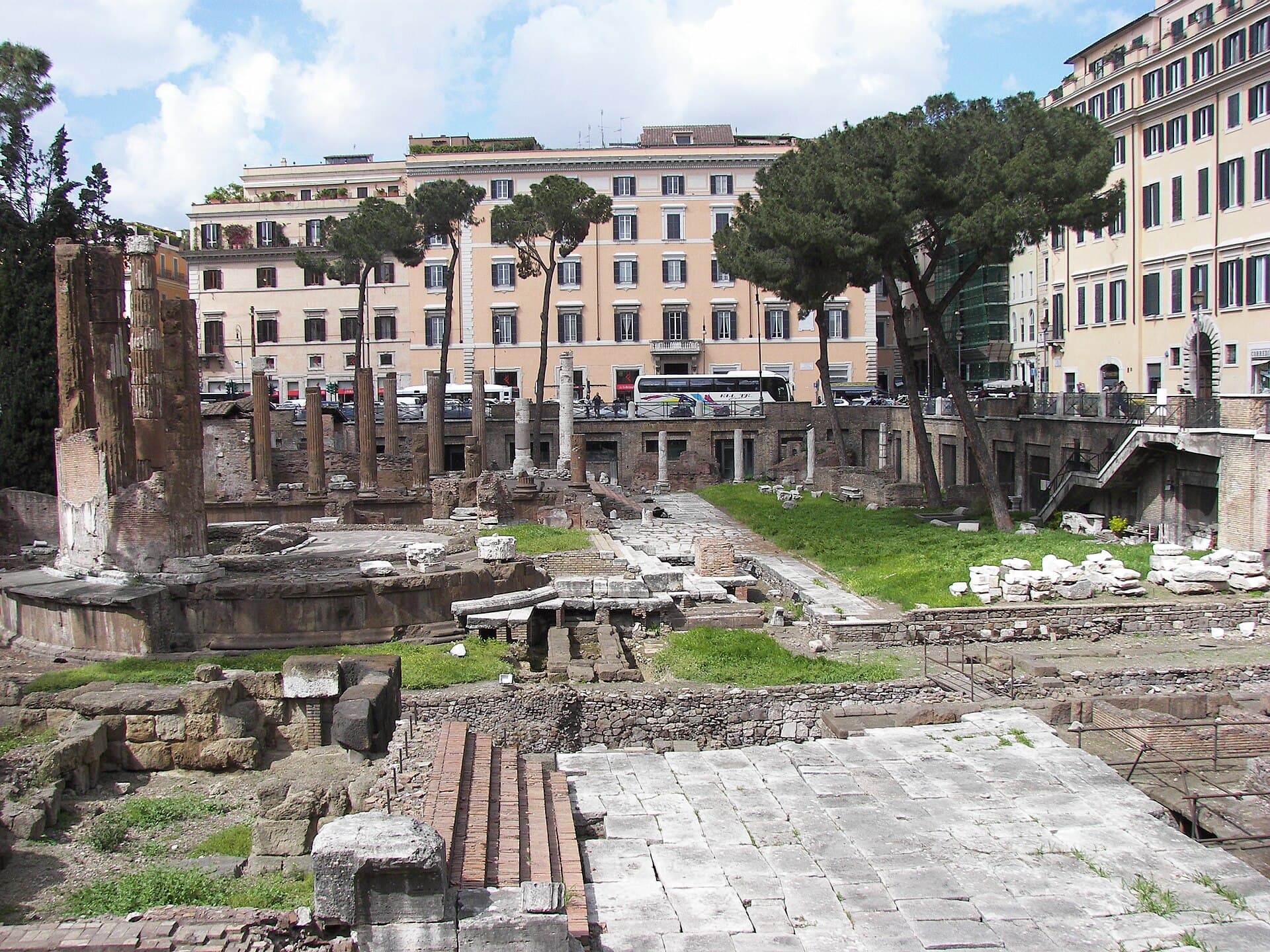 largo di Torre ArgentinaAn archaeological pit in the middle of a busy traffic circle — holding four Repu5 minutes walk4.4
Looking for halal food near Galleria Spada? There are several options nearby, from Moroccan and Indian kitchens to quick casual spots and places with a view. Confirm the halal status and opening hours before you go — these can change.
Honestly, yes, if you already like this sort of thing. The corridor comes with the gallery ticket, you cannot see it from the street or visit it on its own, and the illusion only works from the single spot in the courtyard it was designed for, which is exactly where they stand you. The moment people remember is an attendant walking down it and swelling until he is taller than the columns. Add the four rooms and the paintings and you have an hour of Rome for less than two coffees near the Pantheon. If the Colosseum and the Vatican are still on your list, though, save this one for a return trip.
Yes, more than you would expect. Children read the corridor trick faster than adults do and it makes them laugh on sight, and the attendant growing to giant size as he walks away is aimed squarely at them. The whole visit runs about half an hour, so boredom never sets in. The paintings will not hold them long, but the place is small and flat with little walking or stair-climbing, and food is a few minutes away at Campo de' Fiori.