
Galileo's telescopes
The two original tubes that reordered the sky.
Ebonaiuti — CC BY-SA 4.0 · Zde — CC BY-SA 4.0 · C messier — CC BY 4.0 · Zde — CC BY-SA 4.0
Directly behind the Uffizi on the riverbank stands the Museo Galileo — Florence's reminder that its Renaissance was not only art but science that moved the universe: here are Galileo's two original telescopes, the only ones surviving anywhere, and the cracked lens through which he saw Jupiter's moons one January night in 1610 and pushed Earth from the cosmos's centre. The collection runs wider than Galileo: the Medici's entire scientific cabinets — great celestial globes, engraved Islamic astrolabes attesting the Arabic roots of European astronomy, maps, compasses and measuring instruments crafted so finely that science itself becomes art. And in one case, Florence's strangest exhibit: Galileo's own fingers, taken as relics when his remains were moved in 1737. Modern in display, partly translated, and the best family refuge when art has saturated the young.
The two original tubes that reordered the sky.
The cracked glass that first saw the four moons.
Globes, astrolabes, instruments — science wrought like jewellery.
A strange secular relic — a finger pointing skyward forever.
Piazza dei Giudici 1, 50122 Florence
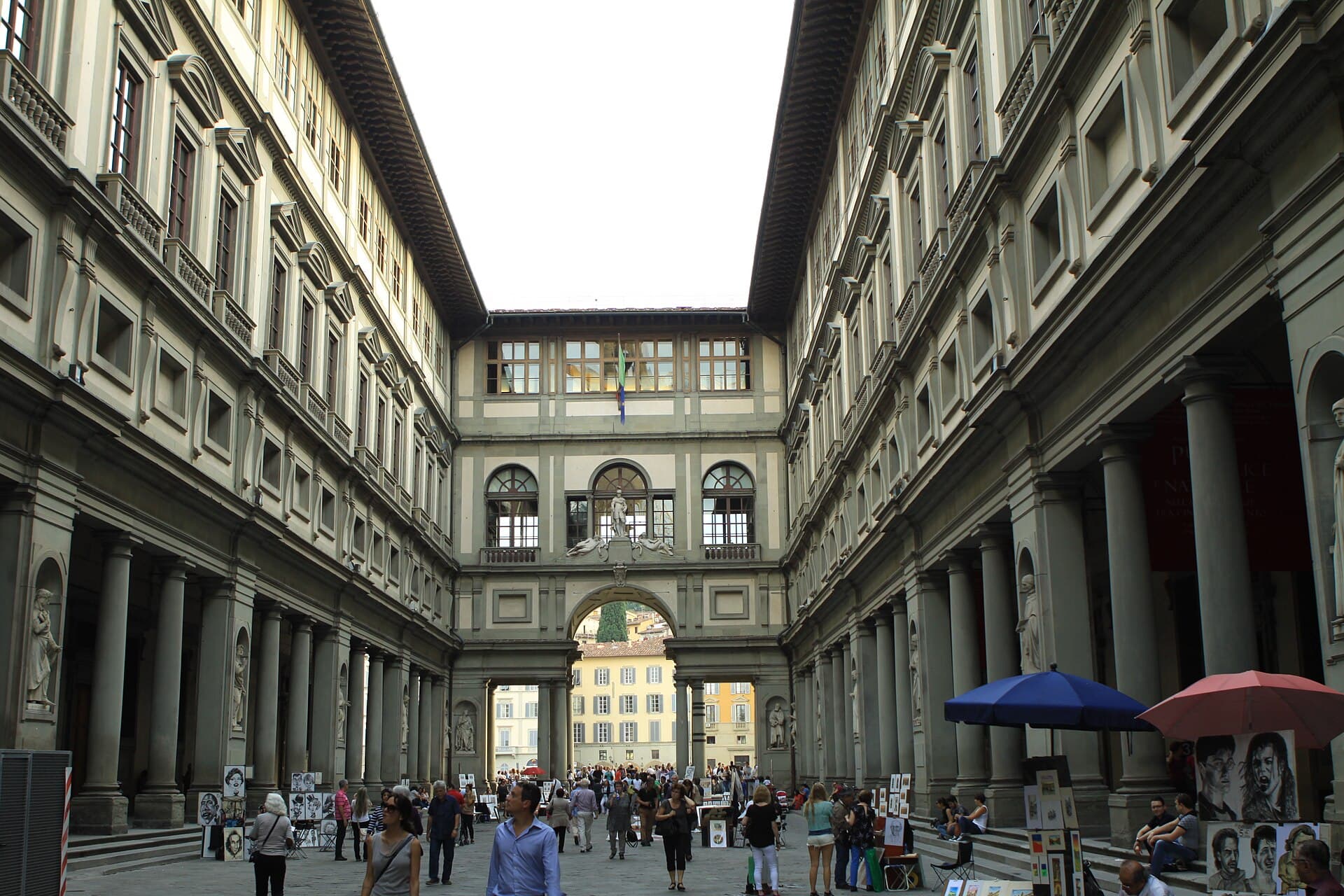 The Uffizi GalleryThe Uffizi is the first museum of Italian painting, absolutely: in the Offices V1 minute walk4.6
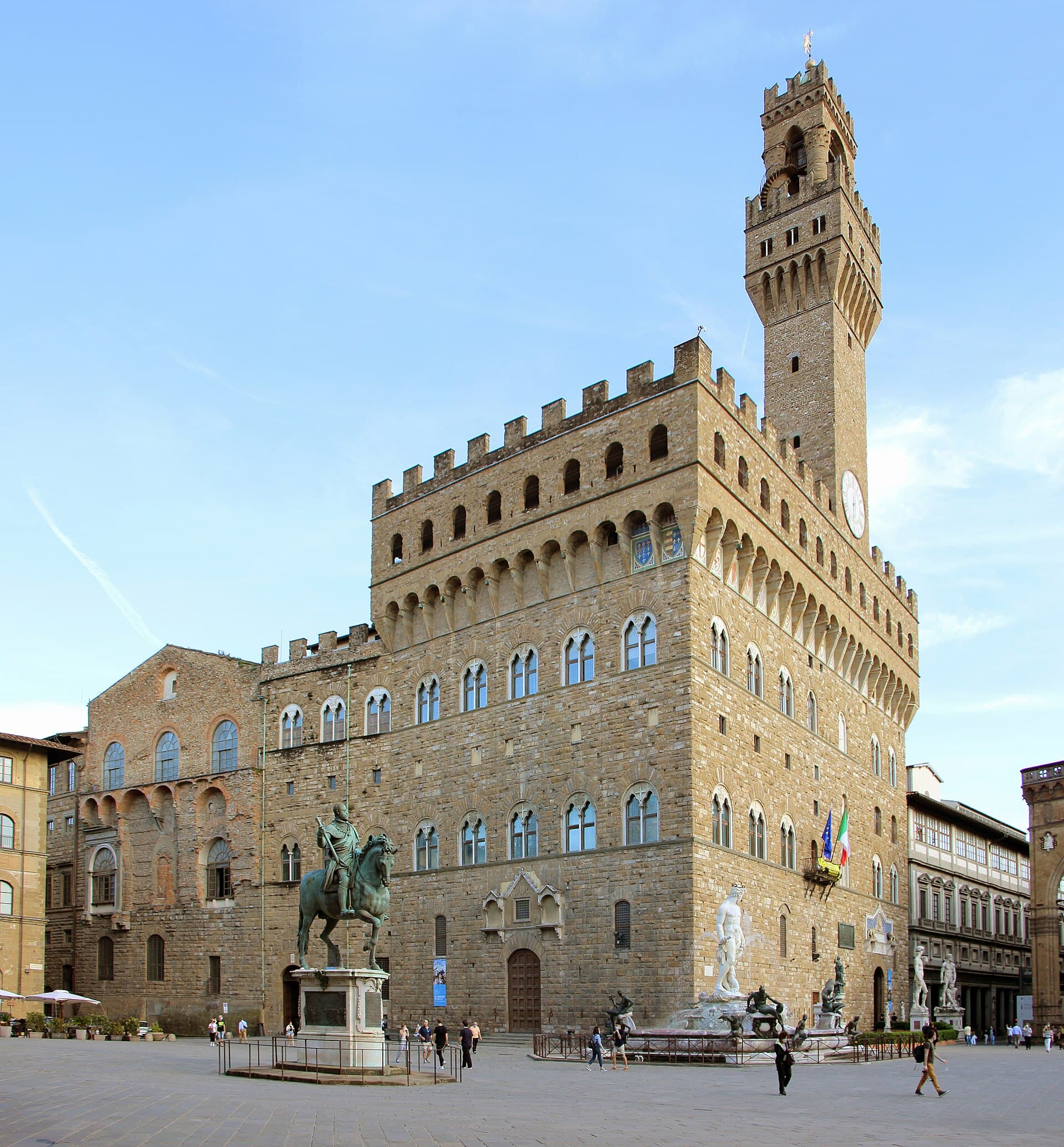 Palazzo VecchioThe Palazzo Vecchio is Florentine power in stone: a crenellated square fortress 2 minutes walk4.8
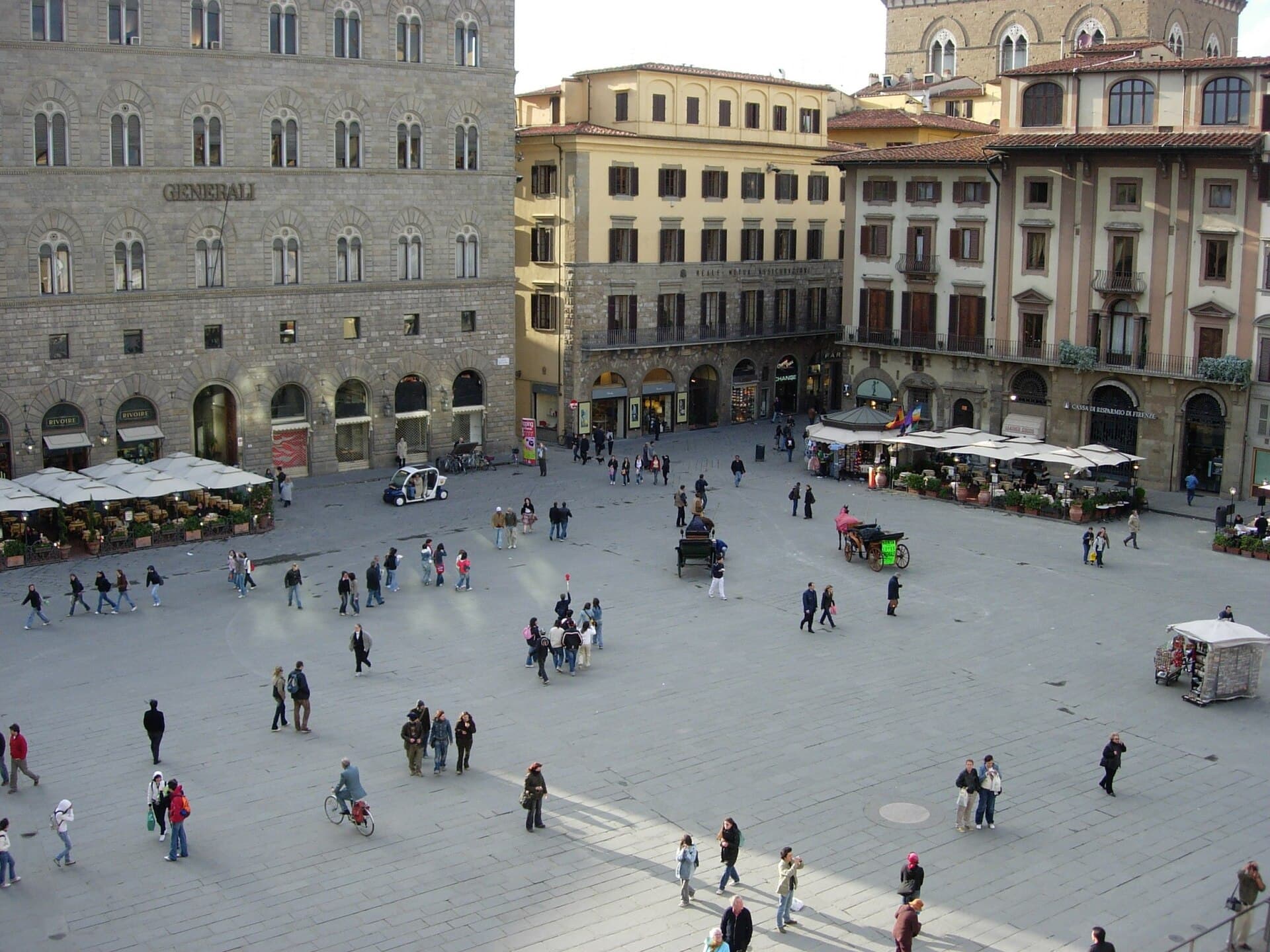 Piazza della SignoriaThe Signoria has been Florence's square of power for seven centuries — decrees p3 minutes walk4.9
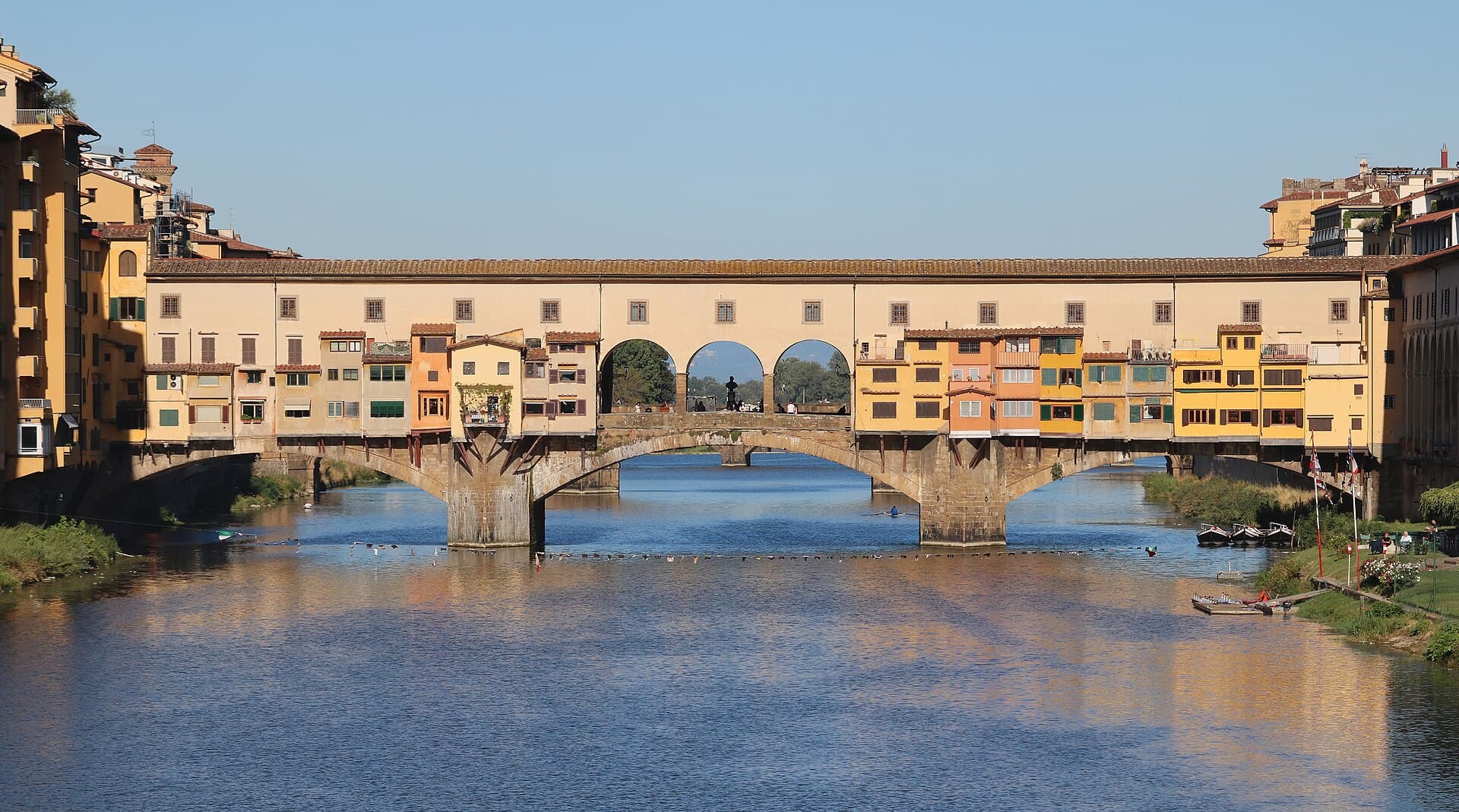 Ponte VecchioThe Ponte Vecchio is Italy's most famous bridge and its strangest survivor: a 133 minutes walk4.6
 Horne MuseumIn a city where people book the Uffizi weeks out and queue around the block, the3 minutes walk4.5
It is built exactly for that: screens explaining every instrument with videos of them working, and the objects beautiful before they are scientific. Anyone who prefers a story to an equation will find it Florence's most digestible museum.
When Galileo was moved in 1737 from near-secret burial to his honoured tomb in Santa Croce, admirers cut fingers, a tooth and a vertebra as keepsakes — some reaching here. The irony is complete: "holy" relics of a man the Church condemned, his index finger aimed at the sky.
From about nine up, outstandingly — giant globes, strange machines and severed fingers: a mix that never misses. Younger, keep to one hour in the showier ground rooms.