Bonapartes in Rome
Napoleon's mother, brother and uncle lived in the city for decades.
Lalupa — CC BY-SA 3.0 · Stella aboaf — CC BY-SA 4.0 · Stella aboaf — CC BY-SA 4.0 · Stella aboaf — CC BY-SA 4.0
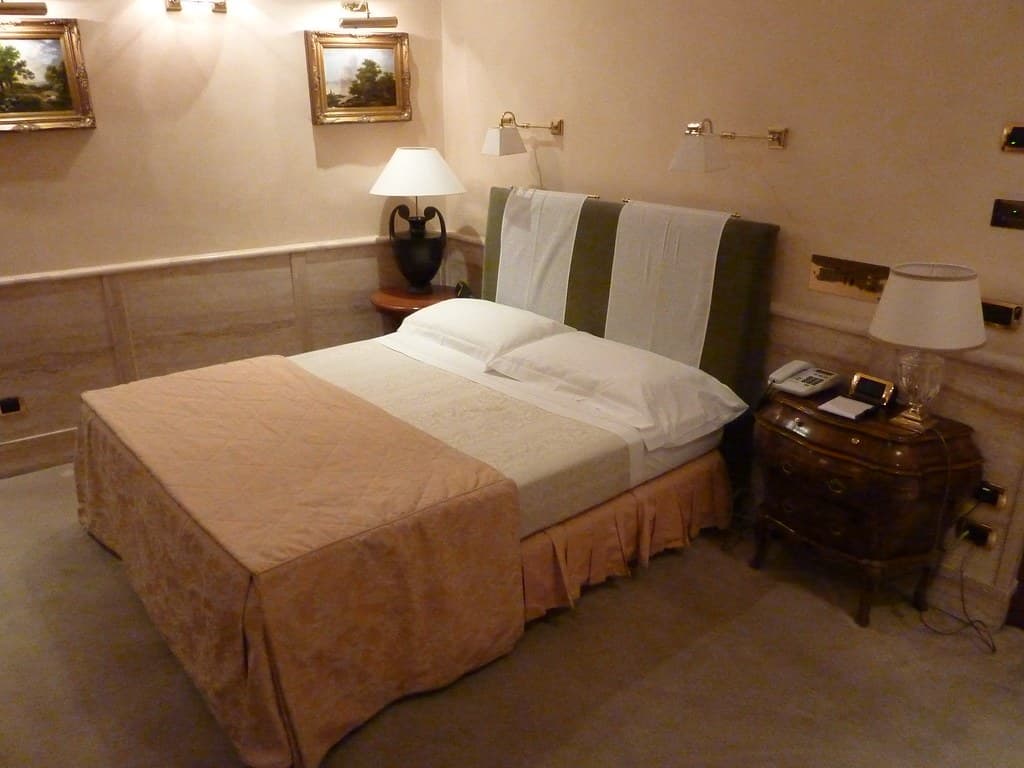
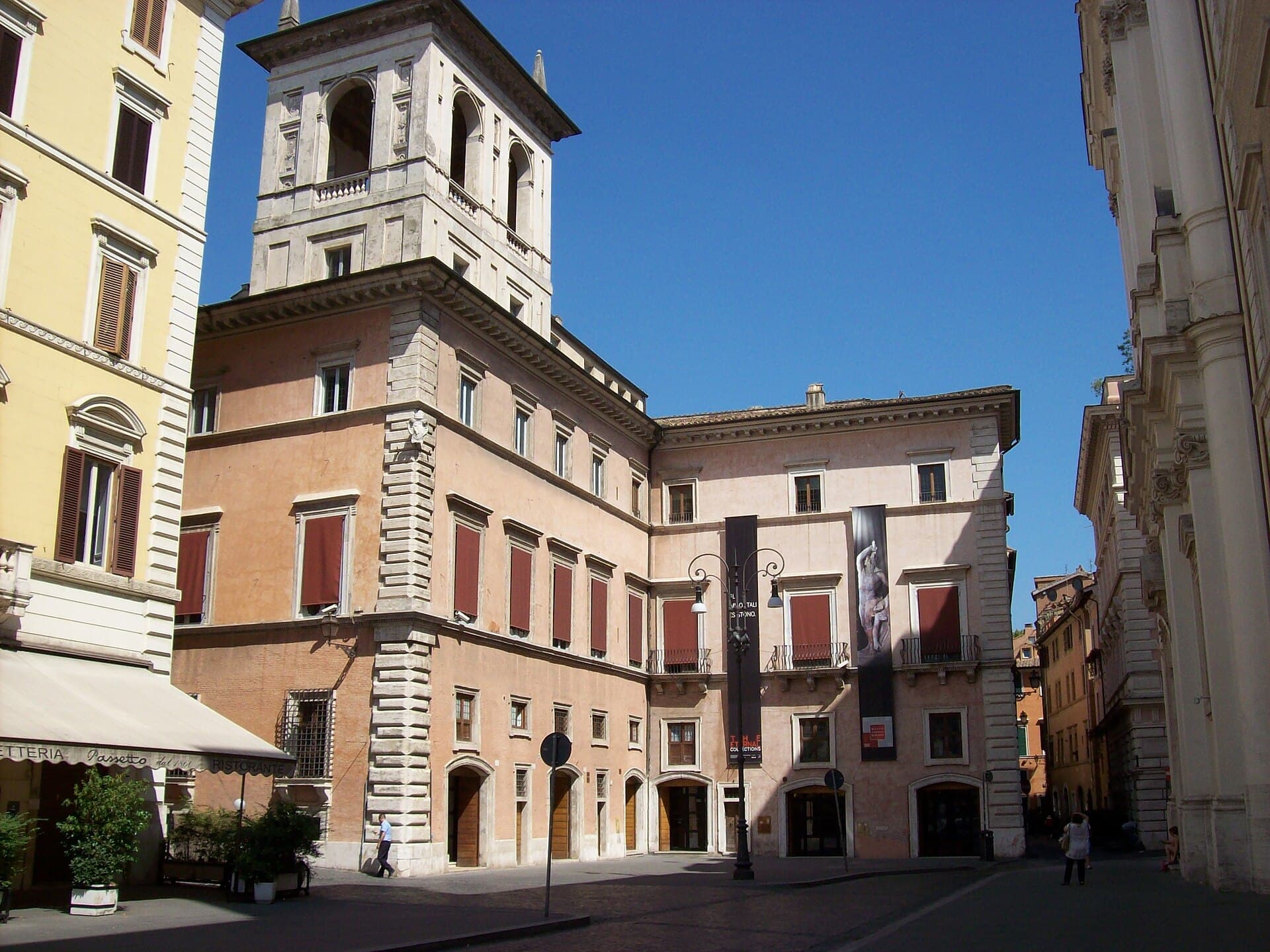
A museum on the ground floor of the Palazzo Primoli near Piazza Navona, devoted to the Bonaparte family and its connection with Rome. That connection is closer than many assume: after Napoleon's fall a number of his family settled in Rome under papal protection, among them his mother Letizia, his brother Lucien and his uncle Cardinal Fesch. The family lived in the city for decades and married into the Roman aristocracy. Count Giuseppe Primoli — himself a Bonaparte descendant — gave the palace and his collection to the city of Rome in 1927. The display holds furniture, portraits, personal possessions, paintings and sculpture, including work by Canova. The character is closer to a preserved aristocratic house than a historical museum: you walk through rooms furnished as they were. Small, quiet and rarely crowded despite its central position, and cheap to enter.
Napoleon's mother, brother and uncle lived in the city for decades.
Sculpture by the artist who carved the family itself.
Rooms furnished as they were rather than display halls.
Palazzo Primoli, near Piazza Navona
 Palazzo AltempsIn one of the upstairs rooms the god of war sits naked and at ease, his sword se1 minute walk4.7
 Cloister of Bramante (Chiostro del Bramante)The best thing here is not for sale. On the upper floor a small window opens thr3 minutes walk4.6
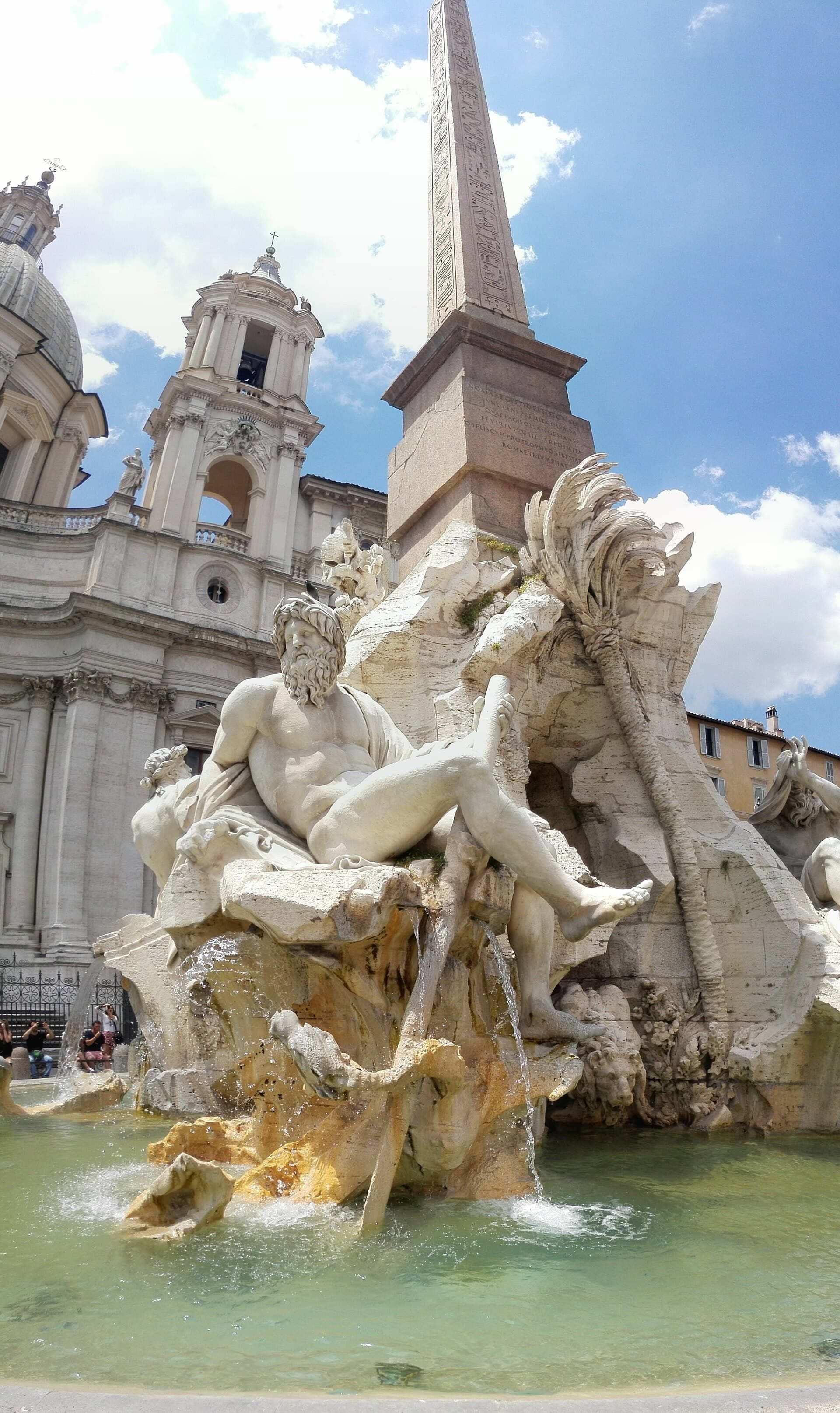 Piazza NavonaThe square's shape tells its story: a long rectangle with two curved ends, becau4 minutes walk4.8
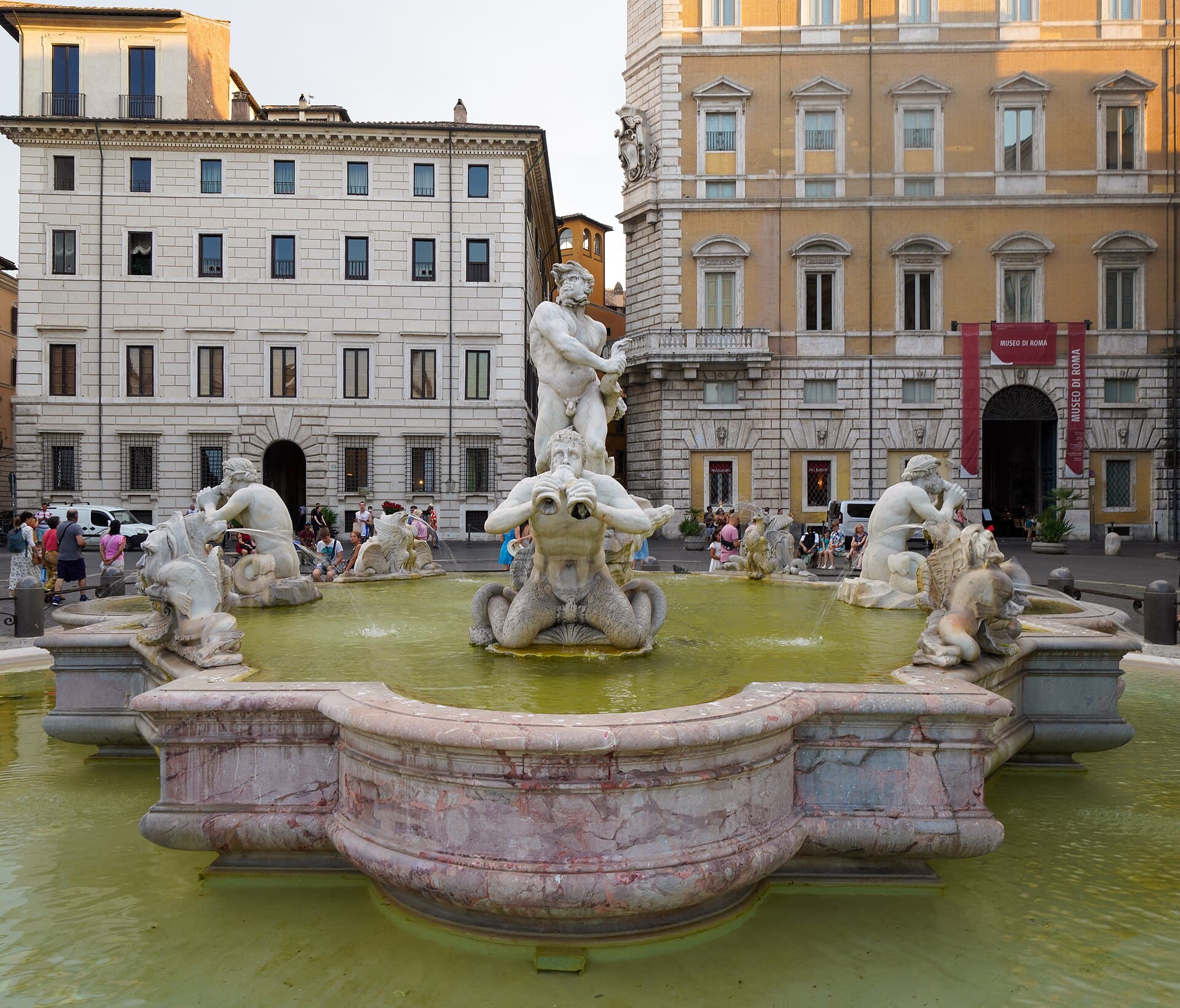 Fontana del MoroThree fountains punctuate Piazza Navona, and the most famous stands at its centr5 minutes walk4.9
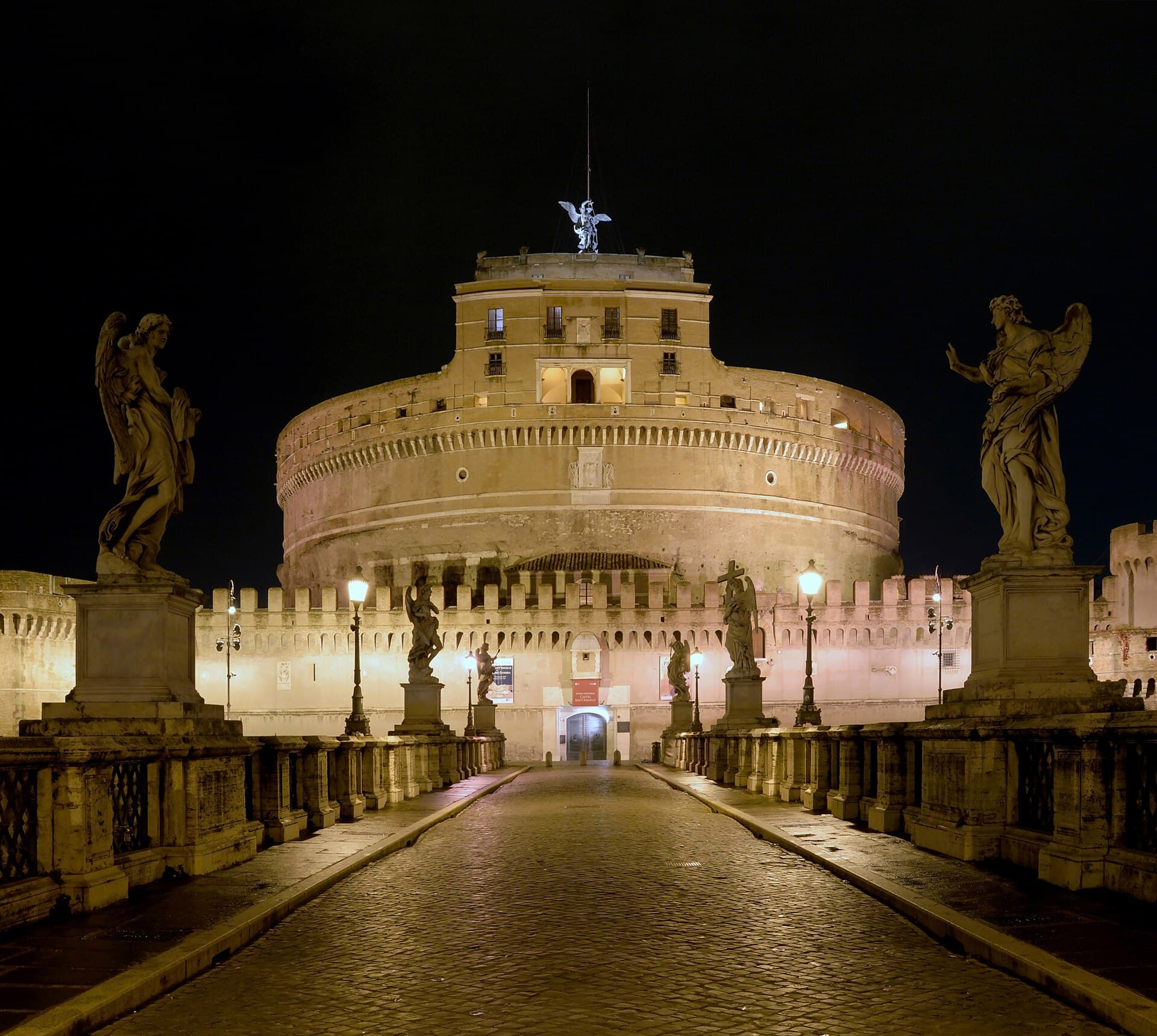 Castel Sant'AngeloOne building with four lives: begun in AD 139 as Hadrian's mausoleum, then a for6 minutes walk4.8
Looking for halal food near The Napoleonic Museum? There are several options nearby, from Moroccan and Indian kitchens to quick casual spots and places with a view. Confirm the halal status and opening hours before you go — these can change.
Because Pope Pius VII — although Napoleon had imprisoned him for years — granted the family asylum after his fall in 1815, a stance regarded as a striking act of political mercy. His mother Letizia bought a palace in Rome and lived there until her death in 1836. A number of the family's descendants became wholly Roman and merged into the city's nobility, and their names remain in its palaces and tombs.
A wide network, cheap and uncrowded: the Museum of Roman Civilisation, the Museum of Rome in Palazzo Braschi on Piazza Navona, the Carlo Bilotti museum, the Aurelian Wall museum, and the Barracco museum of ancient sculpture. Most are free to residents and carry a small ticket for others, and some are free to all. They are the good alternative when the major museums are fully booked.