
Gharnata al-Yahud
The quarter held a large Jewish community living for centuries under Muslim rule.
A small museum in Granada's Realejo district devoted to the history of the Sephardic Jews in al-Andalus. The Realejo is itself the old Jewish quarter of Granada, known as Gharnata al-Yahud under Muslim rule. A large Jewish community lived there for centuries under Islamic government and produced poets, philosophers, physicians and viziers — among them Samuel ibn Naghrillah, who became vizier to the king of Granada in the eleventh century. That ended in 1492: with Granada's fall came the edict expelling the Jews from Spain, so those who could left and those who stayed converted. The word Sephardic itself comes from Sepharad, the Hebrew name for Spain. The museum is very small — a few rooms in a traditional house — showing manuscripts, ritual objects, dress and documents on daily life, the expulsion and the diaspora that followed. It is privately run with limited hours, and the visit may come with an explanation from the people who keep it. This is not a large museum but a space of memory, and its value is that it fills a gap: Granada is usually told as a story of Muslims and Christians, and the third layer is absent from most of what is displayed.
The quarter held a large Jewish community living for centuries under Muslim rule.
Granada is told as a story of Muslims and Christians — this is the missing layer.
The same year brought Granada's fall and the edict expelling Spain's Jews.
The Realejo district, central Granada
 Museo de San Juan de DiosA museum in a sixteenth-century house in central Granada, in the place where Joh3 minutes walk4.8
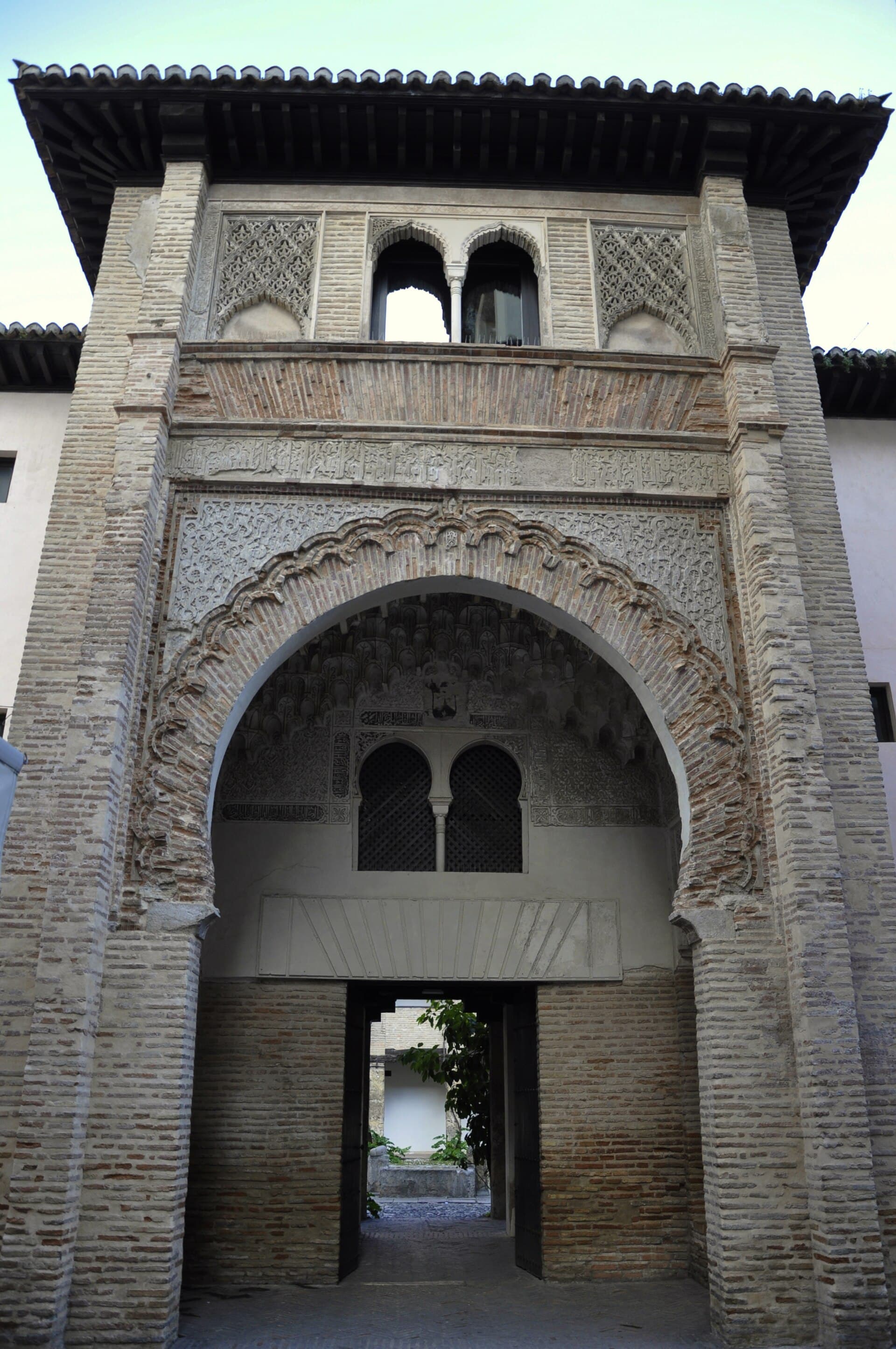 Corral del CarbónThe Corral del Carbón in Granada is the only surviving building of its kind in S3 minutes walk4.4
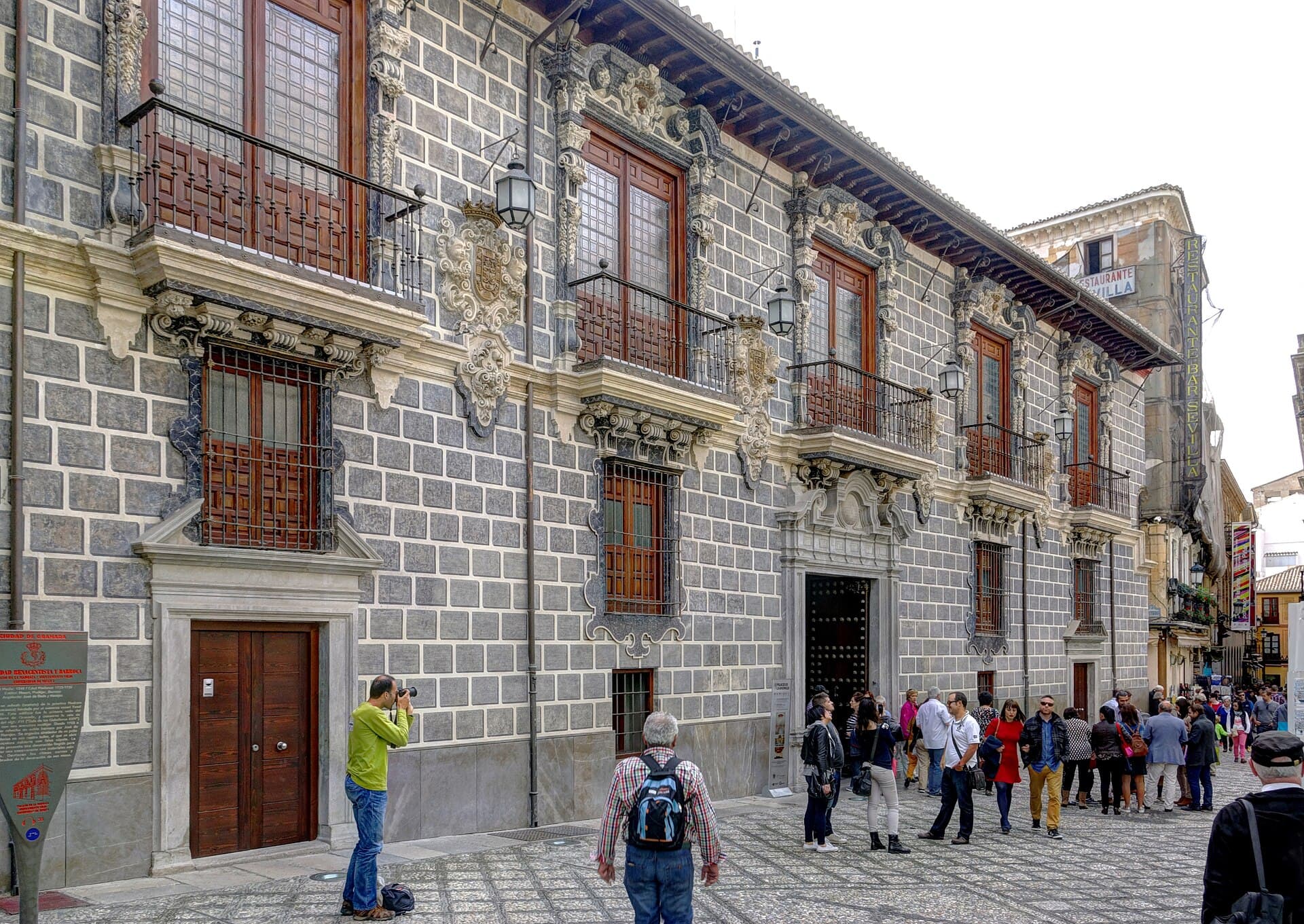 Palacio de la MadrazaWhat survives of the Nasrid madrasa founded by Sultan Yusuf I in the fourteenth 4 minutes walk4.8
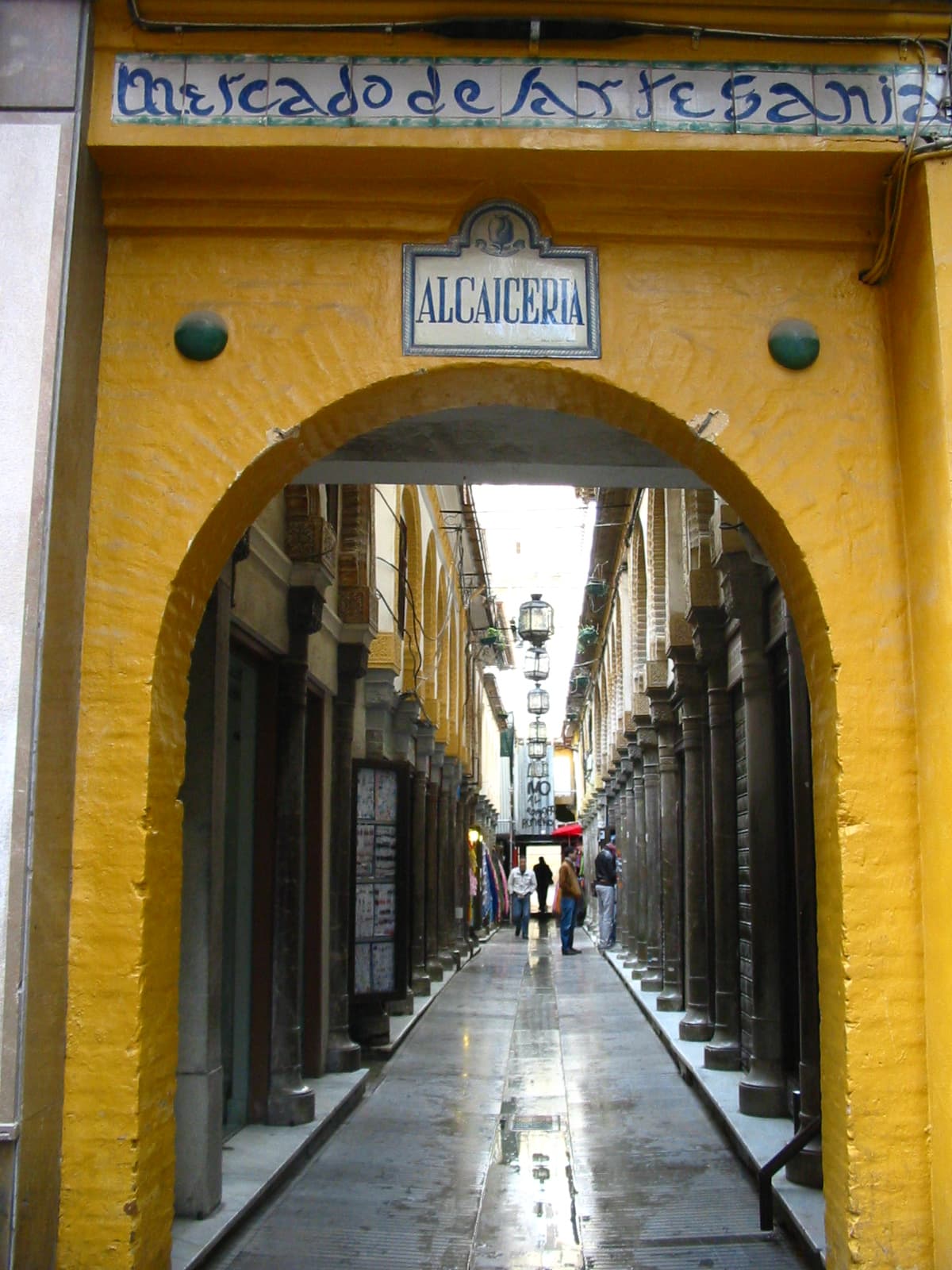 AlcaiceríaNarrow covered lanes beside the cathedral, what remains of the silk market of Is4 minutes walk4.6
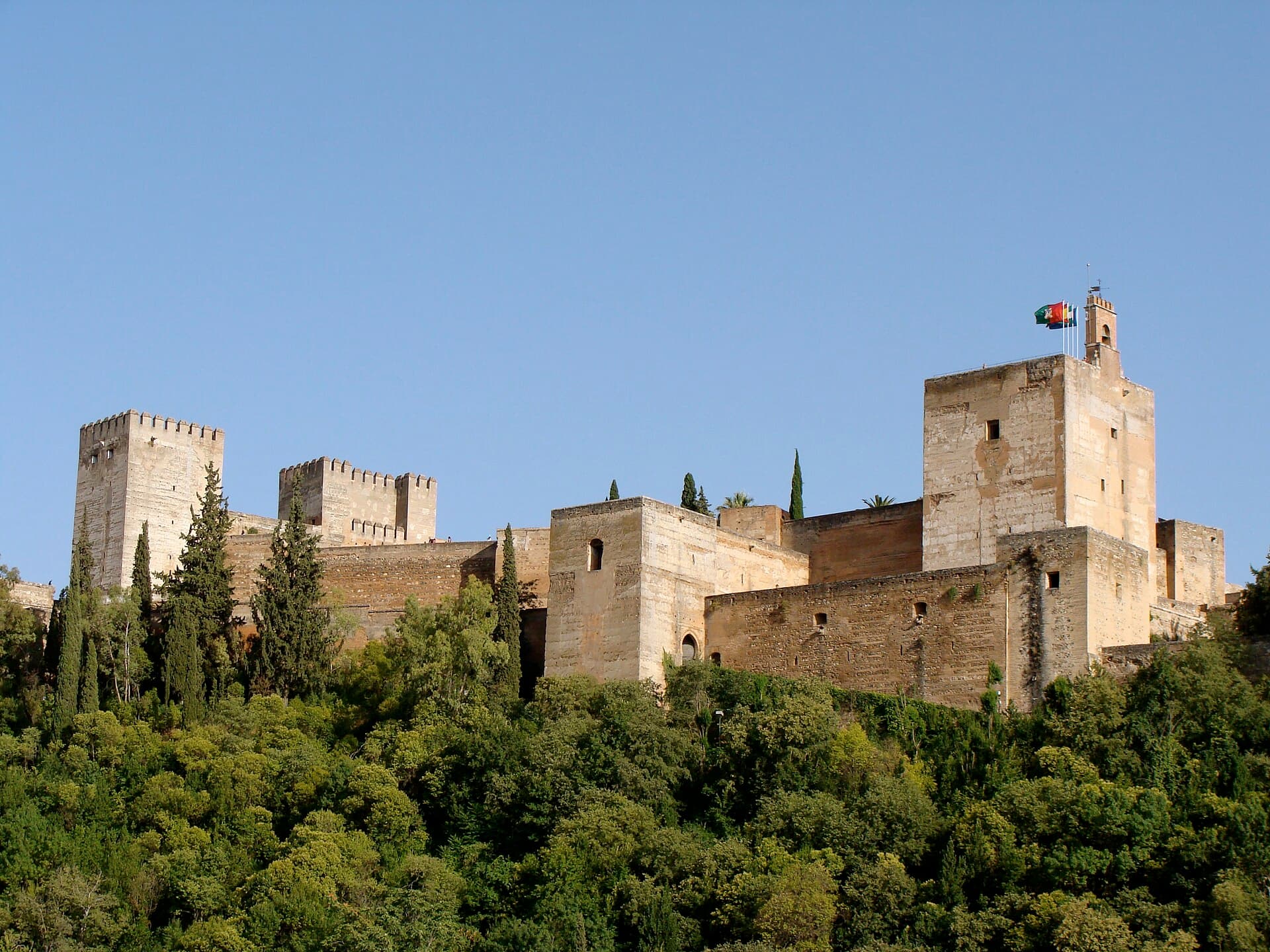 Alcazaba of the AlhambraThe Alcazaba is the military part of the Alhambra and its oldest section. Built 4 minutes walk4.8
From Sepharad, the Hebrew name for the Iberian peninsula. It refers to the Jews who lived in Spain and Portugal and to their descendants after the expulsion, who carried their language with them — Ladino, an old Spanish written in Hebrew letters — to the Ottoman Empire, North Africa and the Netherlands, and some still speak it.
The quarter itself is worth walking: climbing streets, small squares and houses with inner gardens, and it is less crowded than the Albaicín. It also holds the Casa de los Girones, the nearby gardens of the Palacio de los Córdova, and a statue of Samuel ibn Naghrillah. The Alhambra rises directly above it.