
An Arabic name
The qaysariyya was the enclosed market whose gates were guarded at night, because silk was among the city's most valuable goods.
Jesus Abizanda from Barbastro, Huesca, Spain — CC BY 2.0 · Øyvind Holmstad — CC BY-SA 4.0 · Øyvind Holmstad — CC BY-SA 4.0 · Kolforn — CC BY 3.0
Narrow covered lanes beside the cathedral, what remains of the silk market of Islamic Granada. The name comes from the Arabic qaysariyya, and under the Nasrids the market was an enclosed precinct with gates guarded at night, because what traded here was among the most valuable goods in the city. What stands today is a nineteenth-century rebuilding after a fire destroyed the original, not preserved Nasrid fabric. That is worth being clear about: the architecture you walk through evokes the style rather than surviving from it, and the goods are largely tourist stock, ceramics, trinkets and bags. Even so the visit earns its few minutes. The tight scale and the decorated arches give you a sense of the original market's shape, and it sits directly on the route between the cathedral and the Royal Chapel, so it costs you no detour. Prices here run above other neighbourhoods, so compare before buying if you intend to. Haggling is expected in the smaller shops.
The qaysariyya was the enclosed market whose gates were guarded at night, because silk was among the city's most valuable goods.
The arches and ornament evoke the Nasrid style rather than survive from it; the original burned in the nineteenth century.
The stock is touristic and prices are relatively high; haggling is expected in the smaller shops.
Calle Alcaicería, near the cathedral, Granada
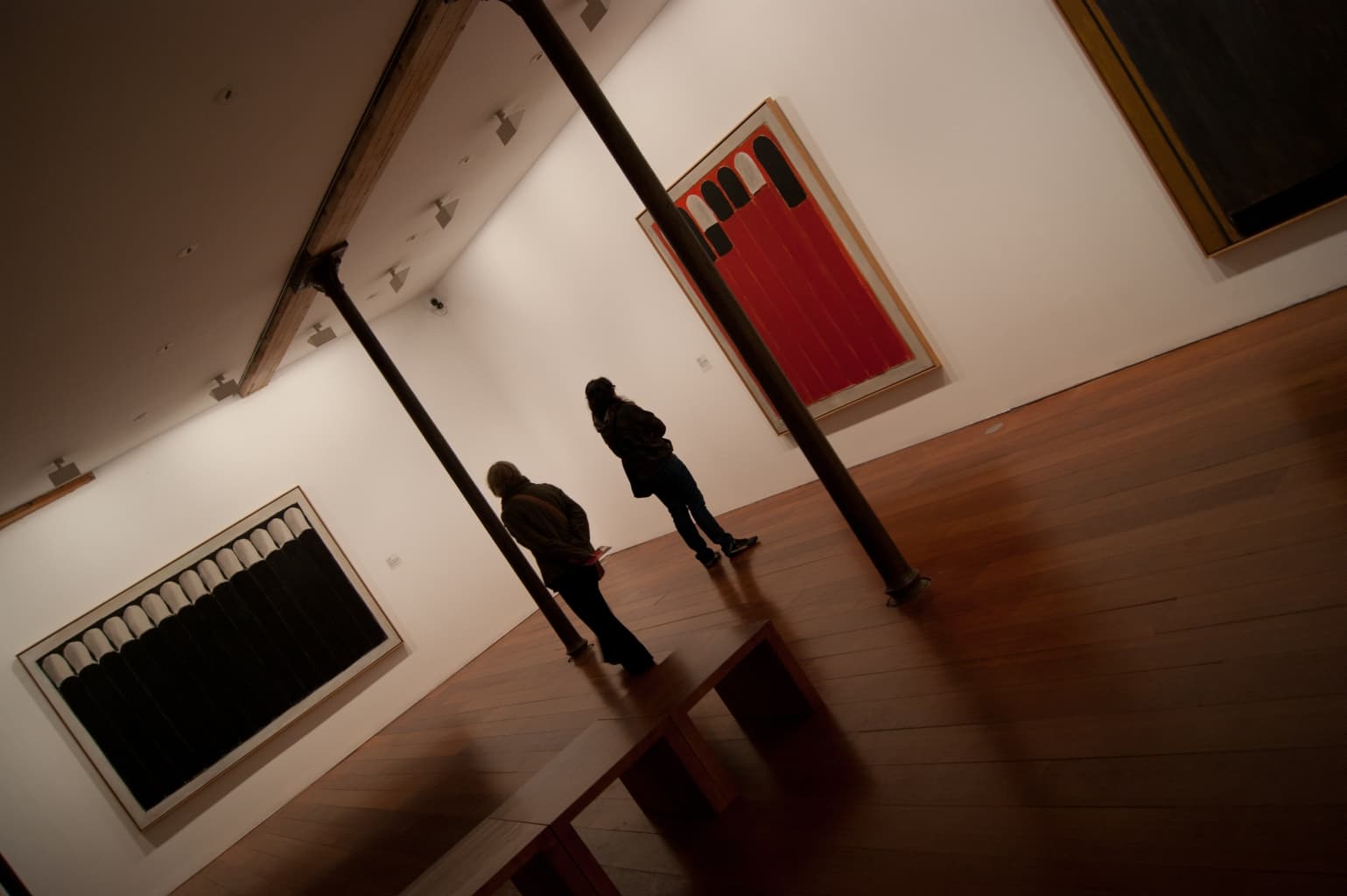 Centro José GuerreroAn art centre in central Granada devoted to José Guerrero, the Granadan painter 1 minute walk4.5
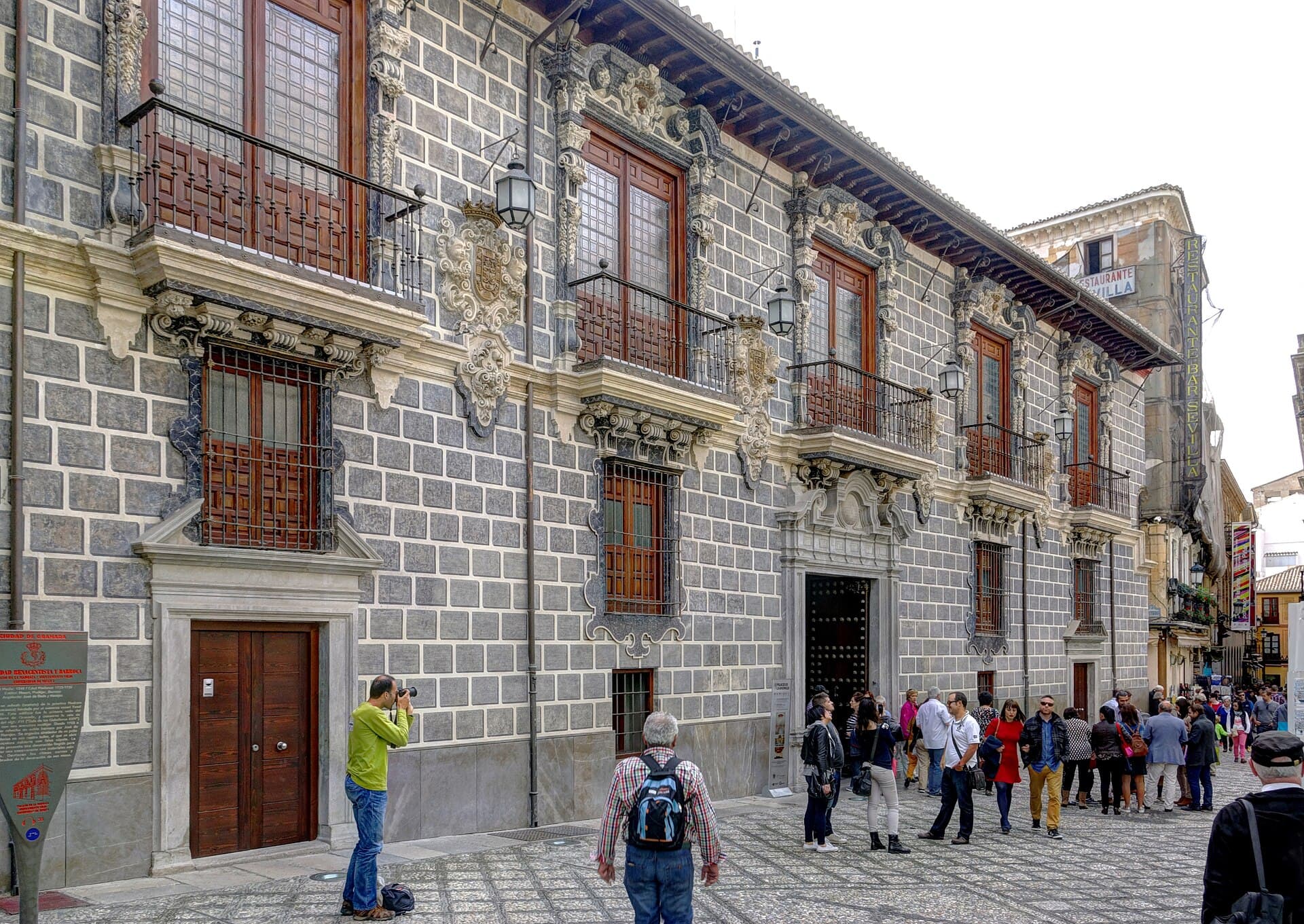 Palacio de la MadrazaWhat survives of the Nasrid madrasa founded by Sultan Yusuf I in the fourteenth 1 minute walk4.8
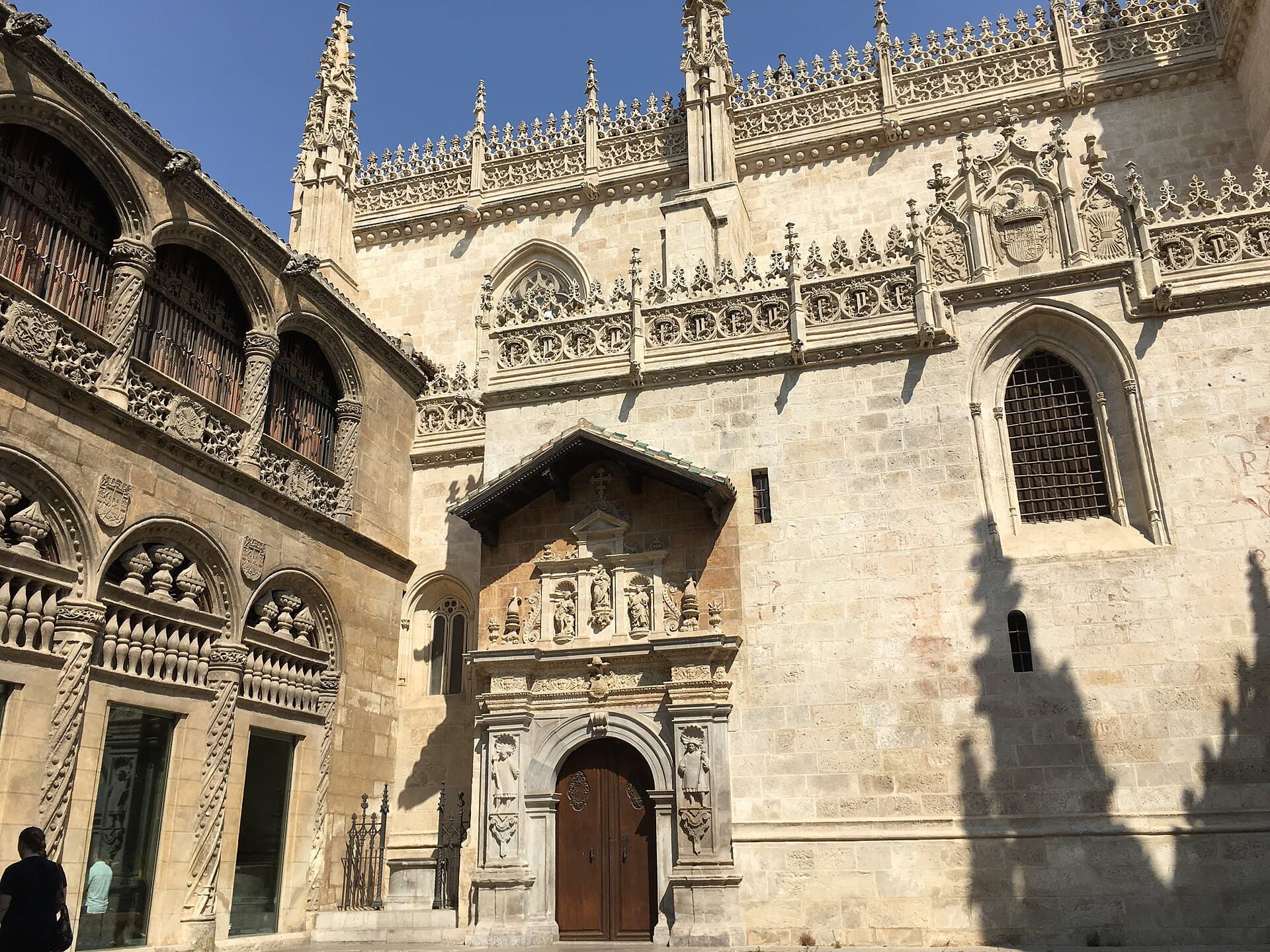 Royal Chapel of GranadaThe Royal Chapel of Granada is a Gothic building in the city centre holding the 1 minute walk4.5
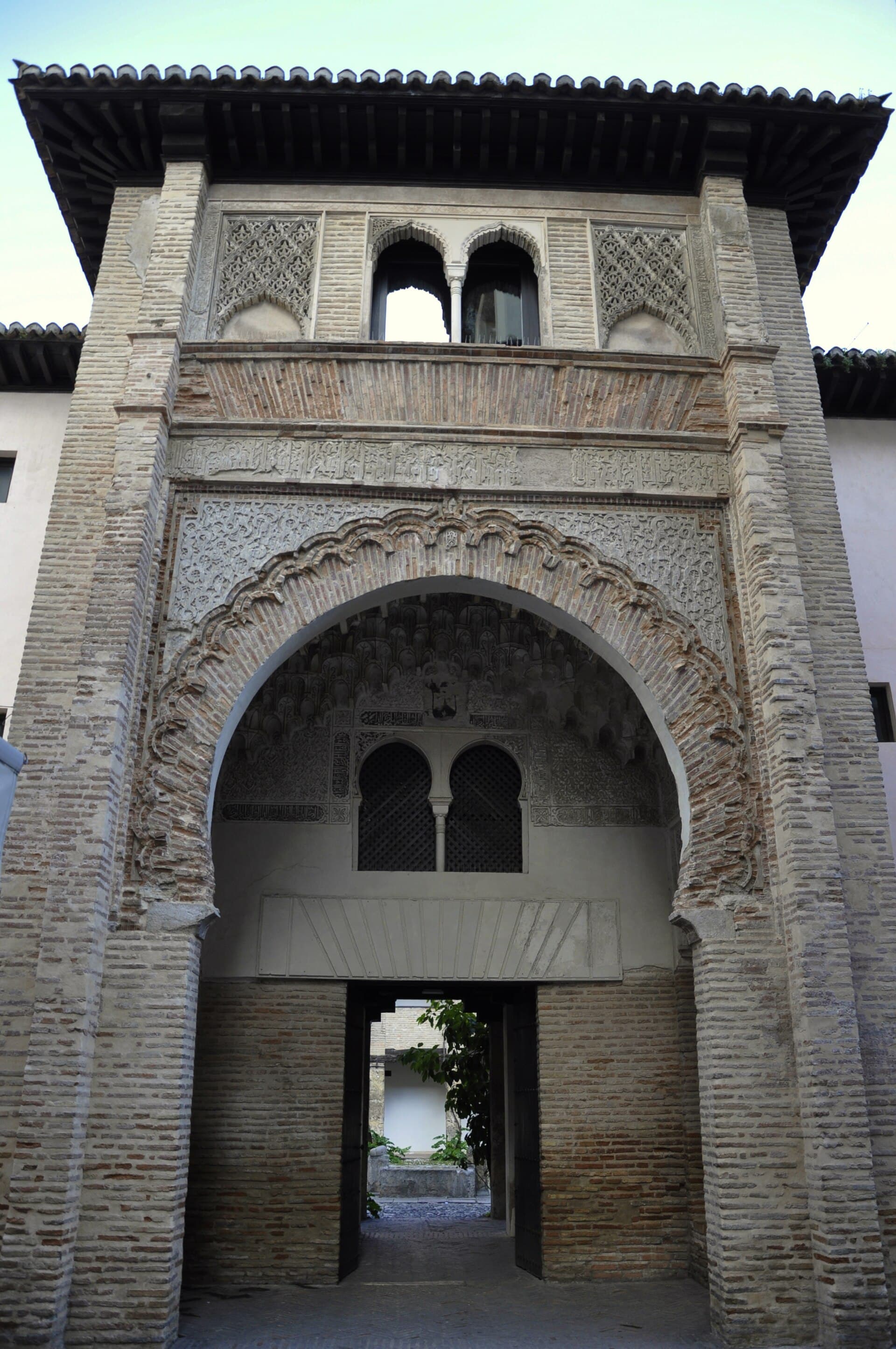 Corral del CarbónThe Corral del Carbón in Granada is the only surviving building of its kind in S1 minute walk4.4
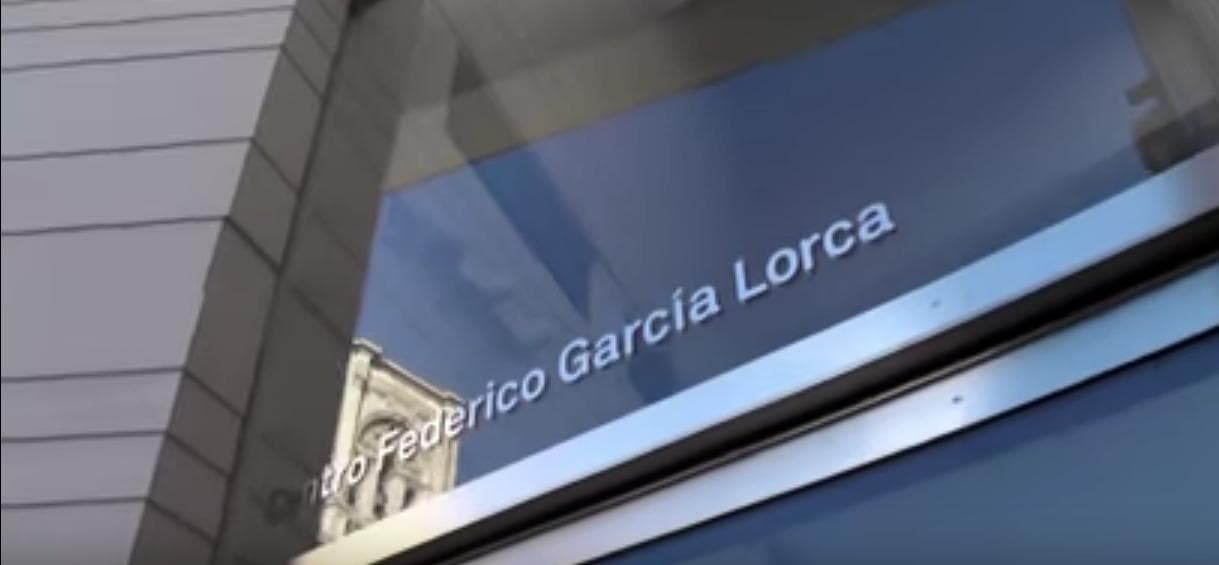 Centro Federico García LorcaA modern cultural institution in central Granada, created to hold the archive of3 minutes walk4.2
No. The site is that of the Nasrid silk market, but the present buildings were rebuilt in the nineteenth century after a fire destroyed the original. The style is inspired by it rather than surviving from it, a point many visitors confuse.
It sits between the cathedral and the Royal Chapel, steps from the Corral del Carbón, which is a genuinely surviving Nasrid caravanserai. Seeing both gives you the comparison between the original and the rebuild.