
The decorated doorway
A Nasrid arch with plaster ornament and Arabic inscription — among the finest work outside the Alhambra.
Paul Hermans — CC BY-SA 3.0 · Rumomo — CC BY-SA 4.0 · Rumomo — CC BY-SA 4.0 · Rumomo — CC BY-SA 4.0
The Corral del Carbón in Granada is the only surviving building of its kind in Spain. Built in the fourteenth century as an inn and warehouse for merchants: they slept in the upper rooms and left their goods and animals in the courtyard and lower stores. This is what the eastern Arab world called a khan or wakala. It survived because it kept being used after Granada fell: it became a coal store — hence its Spanish name — then a theatre, then housing. Its original doorway, with a decorated arch and Arabic inscription, is among the finest Nasrid work left outside the Alhambra. Entry to the courtyard is free, and the visit is short, but it explains something the palaces do not: how trade and daily life actually worked.
A Nasrid arch with plaster ornament and Arabic inscription — among the finest work outside the Alhambra.
A square court with three storeys of wooden galleries, as the merchants knew it.
It lasted because it kept being used — coal store, theatre, housing — so it was never pulled down.
Calle Mariana Pineda, 18009 Granada
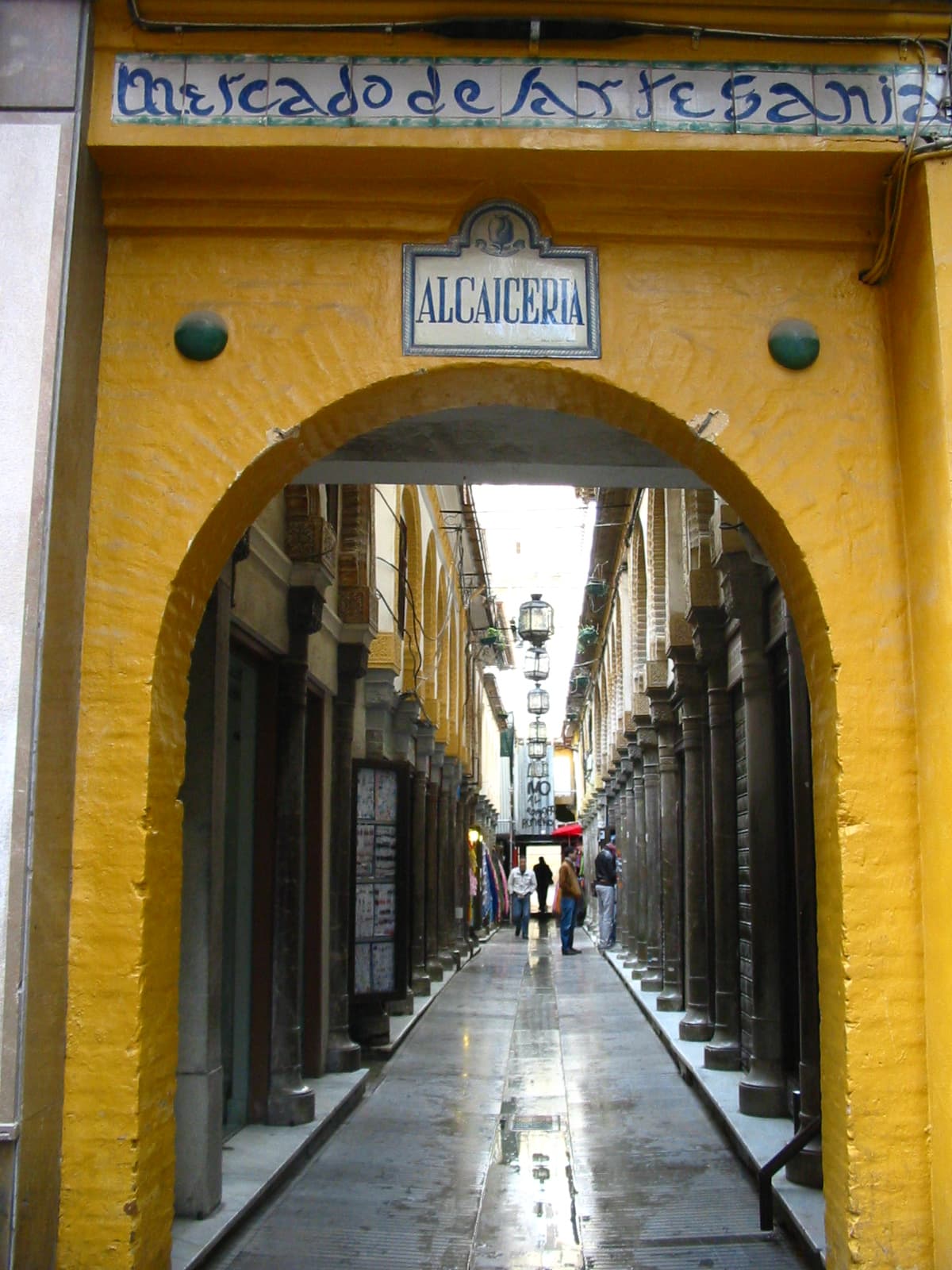 AlcaiceríaNarrow covered lanes beside the cathedral, what remains of the silk market of Is1 minute walk4.6
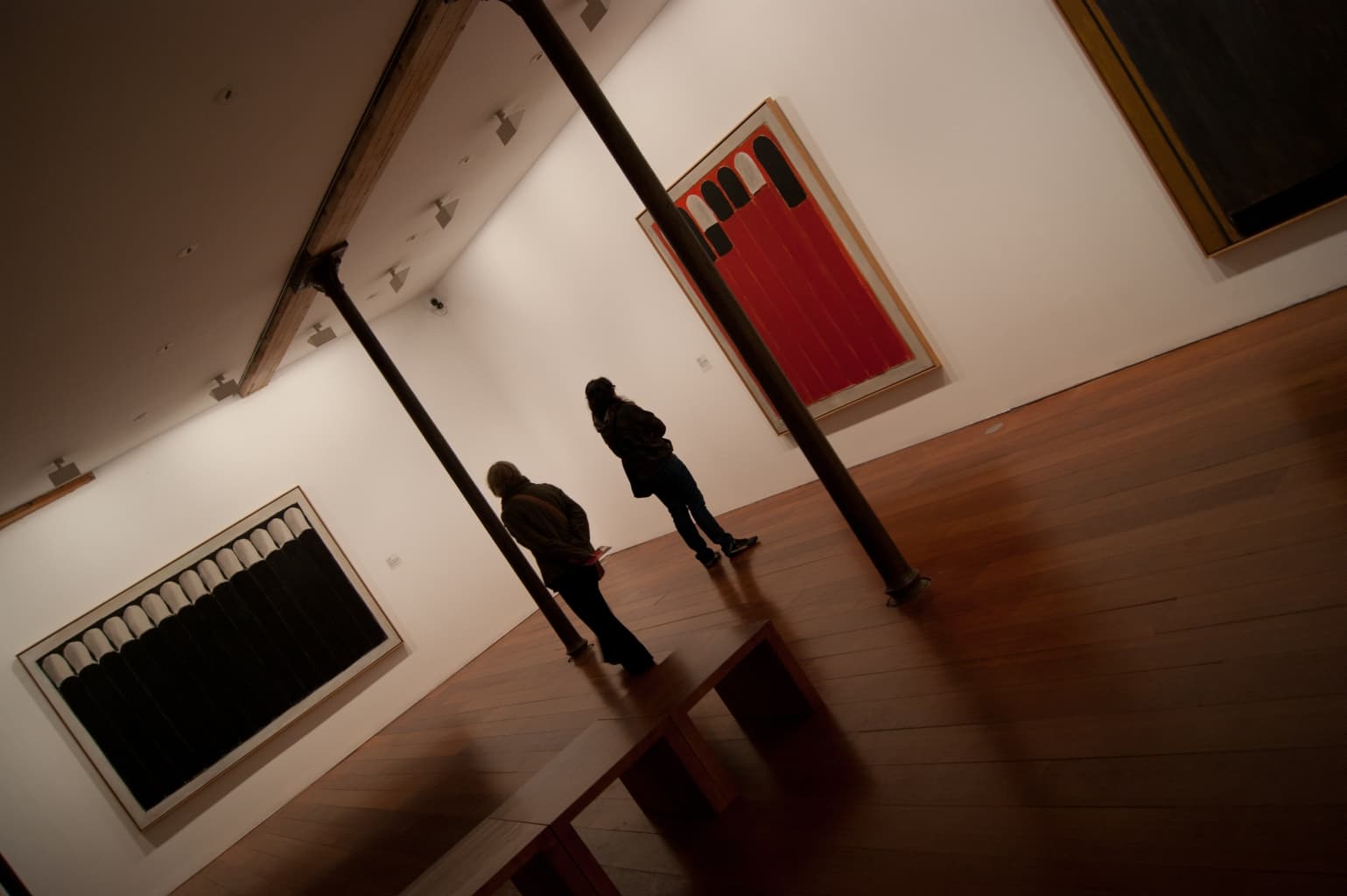 Centro José GuerreroAn art centre in central Granada devoted to José Guerrero, the Granadan painter 1 minute walk4.5
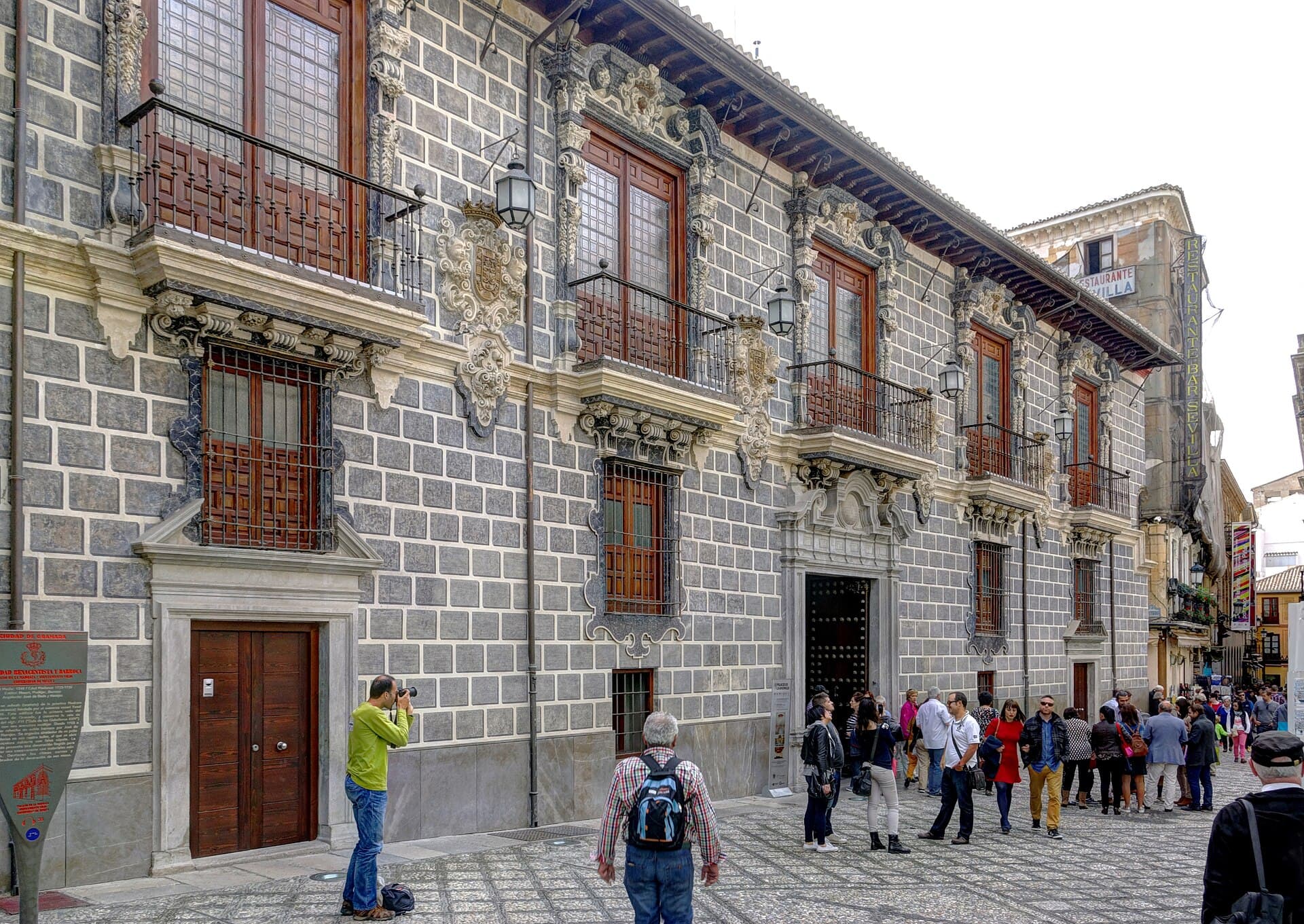 Palacio de la MadrazaWhat survives of the Nasrid madrasa founded by Sultan Yusuf I in the fourteenth 2 minutes walk4.8
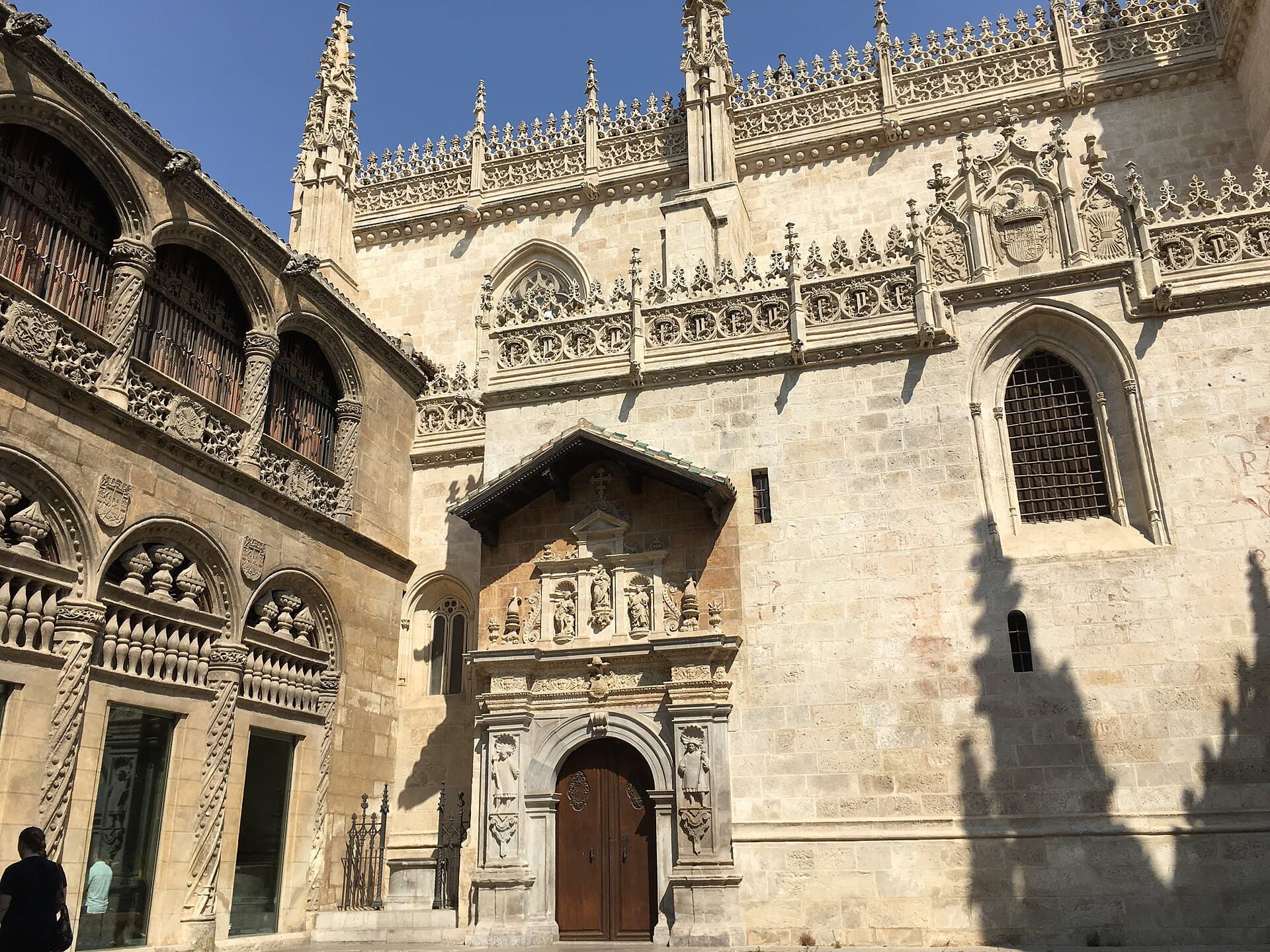 Royal Chapel of GranadaThe Royal Chapel of Granada is a Gothic building in the city centre holding the 2 minutes walk4.5
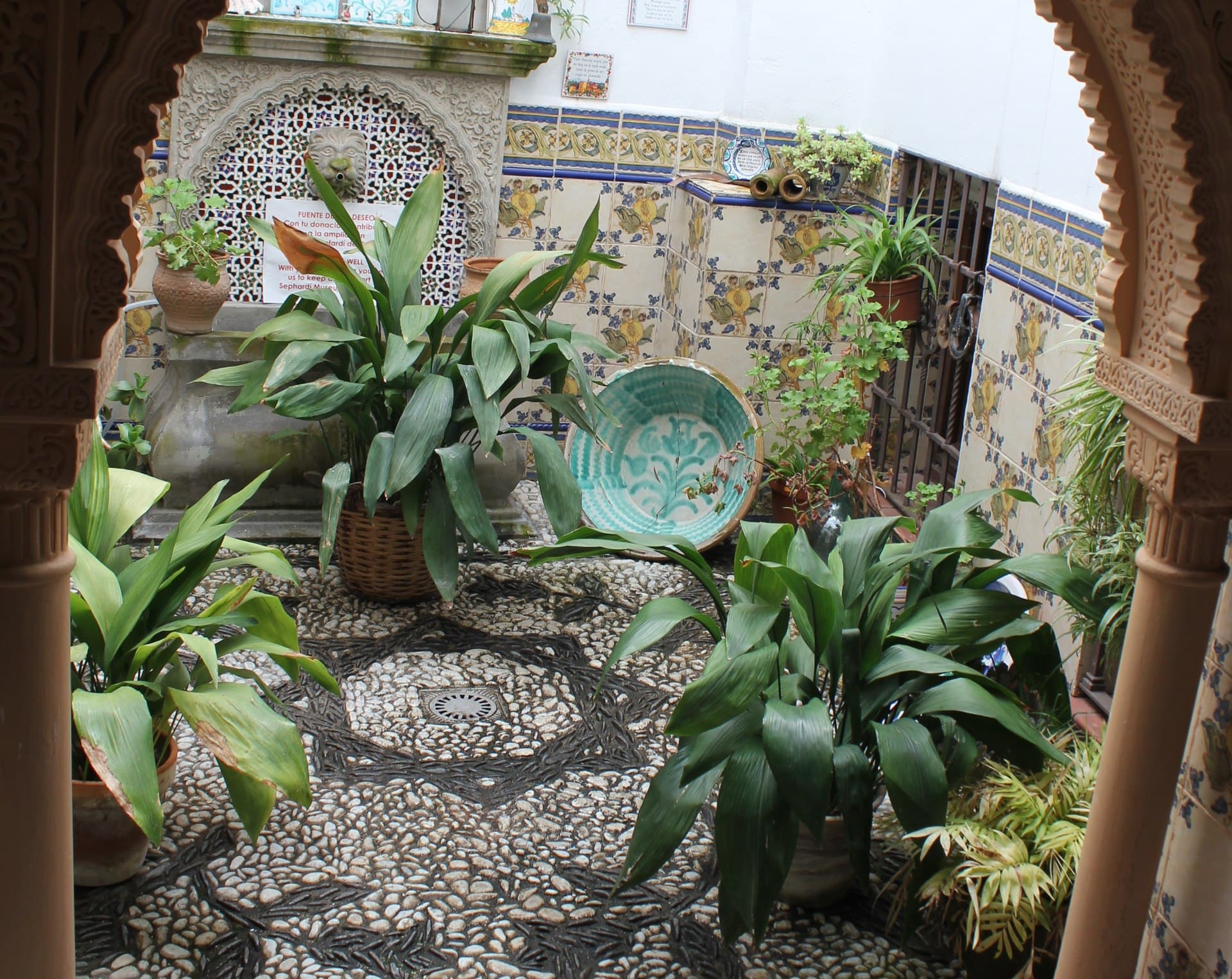 Museo SefardíA small museum in Granada's Realejo district devoted to the history of the Sepha3 minutes walk4.1
A combined inn and warehouse for travelling merchants: sleeping rooms above, and a courtyard and stores below for goods and animals. It is the same idea as the khan or wakala in the eastern Arab world, and was essential to any trading city.
Because it is the only one left in Spain. A good deal of palace and mosque architecture survives, but the buildings of trade and daily life were almost all demolished. This one explains how Granada worked as a city, not just as a ruler's court.
Fifteen minutes. It is in the centre near the cathedral and the Royal Chapel, so make it a stop on a walk rather than a separate visit.