
A barge that no longer exists
Models and carved fragments of the Bucintoro are all that remains of the Doge's state barge, broken up by Napoleon's troops in 1798 and its gilded carvings burned for the gold.
G.dallorto — CC BY-SA 2.5 it · This Photo was taken by Wolfgang Moroder. Feel free to use my photos, but please mention me as the author and send me a message. This image is not in the public domain. Please respect the copyright pr — CC BY-SA 3.0 · This Photo was taken by Wolfgang Moroder. Feel free to use my photos, but please mention me as the author and send me a message. This image is not in the public domain. Please respect the copyright pr — CC BY-SA 3.0 · This Photo was taken by Wolfgang Moroder. Feel free to use my photos, but please mention me as the author and send me a message. This image is not in the public domain. Please respect the copyright pr — CC BY-SA 3.0
The most important object in this museum no longer exists. The Bucintoro, the gilded state barge that carried the Doge out once a year to marry Venice to the sea, was broken up by Napoleon's soldiers in 1798 and its carvings burned on San Giorgio Maggiore to recover the gold. What survives is a handful of carved fragments and the models built by people who had seen it or read about it. Standing in front of them is standing in front of the last trace of how a republic pictured itself, after both the republic and the barge were gone. The building is a fifteenth-century waterside granary where the Republic stored the flour for its ships' biscuit, run today by the Italian Navy across five floors and more than forty rooms that you climb one staircase at a time. It opens with galley models, rigging, ropes and cannon, moves through the gondola rooms and their black-cabined ceremonial boat, and then turns abruptly into the twentieth century: diving suits, sea mines, and the human torpedoes that frogmen rode at night to fix charges under the hulls of anchored ships. Small objects, heavy history, and little else in Venice tells that part of the story. Be warned that this is a collection, not a narrative. A 2025 refit tidied the halls and folded an audioguide into the ticket, but the display is still dense — case after case, dozens of hulls only a specialist can tell apart. If you came to Venice for beauty and atmosphere, this is not where you will find it. If you want to understand how the city actually worked, how it was built, armed and sailed, you leave with something St Mark's Square cannot give you. Your ticket also covers the Ships Pavilion a few minutes away at the Arsenale, in the old oar workshop, with its own entrance on Fondamenta dell'Arsenale. The boats there are full size rather than scale models, it reopened in 2025, and some visitors prefer it to the main building. The submarine Enrico Dandolo moored nearby is a separate accompanied visit at extra cost. The museum sits on the waterfront about ten minutes east of San Marco with the Arsenale vaporetto stop at the door, and it is one of the better options in Venice for children: ships, cannon and ladders instead of paintings they cannot touch.
Models and carved fragments of the Bucintoro are all that remains of the Doge's state barge, broken up by Napoleon's troops in 1798 and its gilded carvings burned for the gold.
A few minutes away at the Arsenale, in the old oar workshop: full-size boats on the same ticket, and some visitors like it more than the main building.
The twentieth-century floor shows the craft frogmen rode at night to plant charges under enemy hulls — a story few other museums in the city tell.
Riva San Biasio, Castello 2148, 30122 Venice
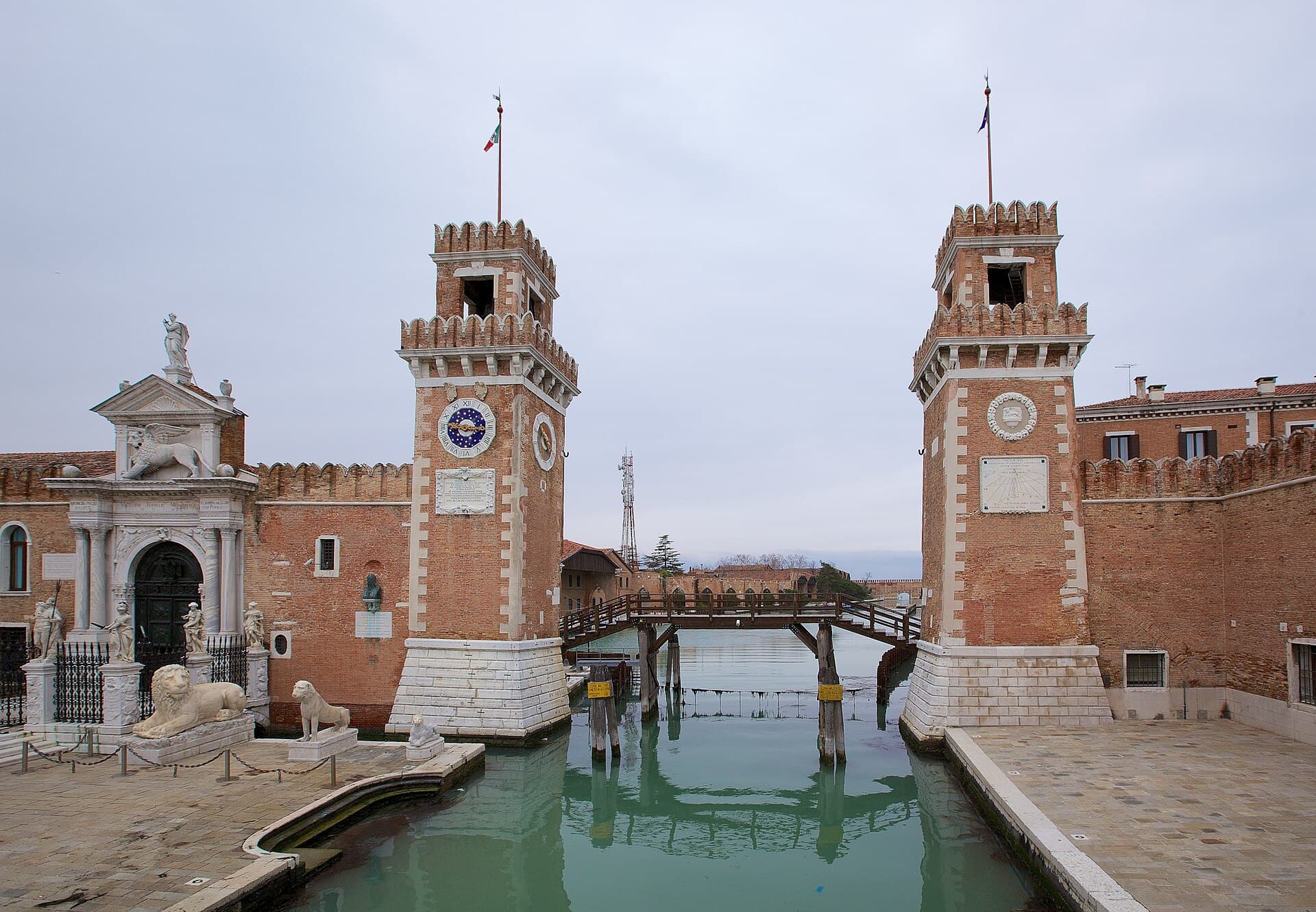 The Venetian ArsenalAt its peak this yard could put a fully armed warship in the water in a single d5 minutes walk4.7
 Le Stanze del VetroA museum in Venice that does not sell tickets. Entry to Le Stanze del Vetro has 7 minutes walk4.9
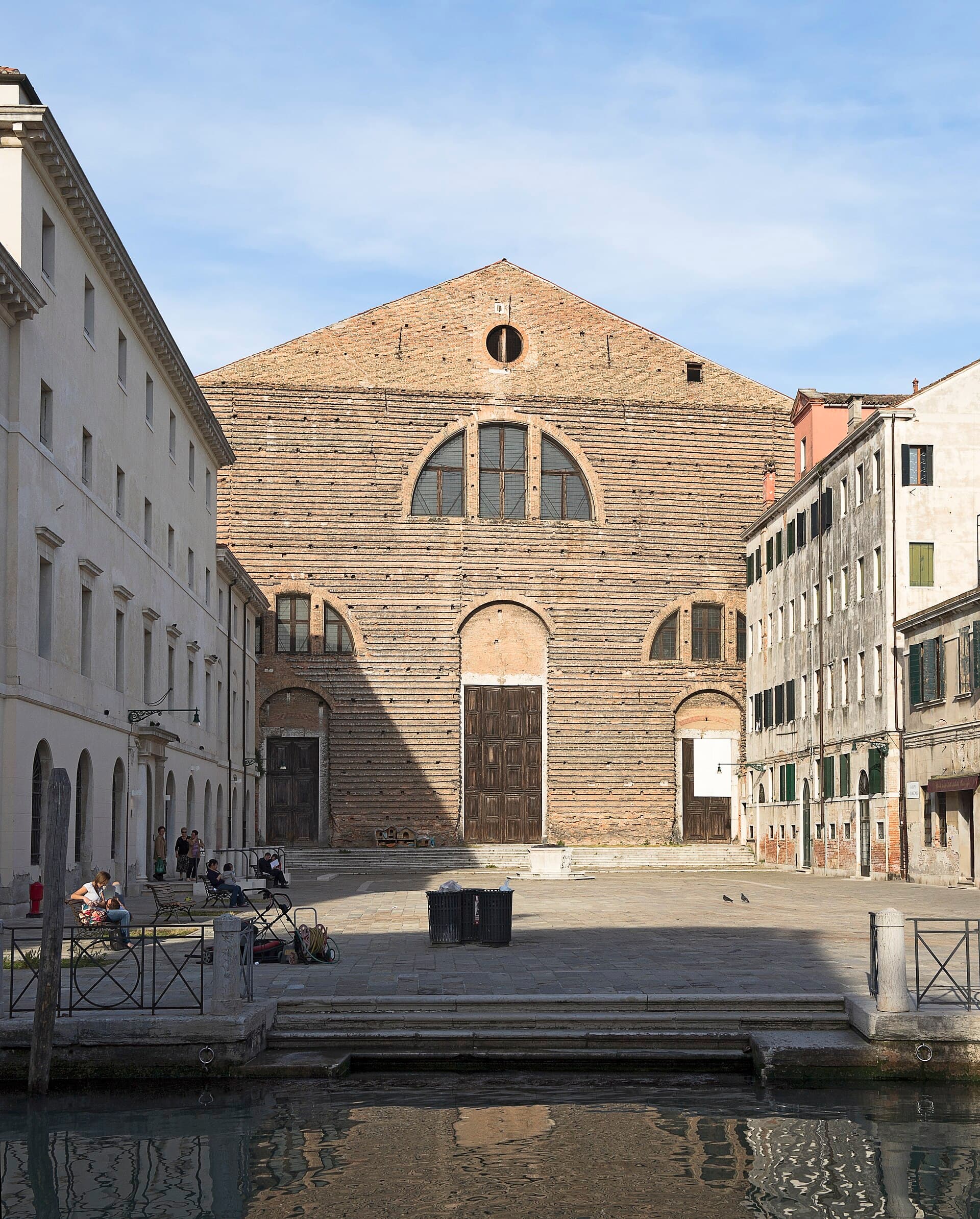 Ocean Space (Church of San Lorenzo)The church of San Lorenzo shut its doors to the public in 1865 and stayed silent8 minutes walk4.6
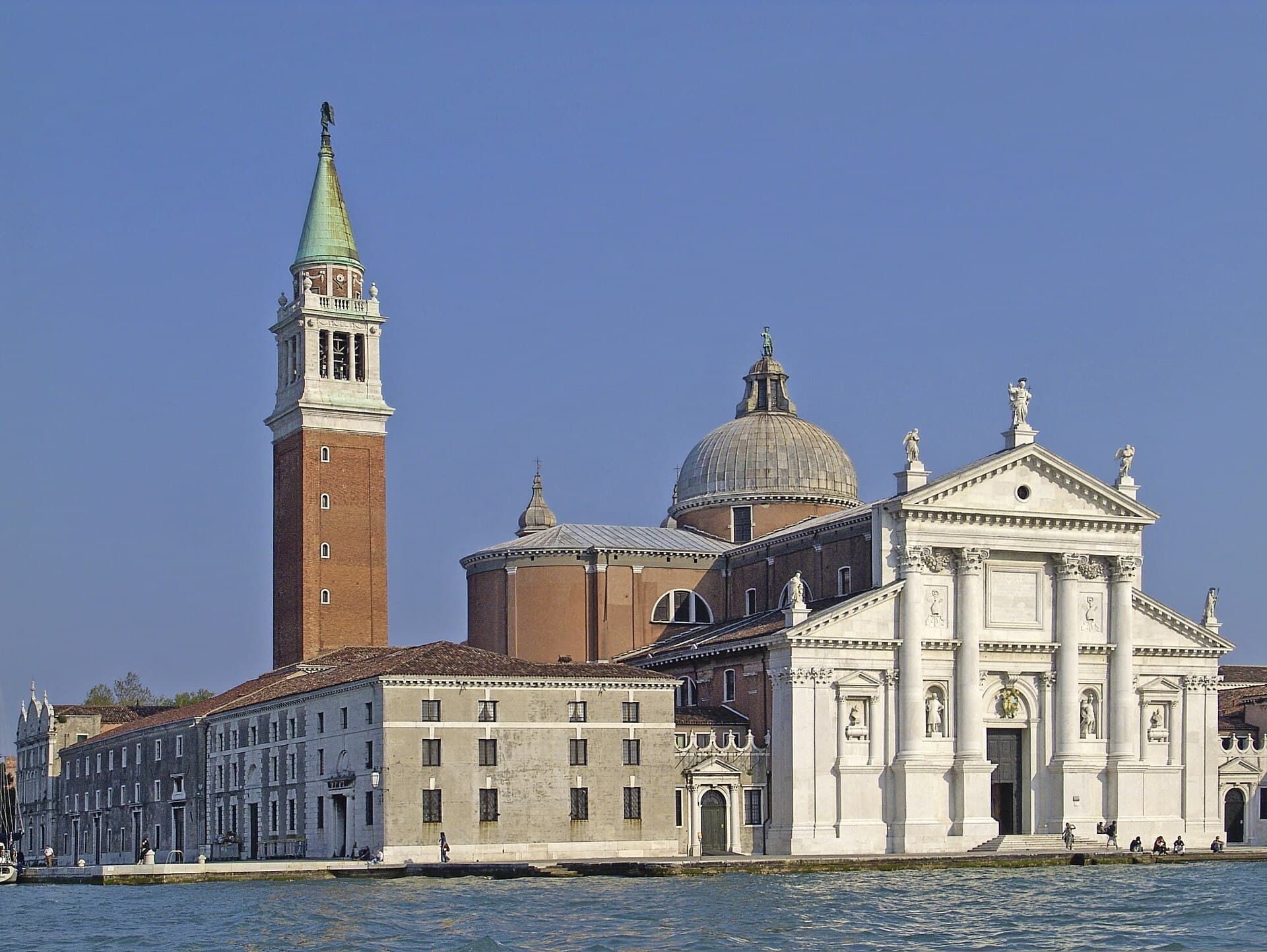 San Giorgio MaggioreSan Giorgio Maggiore is the white church you see from St Mark's standing alone o8 minutes walk4.7
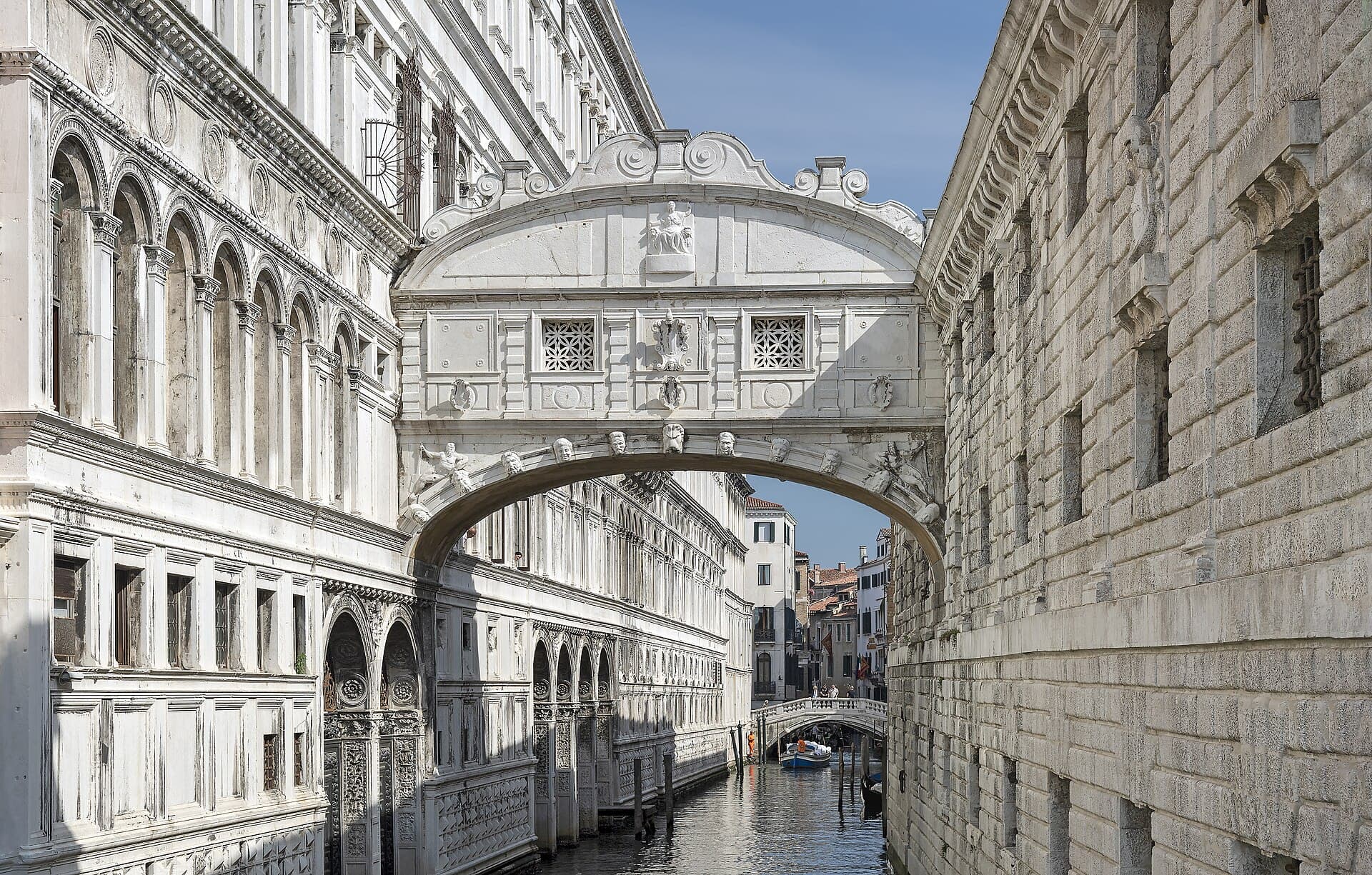 Bridge of SighsThe Bridge of Sighs is a small covered bridge of white marble crossing the canal9 minutes walk4.7
Honestly, if you have two days in Venice and came for art and atmosphere, skip it: the display is dense and old-school and will not give you the visual moment the Doge's Palace or the Accademia will. It earns its place if you have children with you — ships, cannon and staircases go down well — or if you want to understand how Venice actually made its money rather than only admiring the result.
The Enrico Dandolo is visited in small accompanied groups on frequent fixed departures, entered by steep metal ladders and very tight passages; the minimum age is six, under-14s must be with an adult, and there is no step-free access. If you are claustrophobic, travelling with a small child, or your knees complain on stairs, save the money. If anyone in your group loves machinery and mechanical detail, it is the best part of the whole visit — book the slot when you buy your ticket rather than on arrival.