
The steam engines
Preserved complete in their hall — among the best industrial heritage on show in Lisbon.
CC BY-SA 2.5 · Lucas £ € $ ¥ — CC BY 2.0 · Ad narragoniam — CC BY-SA 4.0 · Philip Mallis from Melbourne — CC BY-SA 4.0
A museum about how Lisbon got its water, in a nineteenth-century steam pumping station whose machinery is still in place. The story matters more than it sounds: Lisbon is a city with no drinkable river nearby, and the answer came in the eighteenth century with a vast aqueduct carrying water from tens of kilometres away — the Águas Livres aqueduct, among the most important works of civil engineering in Portugal, which survived the 1755 earthquake. The museum spreads across four linked sites: the steam pumping station, the huge Mãe d'Água reservoir with its vaulted hall, the underground Patriarcal reservoir, and the aqueduct itself. One ticket may cover more than one site, but they are far apart, so choose what interests you. The main hall of the pumping station is the strongest part: large steam engines preserved complete, among the best industrial heritage on display in Lisbon. It suits anyone interested in engineering, or wanting something different from churches and palaces.
Preserved complete in their hall — among the best industrial heritage on show in Lisbon.
It carried water tens of kilometres and survived the 1755 earthquake that levelled the city.
A vast vaulted underground hall — one of the four sites and worth it on its own.
Rua do Alviela, Penha de França, Lisbon
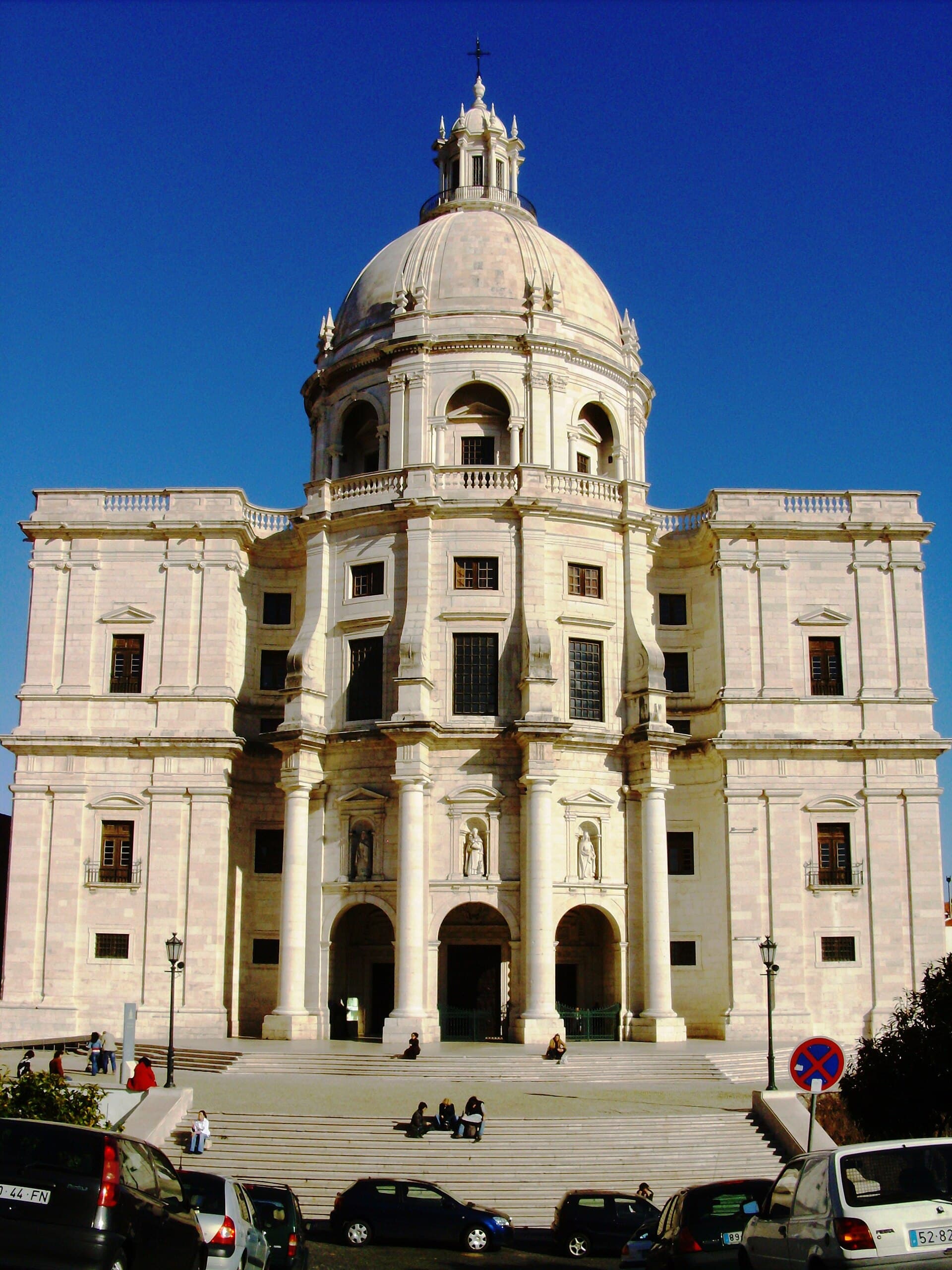 The National PantheonThe Pantheon is Lisbon's white dome over Alfama: the church of Santa Engrácia wh9 minutes walk4.4
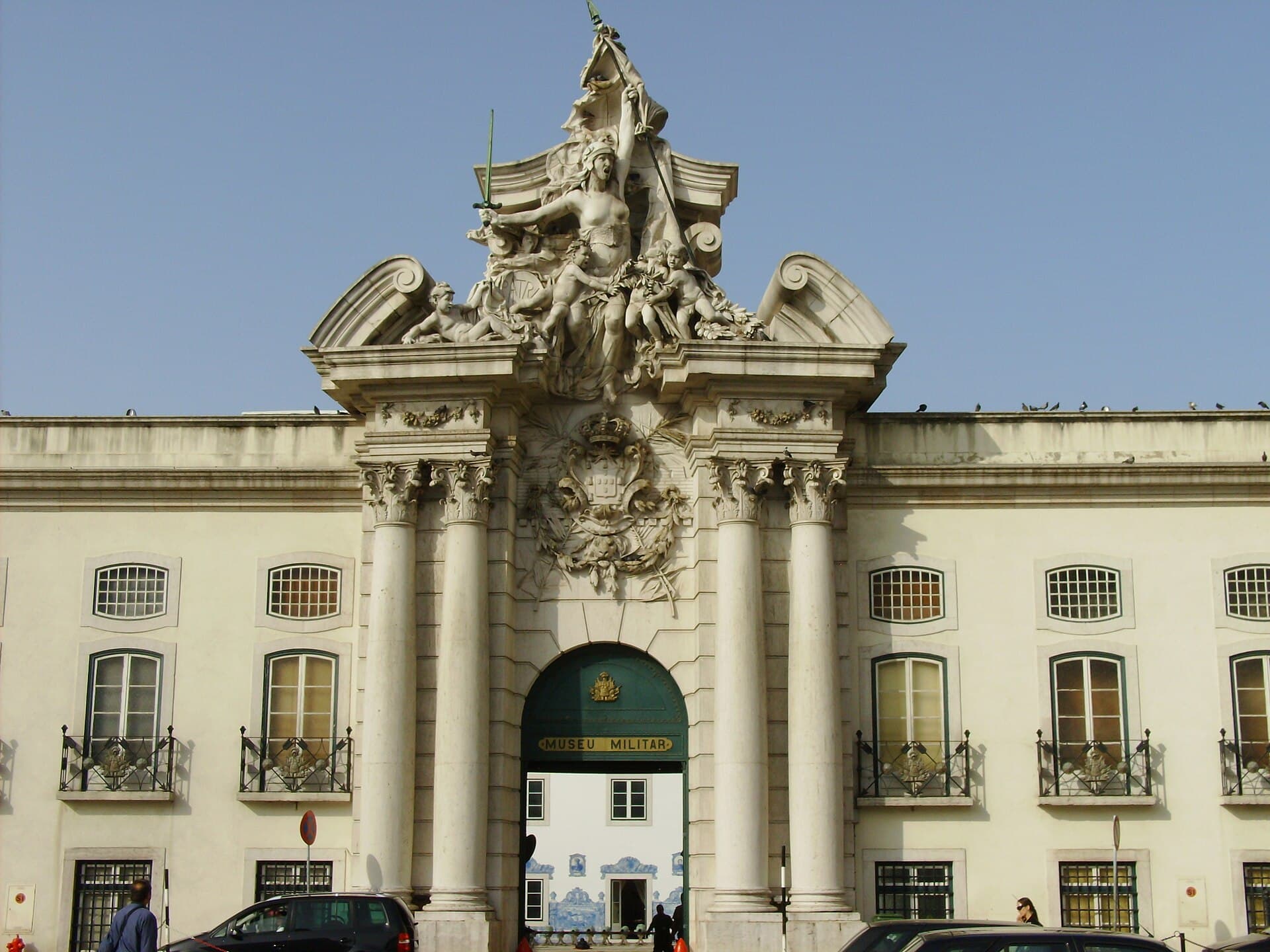 Military Museum of LisbonA military museum in a building that served as an artillery foundry and arsenal 10 minutes walk4.7
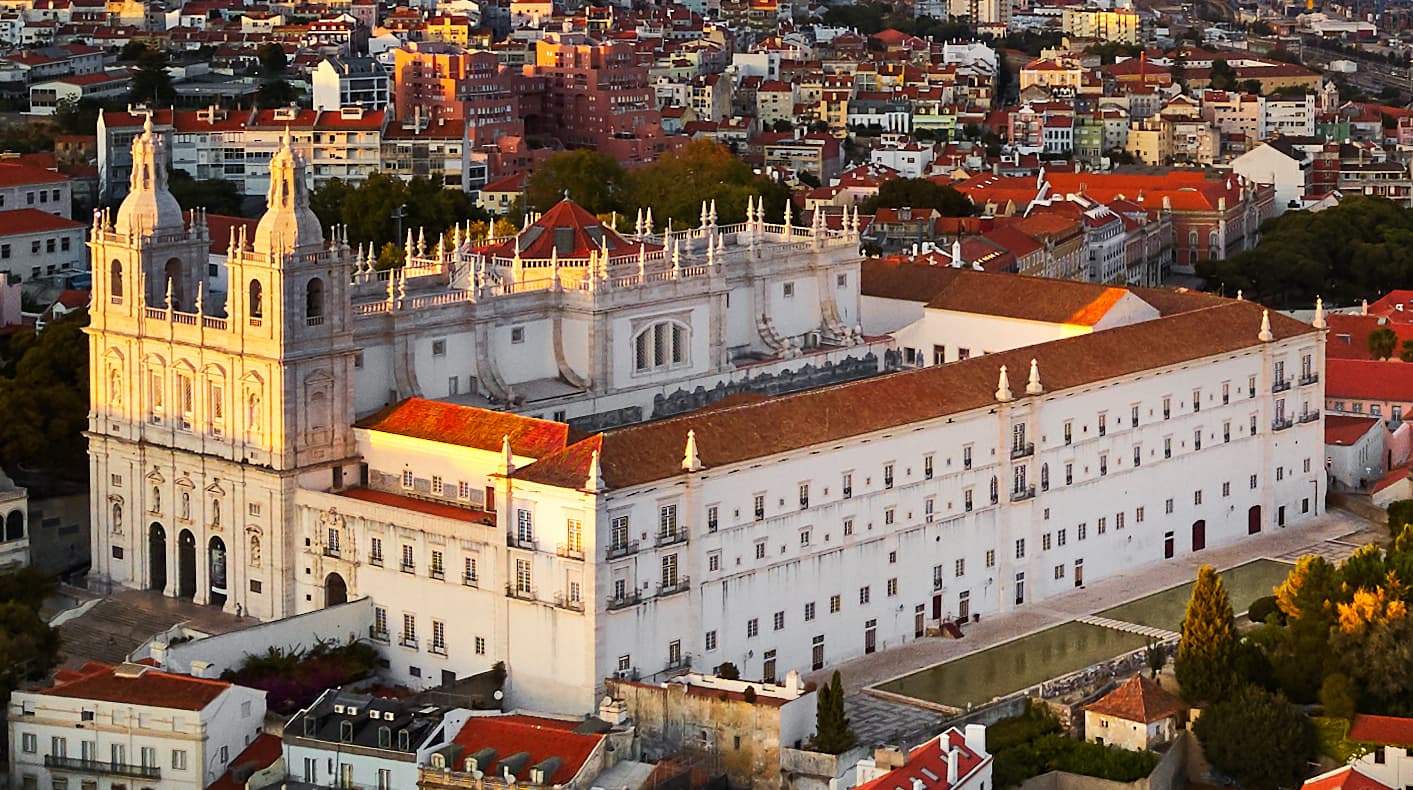 Monastery of São Vicente de ForaA late sixteenth-century monastery and church east of the Alfama, among the larg11 minutes walk4.8
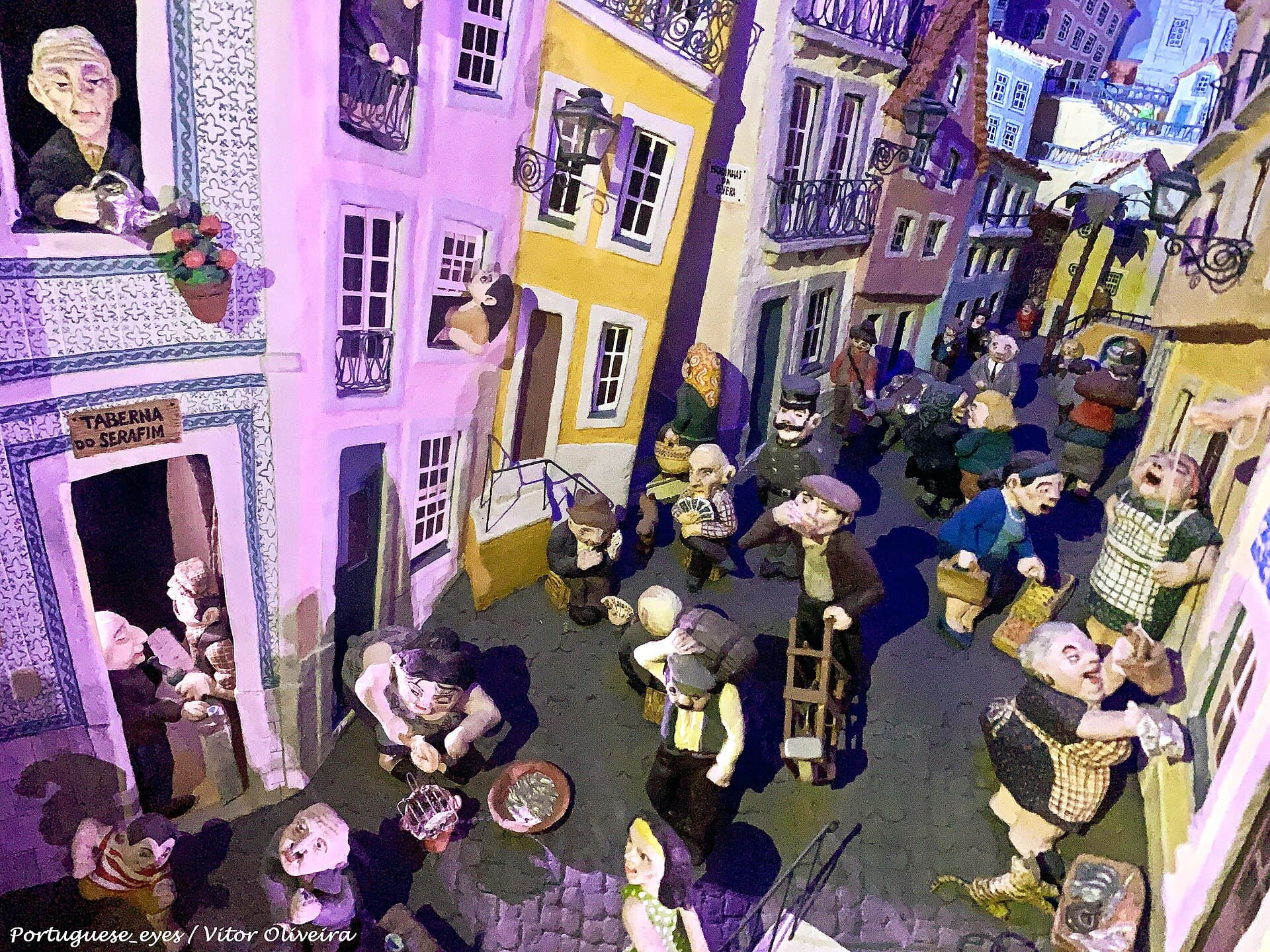 Fado MuseumA museum devoted to fado, the singing style that emerged in Lisbon in the ninete15 minutes walk4.5
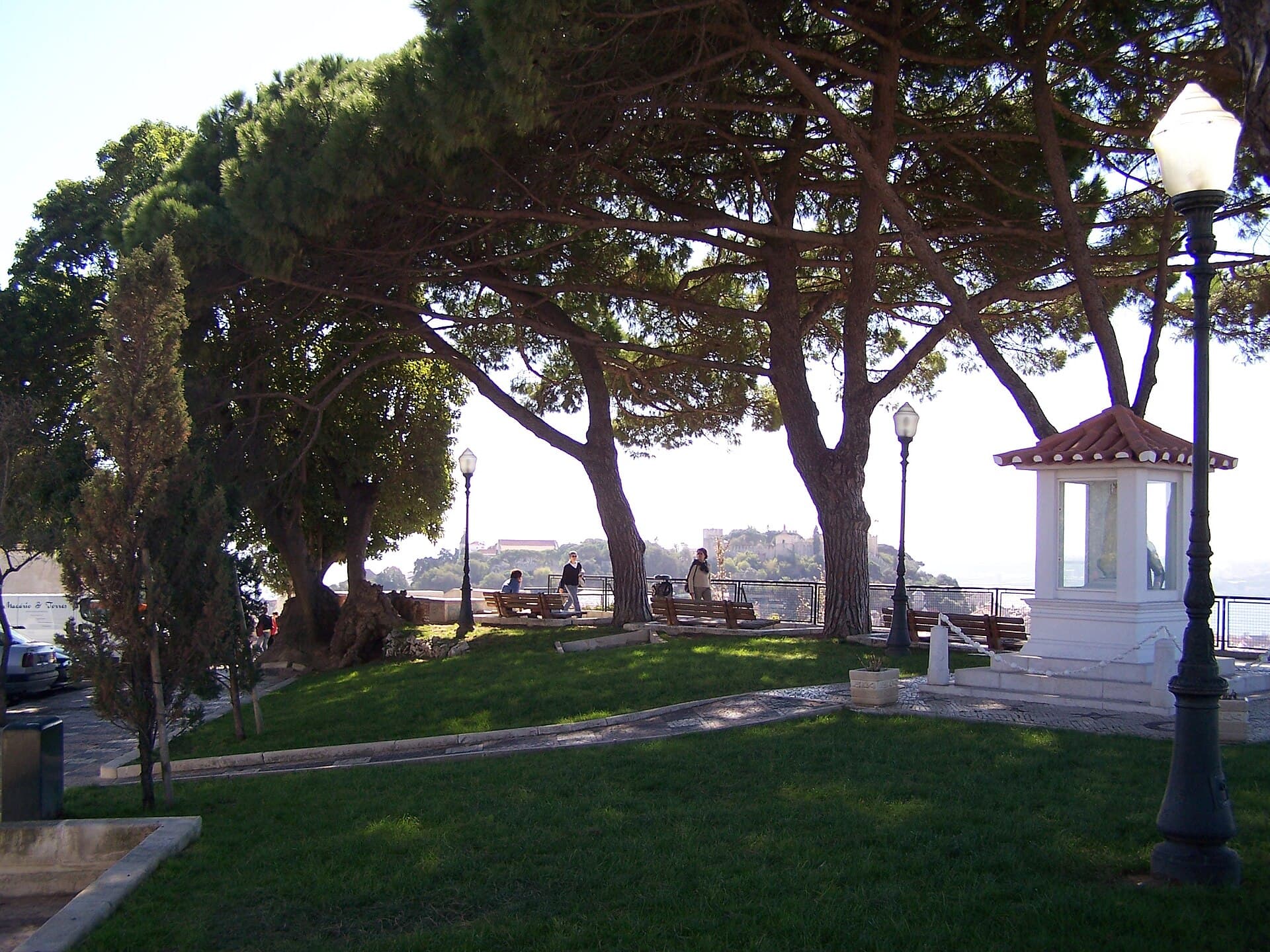 Miradouro da Senhora do MonteThe highest viewing terrace in Lisbon, in the Graça district north of Alfama. Th15 minutes walk4.9
The steam pumping station if engineering interests you, or the Mãe d'Água reservoir if you want the more striking architectural space — a vast vaulted hall underground. The reservoir is closer to the city centre.
The Águas Livres arcade opens for walking across at certain periods, and it is a striking experience because it stands high above the Alcântara valley. The hours are seasonal and limited and may be suspended, so check before building your day around it.