
The audio guide
It gives you the recordings with their context, so you understand rather than just hear.
Vitor Oliveira from Torres Vedras, PORTUGAL — CC BY-SA 2.0 · Vitor Oliveira from Torres Vedras, PORTUGAL — CC BY-SA 2.0 · Vitor Oliveira from Torres Vedras, PORTUGAL — CC BY-SA 2.0 · Vitor Oliveira from Torres Vedras, PORTUGAL — CC BY-SA 2.0
A museum devoted to fado, the singing style that emerged in Lisbon in the nineteenth century and is inscribed on the UNESCO list of intangible cultural heritage. Fado is difficult for a foreign visitor: the words are Portuguese, the subject is usually longing, loss and the sea, and the performance rests on something that does not translate easily. The museum solves that with an audio guide that gives you the recordings with their context, so you understand what you are hearing rather than hearing a beautiful sound with no meaning. It covers the style's history from its origins in Lisbon's poor quarters to its turn into national music, and addresses its uneasy relationship with the dictatorship, which used it and then constrained it. It also holds Portuguese guitars, a recording archive and sections on Amália Rodrigues, its most famous performer. The location is in the Alfama itself, the district where fado was born, so the visit completes with an evening at one of the nearby fado houses — and the museum helps you pick a serious venue rather than a tourist show.
It gives you the recordings with their context, so you understand rather than just hear.
The dictatorship used fado and then constrained it, and the museum does not avoid that.
Visit before hearing live fado, so you know how to pick a serious venue over a tourist show.
Largo do Chafariz de Dentro, Alfama, Lisbon
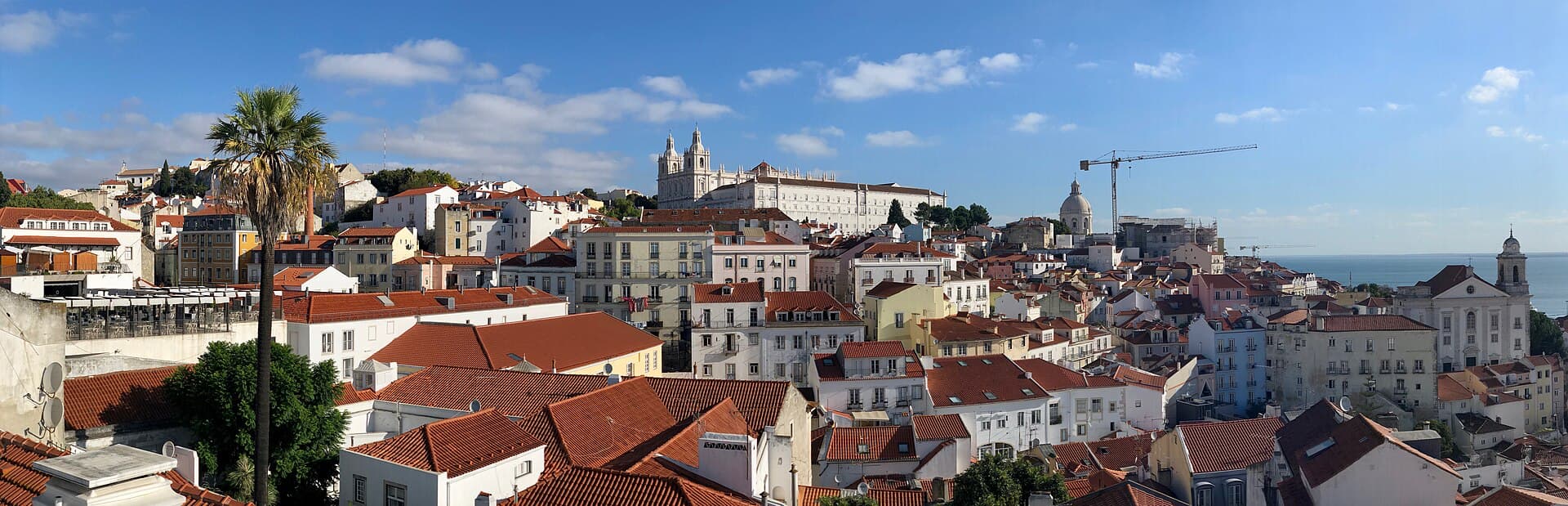 Miradouro das Portas do SolA viewing terrace on the edge of the Alfama, looking east over the roofs of the 3 minutes walk4.6
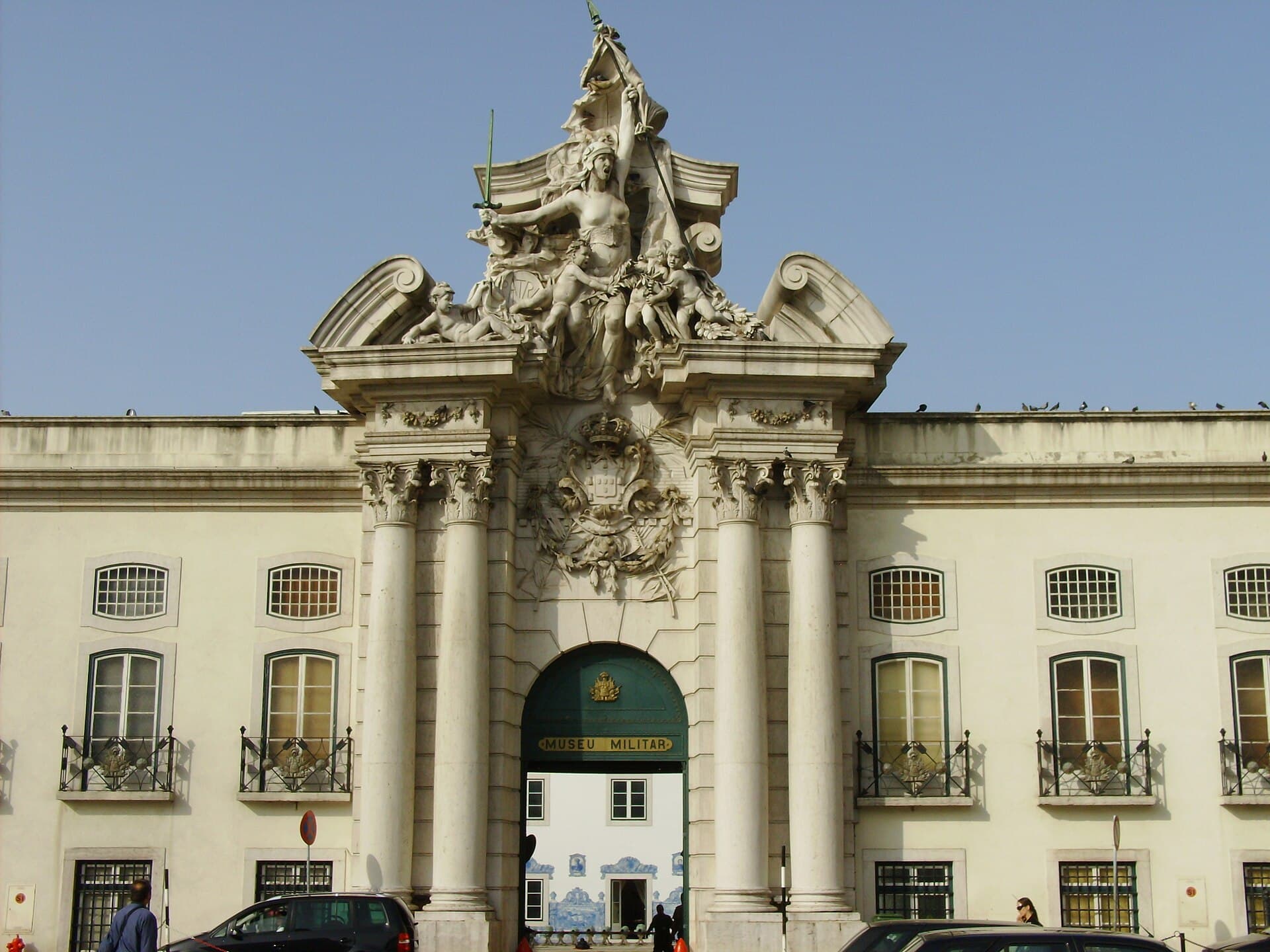 Military Museum of LisbonA military museum in a building that served as an artillery foundry and arsenal 5 minutes walk4.7
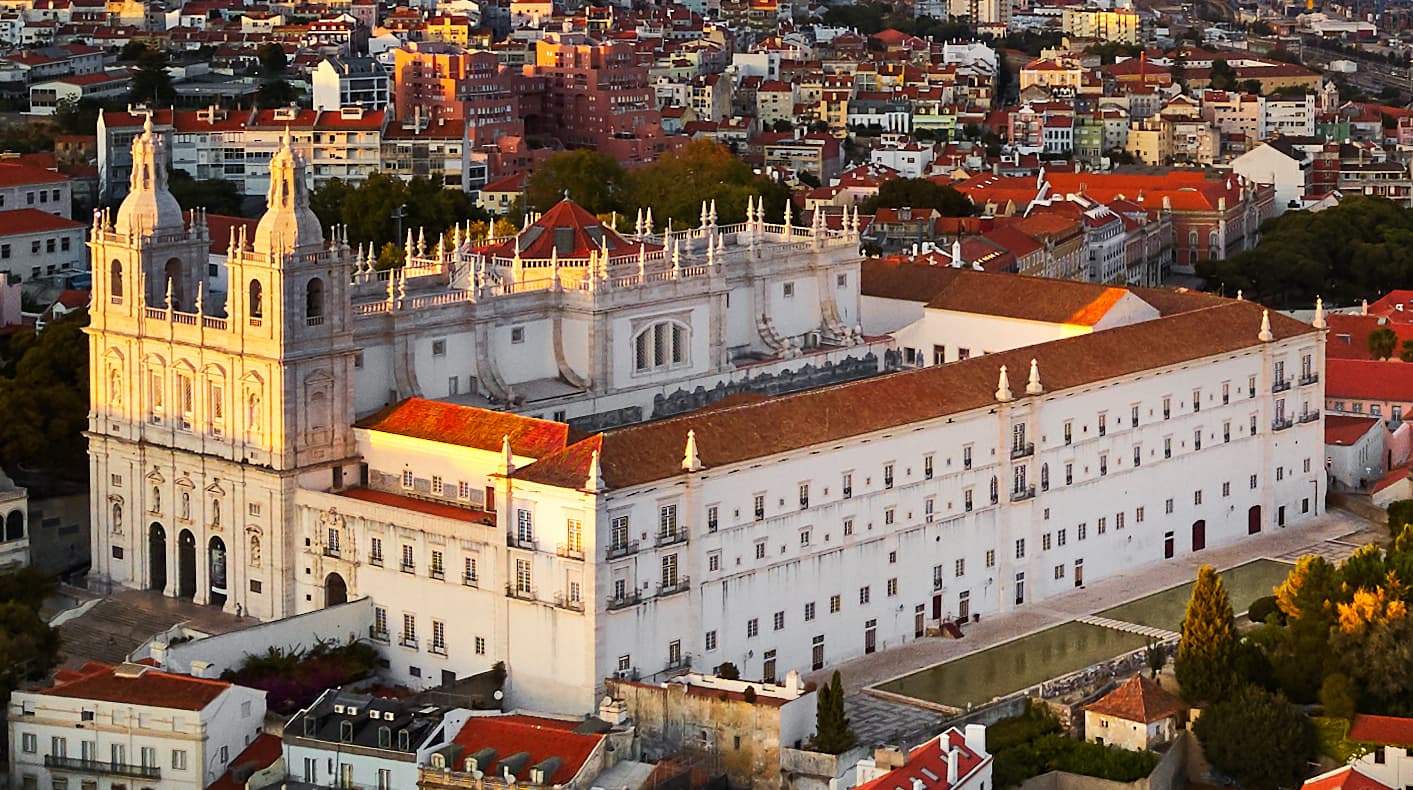 Monastery of São Vicente de ForaA late sixteenth-century monastery and church east of the Alfama, among the larg5 minutes walk4.8
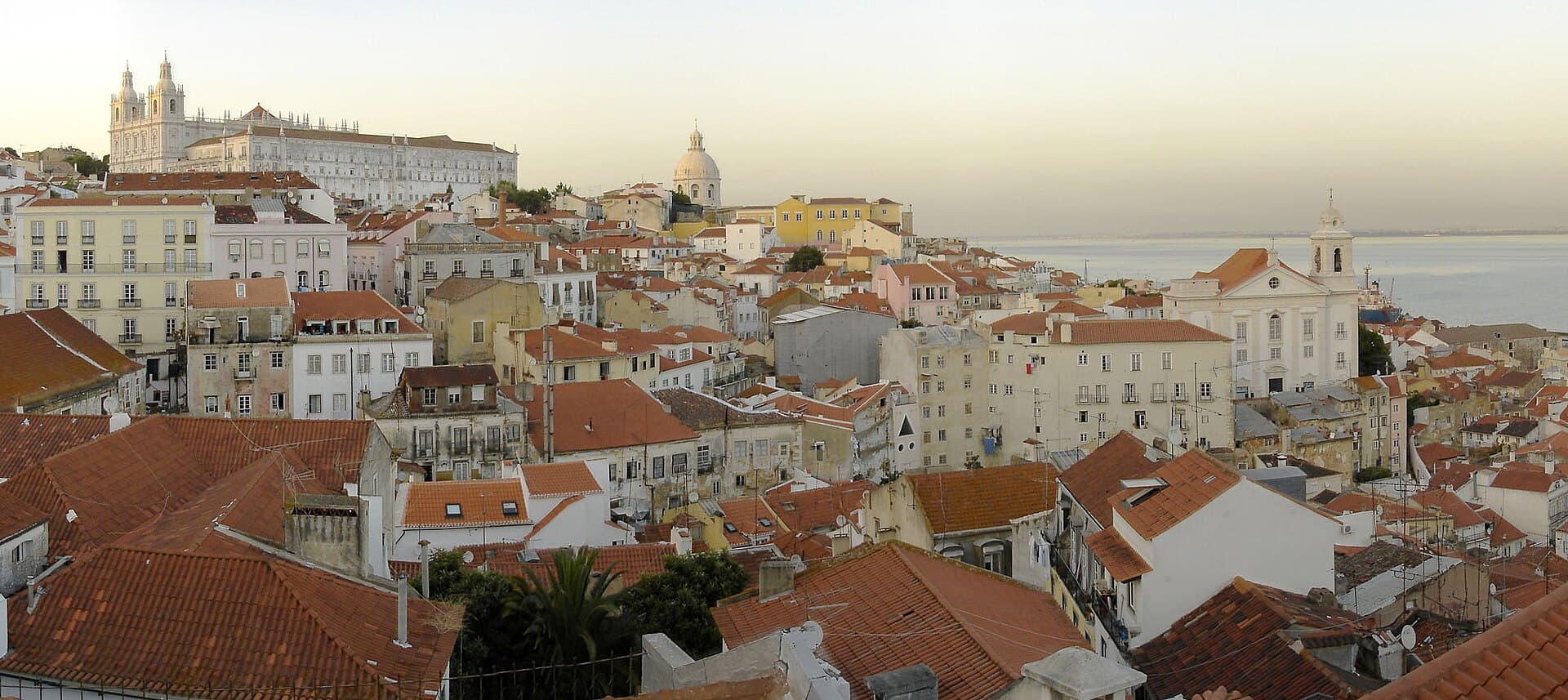 Alfama & its MiradourosAlfama is Lisbon's oldest soul: the quarter that survived the 1755 quake keeping5 minutes walk4.5
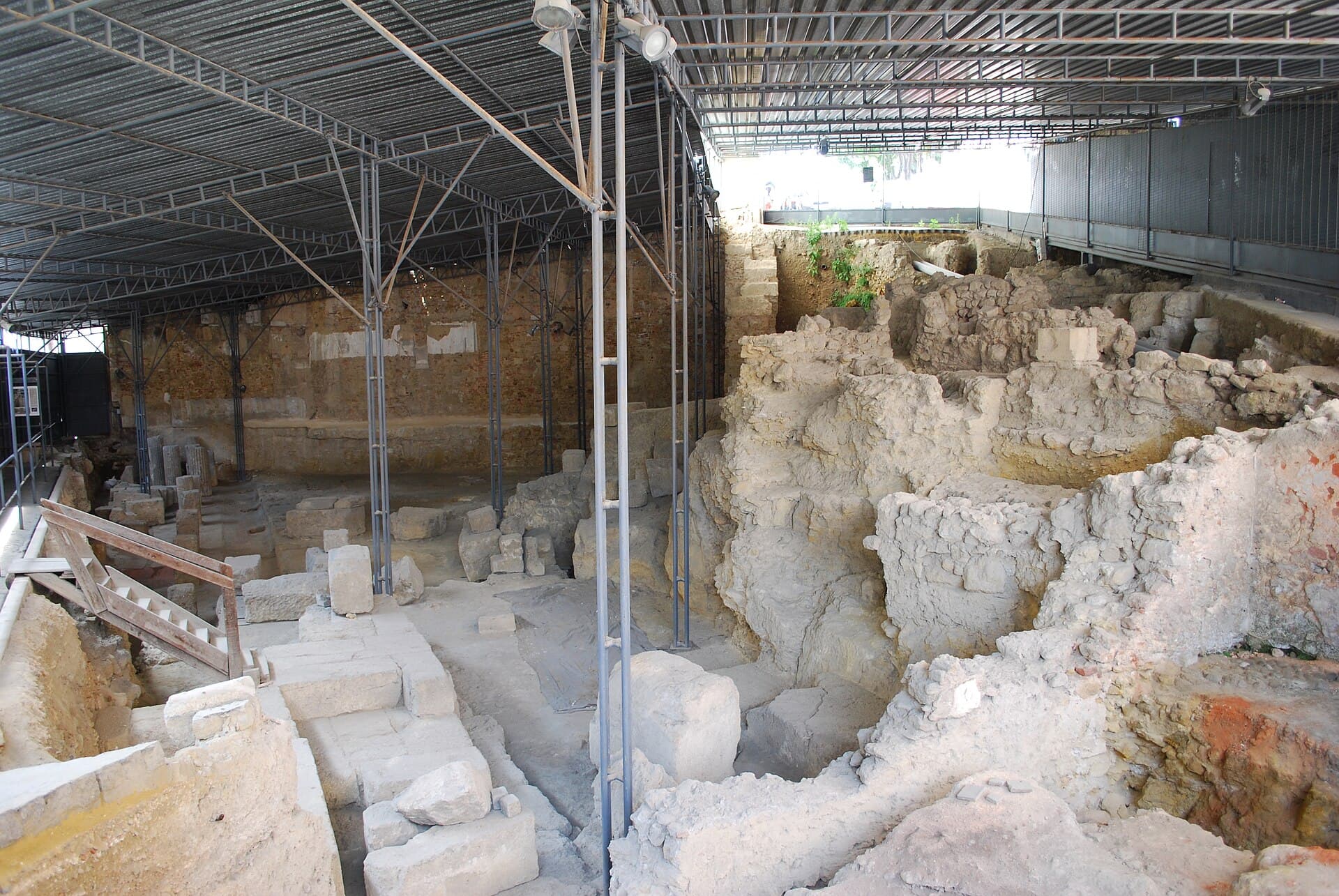 Roman Theatre MuseumA museum built around the remains of a first-century Roman theatre, on the slope5 minutes walk4.3
The Alfama and Bairro Alto have many fado houses and they vary a great deal: some are short shows for tourists at high prices, others are serious rooms where professional singers perform for a local audience. The museum itself is a good place to ask for a recommendation, and the general rule is to avoid anyone handing out flyers in the street.
No. The audio guide explains the words and the context in English, which is exactly what makes the museum useful for non-speakers. Without it you would hear beautiful music without knowing what it is about.