
La Fontaine in tile
An azulejo series entirely unexpected in a monastery, and among the building's best-known features.
Deensel — CC BY 2.0 · Berthold Werner — CC BY-SA 4.0 · Sonse — CC BY 2.0 · Øyvind Holmstad — CC BY-SA 4.0
A late sixteenth-century monastery and church east of the Alfama, among the largest religious buildings in Lisbon and one of the few that came through the 1755 earthquake with limited damage. Its best-known feature is the azulejos: blue and white tile panels covering the inner cloisters across enormous areas. Among them is a series depicting La Fontaine's fables, entirely unexpected in a monastery, and another on the conquest of Lisbon in 1147. These are among the most important azulejo collections in Portugal. The building also holds the Braganza royal pantheon, where Portugal's monarchs were buried until the end of the monarchy, and a roof you can climb for a wide view over the Alfama and the Tagus. It stands beside the Feira da Ladra market, held on Tuesdays and Saturdays, so the two combine. Despite its importance the place is far quieter than the churches of the centre.
An azulejo series entirely unexpected in a monastery, and among the building's best-known features.
Portugal's monarchs are buried here up to the end of the monarchy.
A wide view over the Alfama and the Tagus from above the monastery.
Largo de São Vicente, east of the Alfama, Lisbon
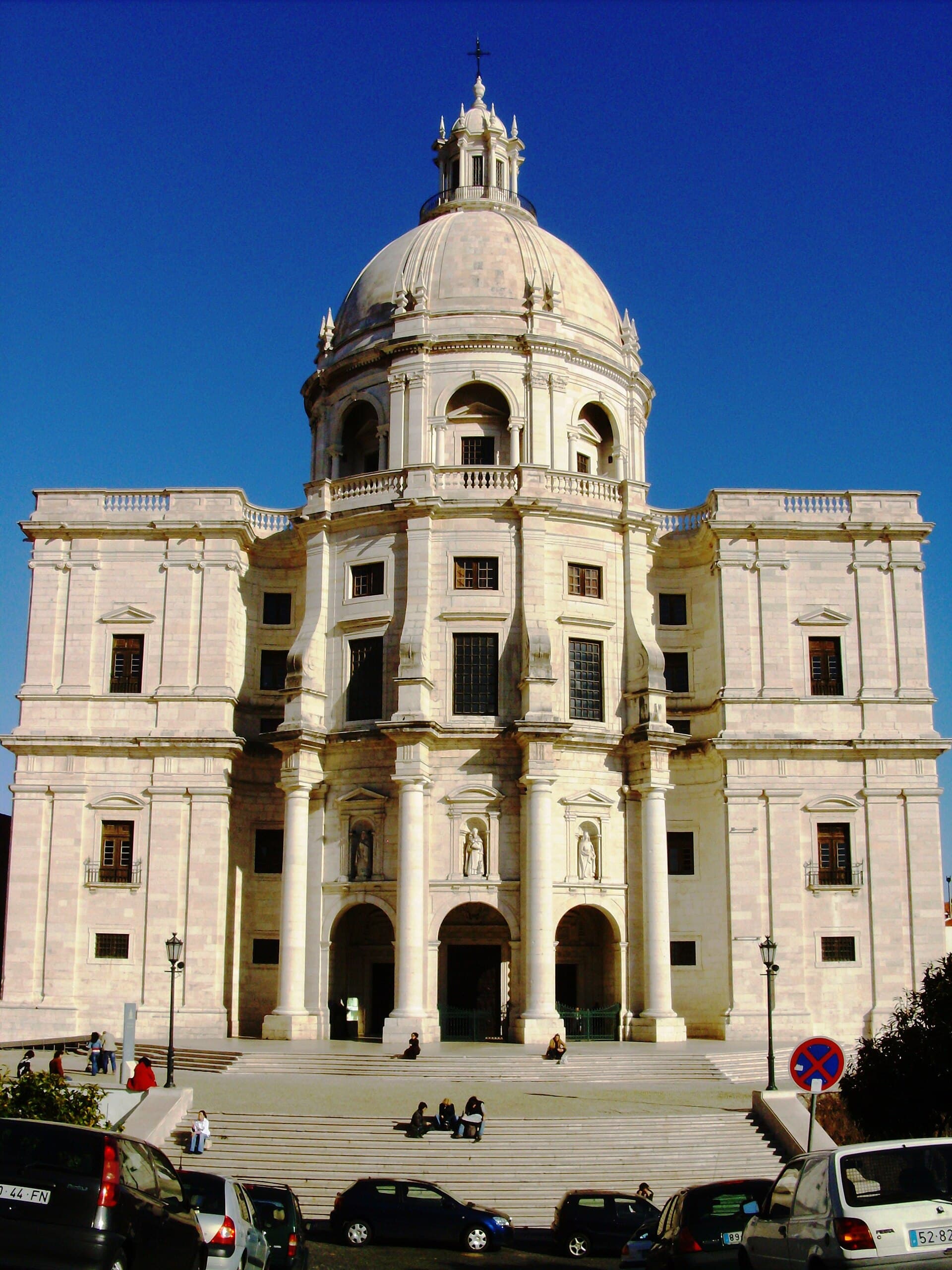 The National PantheonThe Pantheon is Lisbon's white dome over Alfama: the church of Santa Engrácia wh3 minutes walk4.4
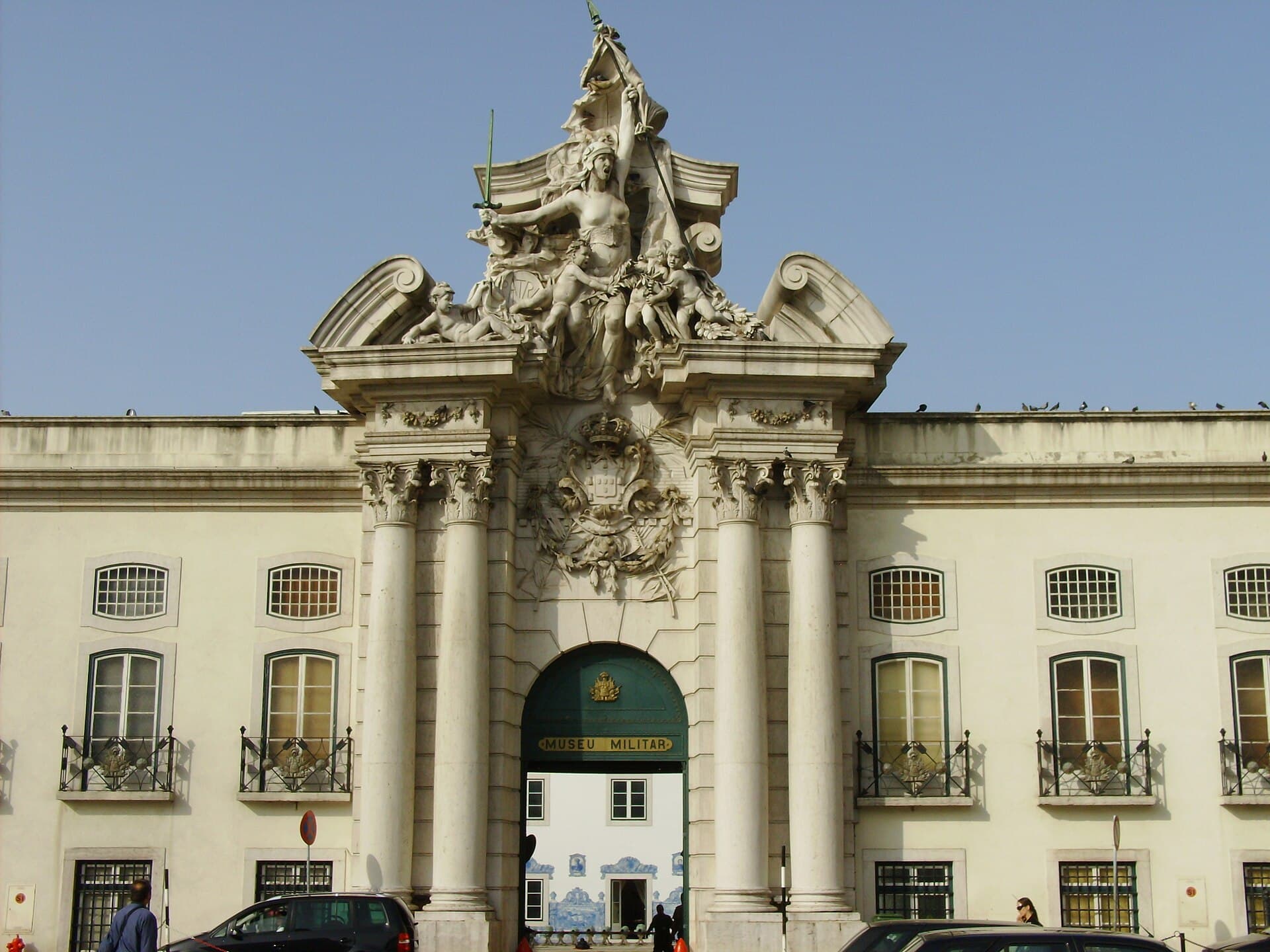 Military Museum of LisbonA military museum in a building that served as an artillery foundry and arsenal 4 minutes walk4.7
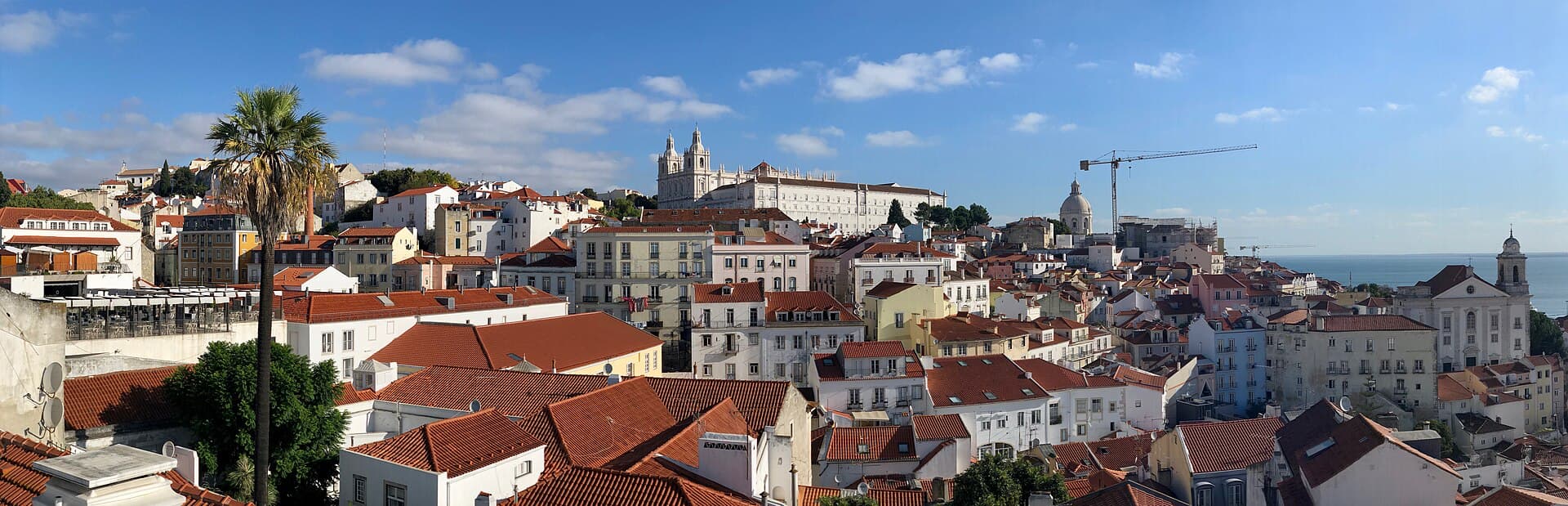 Miradouro das Portas do SolA viewing terrace on the edge of the Alfama, looking east over the roofs of the 5 minutes walk4.6
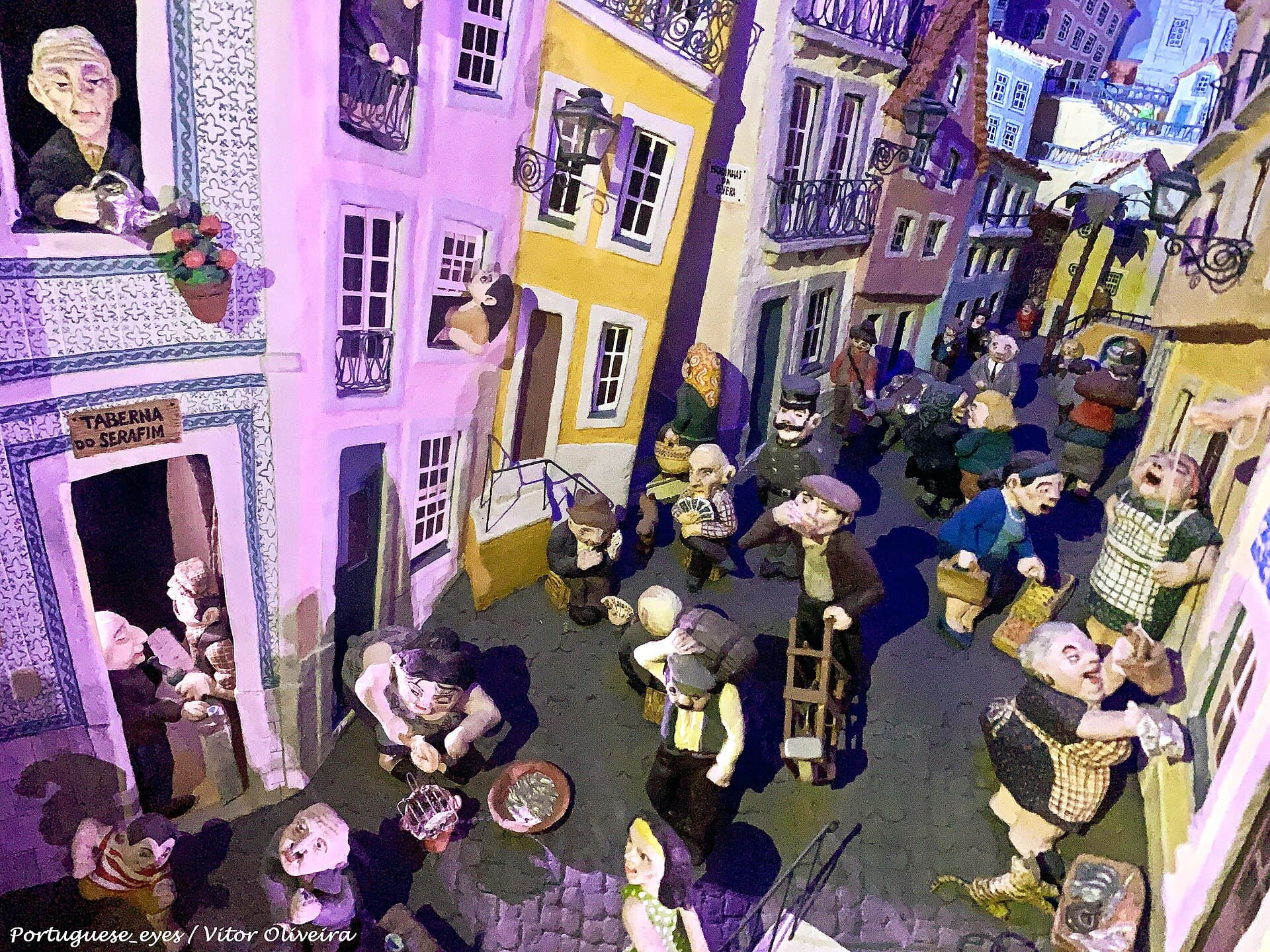 Fado MuseumA museum devoted to fado, the singing style that emerged in Lisbon in the ninete5 minutes walk4.5
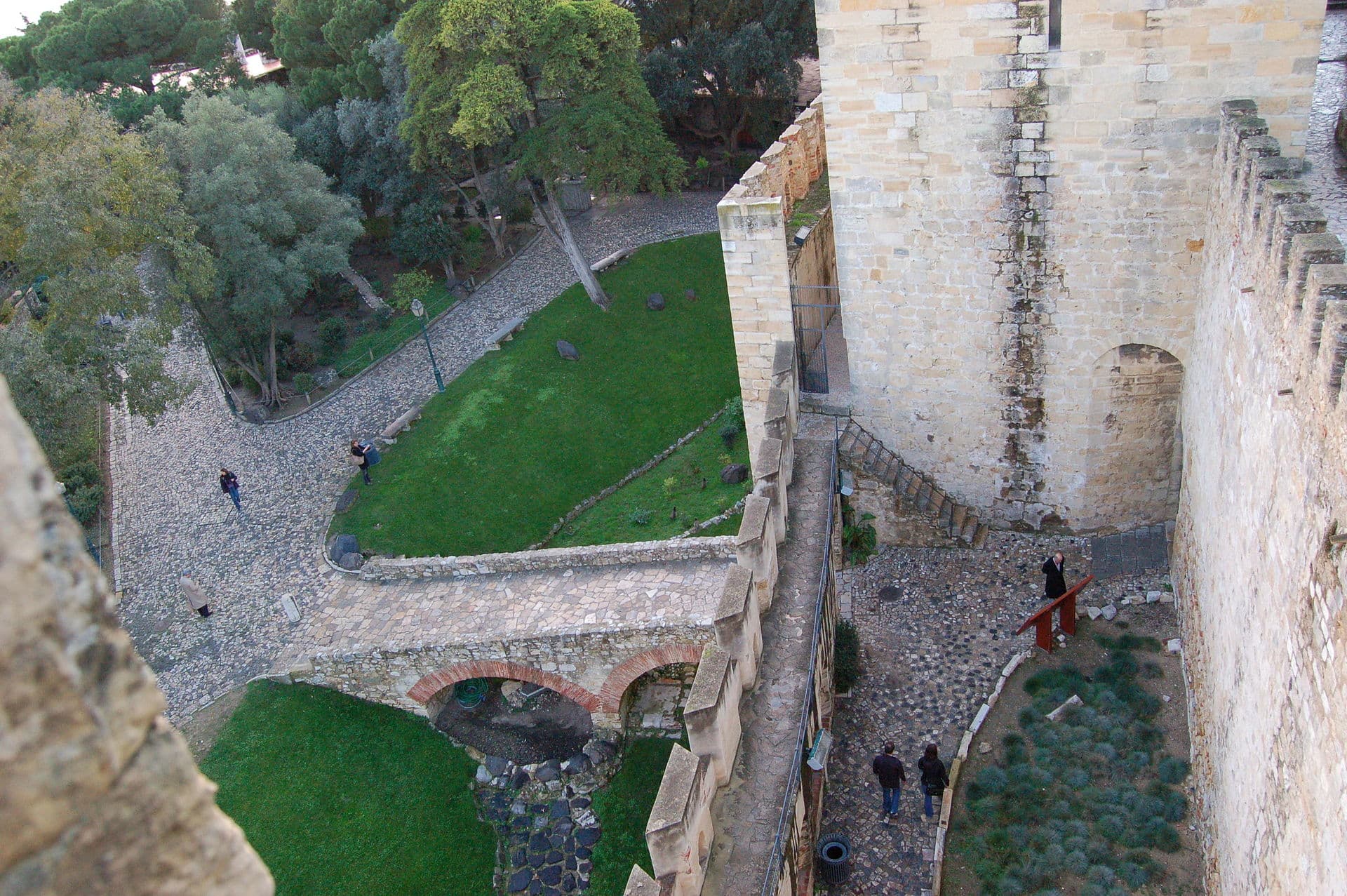 São Jorge CastleSão Jorge Castle is Lisbon's crown and origin: on its highest hill the Almoravid6 minutes walk4.4
Glazed tile panels, usually blue and white, a core element of Portuguese architecture for centuries. They are used inside buildings and on facades, and sometimes tell whole stories across sequential panels as they do here. The name comes from the Arabic word for glazed tile.
Tuesday or Saturday if you want to combine it with the Feira da Ladra market beside it. Otherwise any day it opens; the place is generally quiet compared with the churches of the centre.