
Amália's tomb
Fado's queen — forever the most flowered.
Carlos Luis M C da Cruz — Public domain · NorbertNagel — CC BY-SA 4.0 · NorbertNagel — CC BY-SA 4.0 · NorbertNagel — CC BY-SA 4.0
The Pantheon is Lisbon's white dome over Alfama: the church of Santa Engrácia whose building took 284 years (1682-1966) until Santa Engrácia's works became the Portuguese proverb for the never-finished — then consecrated as the nation's Pantheon. Inside is solemn coloured-marble baroque on a Greek-cross plan rare in Portugal — holding the tombs of Amália Rodrigues, queen of fado (always the most flowered), of presidents and writers, with symbolic cenotaphs for da Gama, Henry and Camões who lie at Jerónimos. The summit is the dome terrace: lift then stairs opening the widest eastern panorama — all Alfama and the river — and calmer than the castle's terraces by an obscene margin. Tuesdays and Saturdays the venerable Thieves' Market (Feira da Ladra) carpets its square: the perfect morning pair.
Fado's queen — forever the most flowered.
Alfama and river without the castle's crush.
Campo de Santa Clara, 1100-471 Lisbon
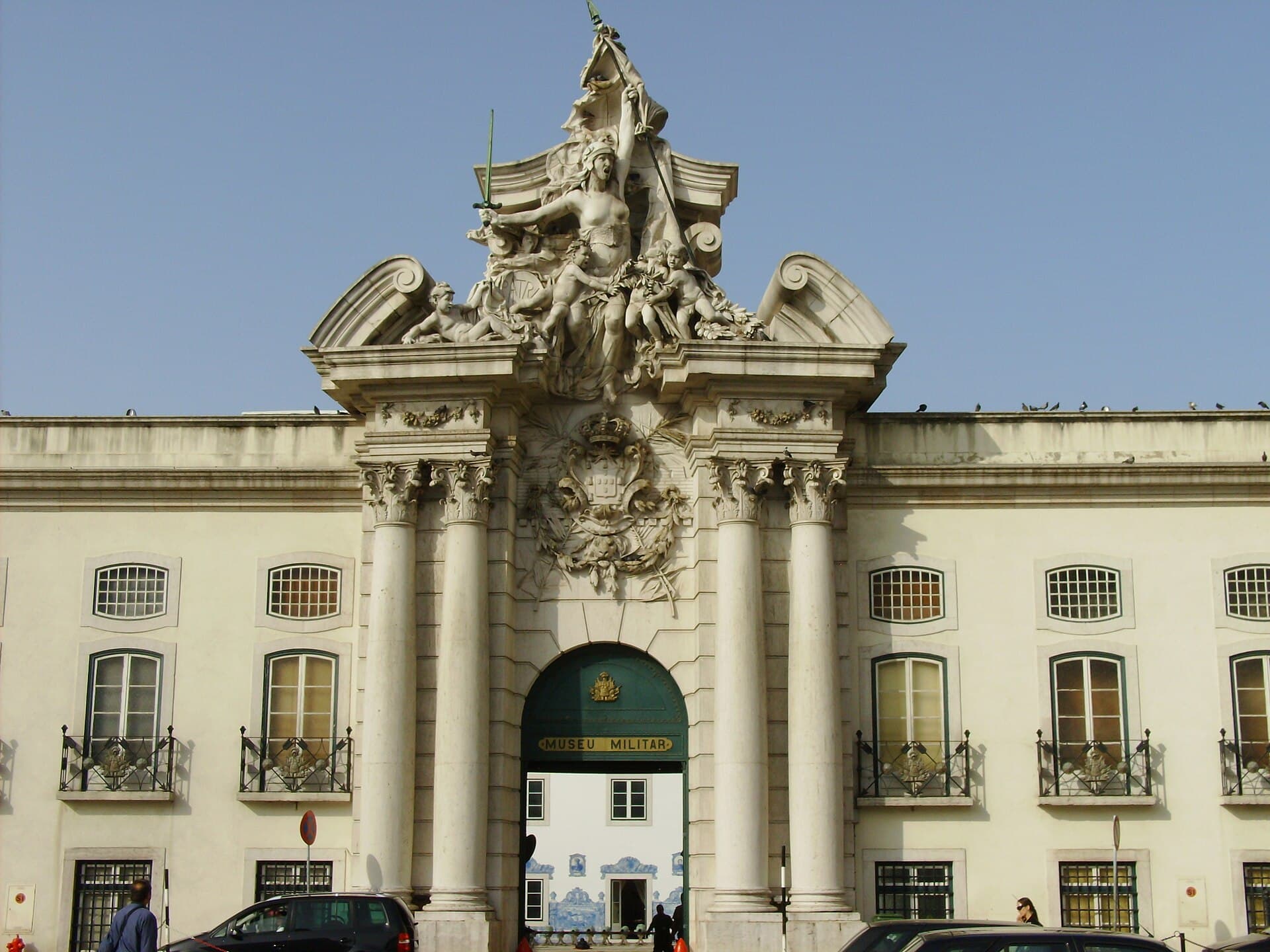 Military Museum of LisbonA military museum in a building that served as an artillery foundry and arsenal 3 minutes walk4.7
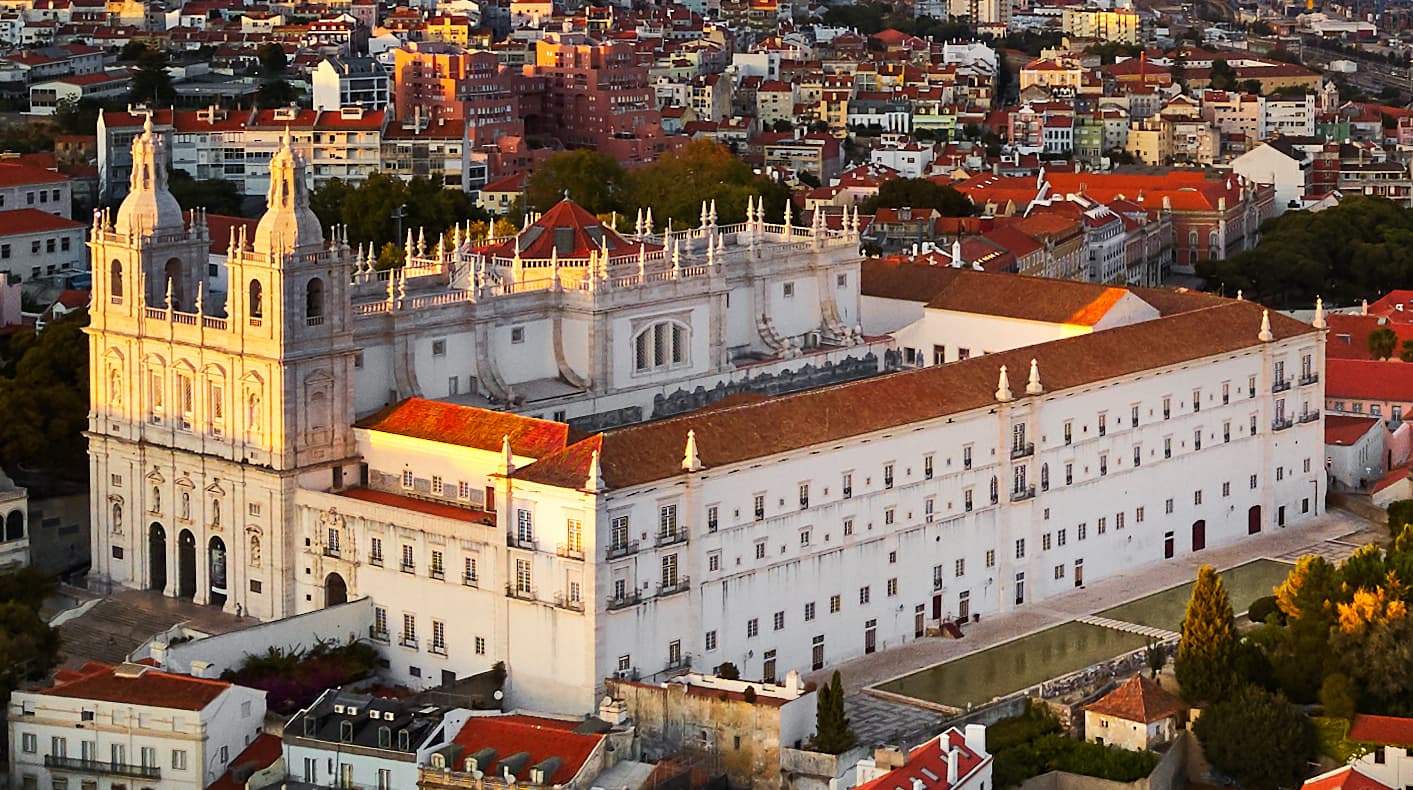 Monastery of São Vicente de ForaA late sixteenth-century monastery and church east of the Alfama, among the larg3 minutes walk4.8
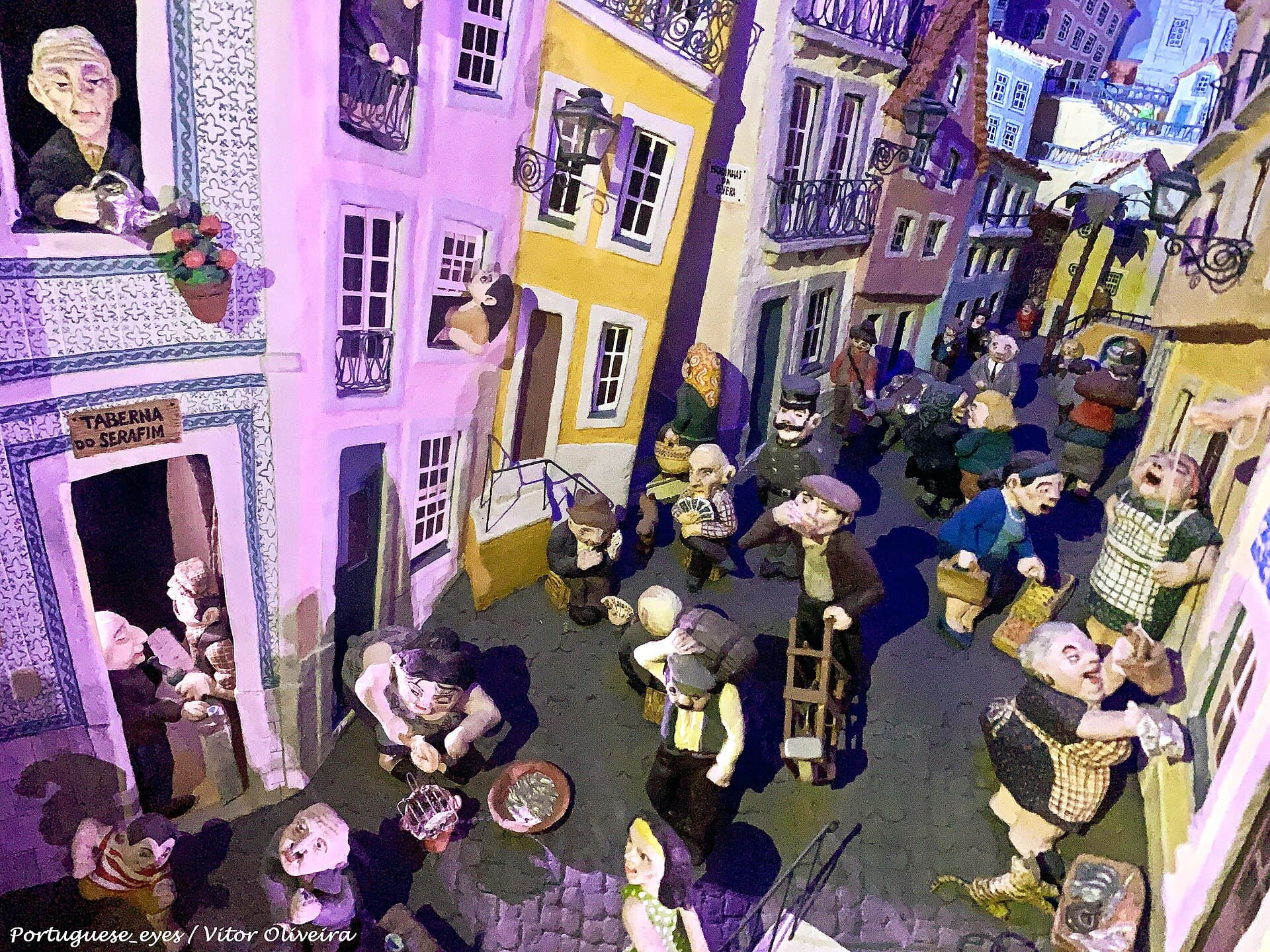 Fado MuseumA museum devoted to fado, the singing style that emerged in Lisbon in the ninete6 minutes walk4.5
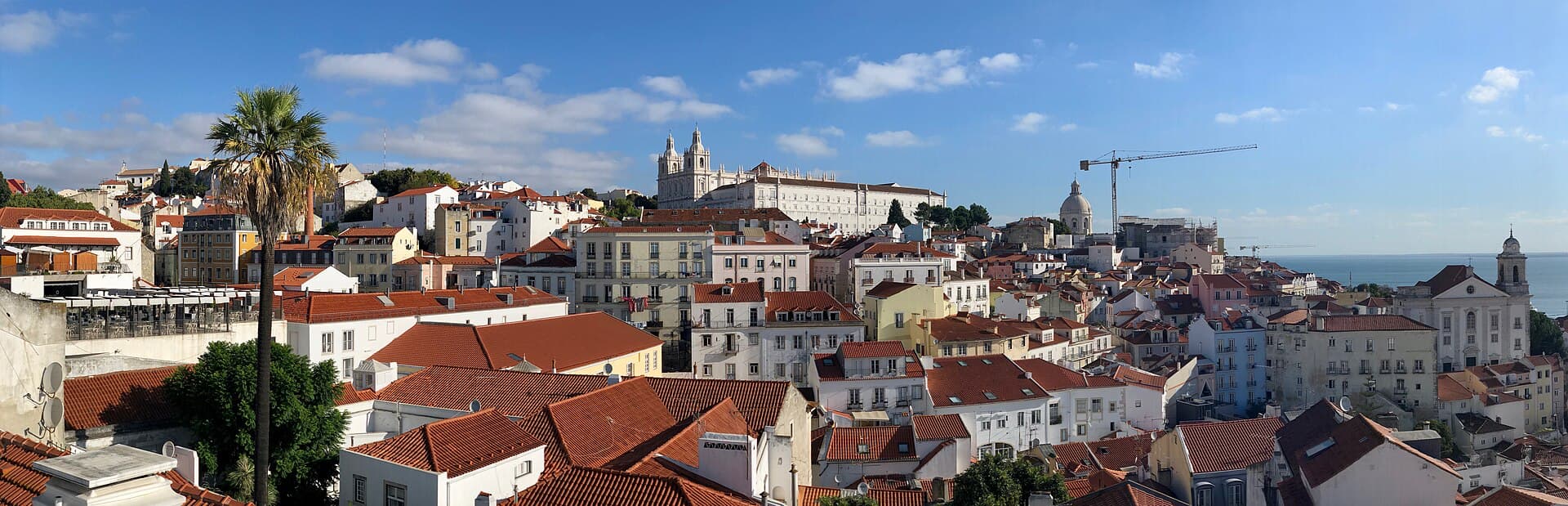 Miradouro das Portas do SolA viewing terrace on the edge of the Alfama, looking east over the roofs of the 7 minutes walk4.6
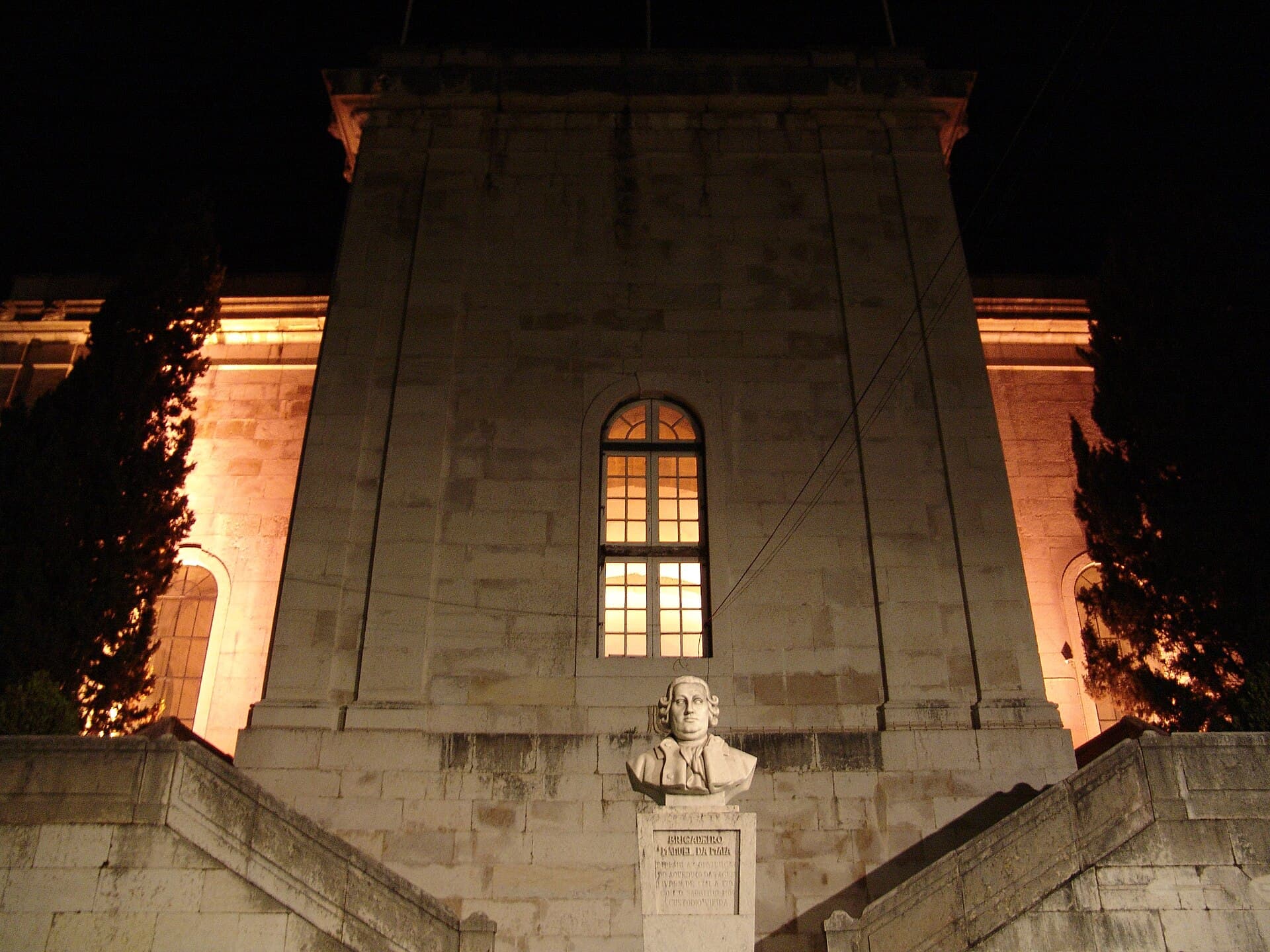 Water MuseumA museum about how Lisbon got its water, in a nineteenth-century steam pumping s9 minutes walk4.4
Lisbon's oldest market (recorded since the 13th century): stalls of everything — old azulejo, silver, brass, books, vinyl, household oddities — the name from historically dubious provenance. Haggle gently and come early for the real pieces: nine to ten is its gold — the Pantheon above as the noon rest.