
Eminescu's drafts
The national poet's papers in his own hand.
The National Museum of Romanian Literature gathers the manuscripts, letters, libraries and study furniture of Romanian writers, in a building in central Bucharest it moved to from its former home. The collection is large — tens of thousands of items — and covers Romanian literature from its earliest manuscripts to the twentieth century: drafts by Mihai Eminescu, the national poet; papers of Ion Luca Caragiale, the comic dramatist whose plays are still staged; and holdings of Tudor Arghezi and Liviu Rebreanu. Be honest with yourself before going: **this is a museum of text**, its value depends on prior knowledge of Romanian literature, and its labelling is mainly in Romanian. To anyone who does not read Romanian it will be a display of papers and desks. But it hosts readings and events, and the building is central. **Entry is nominal.**
The national poet's papers in his own hand.
Furniture and libraries moved as they stood.
Strada Nicolae Crețulescu 8, Bucharest
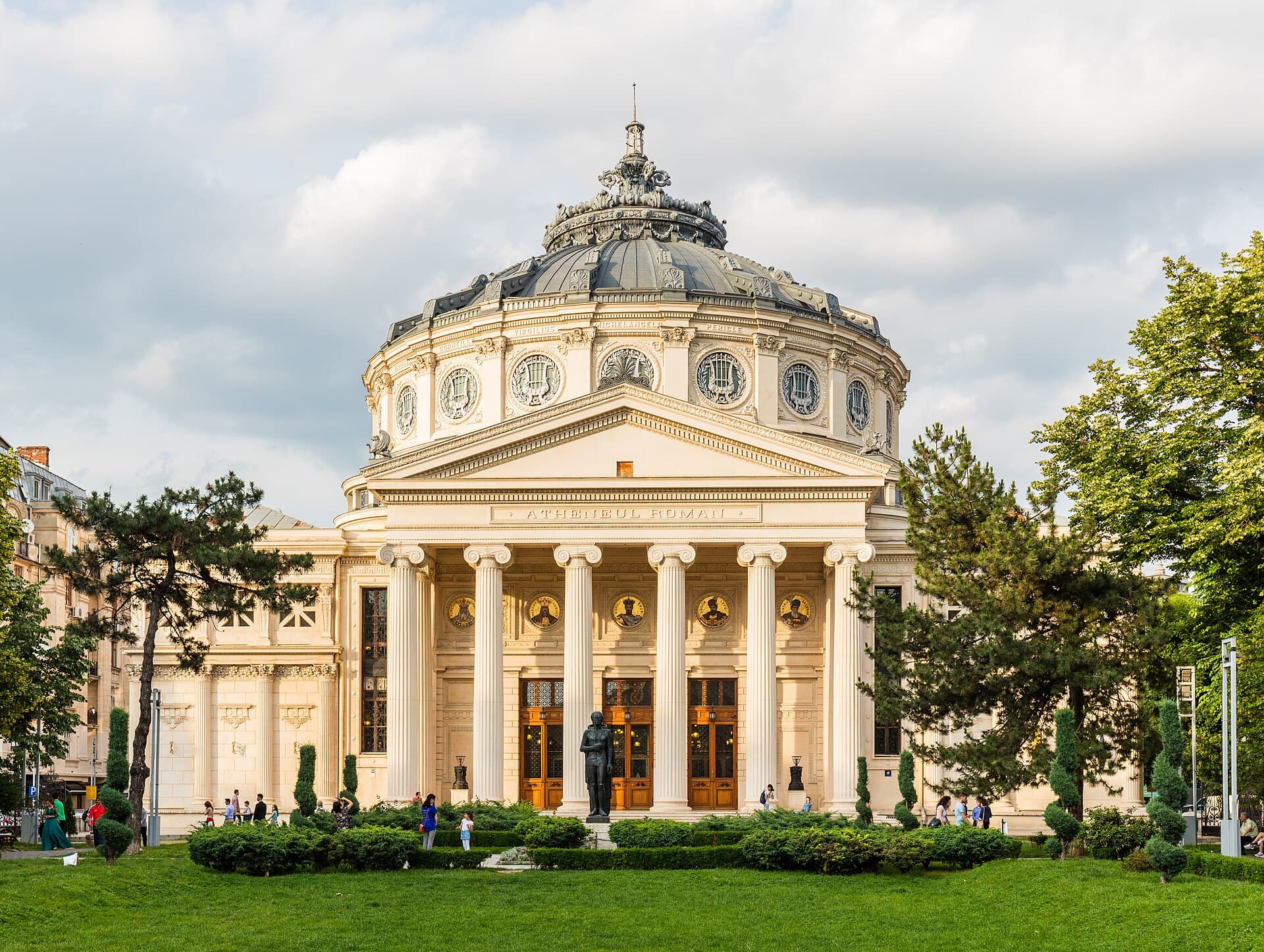 The Romanian AthenaeumBucharest's loveliest symbol: the Athenaeum is a round concert hall with a dome 2 minutes walk4.9
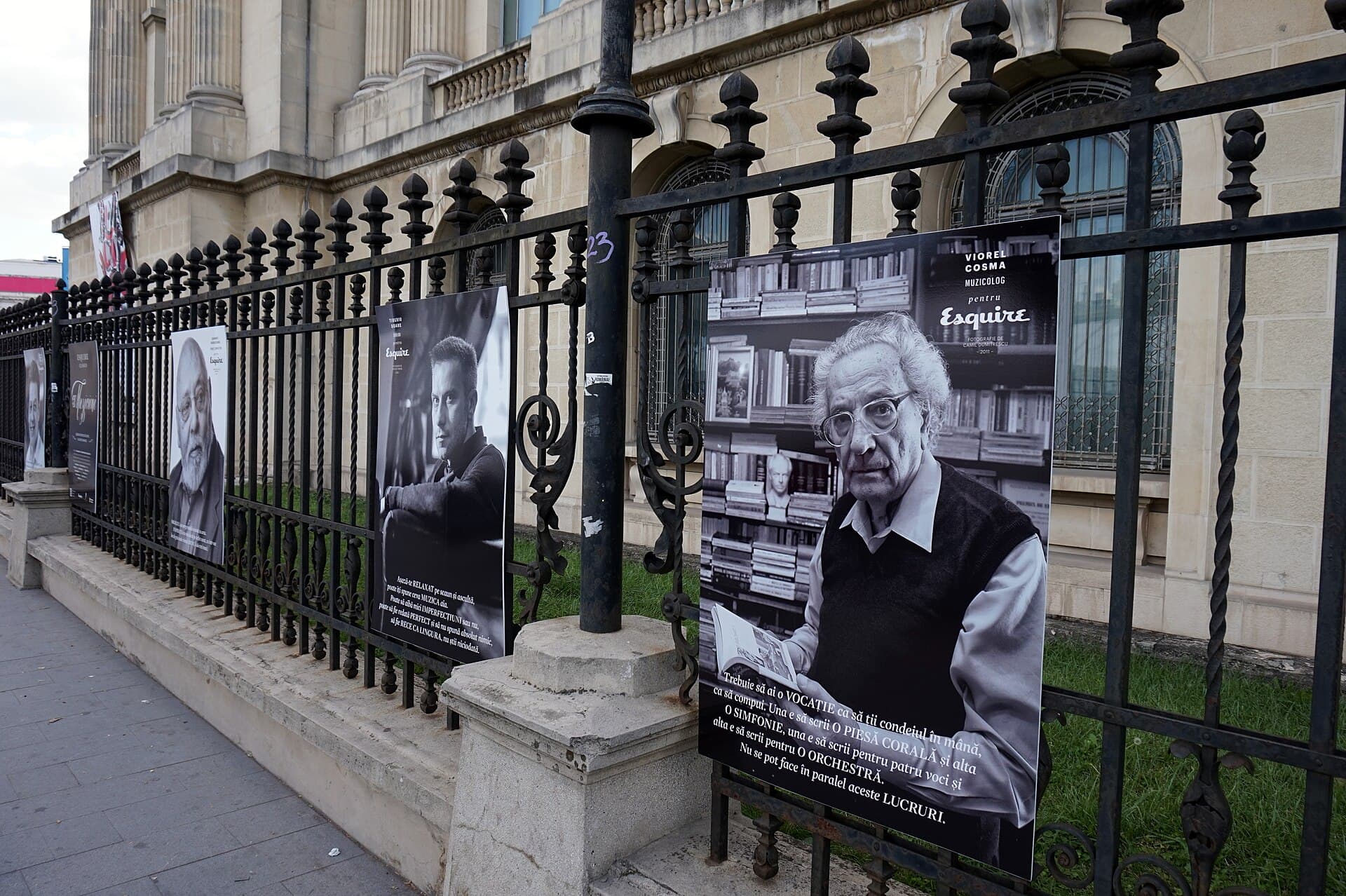 National Museum of Art of RomaniaThe royal palace itself: the National Museum of Art occupies the palace of Roman3 minutes walk4.5
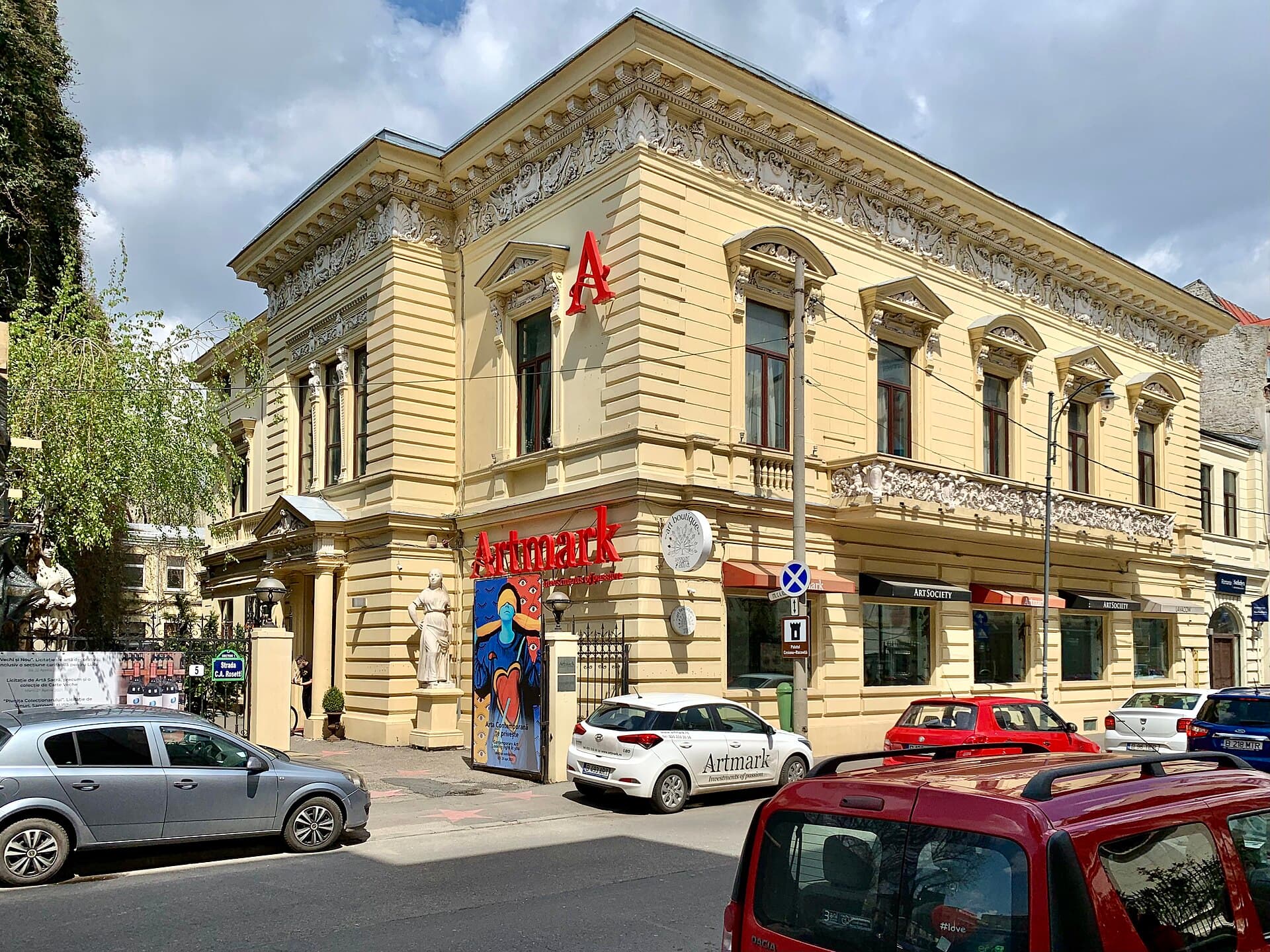 The Cesianu-Racoviță PalaceA late nineteenth-century town palace on Calea Victoriei, built by the Cesianu f4 minutes walk4.8
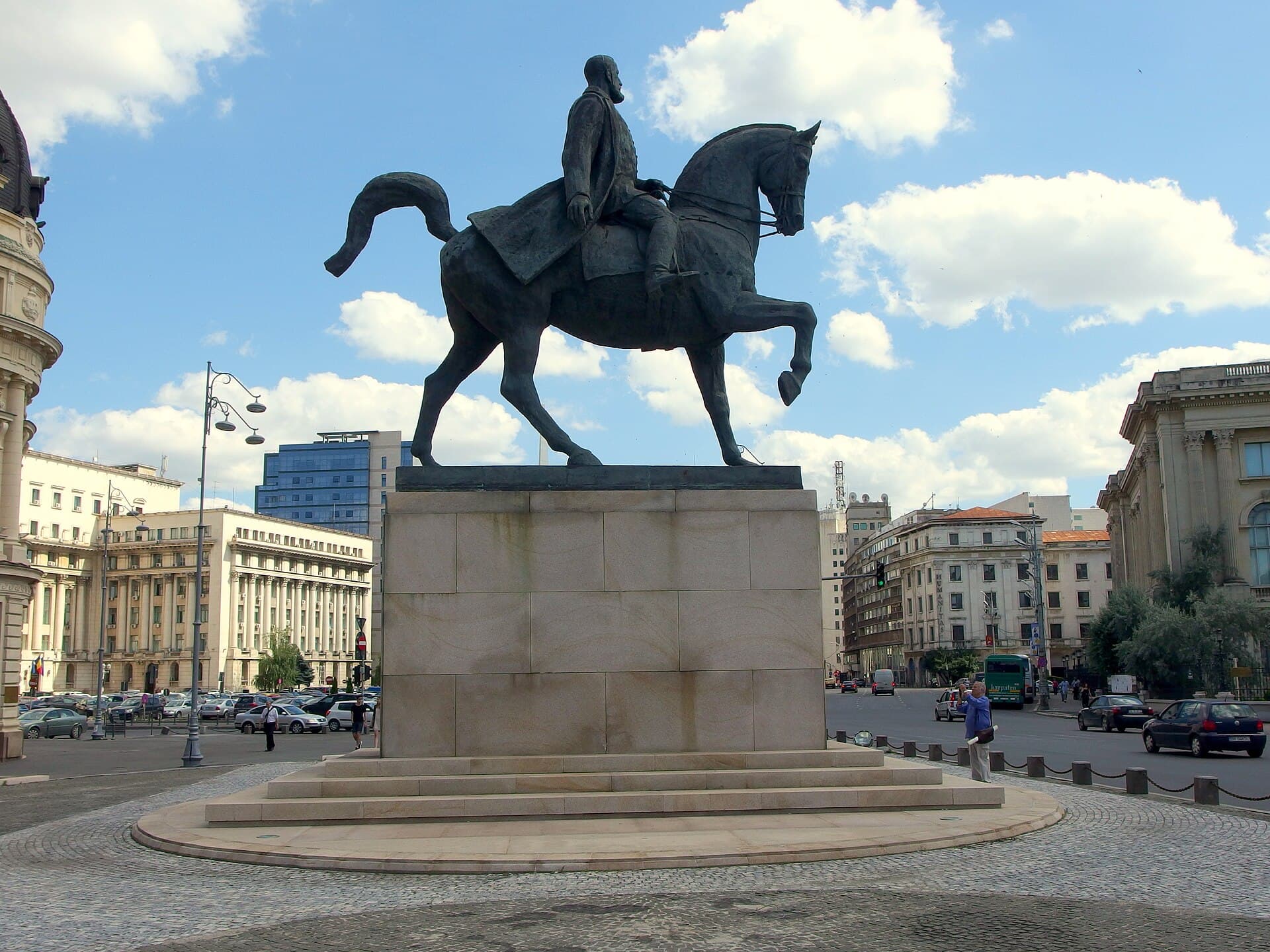 The Equestrian Statue of Carol IA bronze equestrian statue of Carol I, Romania's first king, in Revolution Squar4 minutes walk4.8
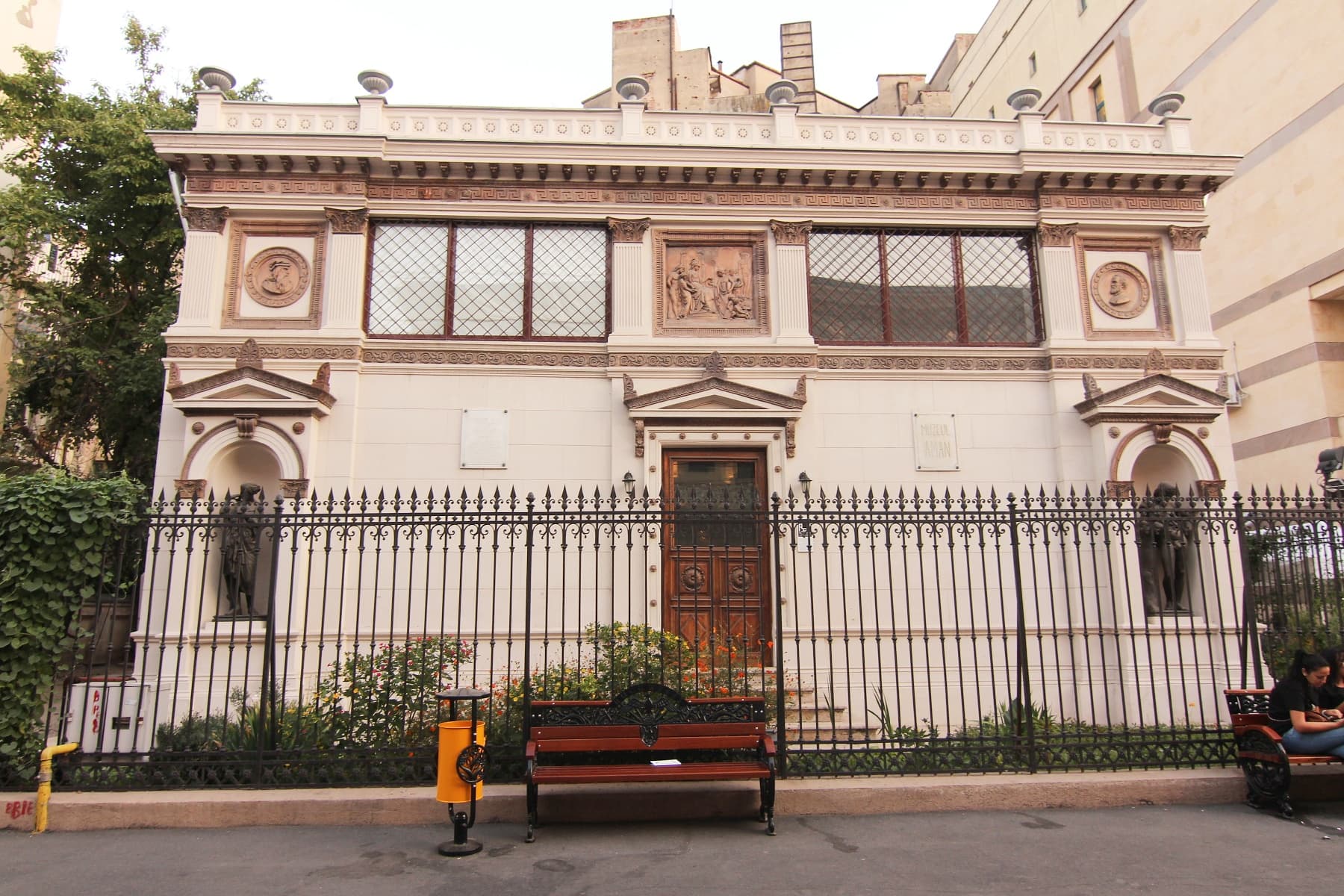 The Theodor Aman MuseumThe painter Theodor Aman's house in central Bucharest is Romania's first art mus4 minutes walk4.8
The Romanian national poet, who lived from 1850 to 1889 and died at thirty-nine. He wrote in the late Romantic manner, and his best-known poem is Luceafărul, the evening star, a long work about an immortal being who loves a mortal girl. His effect on the language is greater than his literary effect alone: his phrasing shaped modern literary Romanian as Shakespeare shaped English. His name is on schools, streets, the national library and a banknote, and his statue stands in every town. Selections of his poetry have been translated into Arabic.