
Brâncuși
The Prayer, Sleep, The Kiss — the beginnings.
Andreea — CC BY-SA 4.0 · Andreea — CC BY-SA 4.0 · Andreea — CC BY-SA 4.0 · rsandu — CC BY-SA 4.0
The royal palace itself: the National Museum of Art occupies the palace of Romania's kings on Revolution Square — where Ceaușescu gave his final speech from the balcony opposite in December 1989 before fleeing by helicopter. Bullets from those days scarred the galleries; restoration returned them to royal splendour. Three wings: medieval Romanian art with icons and gilded altar doors from the monasteries; modern Romanian art — the home of Grigorescu and Andreescu, and the greatest collection of Brâncuși, father of modern sculpture, in his own country; and the European wing with El Greco, Rembrandt, Bruegel and Monet from King Carol I's holdings. The royal apartments themselves open on a separate tour: the Throne Hall, the royal staircase, the mirrored ballroom — among the most opulent rooms in the capital.
The Prayer, Sleep, The Kiss — the beginnings.
Royal splendour amid the bullet marks of 1989.
Moldavian monastery gold on wood.
Calea Victoriei 49-53, Bucharest
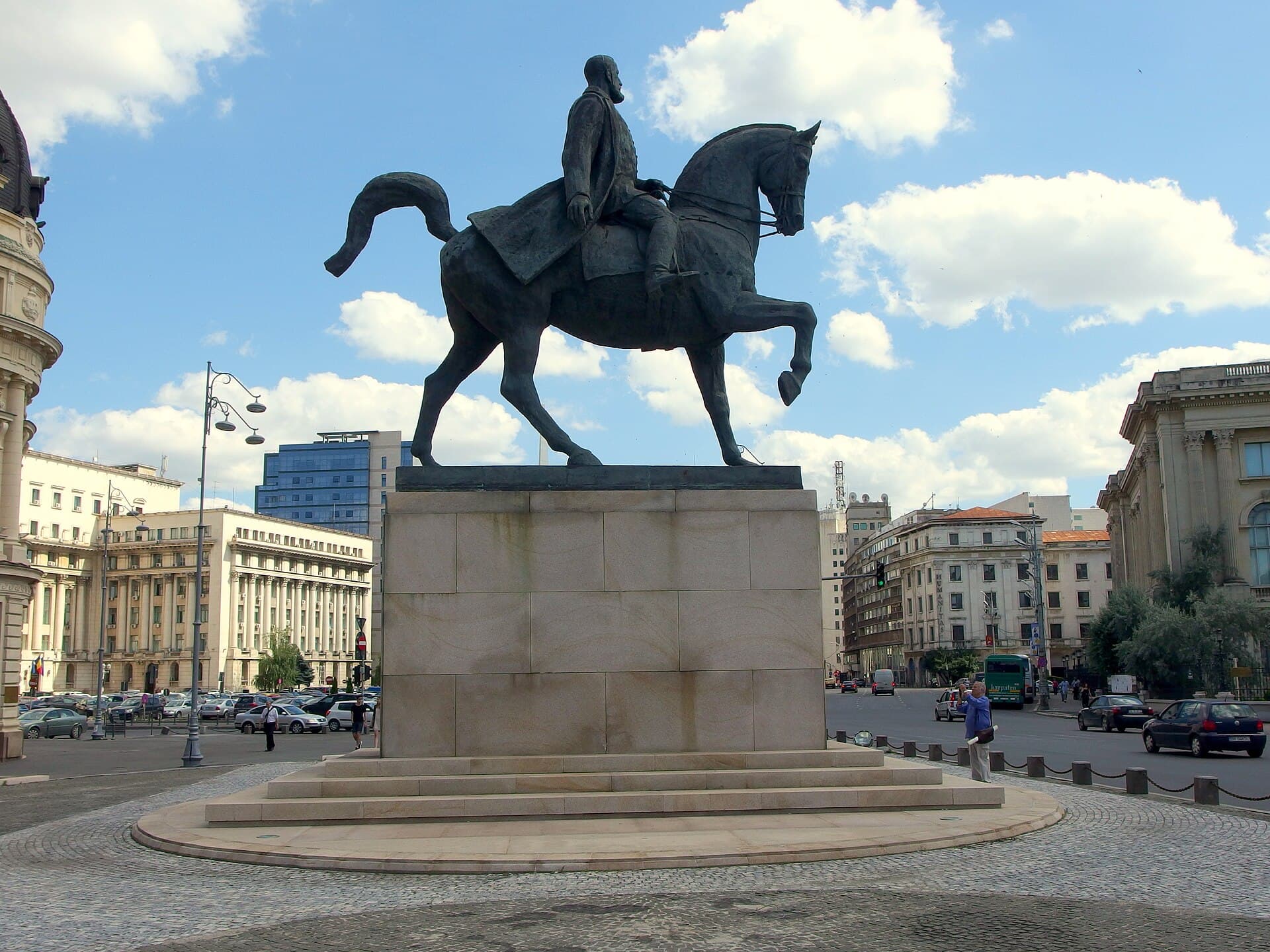 The Equestrian Statue of Carol IA bronze equestrian statue of Carol I, Romania's first king, in Revolution Squar1 minute walk4.8
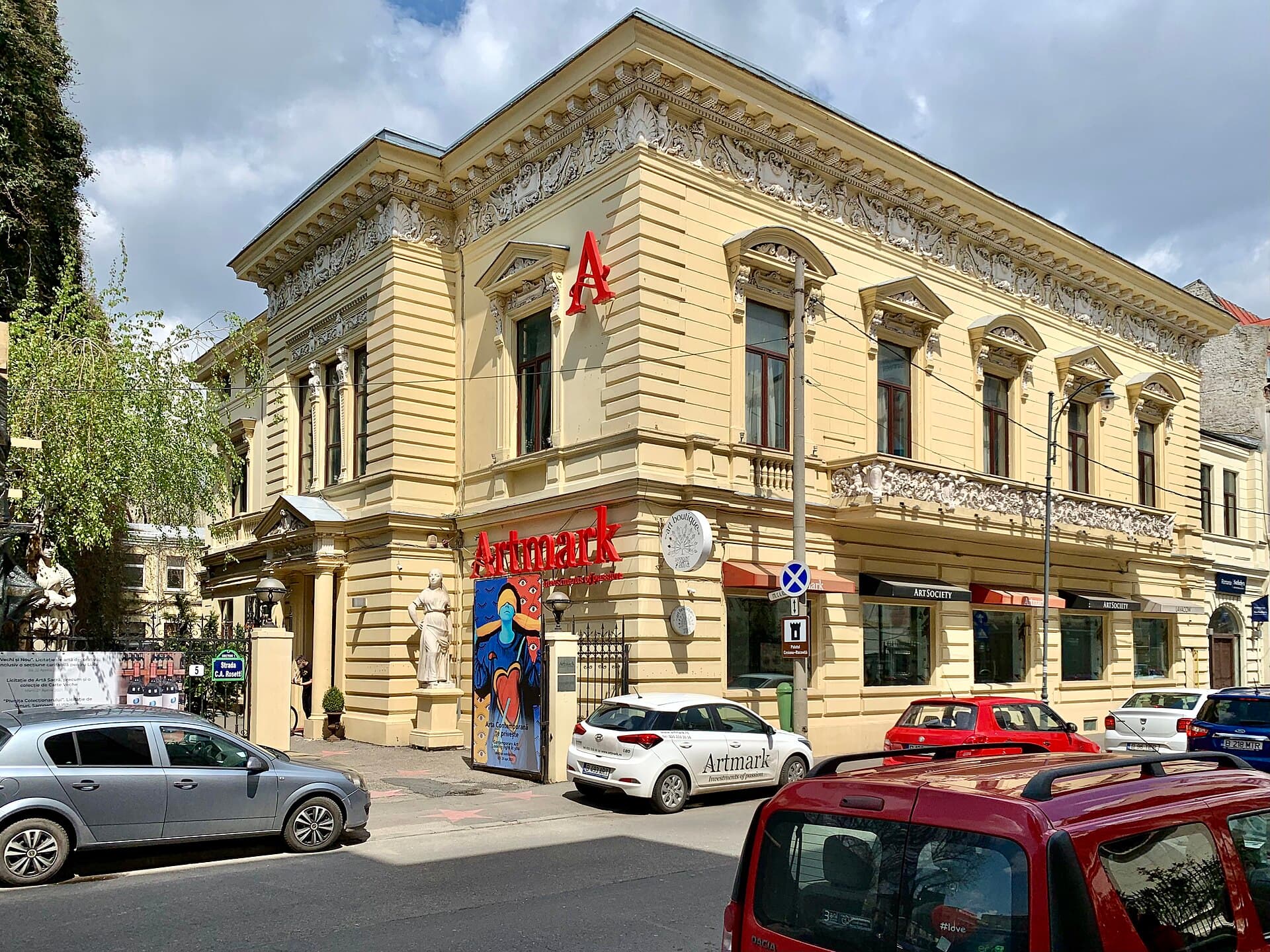 The Cesianu-Racoviță PalaceA late nineteenth-century town palace on Calea Victoriei, built by the Cesianu f2 minutes walk4.8
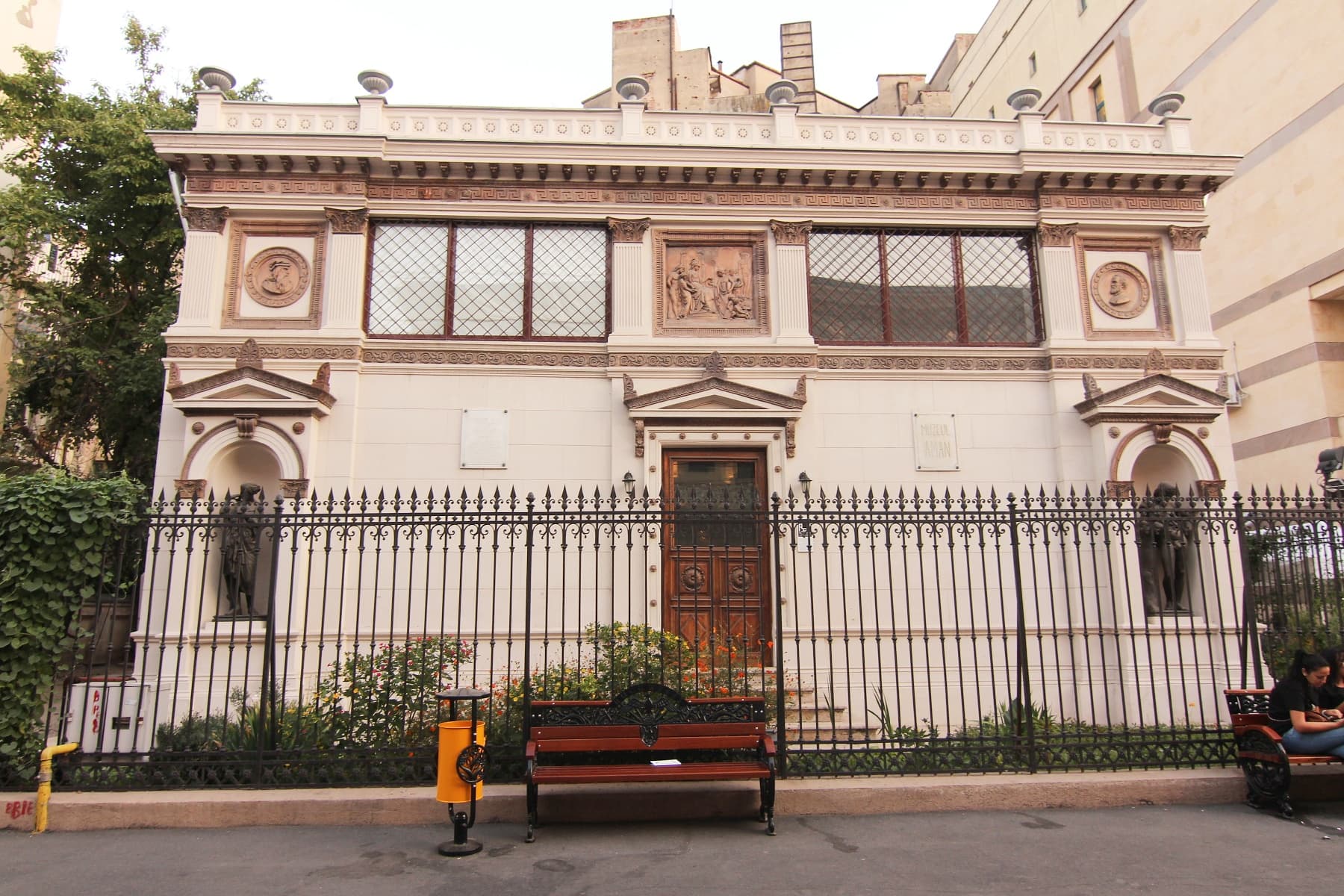 The Theodor Aman MuseumThe painter Theodor Aman's house in central Bucharest is Romania's first art mus2 minutes walk4.8
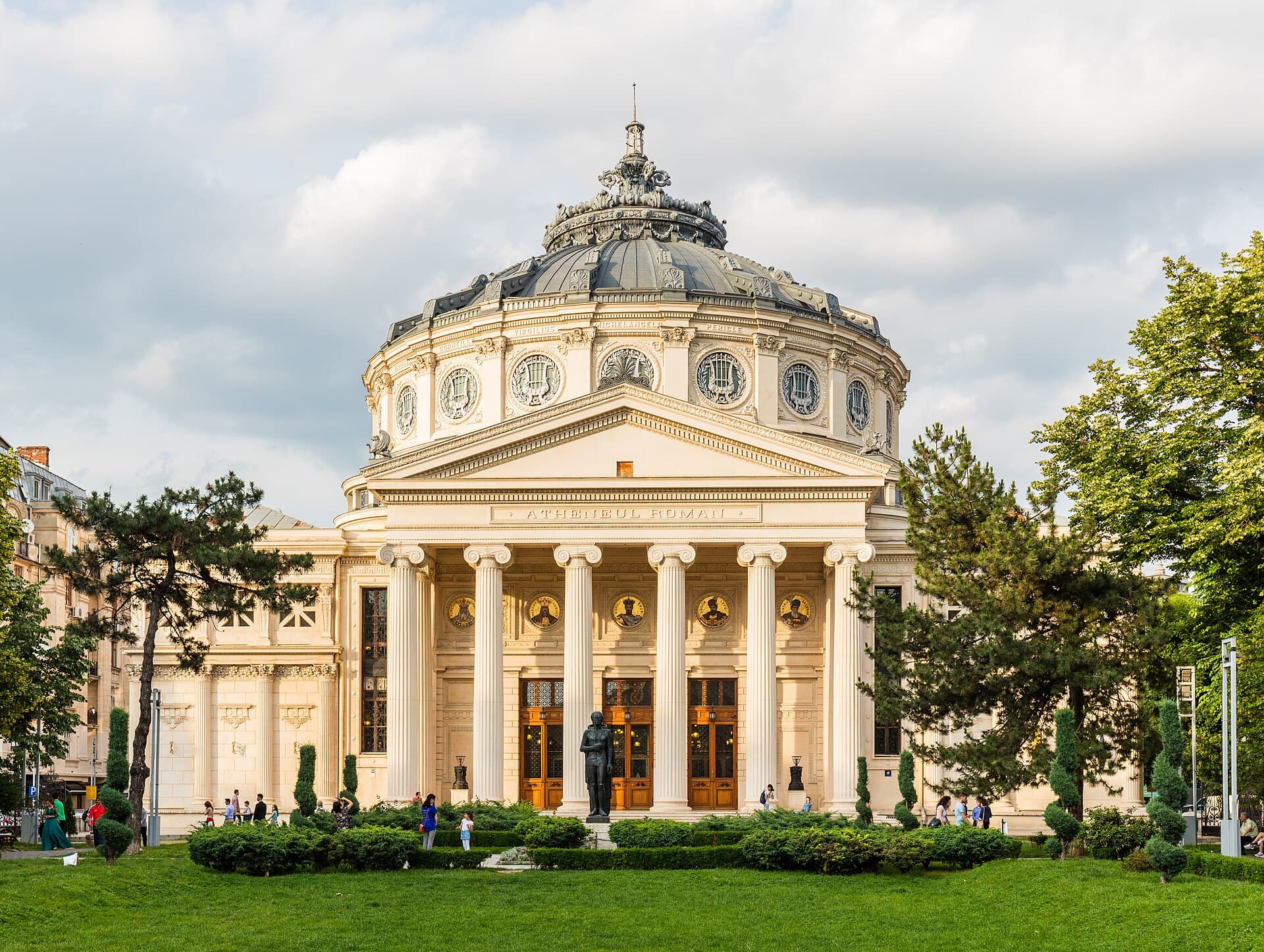 The Romanian AthenaeumBucharest's loveliest symbol: the Athenaeum is a round concert hall with a dome 2 minutes walk4.9
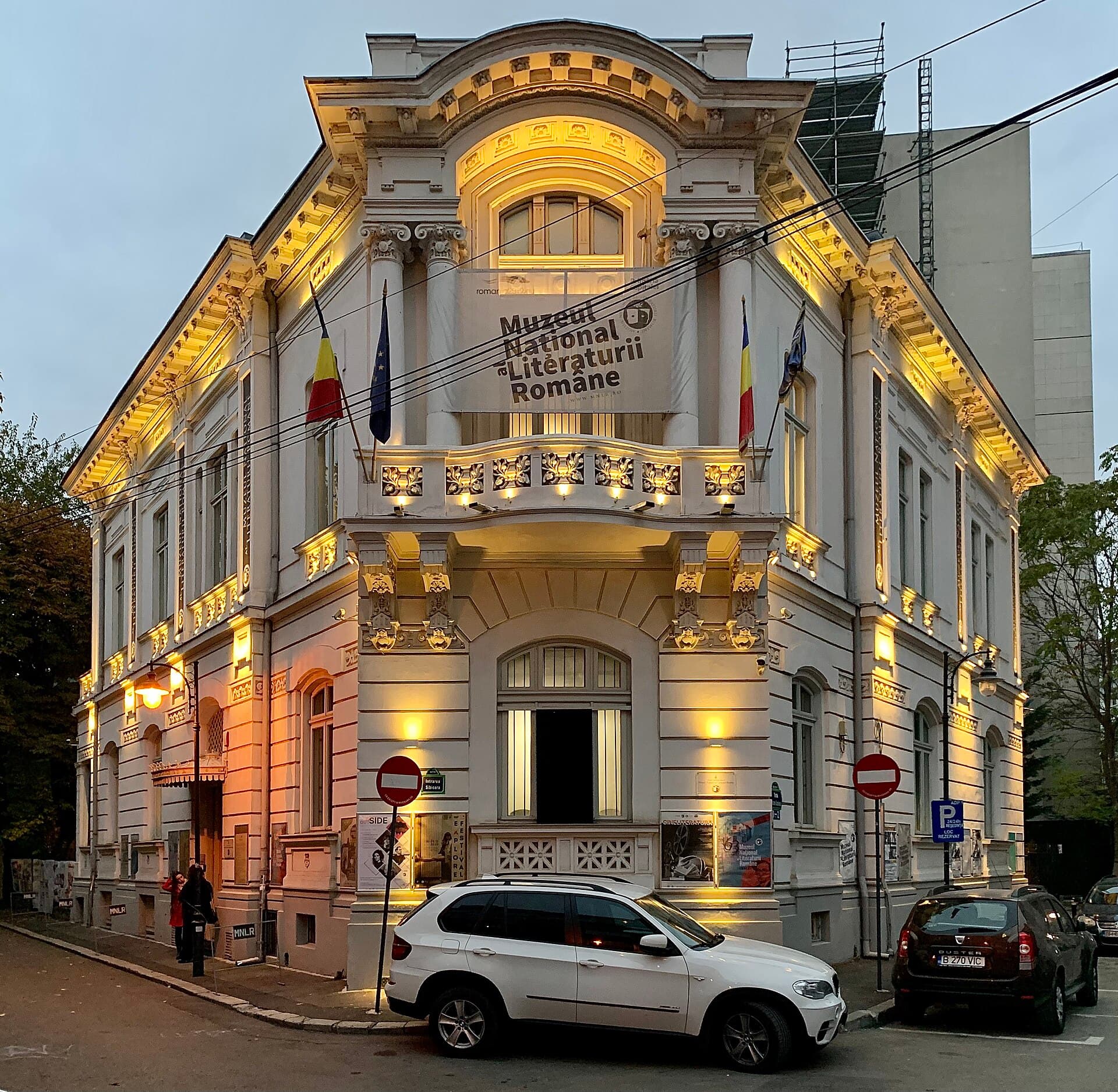 The National Museum of Romanian LiteratureThe National Museum of Romanian Literature gathers the manuscripts, letters, lib3 minutes walk4.6
Modern Romanian art: Grigorescu and Brâncuși are what you will not see anywhere else at this depth.
The square in front was the stage of Ceaușescu's last speech and the start of the revolution; the white Memorial of Rebirth at its centre remembers the dead.