
A central marble staircase
Rooms in sequence with painted ceilings, mirrors and chandeliers.
Neoclassicism Enthusiast — CC BY-SA 4.0 · Clumsythea — CC BY-SA 4.0 · Neoclassicism Enthusiast — CC BY-SA 4.0 · Neoclassicism Enthusiast — CC BY-SA 4.0
A late nineteenth-century town palace on Calea Victoriei, built by the Cesianu family and later passing to the Racoviță family, used today as an exhibition and art auction house. The building is a characteristic example of Romanian elite architecture of that period: an eclectic facade under French influence, a central marble staircase, and rooms in sequence with painted ceilings, mirrors and chandeliers — a house designed for receiving rather than only for private living. What makes visiting it possible today is its current use: it hosts art exhibitions, auctions and cultural events, and its rooms open to the public during them. This means what you see — and whether it is open at all — depends entirely on the schedule. These Calea Victoriei palaces survive in small numbers: the 1977 earthquake and the demolition campaigns of the 1980s removed many of their equivalents, and much of what remains is in stalled restoration. Check the exhibition schedule before going.
Rooms in sequence with painted ceilings, mirrors and chandeliers.
Designed for social life rather than only private living.
The 1977 earthquake and 1980s demolitions removed many of its equivalents.
Calea Victoriei, Bucharest
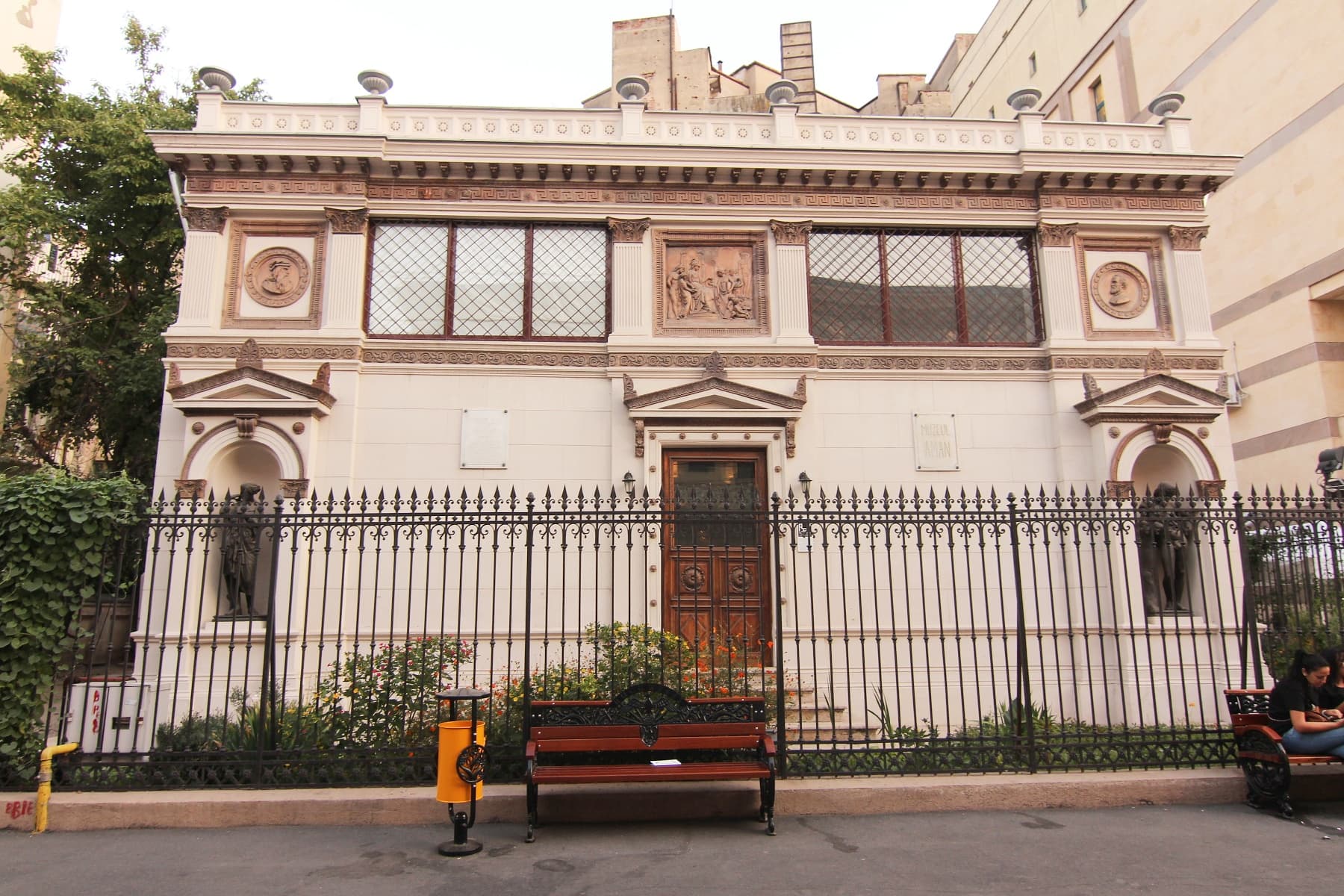 The Theodor Aman MuseumThe painter Theodor Aman's house in central Bucharest is Romania's first art mus1 minute walk4.8
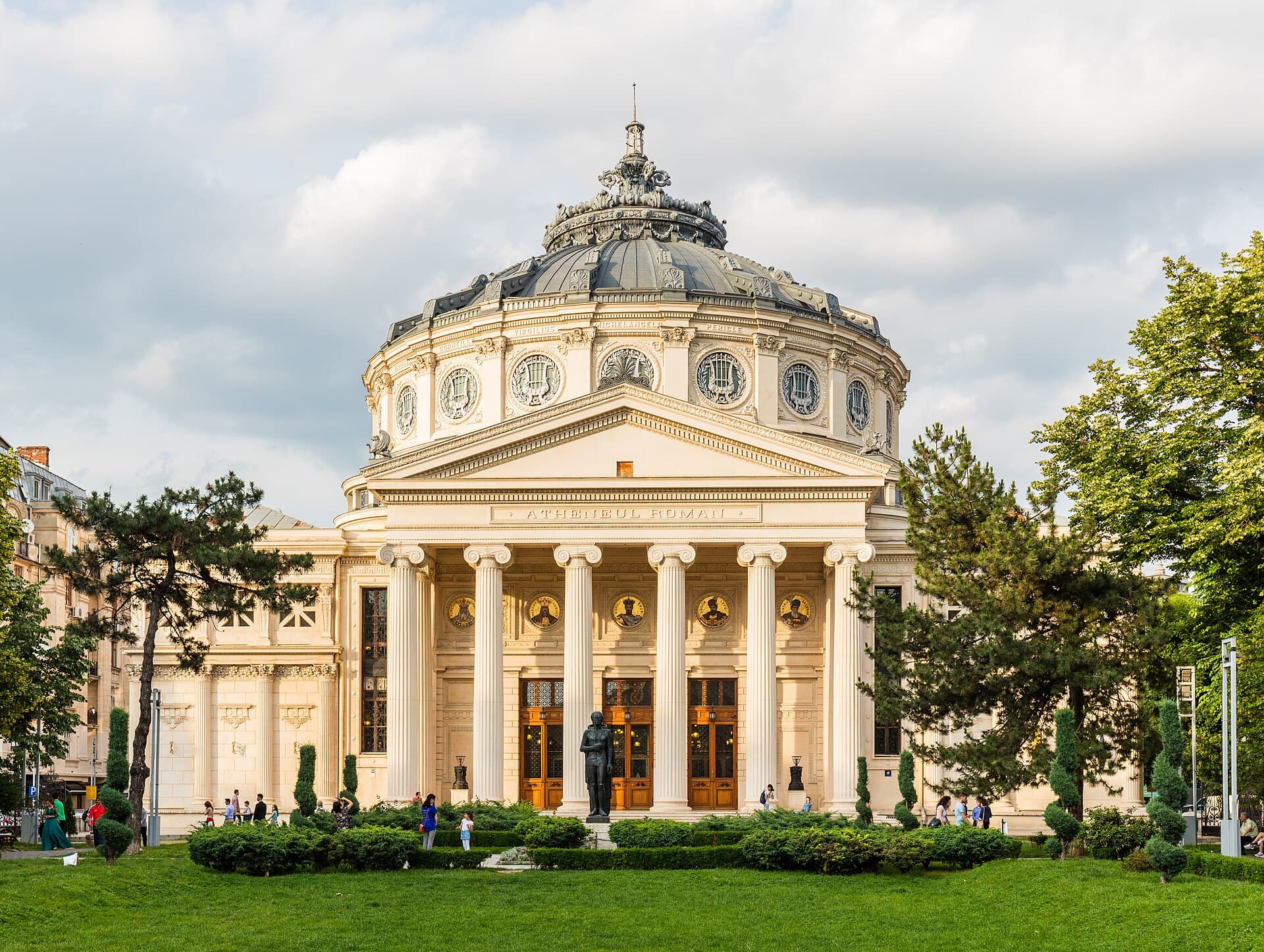 The Romanian AthenaeumBucharest's loveliest symbol: the Athenaeum is a round concert hall with a dome 1 minute walk4.9
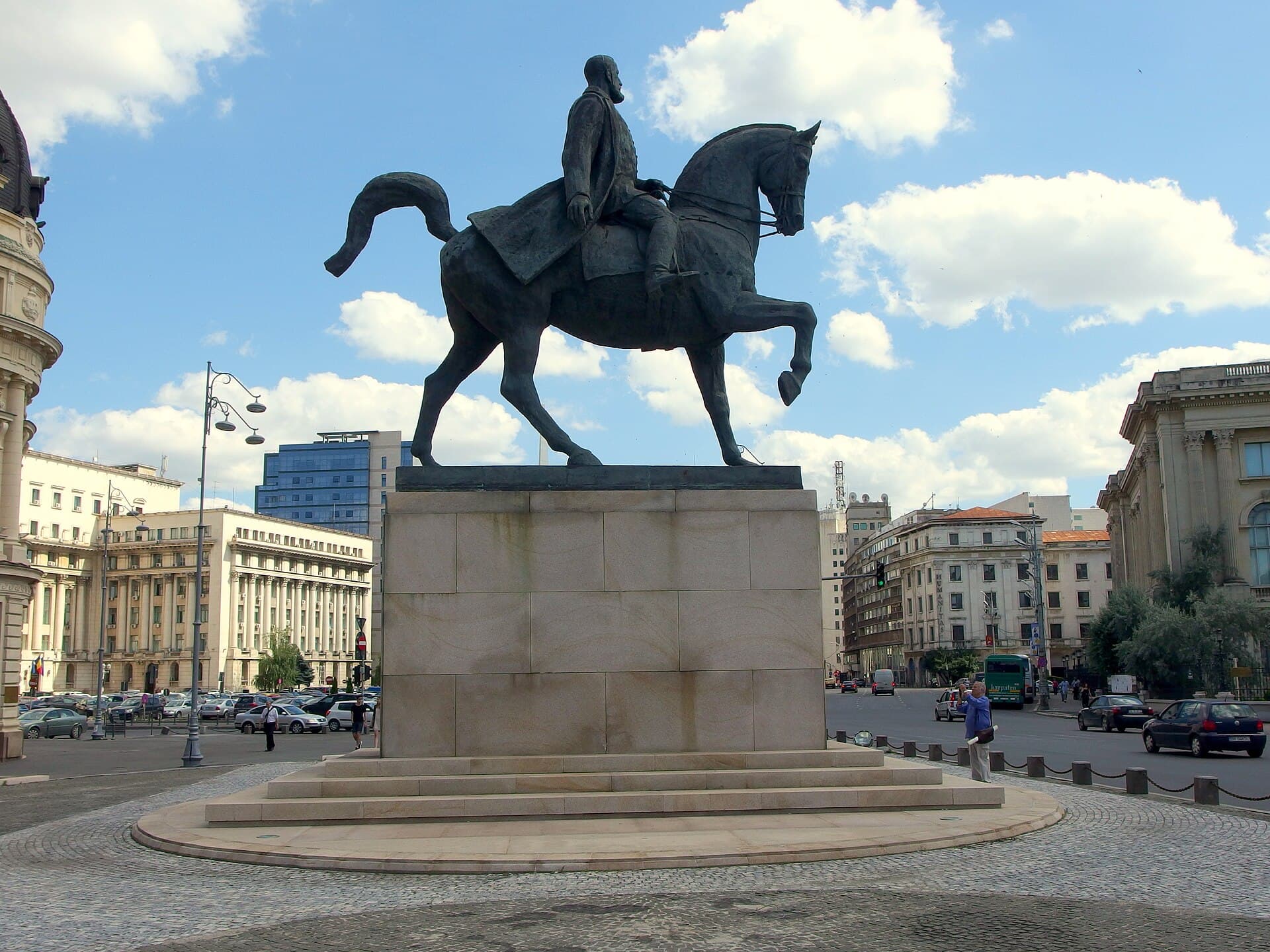 The Equestrian Statue of Carol IA bronze equestrian statue of Carol I, Romania's first king, in Revolution Squar1 minute walk4.8
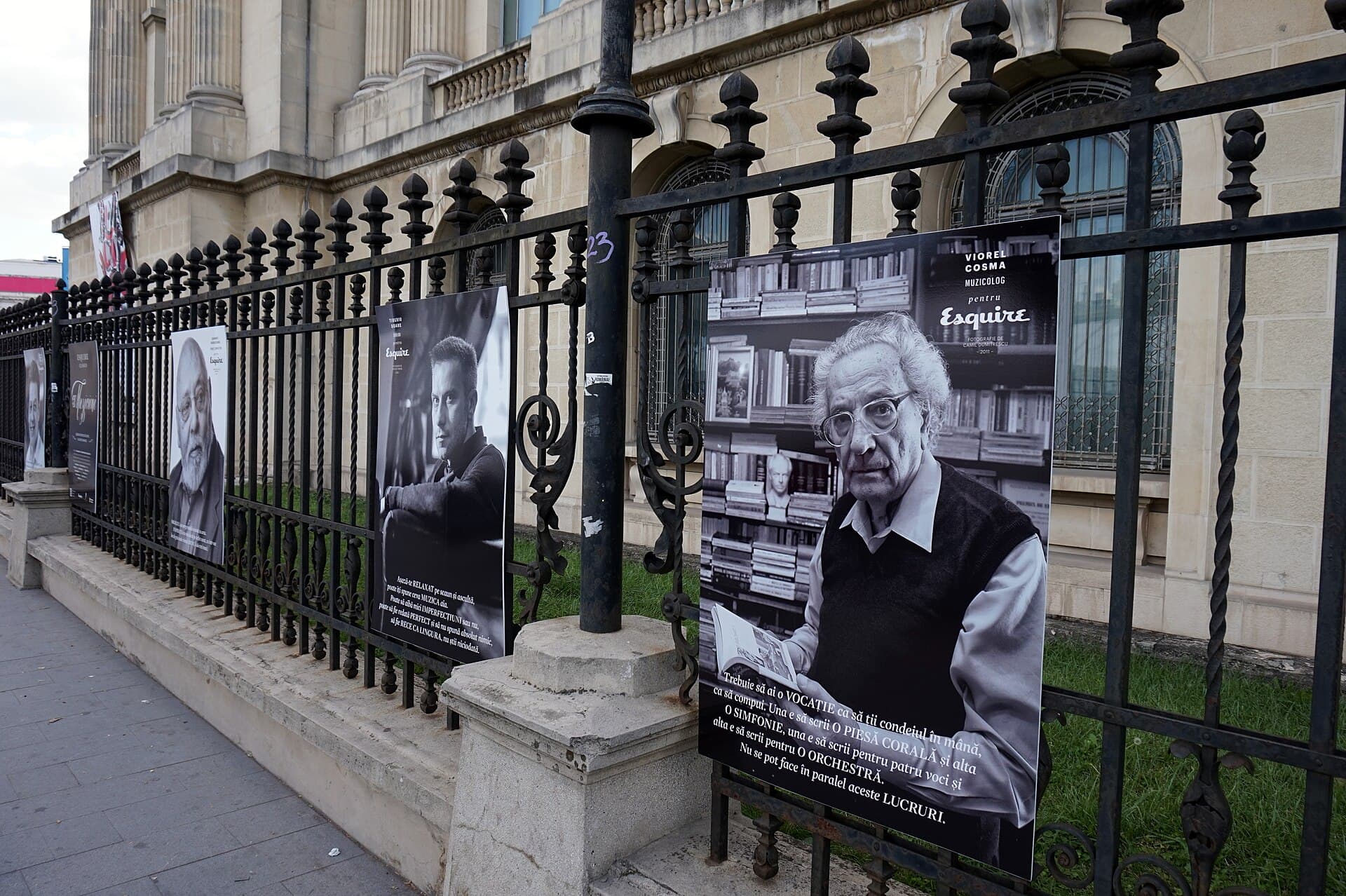 National Museum of Art of RomaniaThe royal palace itself: the National Museum of Art occupies the palace of Roman2 minutes walk4.5
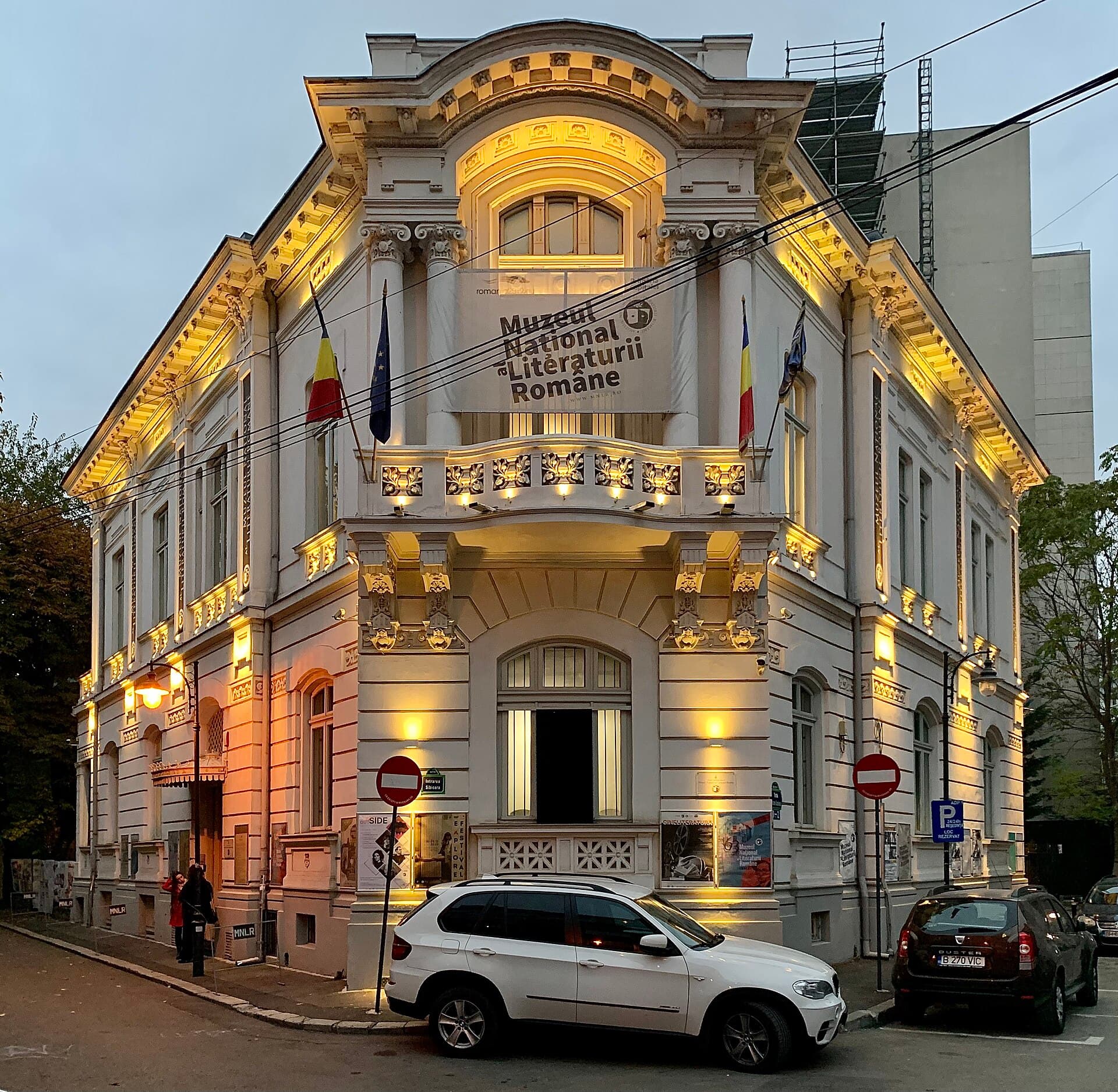 The National Museum of Romanian LiteratureThe National Museum of Romanian Literature gathers the manuscripts, letters, lib4 minutes walk4.6
Between 1982 and 1989 the Ceaușescu regime carried out the systematisation project, demolishing about a fifth of Bucharest's historic centre — whole districts, dozens of churches and thousands of houses — to build the People's Palace and the boulevard leading to it. Some churches were moved on rails to hide them behind apartment blocks rather than being demolished. The project was unfinished when the regime fell, leaving gaps in the city's fabric that are still visible.
The street itself is the sight: it runs about three kilometres past the former royal palace, the Athenaeum, the Athénée Palace hotel, the Victoria store and 1930s modernist buildings. At its southern end you reach the old town, Lipscani, with its cafés. Walking it fully takes about an hour without stopping, and far longer with stops.