
The studio
A glass roof, easels and tools left as they were.
Nicubunu — CC BY-SA 3.0 ro · Joe Mabel — CC BY-SA 4.0 · Neoclassicism Enthusiast — CC BY-SA 4.0 · Neoclassicism Enthusiast — CC BY-SA 4.0
The painter Theodor Aman's house in central Bucharest is Romania's first art museum: it opened in 1908 and is still in the same building with the same furniture. Aman (1831-1891) is a founding figure in Romanian art — the first to establish a school of fine arts in the country, and a painter of battles, orientalist subjects and portraits. But what makes the visit worthwhile is that **the house itself is a work**: Aman designed it, executed its ornament, carved its doors and painted its ceilings, so the building and the collection are one thing. The studio on the upper floor was built with a glass roof for north light and left as it was: the easels, the tools, the unfinished canvases. The museum is small — half an hour to an hour — but it is among the quietest and most personal places in the city centre. **Entry is nominal**, and it is part of the Bucharest Municipality Museum.
A glass roof, easels and tools left as they were.
Worked by the painter's own hand as part of the house.
Strada C.A. Rosetti 8, Bucharest
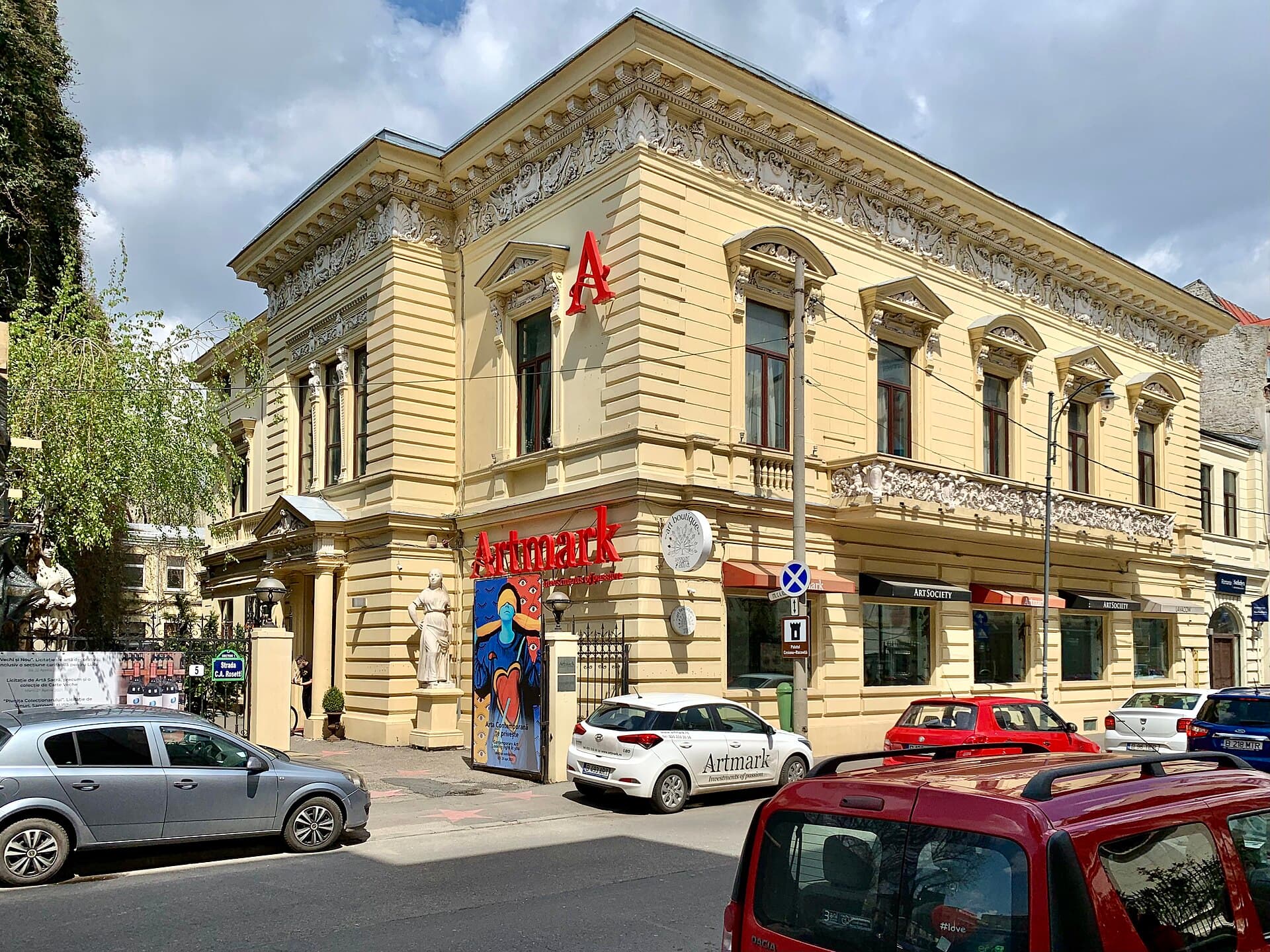 The Cesianu-Racoviță PalaceA late nineteenth-century town palace on Calea Victoriei, built by the Cesianu f1 minute walk4.8
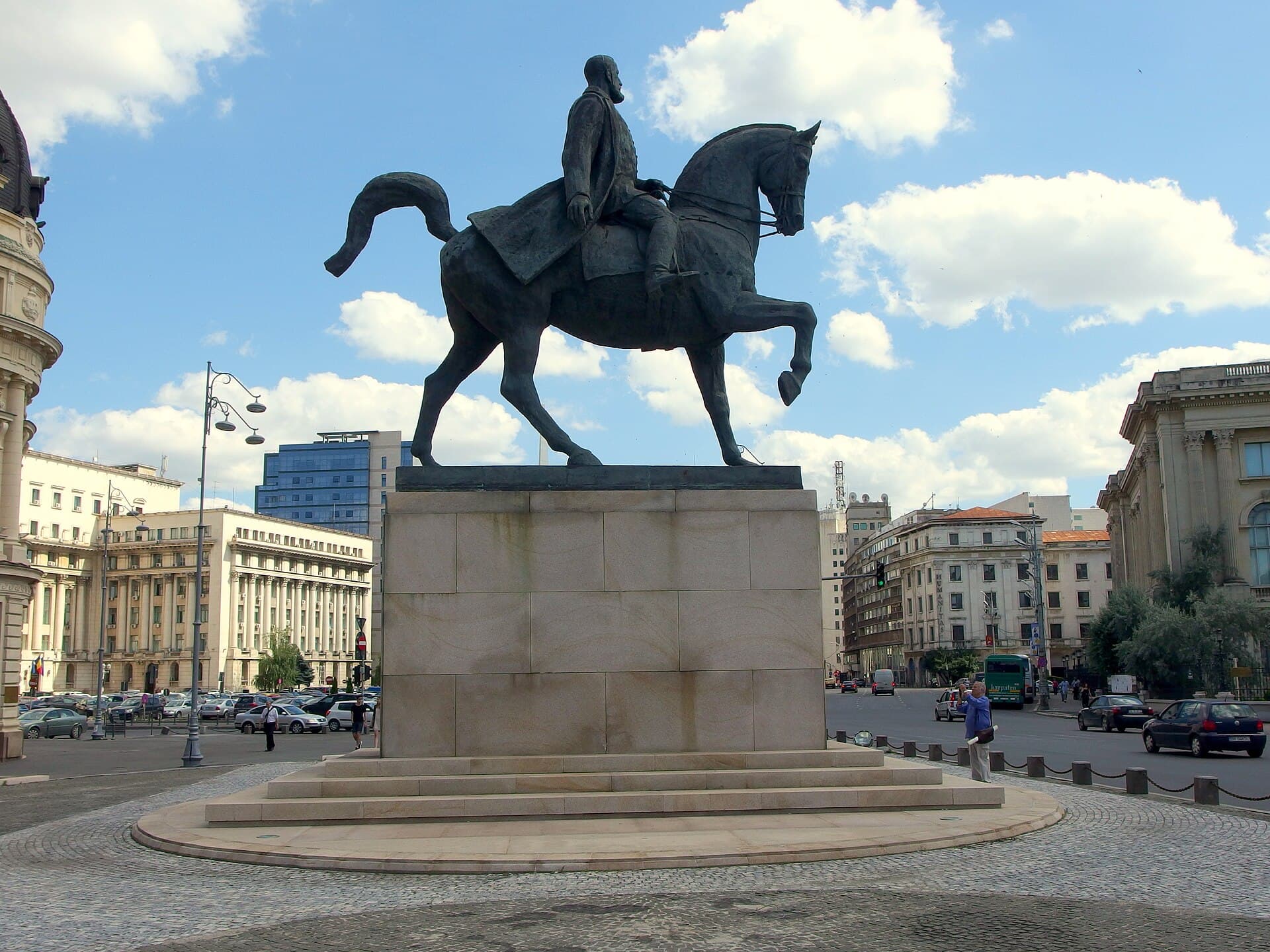 The Equestrian Statue of Carol IA bronze equestrian statue of Carol I, Romania's first king, in Revolution Squar1 minute walk4.8
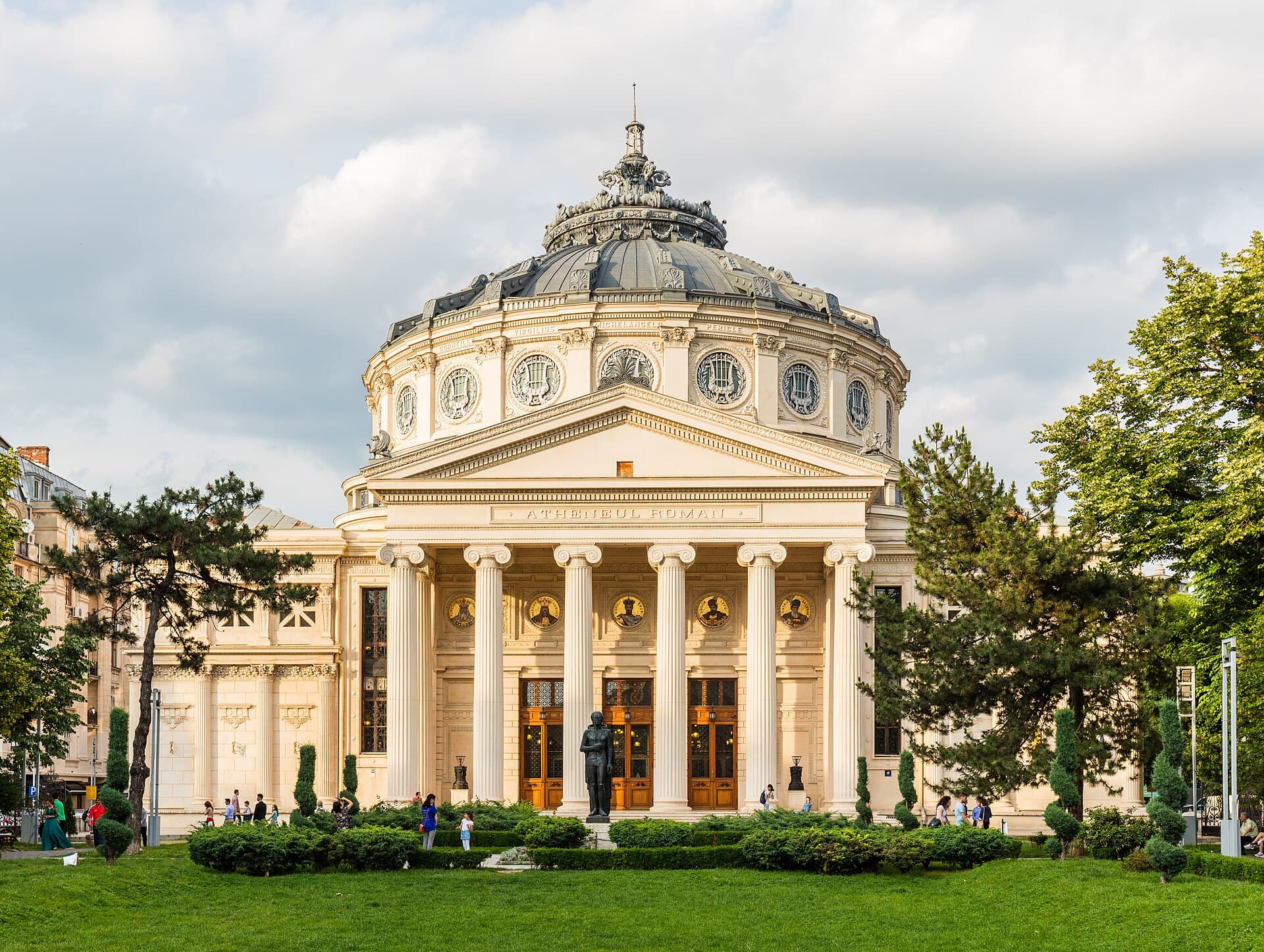 The Romanian AthenaeumBucharest's loveliest symbol: the Athenaeum is a round concert hall with a dome 2 minutes walk4.9
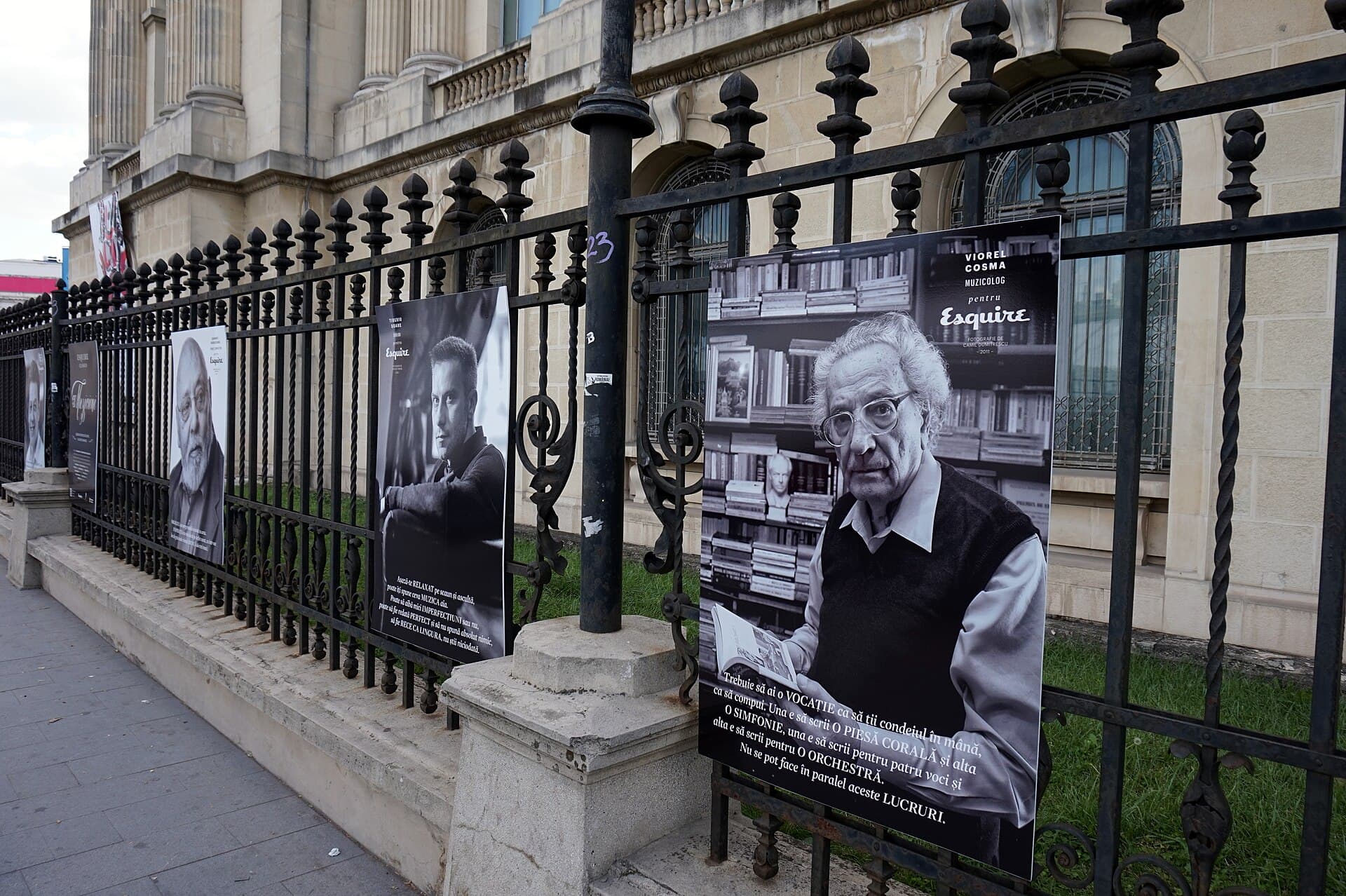 National Museum of Art of RomaniaThe royal palace itself: the National Museum of Art occupies the palace of Roman2 minutes walk4.5
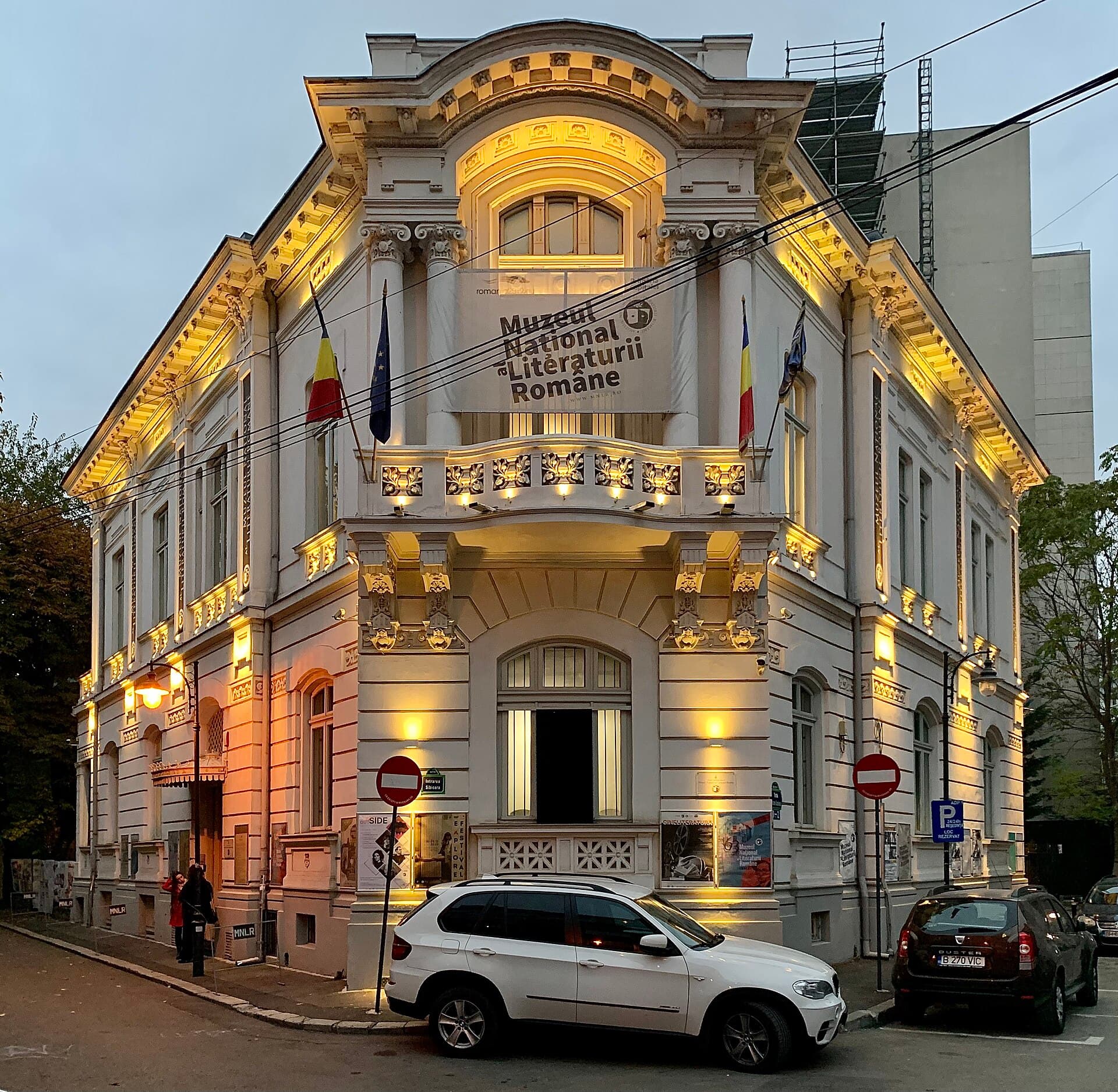 The National Museum of Romanian LiteratureThe National Museum of Romanian Literature gathers the manuscripts, letters, lib4 minutes walk4.6
Bucharest is unusually rich in exactly this kind of museum, and most are small, cheap and quiet. The Theodor Aman museum is the first; then the Zambaccian, a merchant's collection assembled in his own house with works by Grigorescu, Pallady and Tonitza alongside French pieces; the Theodor Pallady museum in the Melik House, the oldest surviving dwelling in the city; and the Minovici Villa with its deliberately peasant-style architecture. The four can be walked in a day and give a picture of Bucharest before communism reshaped it.