
Thousands of coins
Greek, Roman and Byzantine, some struck on the Romanian coast.
Neoclassicism Enthusiast — CC BY-SA 4.0 · Rsocol — CC BY-SA 4.0 · Neoclassicism Enthusiast — CC0 · Neoclassicism Enthusiast — CC0
A small museum of the collection of the Romanian physician and archaeologist George Severeanu, in his former Bucharest house. Severeanu (1879–1939) was a radiologist by profession and an archaeologist and collector by passion — a combination not rare in that period, when archaeology was still close to being a pastime of the educated class. Across his life he gathered coins, oil lamps, and pieces of pottery, glass and jewellery, running from the Greek and Roman periods to Byzantium and the Middle Ages. The most significant part is the coins: thousands of Greek, Roman and Byzantine pieces, among them coins struck in the Greek Black Sea cities on what is now the Romanian coast — Histria, Tomis and Callatis. Those cities are part of a Romanian history that precedes the Romans themselves. His widow gave the collection and the house to the Bucharest municipality in 1956. It is very small, quiet and rarely crowded.
Greek, Roman and Byzantine, some struck on the Romanian coast.
Histria, Tomis and Callatis — a history preceding the Romans.
The collection and house were given to the municipality in 1956.
Henri Coandă street, Bucharest
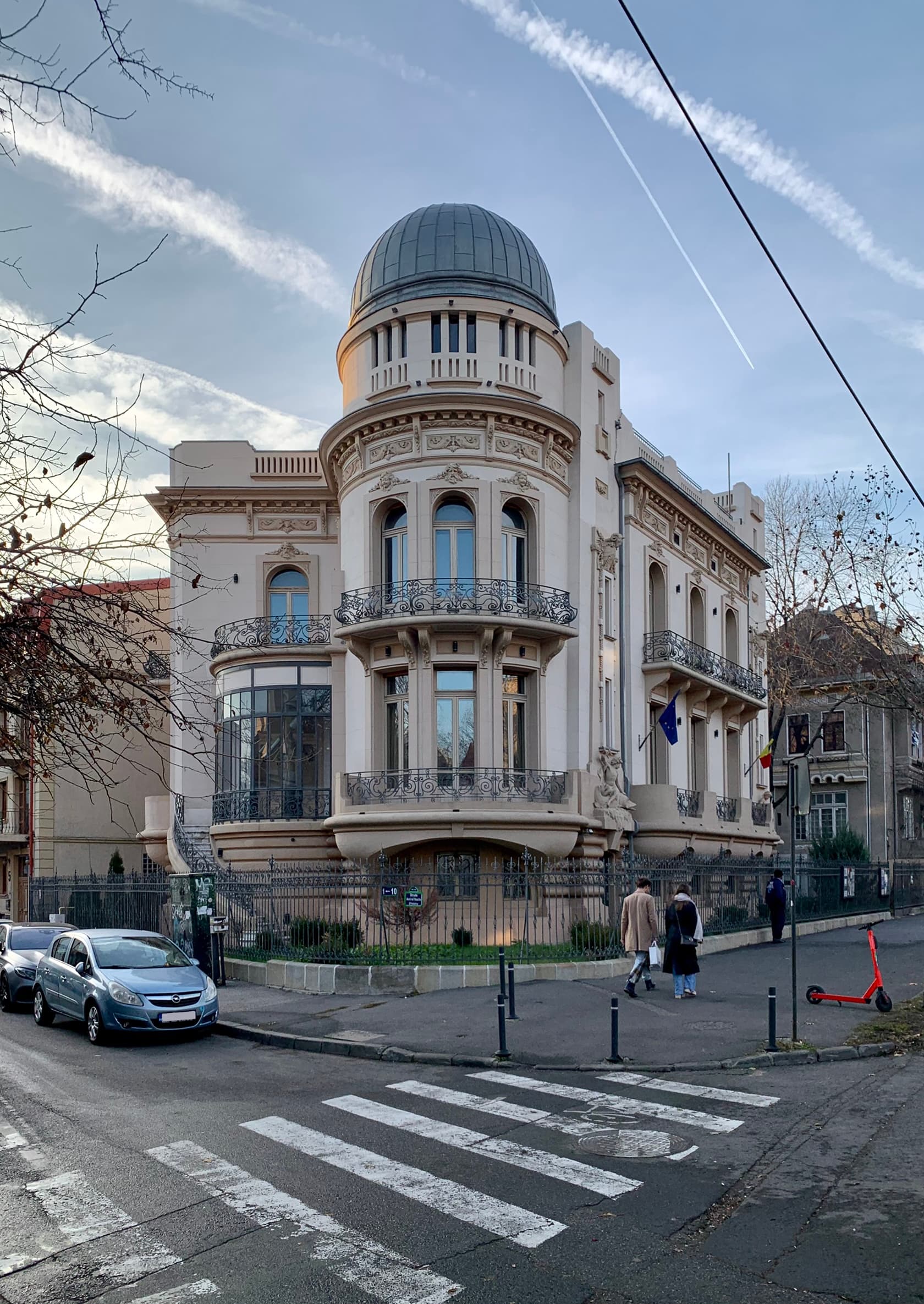 The Vasile Urseanu Astronomical ObservatoryA public astronomical observatory in an oddly shaped Bucharest house, built in 12 minutes walk4.3
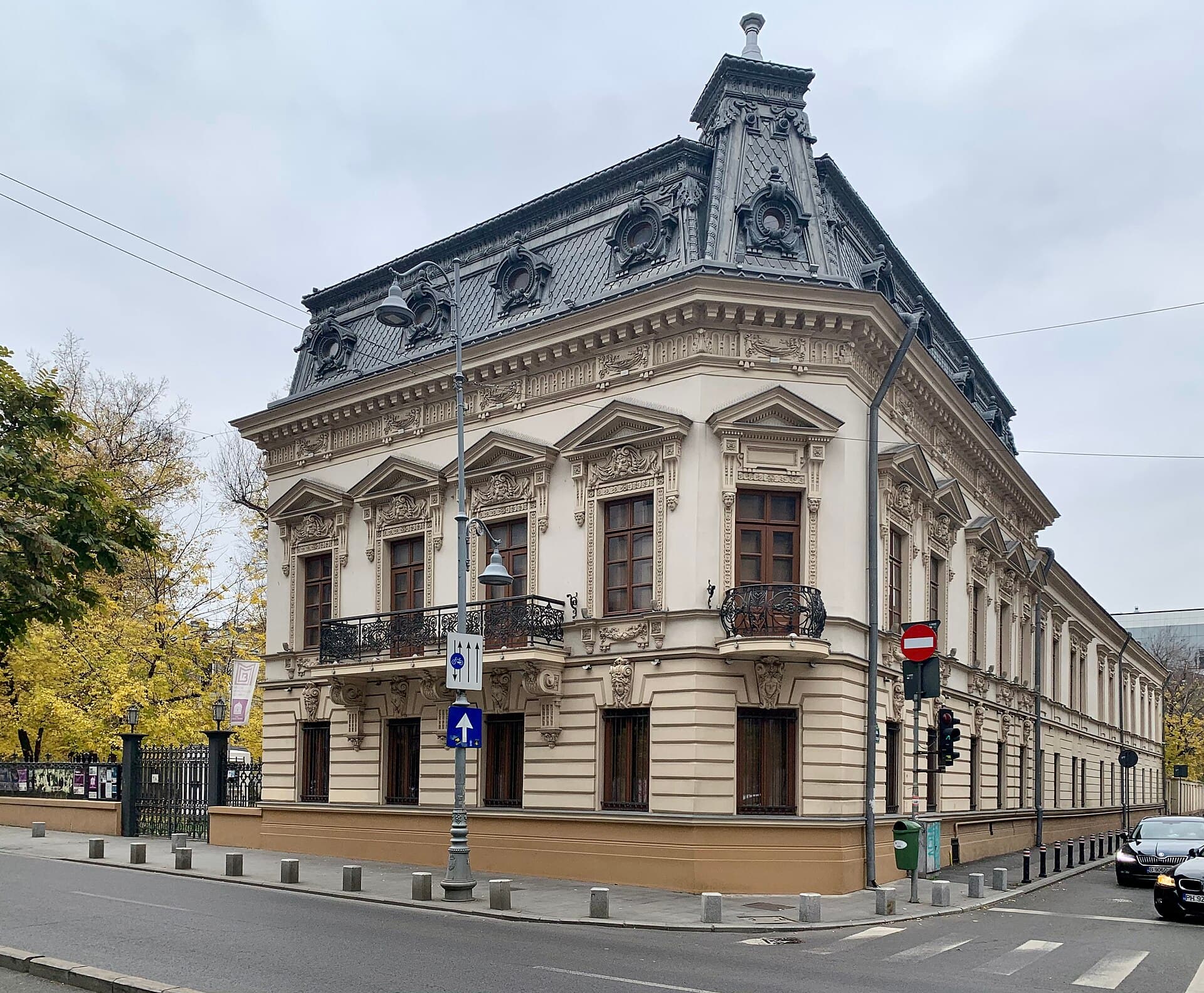 The Museum of Ages, Filipescu-Cesianu HouseA museum in a nineteenth-century town mansion on Calea Victoriei with an unusual7 minutes walk4.8
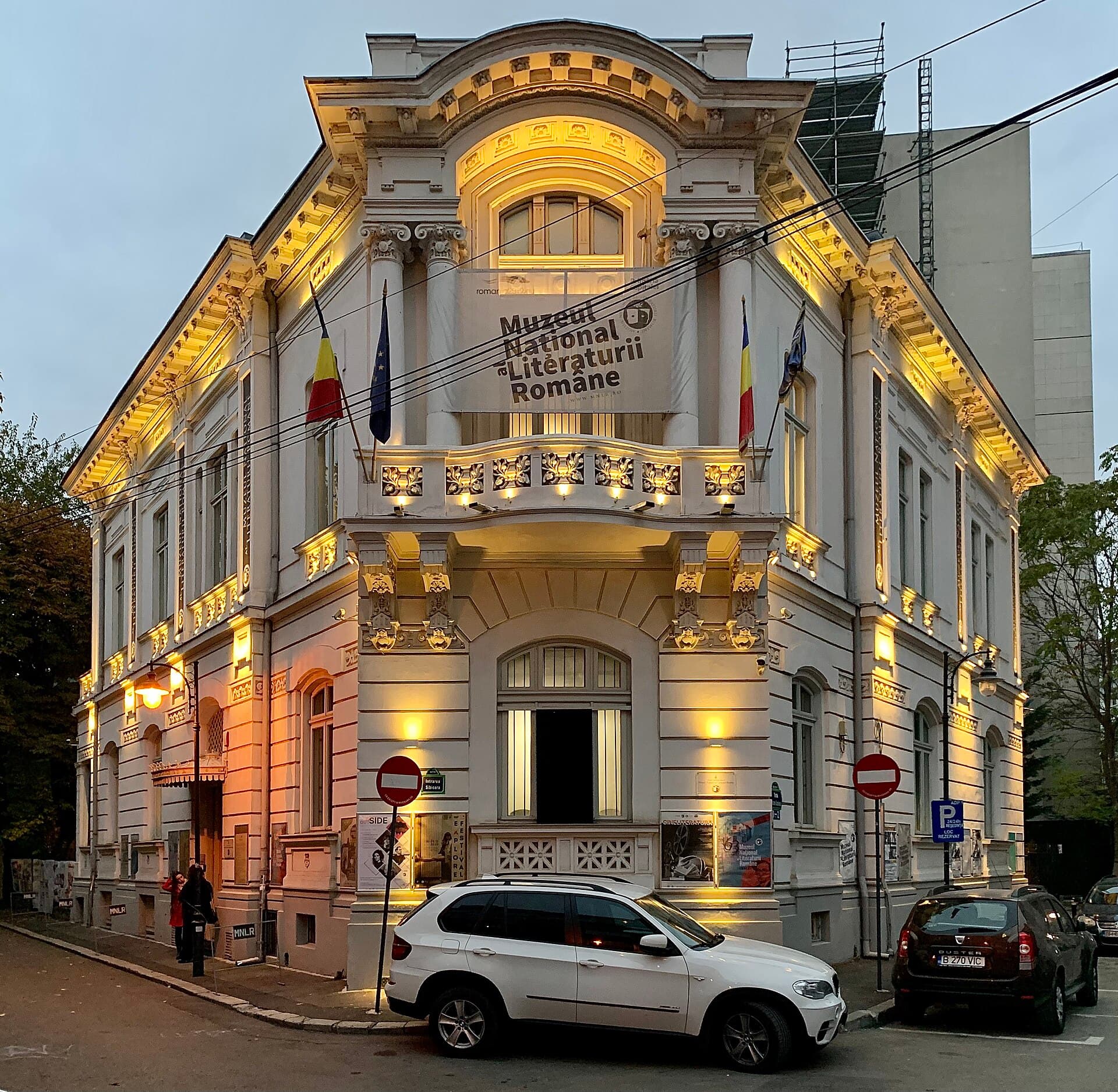 The National Museum of Romanian LiteratureThe National Museum of Romanian Literature gathers the manuscripts, letters, lib8 minutes walk4.6
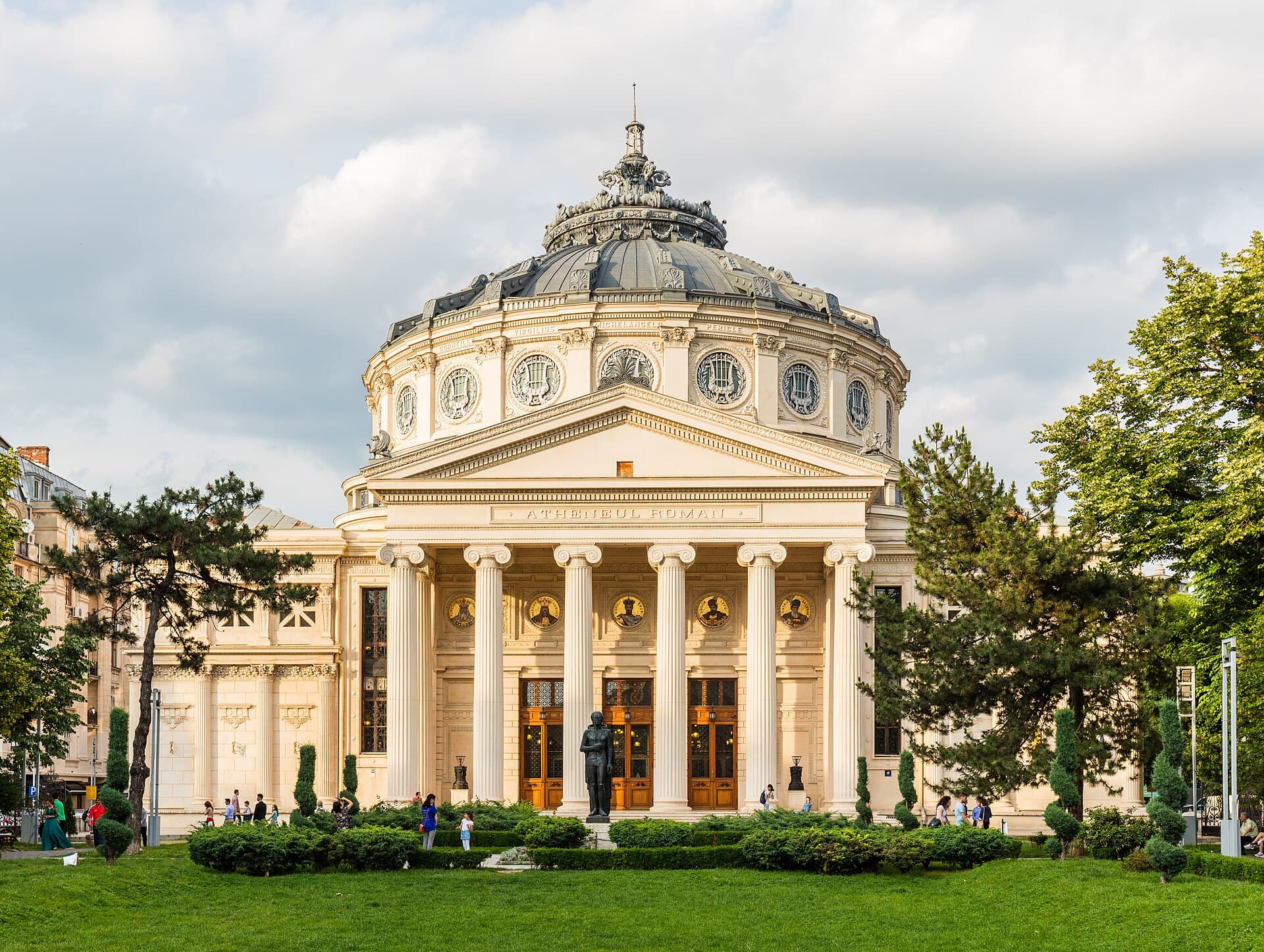 The Romanian AthenaeumBucharest's loveliest symbol: the Athenaeum is a round concert hall with a dome 9 minutes walk4.9
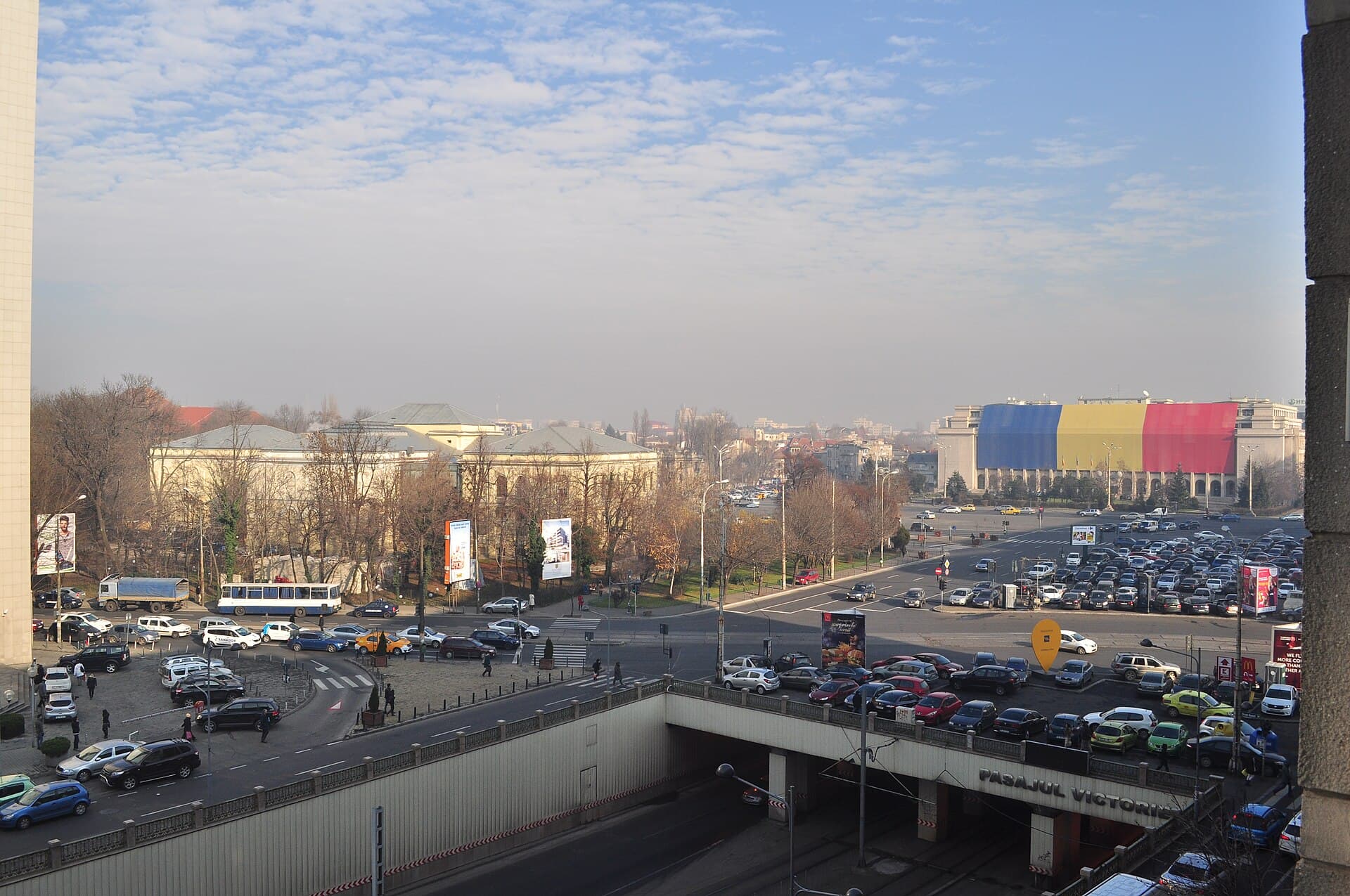 Piața VictorieiPiața Victoriei is a large junction north of central Bucharest where four main a10 minutes walk4.5
Settlements founded by Greeks from Miletus and Heraclea on the Black Sea coast from the seventh century BC. Histria is the oldest and its ruins are today a large archaeological site near Lake Sinoe. Tomis became the modern city of Constanța, the place to which the Roman poet Ovid was exiled and where he died. Callatis is today Mangalia. All three can be visited on a trip to the coast, and their most important finds are in the Constanța museum.
Honestly: it is a museum for anyone who likes small objects and detail, not for someone looking for a major sight. The oil lamps, jewellery and glass are genuinely fine, the display quiet and ordered, and the house itself pleasant. But if you have a day or two in Bucharest, the National History Museum and the Museum of the Romanian Peasant come first. Make this an addition, not a priority.