
A ship-shaped house
A prow-like facade, deck-like balconies and a dome above.
Neoclassicism Enthusiast — CC BY-SA 4.0 · Rsocol — CC BY-SA 4.0 · Neoclassicism Enthusiast — CC BY-SA 4.0 · Neoclassicism Enthusiast — CC BY-SA 4.0
A public astronomical observatory in an oddly shaped Bucharest house, built in 1910 for a Romanian admiral who decided to make his house resemble a ship. Vasile Urseanu was an officer of the Romanian navy and an amateur astronomer. He designed his house with a facade imitating a ship's prow and balconies like decks, and set a dome for his telescope on top. After his death his widow bequeathed the house to the municipality on condition that it remain a public observatory, which is what happened: it opened to the public in 1950 and still operates. The observatory is run today by the Romanian amateur astronomers' association, offering night observing sessions through the telescope when the sky permits, and daytime presentations on the Sun and the solar system. This makes it a visit of a different kind: not a museum with fixed displays but an activity tied to weather and schedule. Night observing is cancelled if the sky is overcast. Check the schedule and book ahead.
A prow-like facade, deck-like balconies and a dome above.
His widow left the house to the city on condition it stay a public observatory.
The Romanian amateur astronomers' association runs it and gives the sessions.
Lascăr Catargiu boulevard, Bucharest
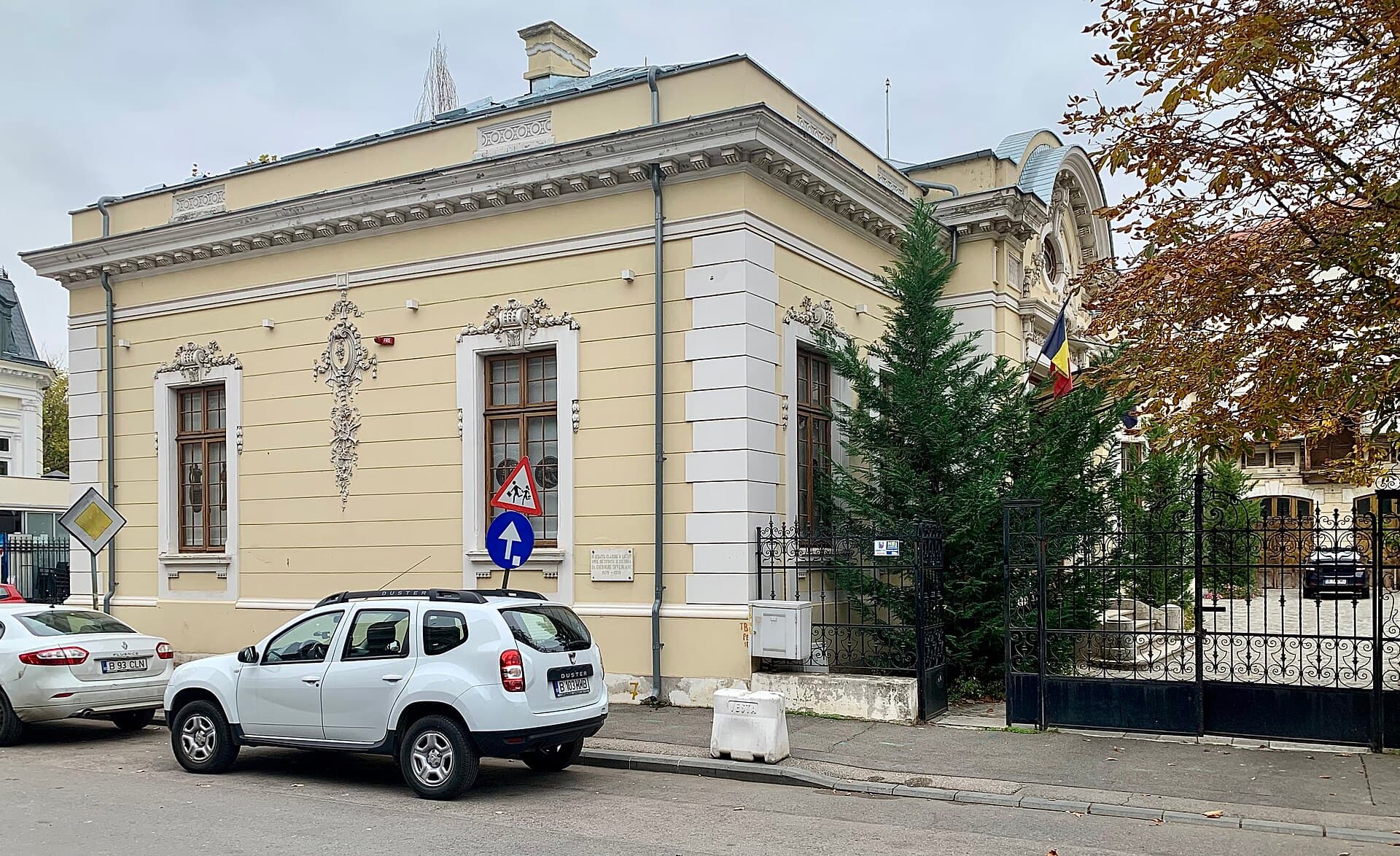 The George Severeanu MuseumA small museum of the collection of the Romanian physician and archaeologist Geo2 minutes walk4.8
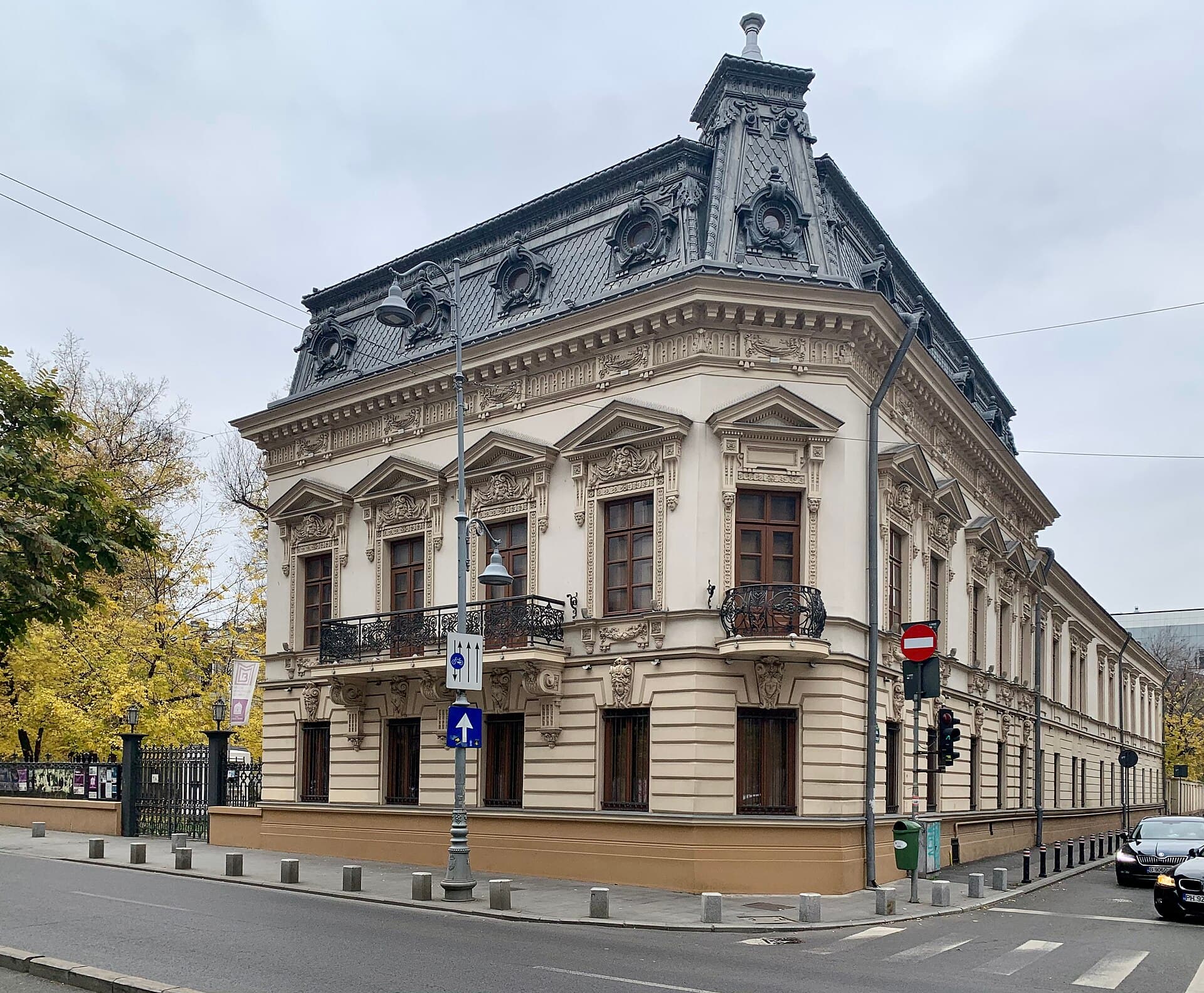 The Museum of Ages, Filipescu-Cesianu HouseA museum in a nineteenth-century town mansion on Calea Victoriei with an unusual6 minutes walk4.8
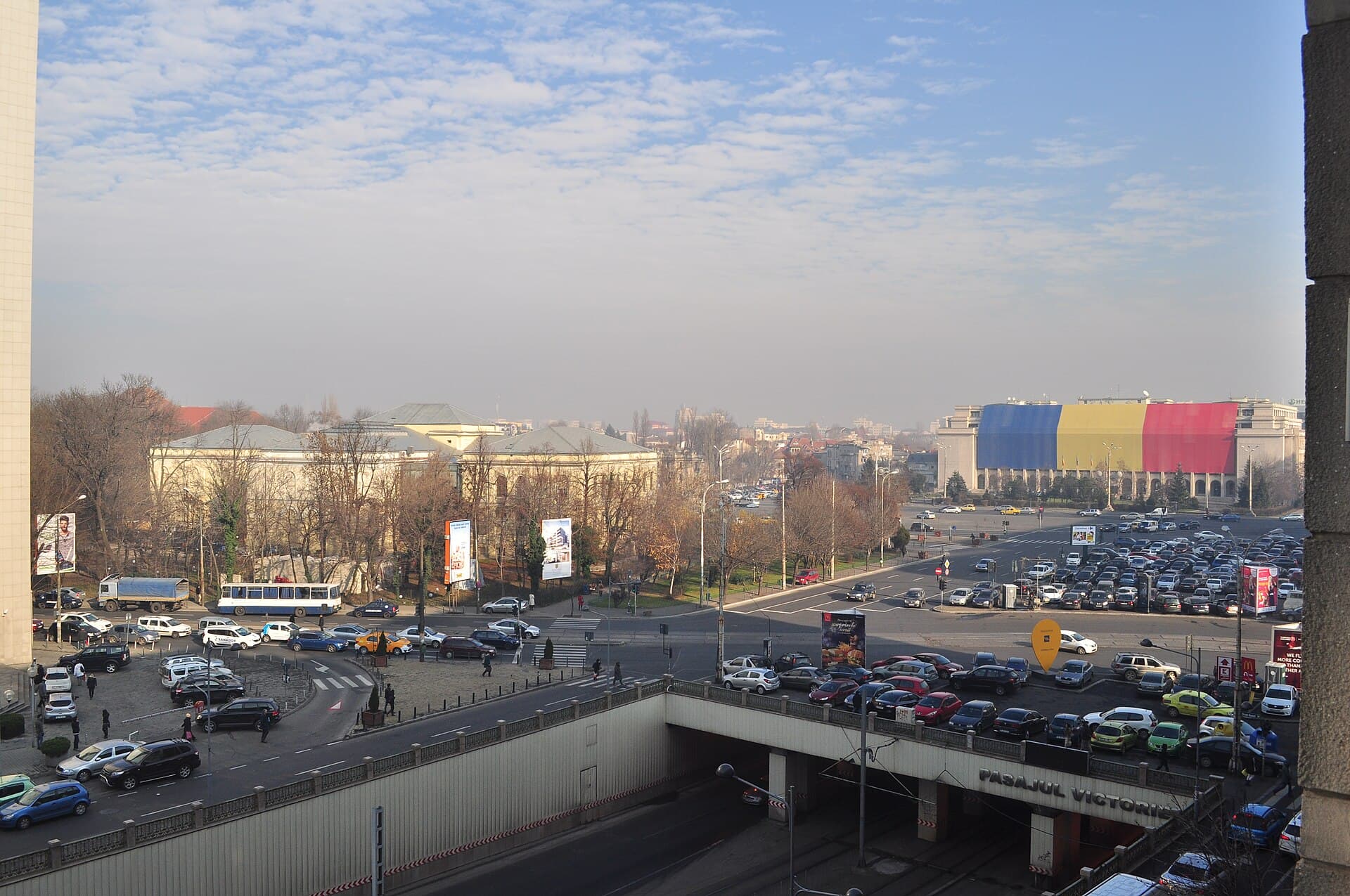 Piața VictorieiPiața Victoriei is a large junction north of central Bucharest where four main a9 minutes walk4.5
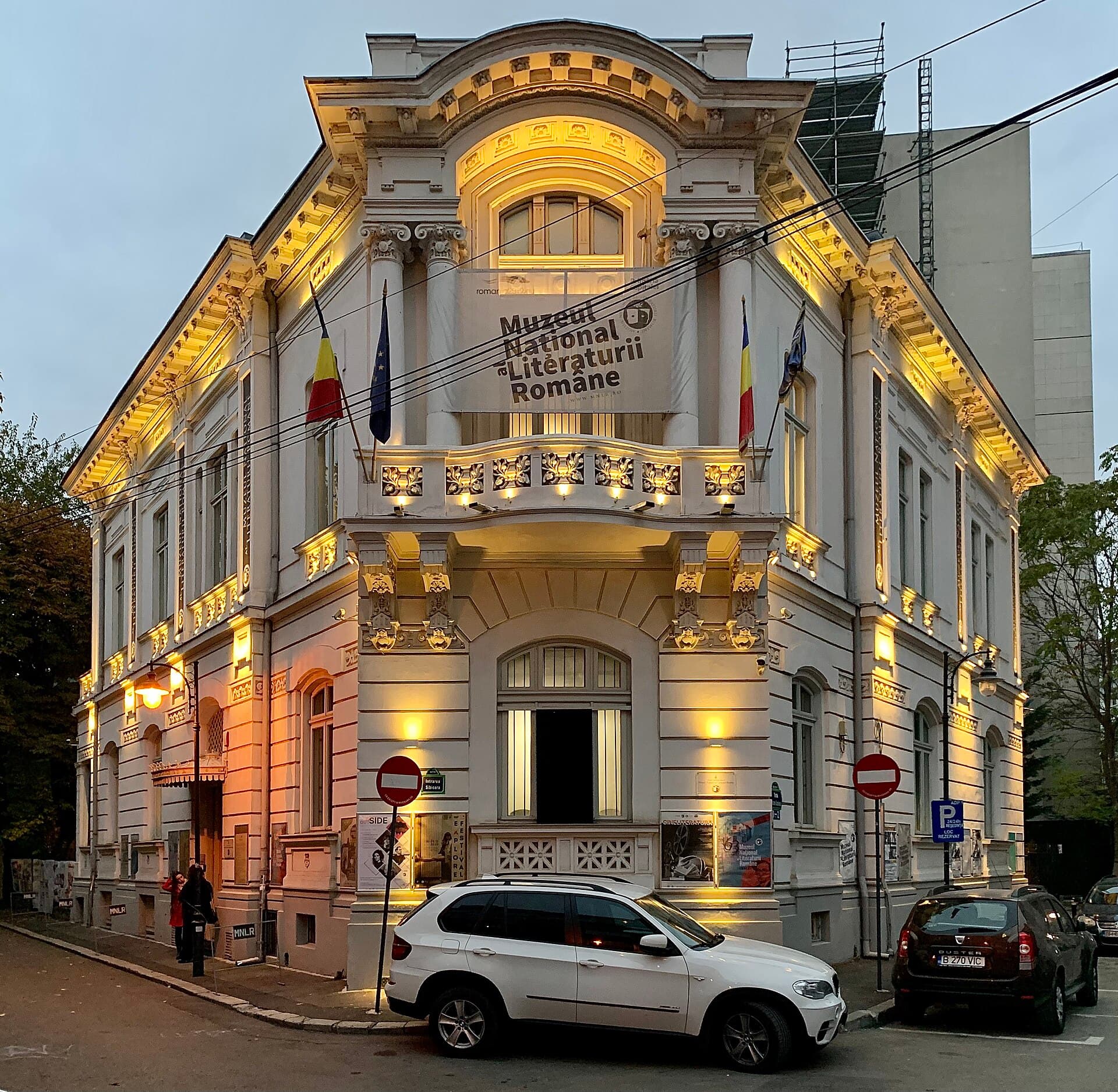 The National Museum of Romanian LiteratureThe National Museum of Romanian Literature gathers the manuscripts, letters, lib9 minutes walk4.6
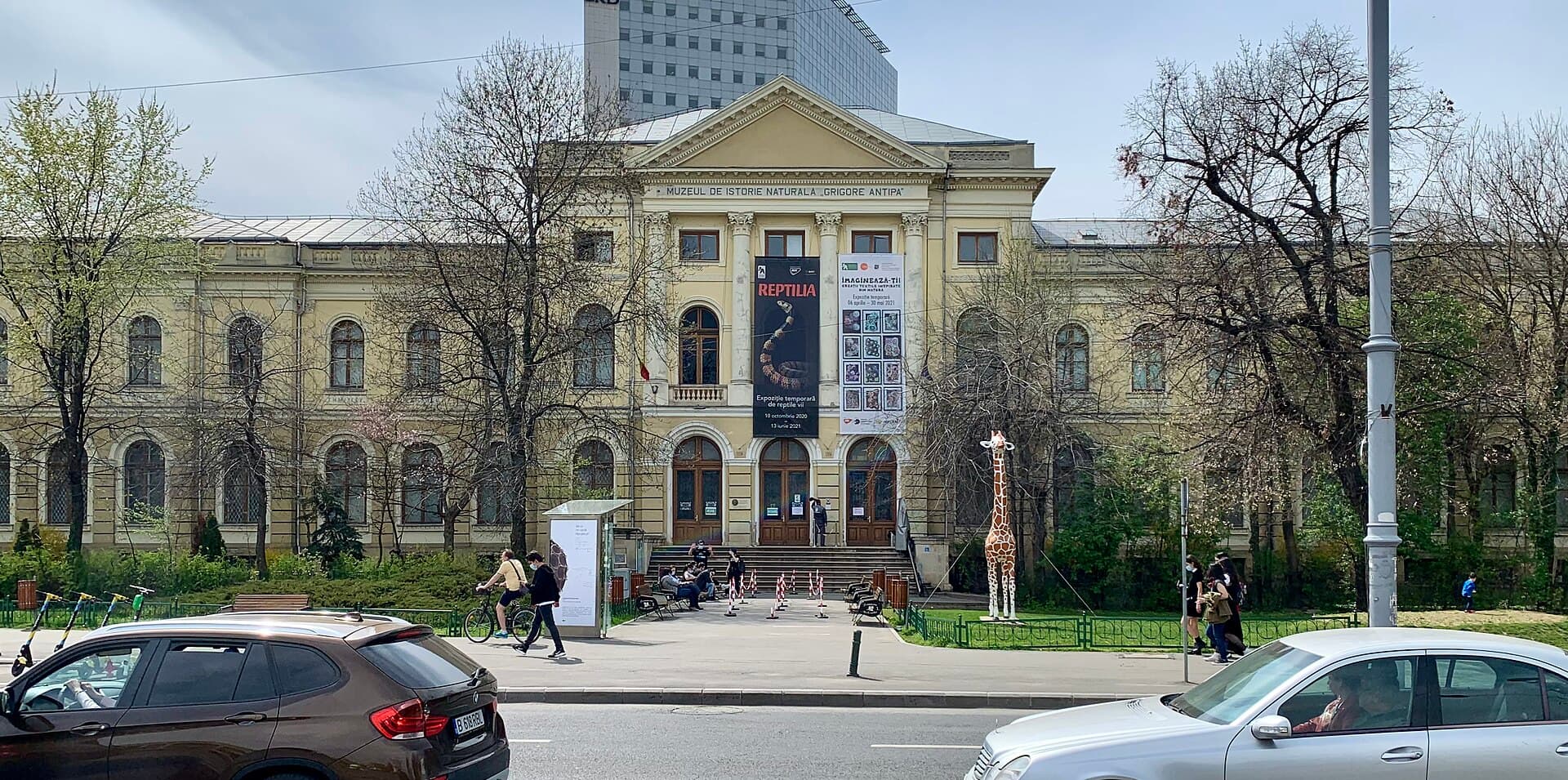 Grigore Antipa Natural History MuseumBucharest's best-loved museum for children and its most modern in display: the G10 minutes walk4.9
Yes, and the daytime presentations on the Sun and planets are designed primarily for schools and families. Night observing is harder for the young: it requires waiting in the cold, silence and patience in the queue at the telescope. The practical rule is daytime presentations from about age six and night observing from about ten. The language is usually Romanian — ask about English sessions when booking.
Light pollution in a city this size limits observing considerably: faint objects like nebulae and galaxies are nearly impossible. But the Moon is superb with its crater detail, as are Jupiter with its four moons, Saturn with its rings and Venus with its phases. These bright targets are what the sessions concentrate on, and they are genuinely striking for anyone seeing them through a telescope for the first time.