
Poland beyond the cities
A rural culture of which nothing shows in the streets of Warsaw.
Adrian Grycuk — CC BY 3.0 pl · Klara Sielicka-Baryłka — CC BY-SA 4.0 · Klara Sielicka-Baryłka — CC BY-SA 4.0 · Klara Sielicka-Baryłka — CC BY-SA 4.0
A museum of Polish folk culture and non-European cultures, in an 1858 building originally built for an insurance company, in central Warsaw. The Polish section is the more important: regional dress in its great variety between areas, folk art, tools and seasonal ritual. Polish folk culture is richer than a visitor who knows only the cities expects — each region has its own dress, music and crafts. Among its better-known holdings are naive art, peasant religious carving, and a collection of ceremonial masks and costumes. The non-European section holds material from Africa, Asia, Oceania and Latin America, gathered by Polish travellers and envoys. What should be said of every European ethnographic museum of this generation should be said here: part of its holdings was gathered in a colonial context by means that would not be accepted today, and the museums themselves have begun addressing this in their recent exhibitions. The site is central, walkable from the Saxon Garden and Zachęta.
A rural culture of which nothing shows in the streets of Warsaw.
Work by peasants with no academic training, among the collection's strongest.
Part of the non-European holdings was gathered in a colonial context.
Kredytowa street, central Warsaw
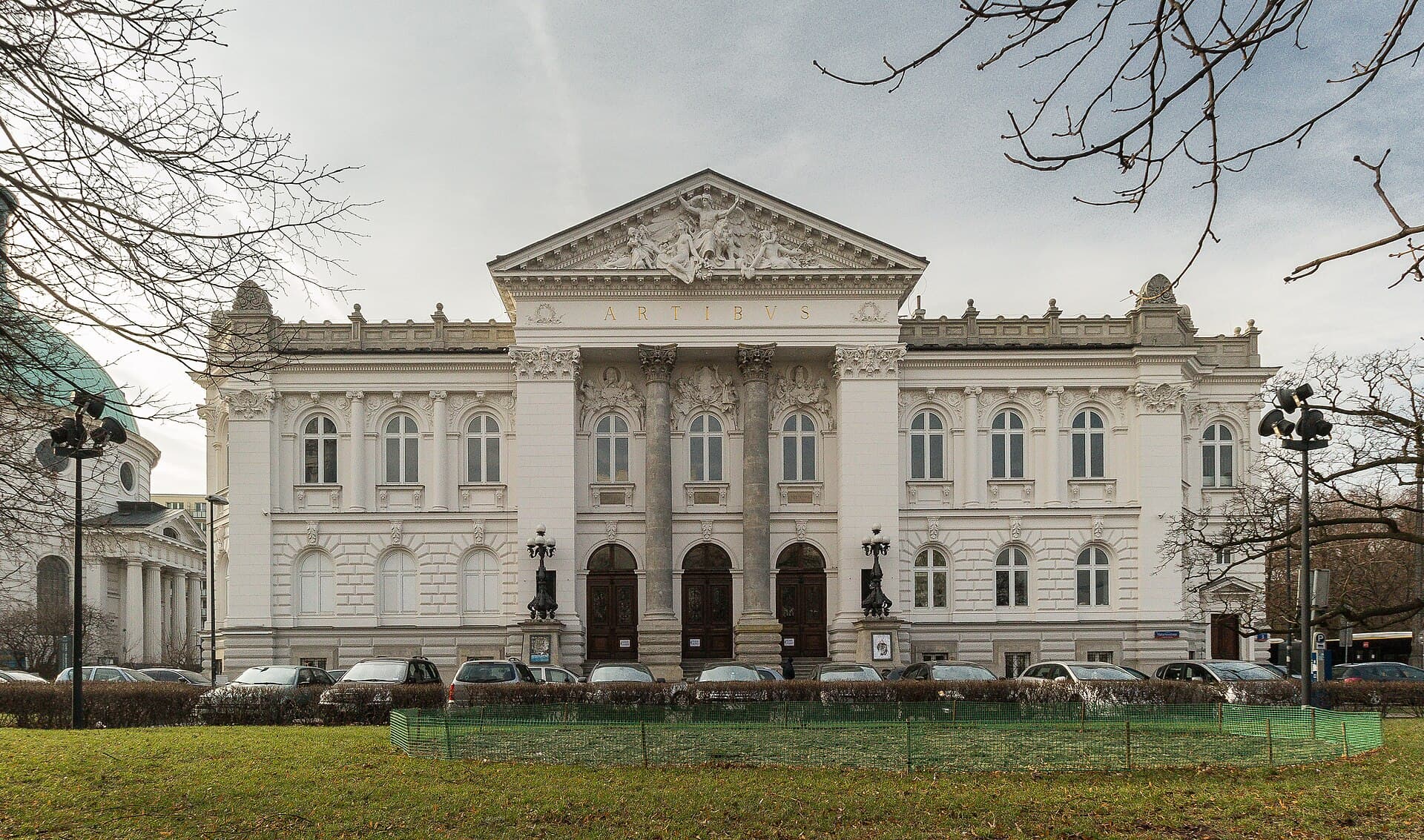 Zachęta National Gallery of ArtPoland's leading contemporary art gallery, in an early twentieth-century buildin2 minutes walk4.6
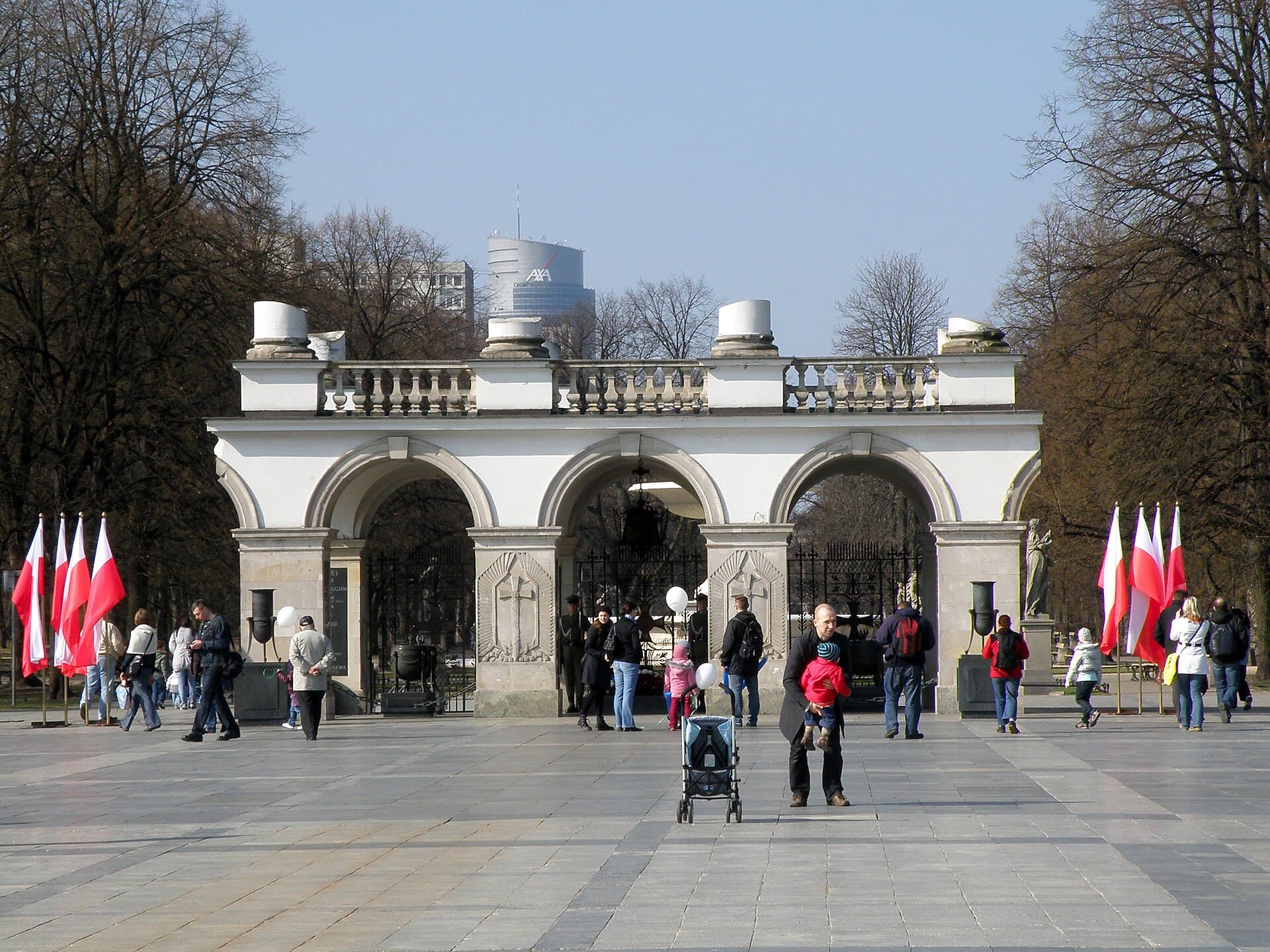 The Tomb of the Unknown Soldier & Saxon GardenThe Tomb of the Unknown Soldier is Warsaw's deliberately kept wound: three arcad4 minutes walk4.7
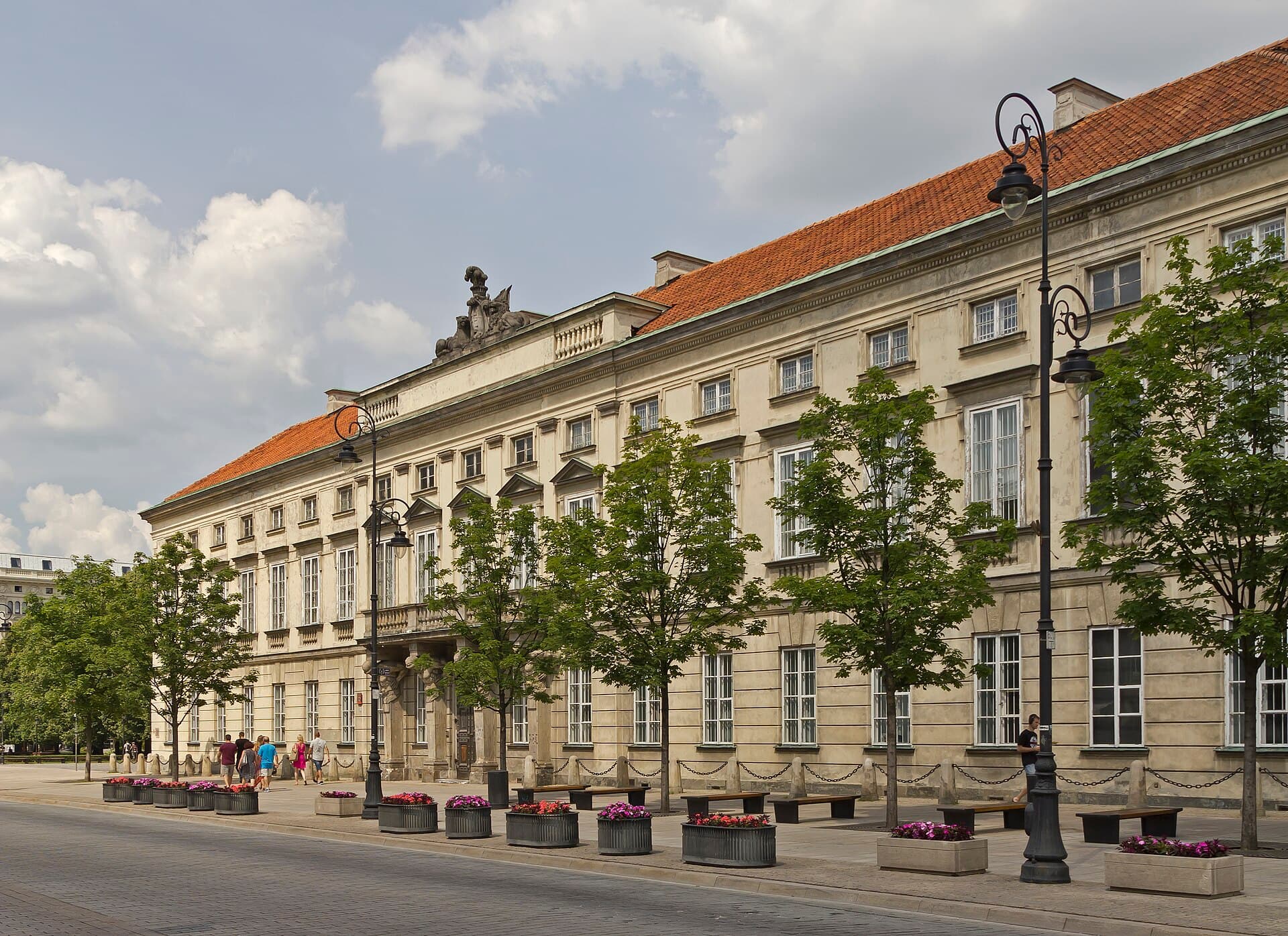 Museum of the University of WarsawA small museum within the historic campus of the University of Warsaw on the Roy5 minutes walk4.5
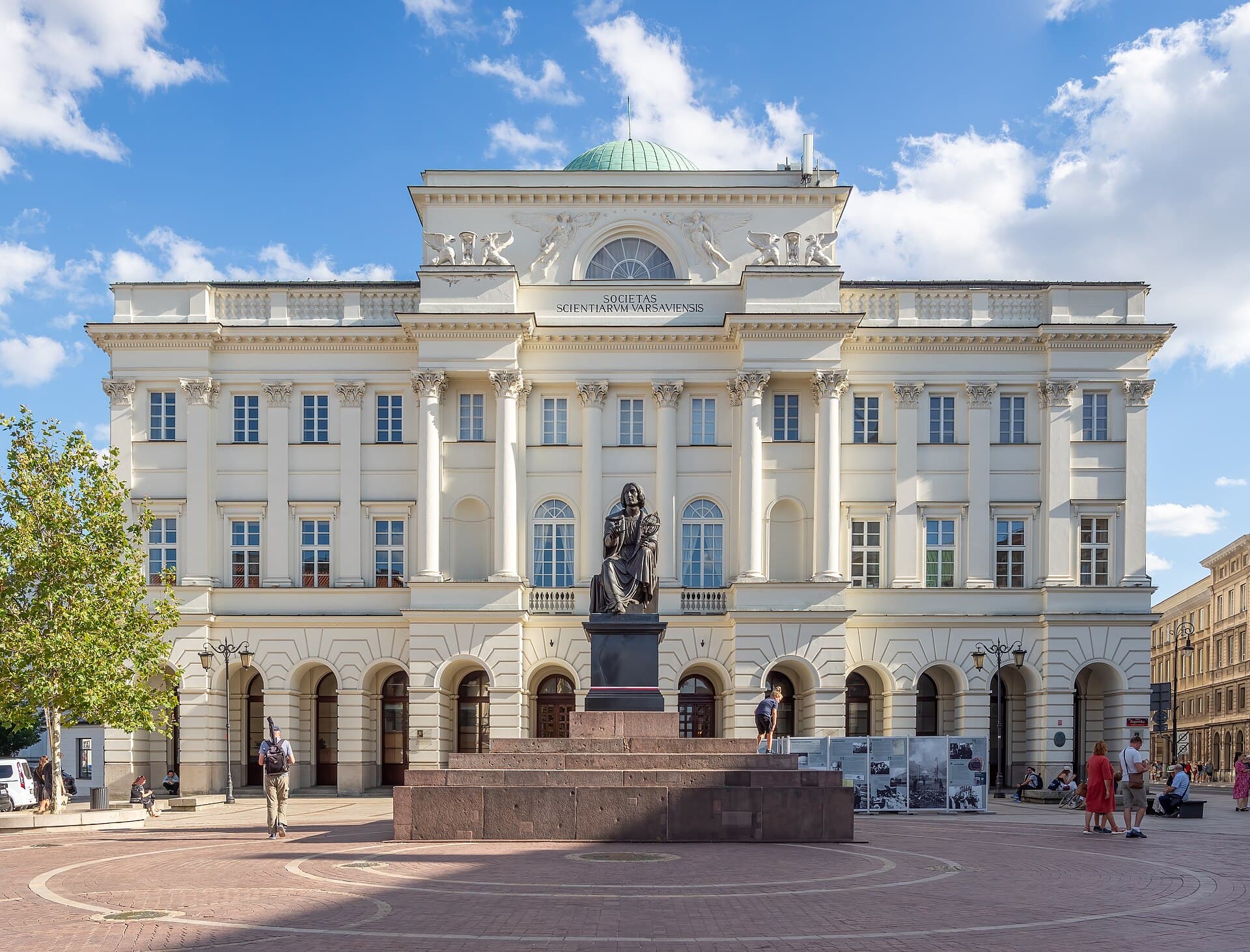 Staszic PalaceA neo-classical building on Warsaw's Royal Route, the seat of the Polish Academy5 minutes walk4.7
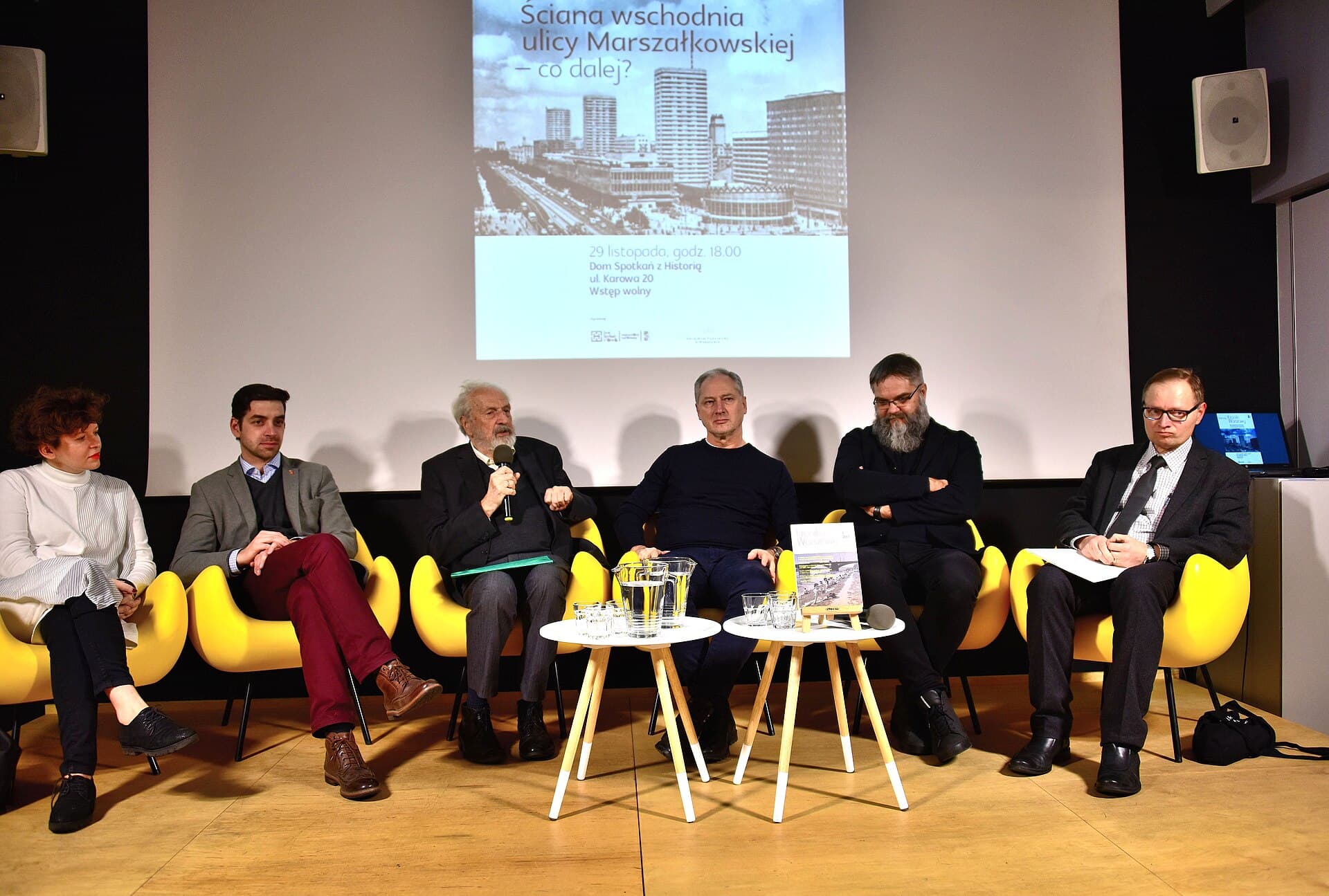 The History Meeting HouseA cultural centre in Warsaw devoted to Polish history and the twentieth-century 7 minutes walk4.9
Because Poland remained largely an agrarian society into the mid-twentieth century, and because in the nineteenth century — when no state existed — folk culture became a foundation on which the nation was defined. Artists and writers went to the villages looking for the real Poland, and that is what you see in Wyspiański's work and in the Zakopane architectural style.
They are entirely different. POLIN covers Jewish history in Poland, is among Europe's most important museums and needs half a day. This covers rural folk culture and non-European holdings. On a first visit to Warsaw, POLIN, the Warsaw Uprising Museum and the Polish History Museum have a stronger claim on your time.