
A question without a state
What is Polish architecture when Poland does not exist? This house was an answer.
Piotrekwas — CC BY-SA 3.0 pl · Wojciech Grzegorz Domagała — CC BY-SA 4.0 · Wojciech Grzegorz Domagała — CC BY-SA 4.0 · Janusz Pienkowski — CC BY-SA 3.0 pl
The first house built in the Zakopane Style, designed by Stanisław Witkiewicz in 1892 and completed in 1894, today a museum of that style. What makes it important is that it is not simply a fine house but the beginning of an idea. In the 1890s Poland did not exist on the map, and the question before its intellectuals was: what is Polish architecture? Witkiewicz went to the wooden houses of the Tatra highlanders and drew from them a complete architectural system — steep roofs, stone foundations, carved verandas, ornament taken from folk carving — and applied it to modern houses. The idea worked and spread beyond Zakopane, and it became the first serious attempt to formulate a national style in Polish architecture. The museum shows the house with its furniture — Witkiewicz designed the furniture, handles and textiles as well — and a section on the style and its spread. It pairs with the nearby Pęksowy Brzyzek cemetery, where Witkiewicz is buried.
What is Polish architecture when Poland does not exist? This house was an answer.
Witkiewicz designed the furniture, handles and textiles too.
Highland folk houses became the basis of a national style that spread beyond the region.
Kościeliska street, west of central Zakopane
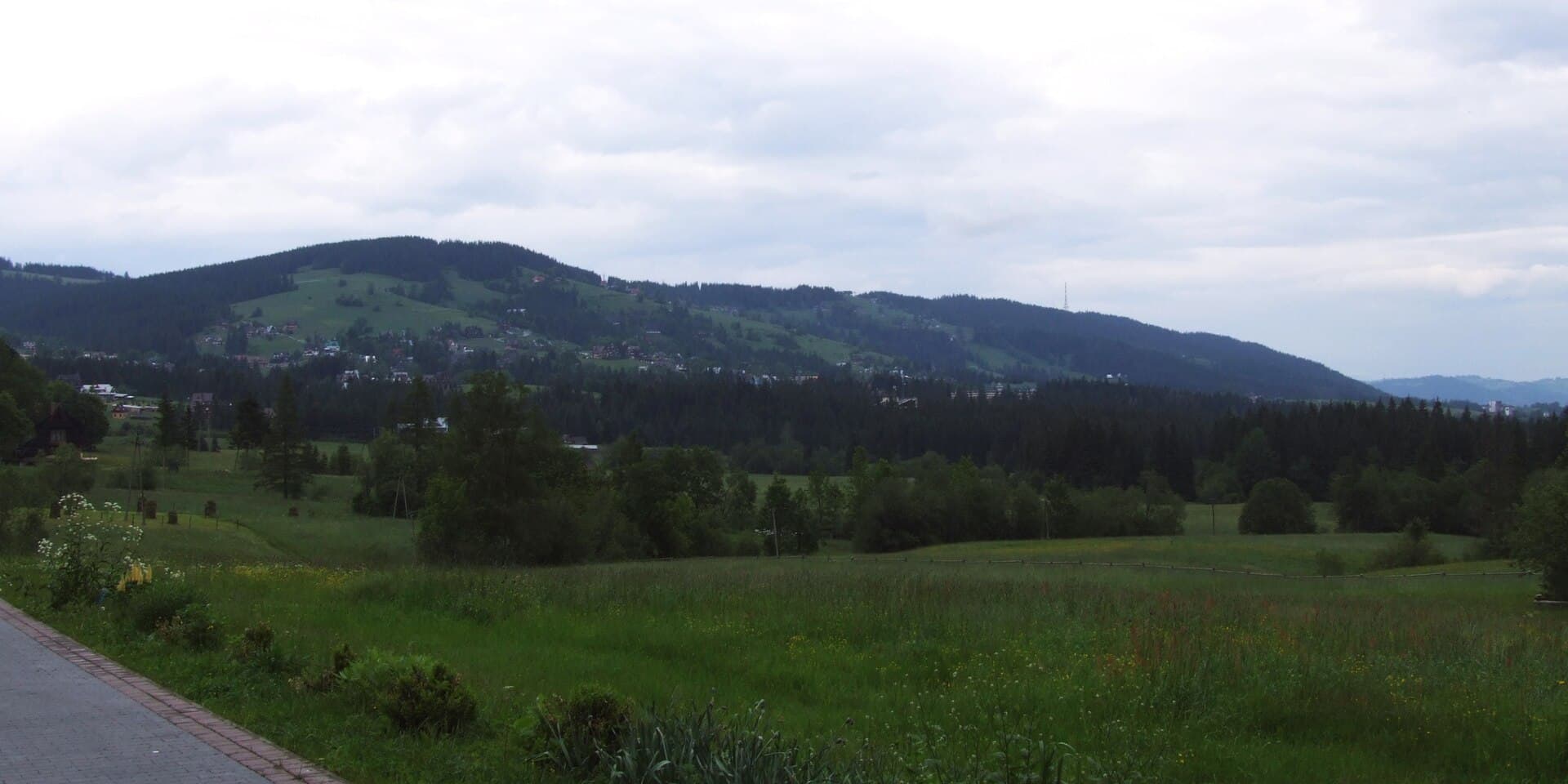 GubałówkaA hill rising to about 1,120 metres north of central Zakopane, reached by a funi4 minutes walk4.9
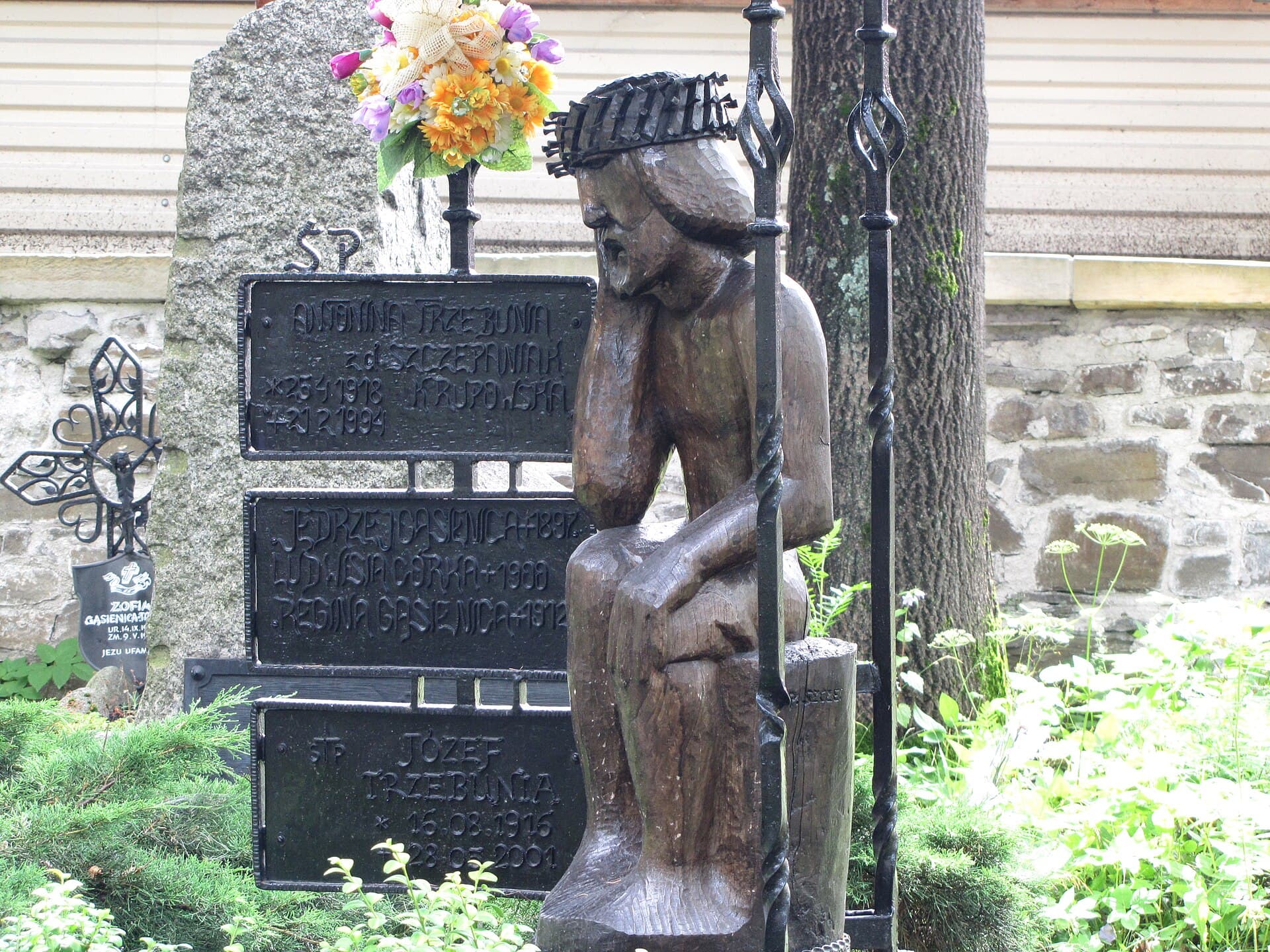 Pęksowy Brzyzek Cemetery of the MeritoriousThe oldest cemetery in Zakopane, established in the mid-nineteenth century, whic5 minutes walk4.1
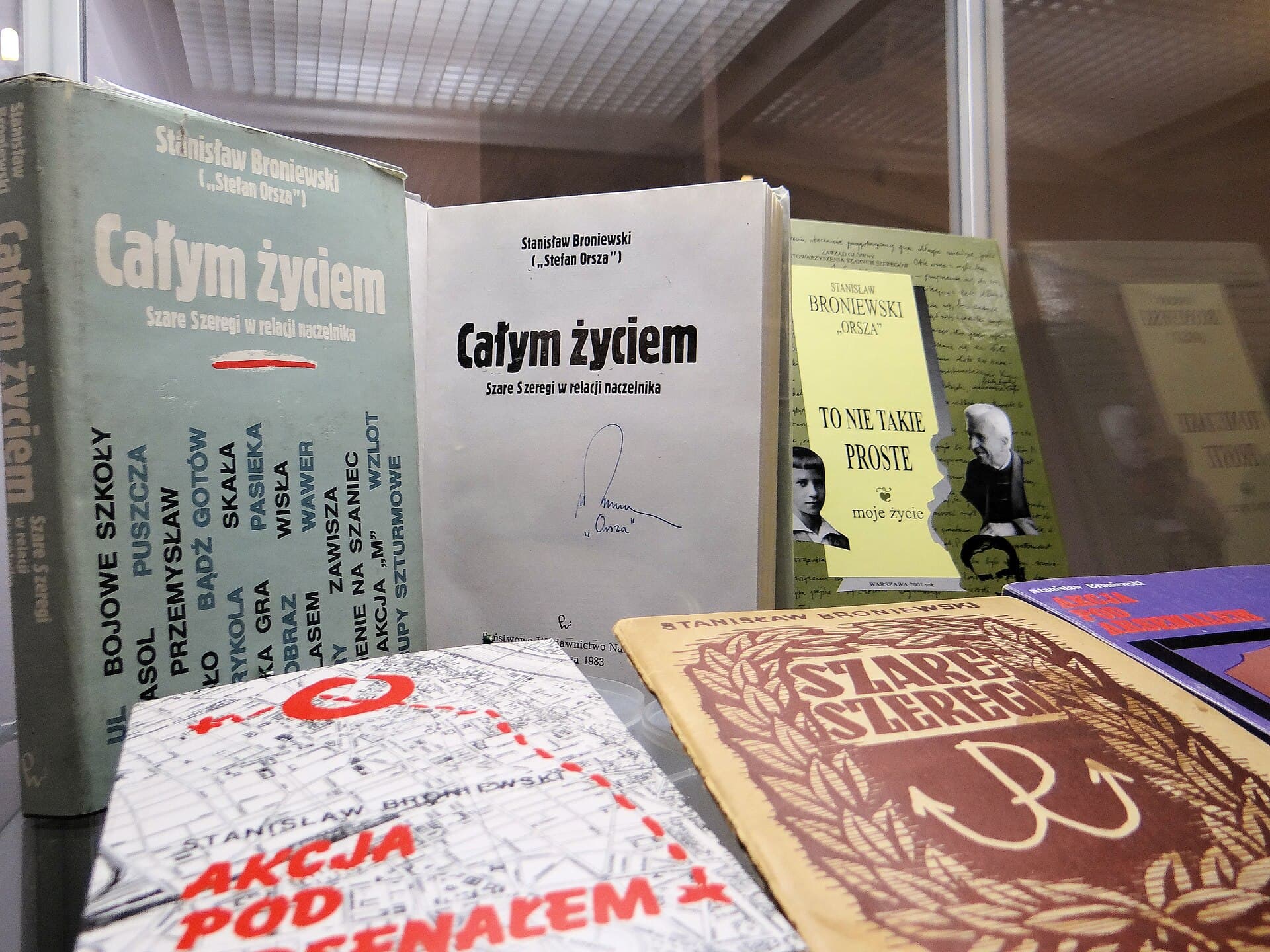 Scouting MuseumA small museum devoted to the history of the scouting movement in Poland, named 7 minutes walk4.6
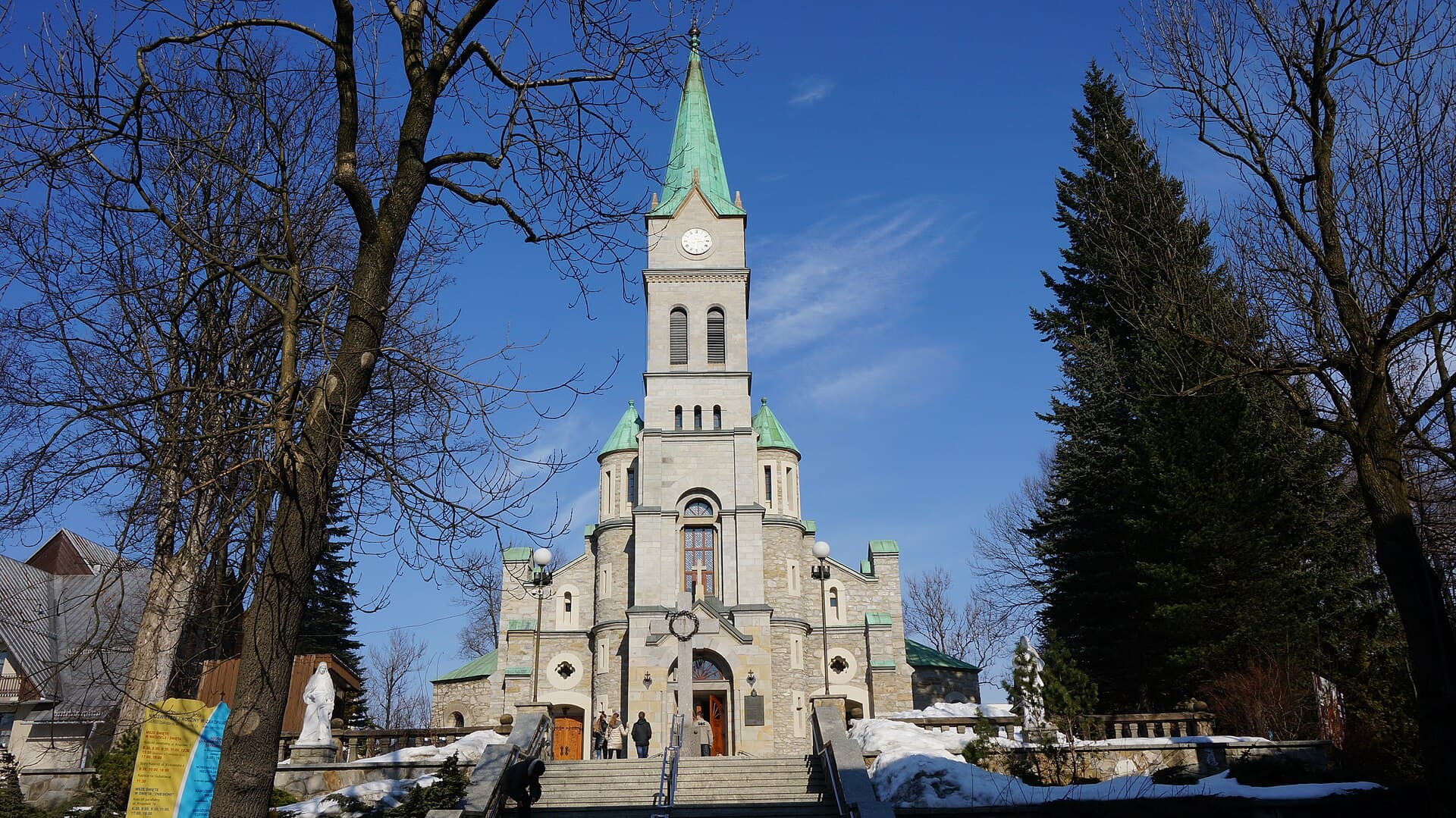 The Church of the Holy FamilyZakopane's main church, built of stone between 1877 and 1896 as the village turn7 minutes walk4.8
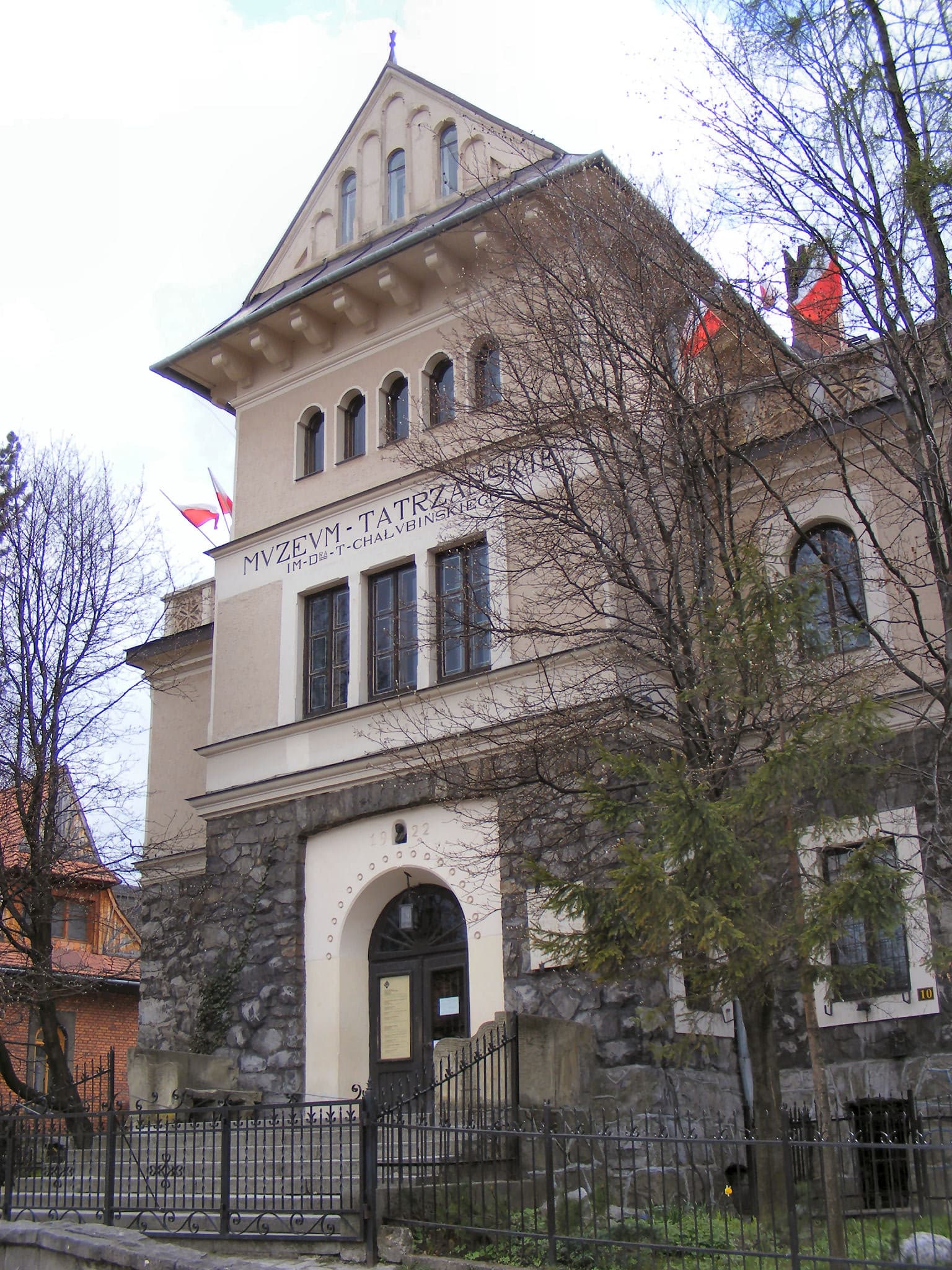 The Tatra MuseumThe Tatra Museum is the mountain's and its people's memory: among Poland's oldes10 minutes walk4.5
Plenty in Zakopane itself: the Villa Oksza which houses the Tatra Museum's gallery, the wholly wooden Sacred Heart church at Jaszczurówka built in the style, and private houses along Kościeliska street. Walking that street alone shows you dozens of examples.
A painter, critic and architectural theorist (1851-1915). He came to Zakopane for his health and stayed, and there formulated the Zakopane Style. His son Stanisław Ignacy Witkiewicz, known as Witkacy, became a writer, painter and playwright among the leading names of the Polish avant-garde in the twentieth century — and the two are often mentioned together in Zakopane.