
Stanisław Witkiewicz
Creator of the Zakopane Style that gave the whole town its appearance.
Fotonews — CC BY-SA 3.0 pl · Fotonews — CC BY-SA 3.0 pl · Fotonews — CC BY-SA 3.0 pl · Fotonews — CC BY-SA 3.0 pl
The oldest cemetery in Zakopane, established in the mid-nineteenth century, which became the burial place of the figures who made the town and the culture of the Tatra mountains. What distinguishes it are the headstones: most are carved from wood by local craftsmen in the Zakopane manner — crosses, figures and carvings following the mountain tradition of folk sculpture rather than the usual stone forms. The cemetery is in effect an open-air gallery of Polish folk carving. Buried here is Stanisław Witkiewicz, the painter and architect who created the Zakopane Style of architecture drawing on the wooden mountain houses — the style that gave the whole town its appearance. With him lie Kornel Makuszyński the children's writer, along with mountain guides, musicians, poets and climbers who died in the Tatras. The cemetery is small and walled in stone, with an old wooden church beside it. Entry is free. This is a working cemetery: quiet and respectful dress are asked.
Creator of the Zakopane Style that gave the whole town its appearance.
Many buried here died in the Tatra mountains themselves.
Beside the cemetery, among Zakopane's oldest buildings.
Kościeliska street, west of central Zakopane
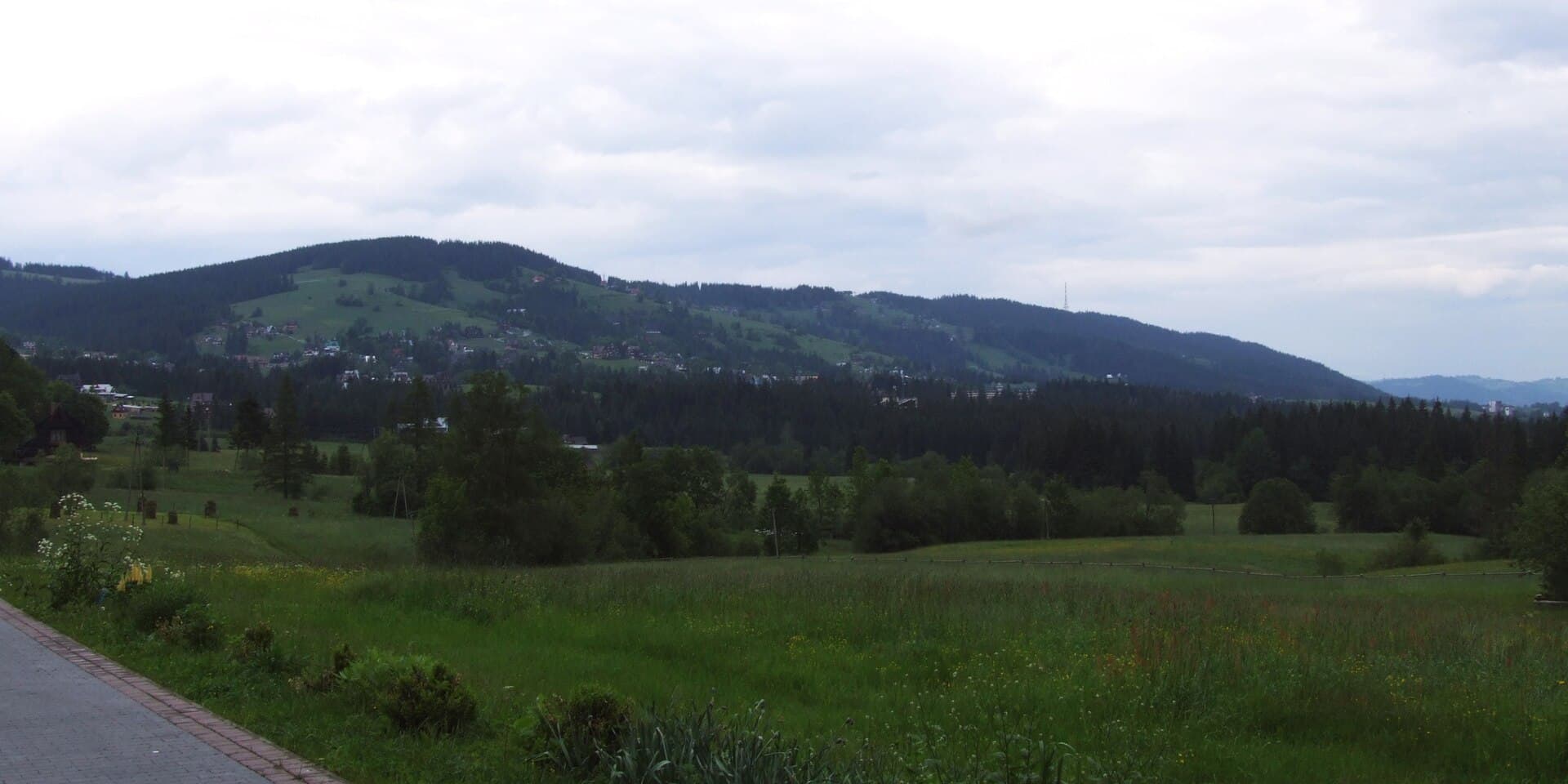 GubałówkaA hill rising to about 1,120 metres north of central Zakopane, reached by a funi2 minutes walk4.9
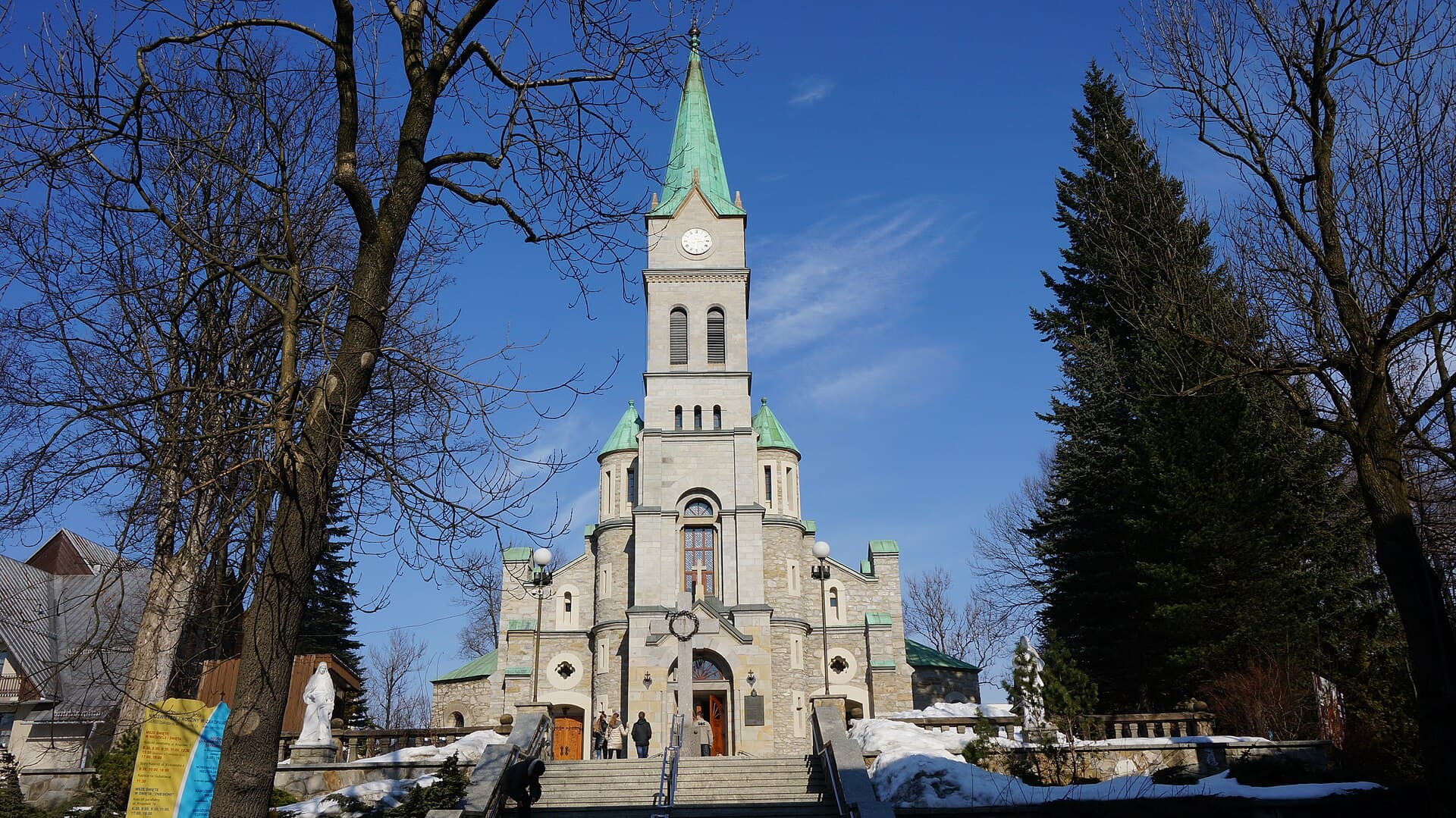 The Church of the Holy FamilyZakopane's main church, built of stone between 1877 and 1896 as the village turn3 minutes walk4.8
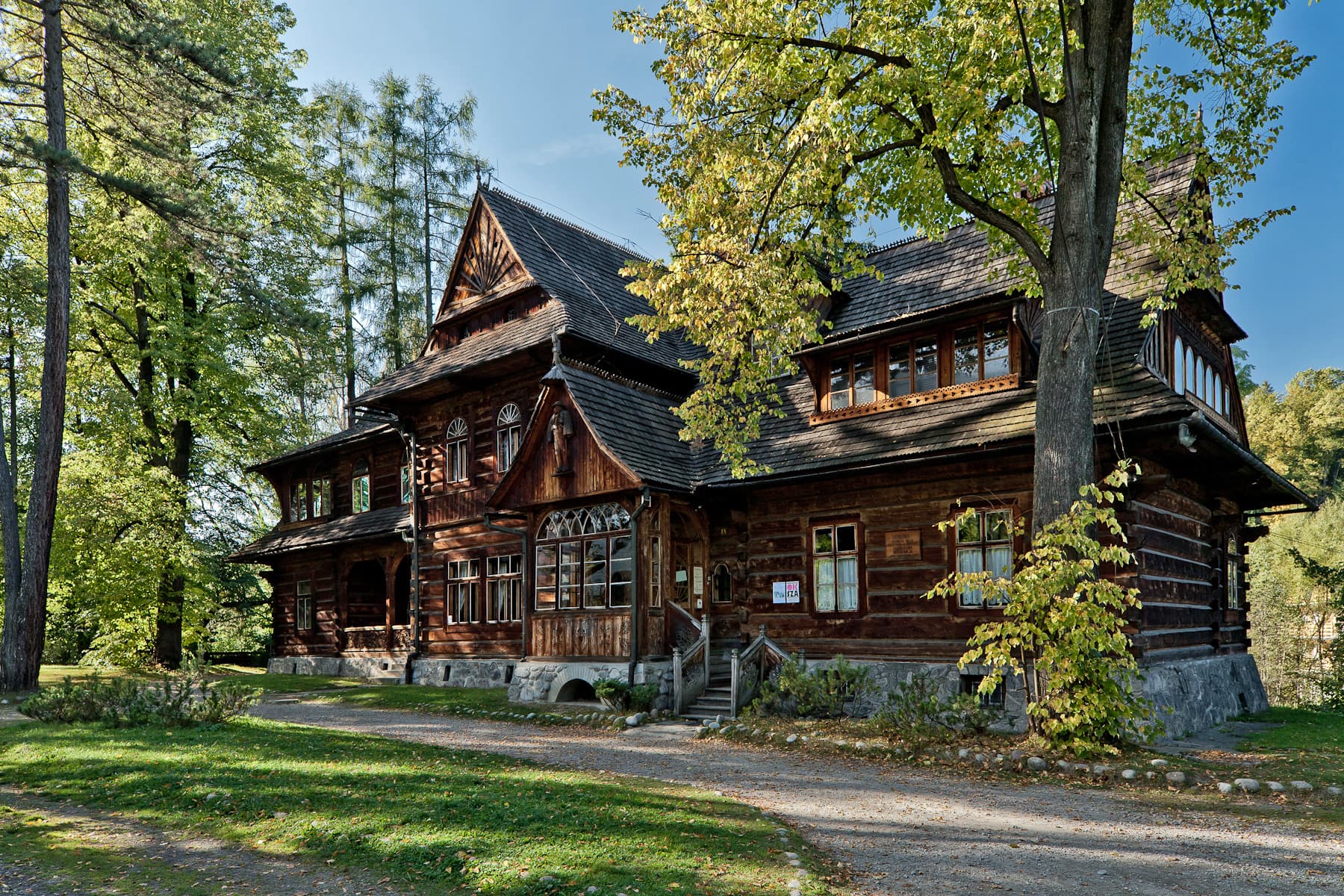 Villa KolibaThe first house built in the Zakopane Style, designed by Stanisław Witkiewicz in5 minutes walk4.7
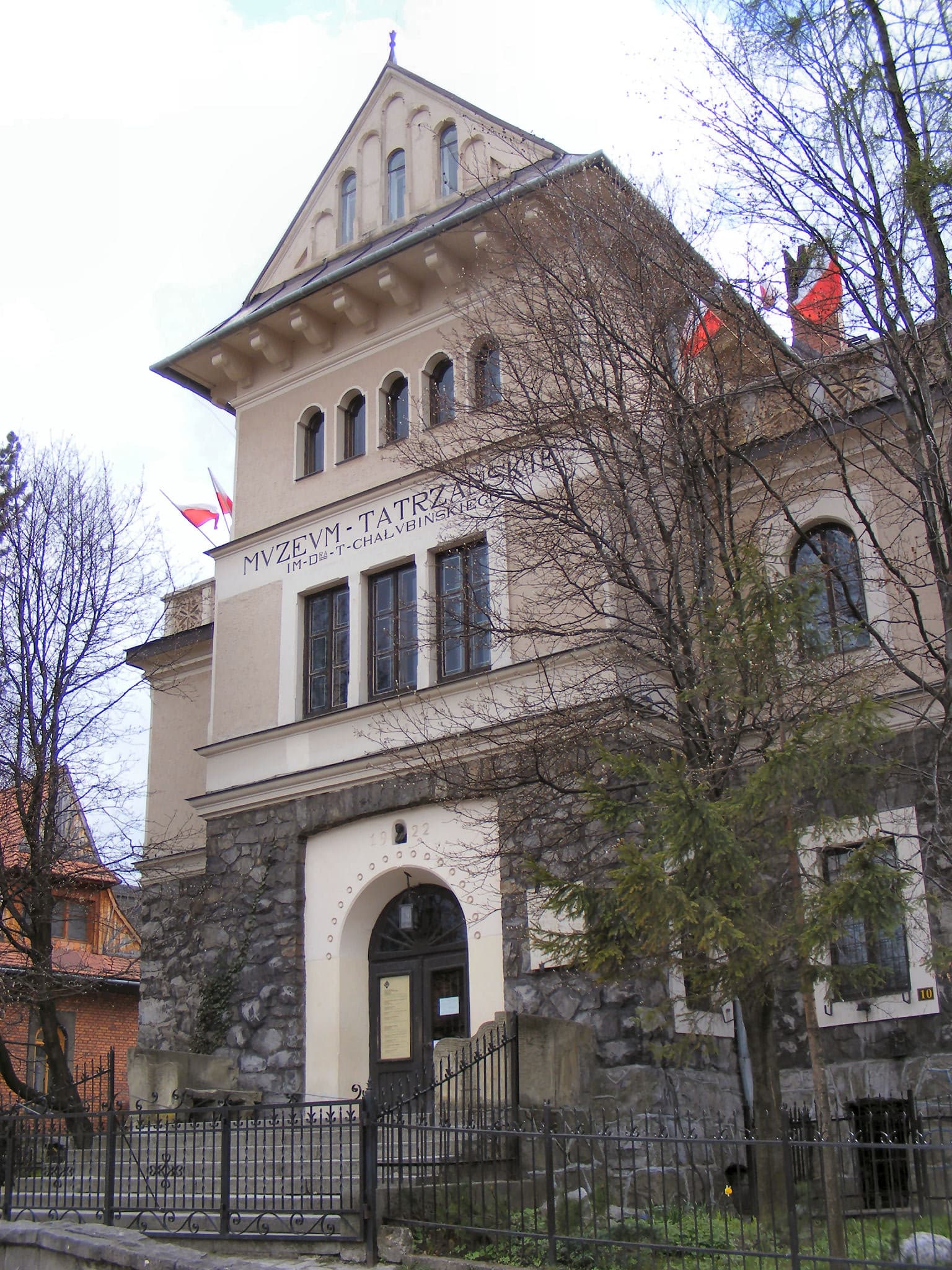 The Tatra MuseumThe Tatra Museum is the mountain's and its people's memory: among Poland's oldes5 minutes walk4.5
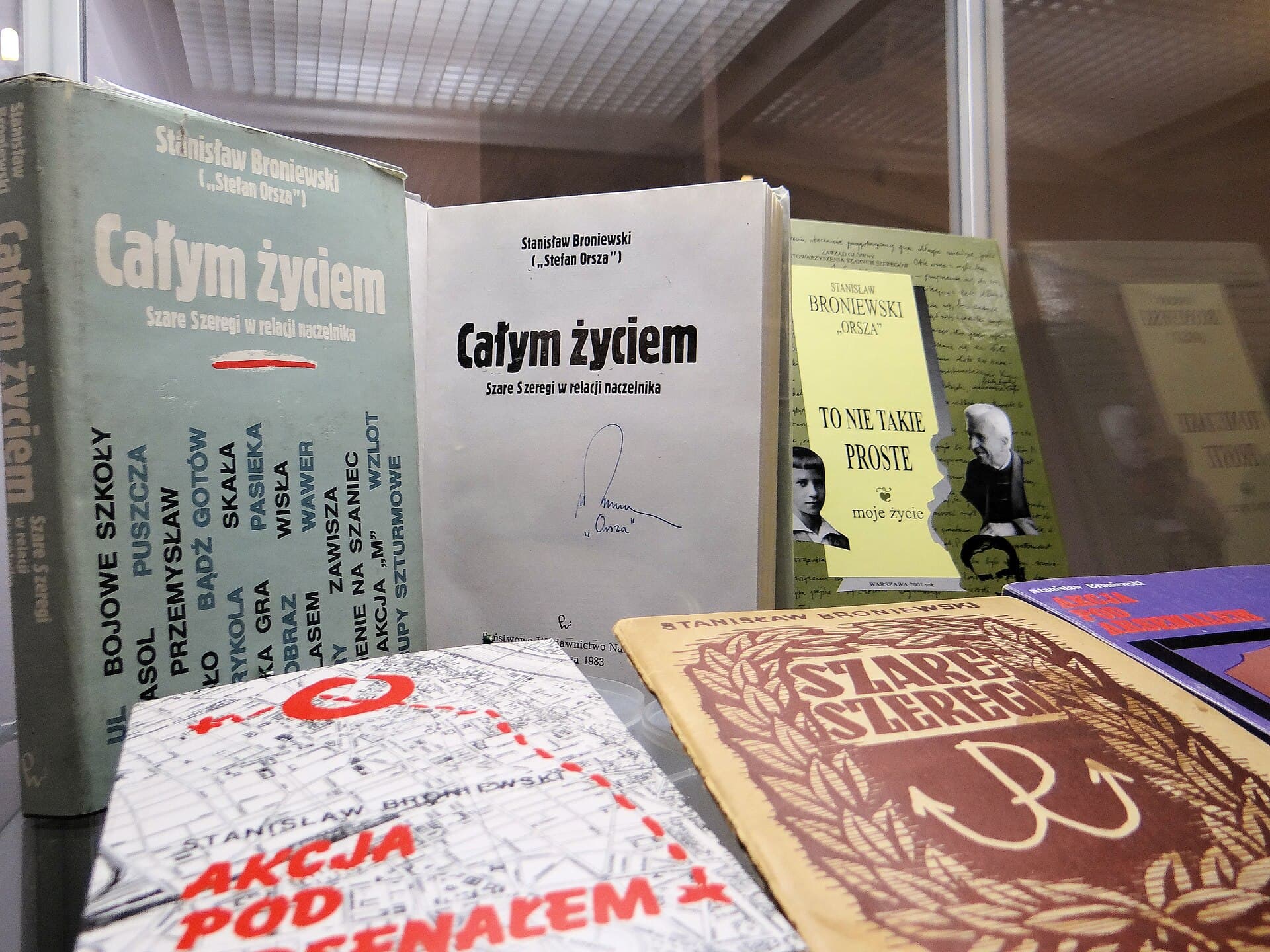 Scouting MuseumA small museum devoted to the history of the scouting movement in Poland, named 8 minutes walk4.6
An architectural manner created by Stanisław Witkiewicz in the 1890s, drawing on the wooden houses of the Tatra highlanders: steep roofs, stone foundations, verandas and carved ornament. Its purpose was to formulate a national Polish architecture at a time when no Polish state existed. It spread beyond Zakopane and became one of the clearest expressions of Polish identity in building.
Yes, and it is among Zakopane's usual destinations. But it is a working cemetery still in use and visited by local families, not a tourist site. Enter quietly, keep to the paths, and do not stage photographs in front of graves. Half an hour is enough.