
El Greco
An early work by the Cretan who became Spain's most famous painter.
Leeturtle — CC BY-SA 4.0 · Jean Housen — CC BY-SA 4.0 · Jean Housen — CC BY-SA 4.0 · Jean Housen — CC BY-SA 4.0
Greece's principal museum of **modern Greek art**, reopened in **2021** after an eight-year closure and a full extension that doubled its floor area — so what you see today is effectively a new building, with a glazed frontage and wide, well-lit galleries. Its importance is that it fills a gap in understanding Greece: a visitor knows the Acropolis and the classical age but knows nothing of what this land produced in the last four centuries. The museum tells that in sequence: from **post-Byzantine icons** and the art of Venetian and Ottoman rule, to the art of the **war of independence** and the painting of a new national identity in the nineteenth century, to Greek modernism in the twentieth. Its best-known holdings are paintings by **Nikiforos Lytras**, **Nikolaos Gyzis**, **Konstantinos Parthenis** and **Yannis Tsarouchis**, and a group of the Greek painters of the Munich School. It also holds European work, most notably an early painting by **El Greco** — the Cretan who became Spain's most famous painter. ⚠ Its temporary exhibitions are large and worth asking about before visiting.
An early work by the Cretan who became Spain's most famous painter.
How Greece painted its new national identity.
Tsarouchis, Parthenis and the twentieth-century generation.
Vasileos Konstantinou 50, 11635 Athens
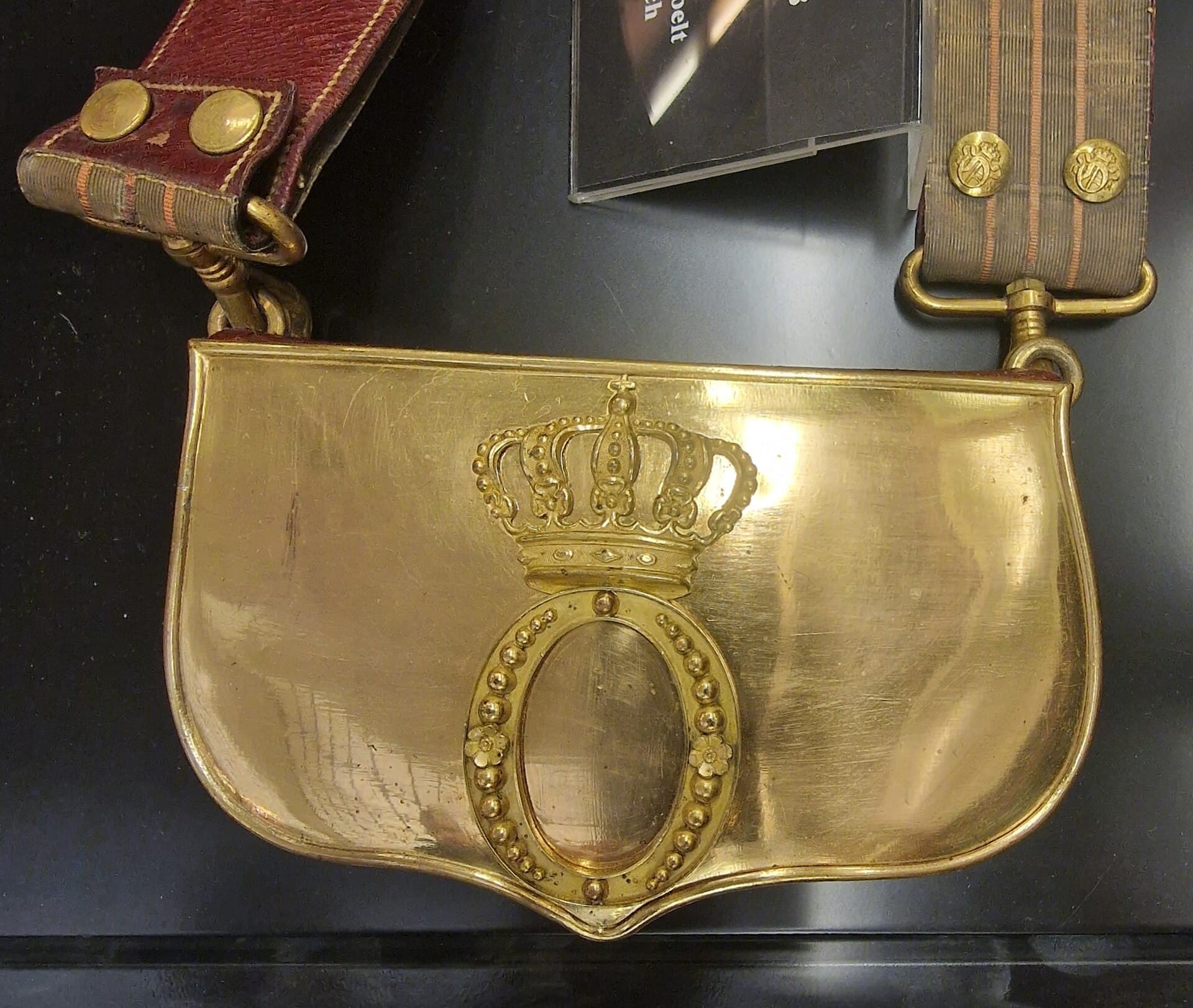 War MuseumGreece's national army museum, in a Brutalist concrete building of the 1970s on 6 minutes walk4.6
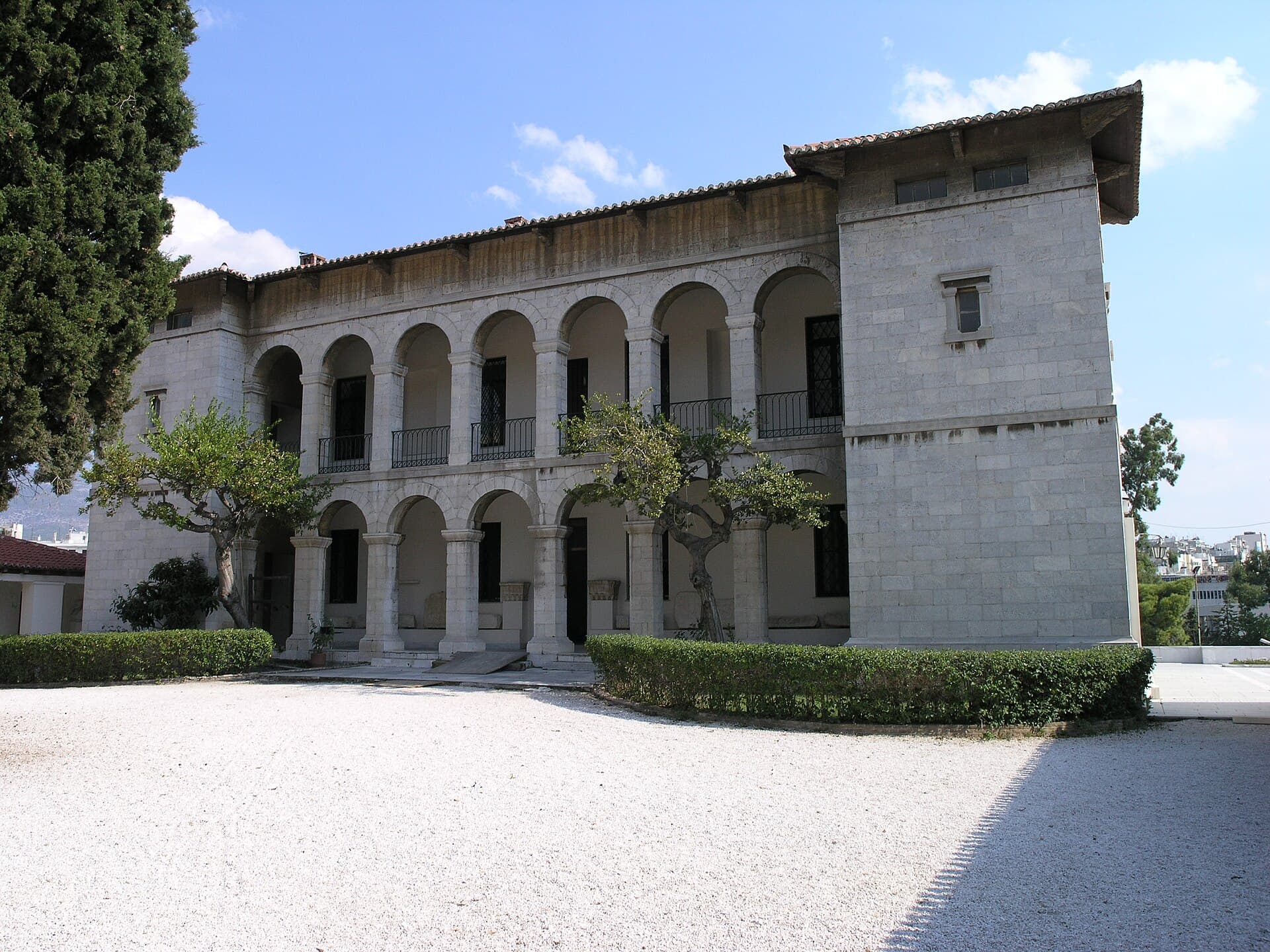 The Byzantine & Christian MuseumThe Byzantine Museum carries the thousand years the antiquities route drops: pag6 minutes walk4.5
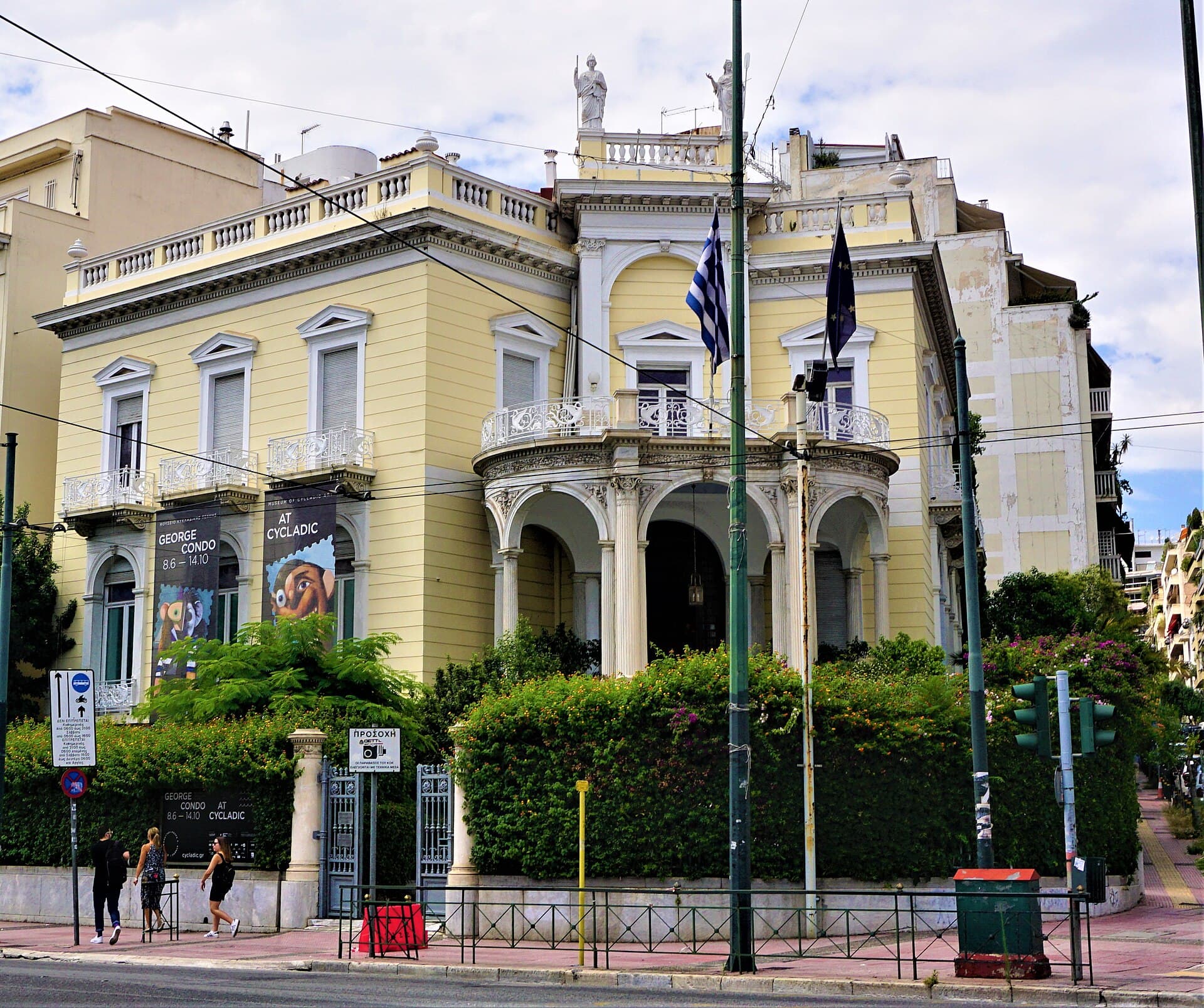 Museum of Cycladic ArtAn elegant private museum in the **Kolonaki** district, holding one of the most 9 minutes walk4.6
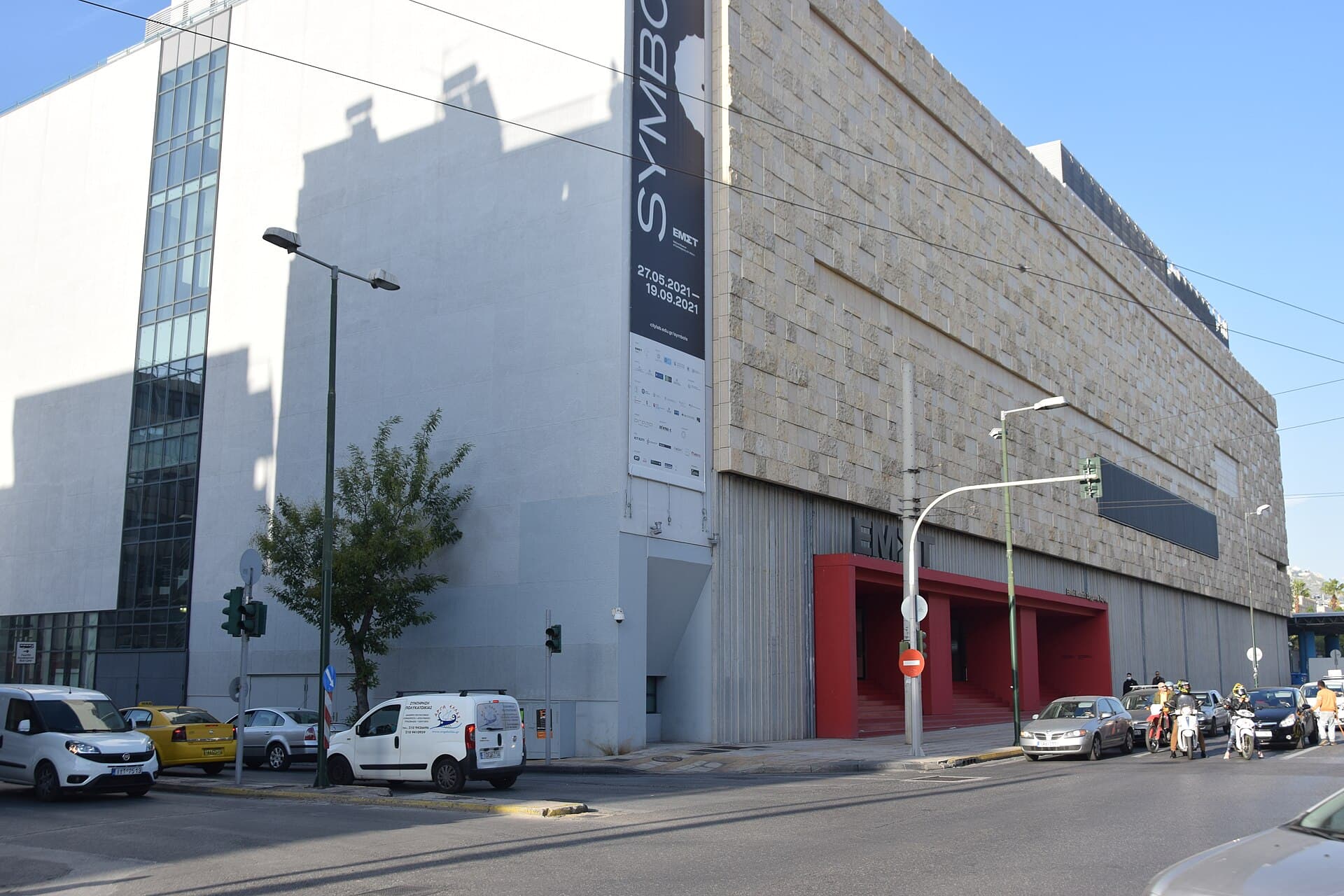 National Museum of Contemporary Art (EMST)Greece's national museum of contemporary art, known by its Greek acronym **EMST*9 minutes walk4.3
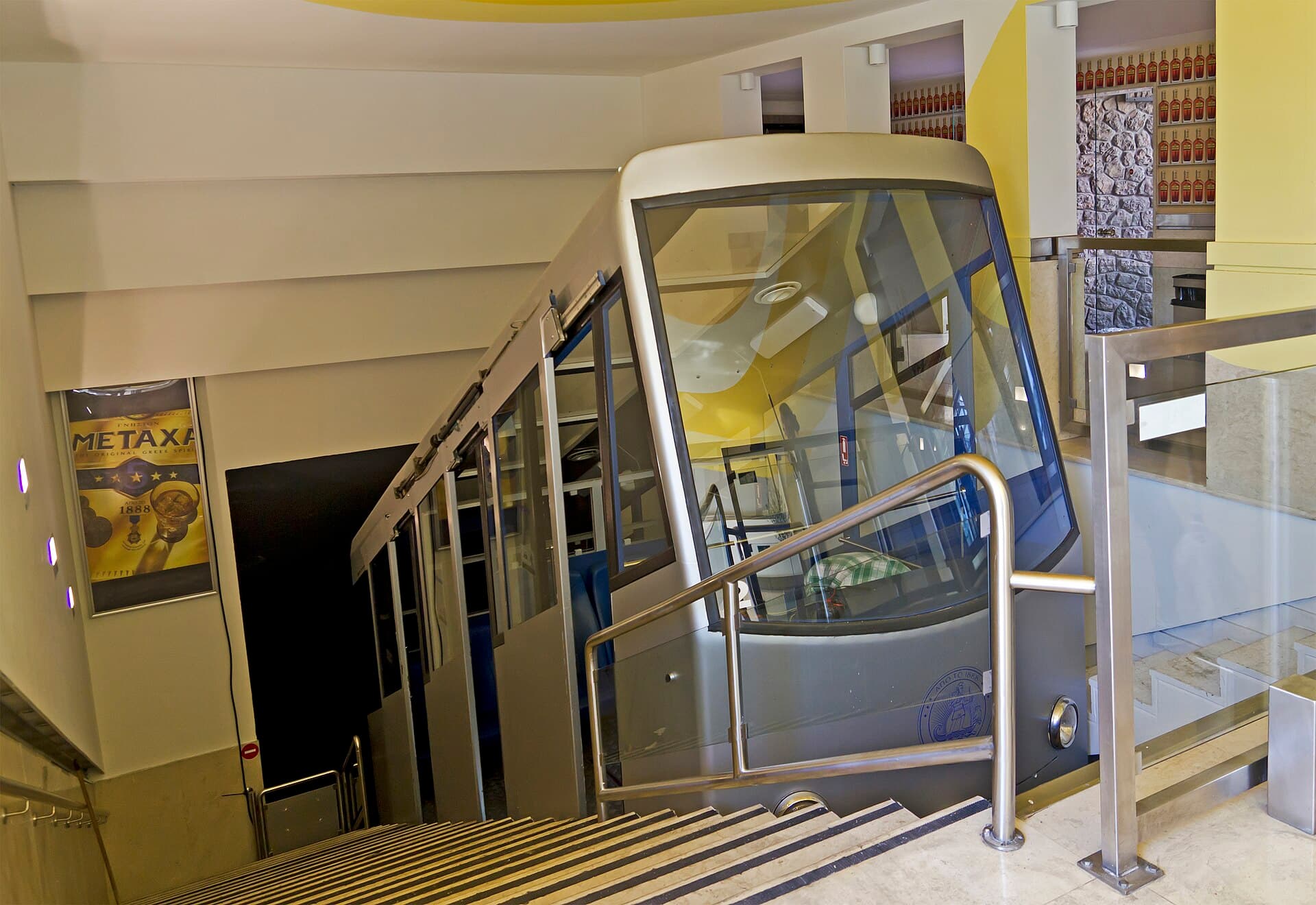 The Lycabettus FunicularA funicular railway climbing inside a tunnel bored through Lycabettus hill to it10 minutes walk3.9
Because it answers a question the Acropolis doesn't: **what happened to Greece afterwards?** Between the classical age and today lie two thousand years of Roman, Byzantine, Venetian and Ottoman rule, a bloody nineteenth-century independence, then wars and migrations — and all of it is here, painted. A visitor who sees only antiquities leaves Greece with a **frozen museum image** of a living country. An hour and a half here gives you the country you are actually in, rather than the one that existed 2,500 years ago.
**Doménikos Theotokópoulos**, known as El Greco — "the Greek" — was born in **Crete** in 1541 when it was under Venetian rule, and trained first as a painter of **Byzantine icons**. He moved on to Venice, Rome and finally **Toledo** in Spain, where he spent the rest of his life and became one of the greatest painters in history. His distinctive manner — elongated bodies, burning colour and unnatural light — is partly traced to that early icon training. Which is why his early works are **Greek at the root**, and are shown here in his own country.